by
,

Digital Intelligence in Agriculture | Volume 2, Issue 2: 68-78, 2026 | DOI: 10.62762/DIA.2026.309098
Abstract
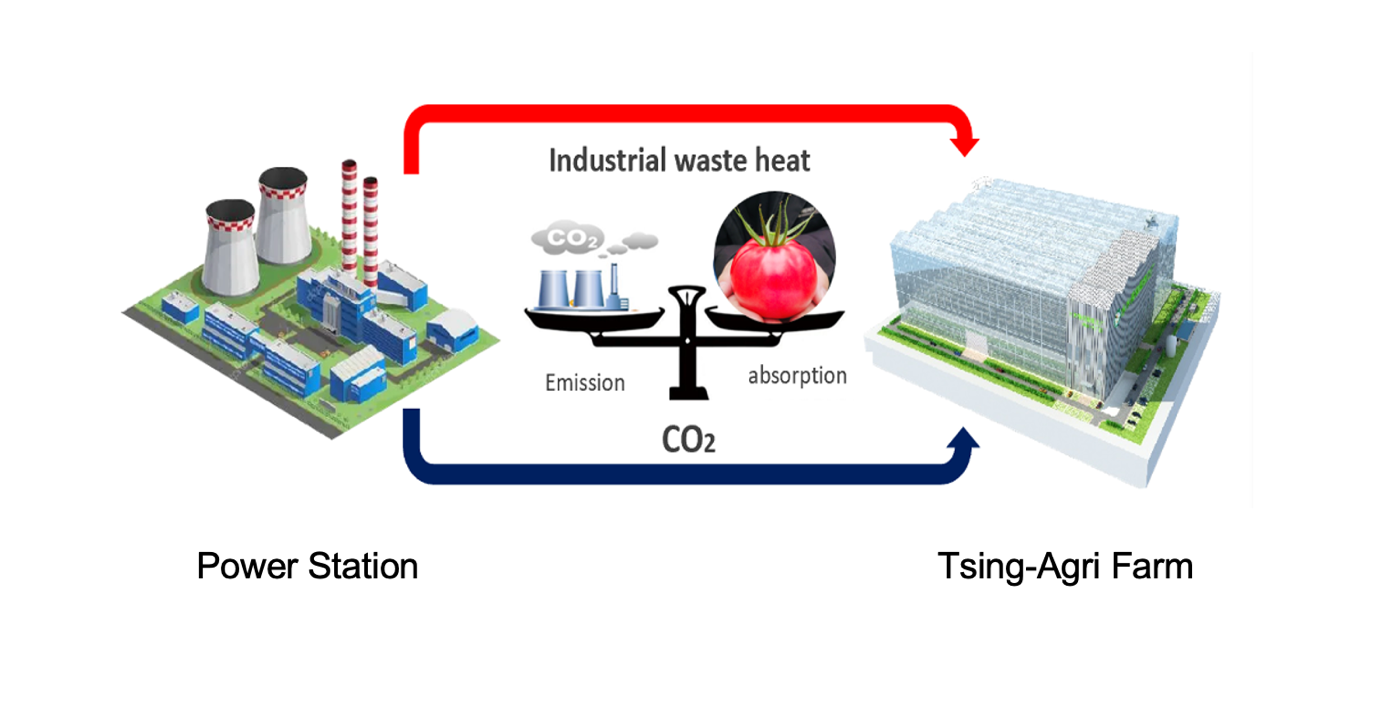
Against the backdrop of global food-security concerns, climate change, farmland constraints, and accelerating urbanization, modern agriculture is shifting from a land-dependent model toward a new paradigm shaped by spatial reconfiguration, energy integration, advanced equipment, and digital intelligence. Food systems account for a large share of anthropogenic greenhouse-gas emissions, making low-carbon transformation a central issue. Projected global food demand and hunger risk highlight the need for both productivity and resilience. Emissions from long-distance transport also suggest that localized production near consumption centers deserves greater attention. Taking the TsingSky Guangzhou... More >
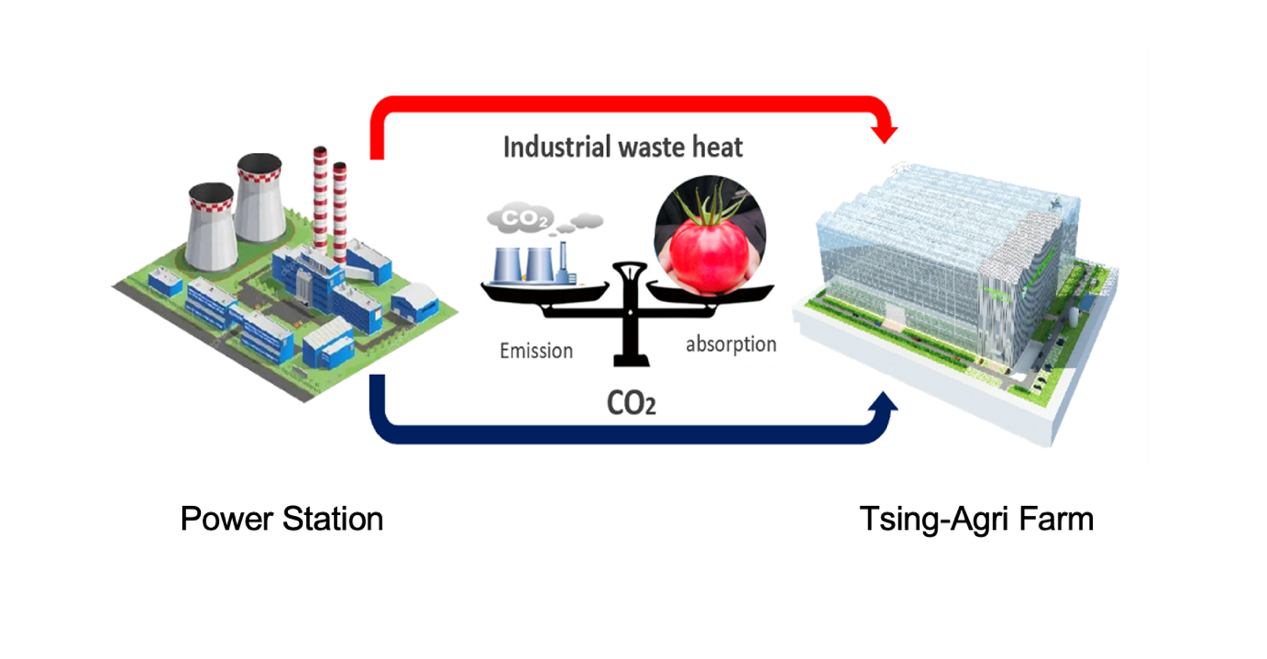
Graphical Abstract
 2
,
2
,