ICCK

Imran Hulio

Mehran University of Engineering and Technology, 76060, Pakistan

Section 01

Academic Profile

No academic profile information available at the moment.

Section 02

Editorial Roles

This user currently does not serve as an editor for any ICCK journals.

Section 03

ICCK Publications

Open Access | Research Article | 19 June 2026
A Machine Learning Framework for Artificial Lift Method Selection with Physics-Informed Data Balancing
Reservoir Science | Volume 2, Issue 3: 228-260, 2026 | DOI: 10.62762/RS.2026.704585
Abstract
The selection of optimal artificial lift methods using machine learning remains challenging due to complex interactions among reservoir characteristics, fluid properties, and operational constraints. Conventional approaches rely on engineering expertise and static screening criteria, often insufficient to capture multifactorial dependencies. This study presents a framework for classifying the most suitable lift method from four common techniques: ESP, Gas Lift, Rod Pumps, and PCP. A dataset of 990 wells with twelve physically meaningful parameters was compiled, including depth, temperature, GOR, API gravity, reservoir pressure, water cut, production rate, viscosity, sand production, deviatio... More >

Graphical Abstract
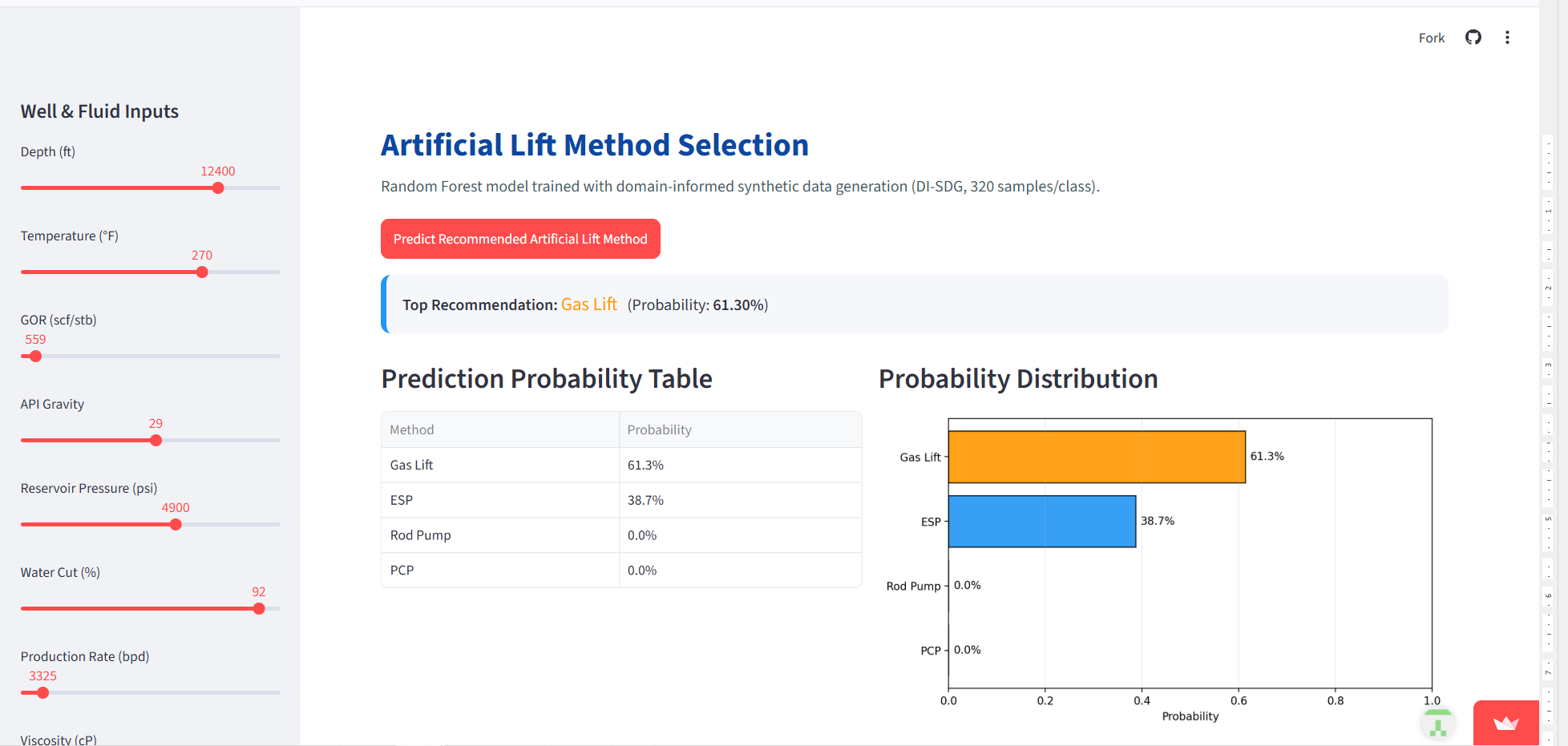
A Machine Learning Framework for Artificial Lift Method Selection with Physics-Informed Data Balancing
Open Access | Research Article | 27 February 2026 | Cited: Crossref logo  37 , Scopus 36
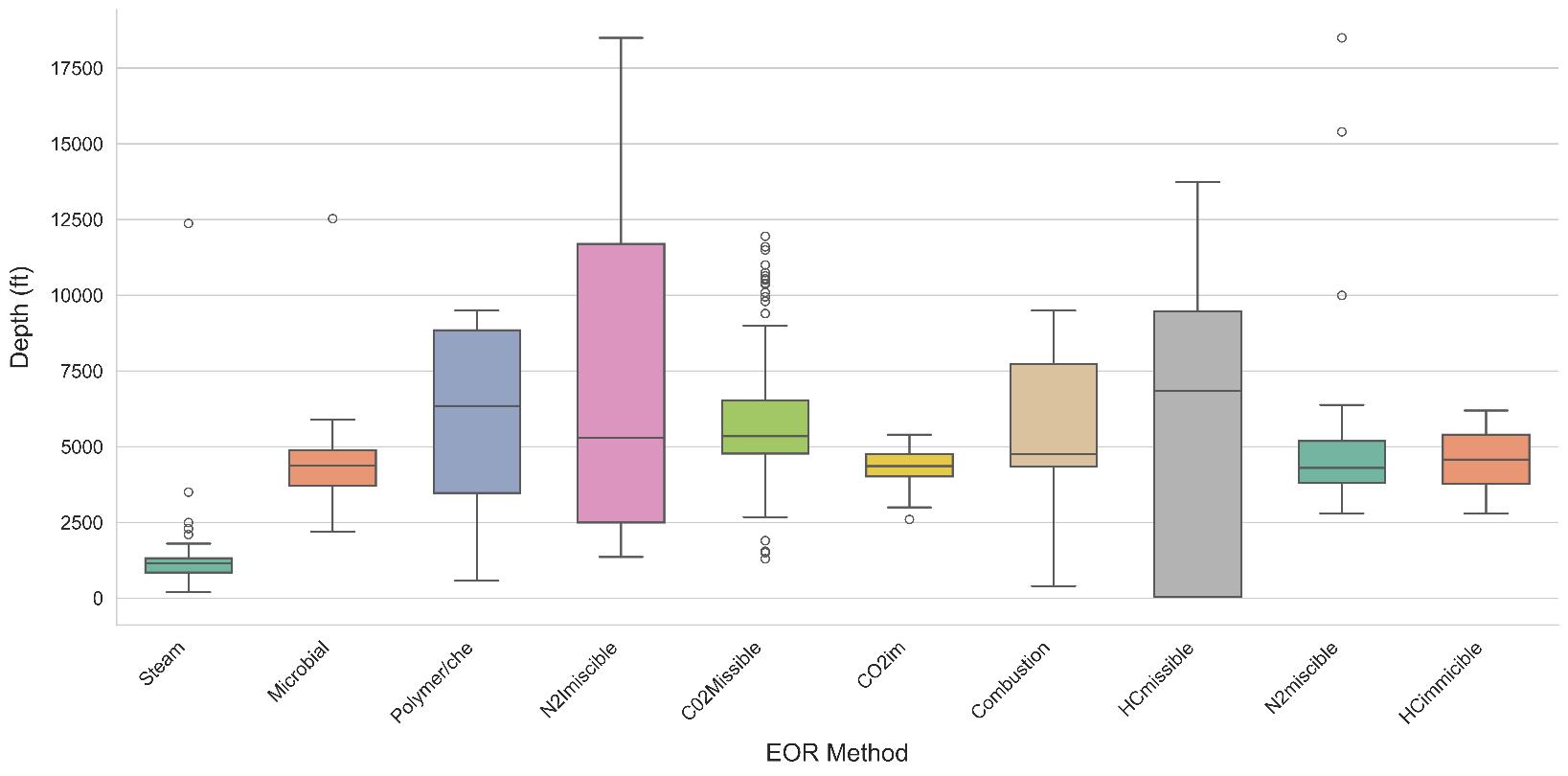
Application of Machine Learning for Effective Screening of Enhanced Oil Recovery Methods
Reservoir Science | Volume 2, Issue 1: 65-80, 2026 | DOI: 10.62762/RS.2025.333184
Abstract
Selecting the most suitable enhanced oil recovery (EOR) technique remains challenging due to severe class imbalance in historical datasets and the limitations of traditional screening criteria. To address data imbalance while preserving domain knowledge, this study proposes a novel machine learning framework that incorporates domain-informed synthetic data generation strictly constrained by established EOR screening criteria. An initial dataset of 583 documented EOR projects was compiled from field reports and public databases. After rigorous cleaning, 575 valid samples were retained and subsequently augmented to 760 balanced instances (class sizes ranging from 60–110 samples per class). T... More >

Graphical Abstract
Application of Machine Learning for Effective Screening of Enhanced Oil Recovery Methods