by
,
,
,
,
,
,
,
,




Journal of Advanced Materials Research | Volume 2, Issue 3: 195-213, 2026 | DOI: 10.62762/JAMR.2026.360343
Abstract
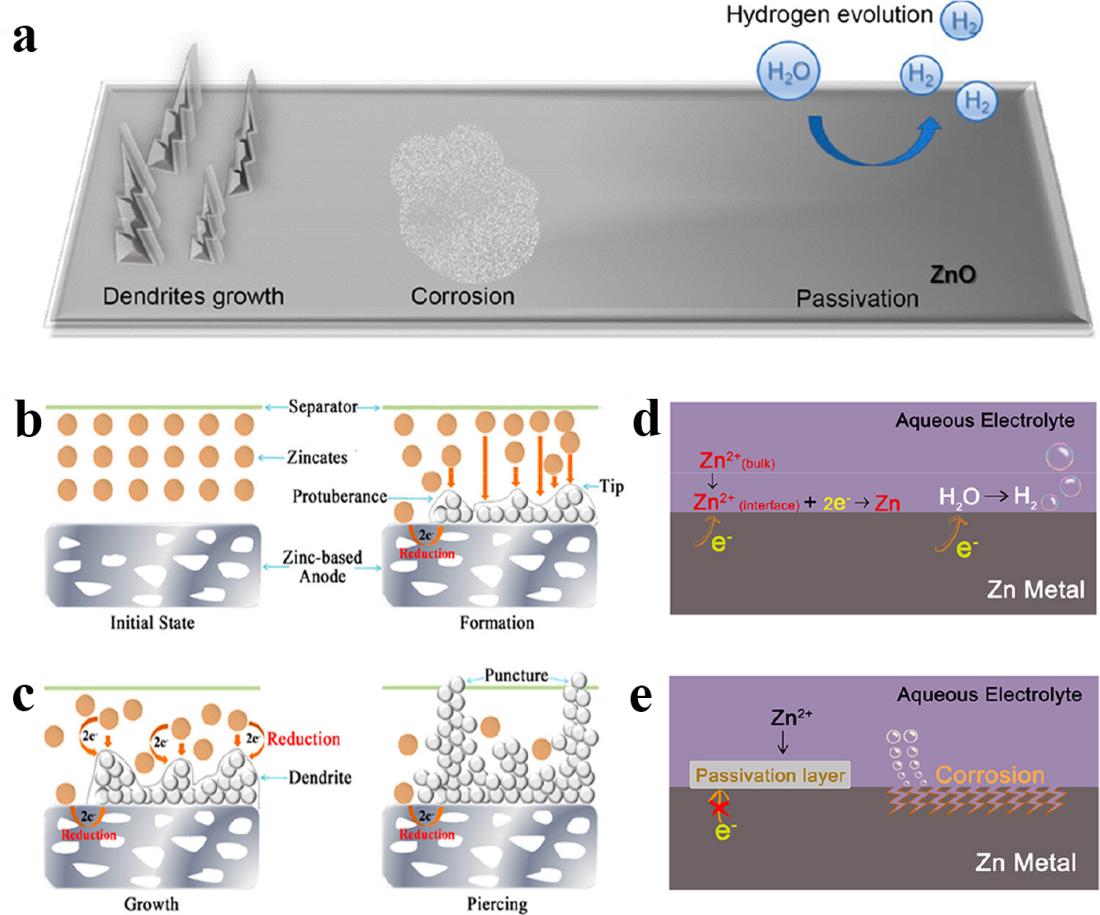
Aqueous zinc-ion batteries (AZIBs) are promising for large-scale energy storage due to their high safety, low cost, and environmental friendliness. However, their practical application is hindered by severe parasitic side reactions and uncontrollable dendrite growth on zinc anodes, leading to rapid performance degradation. Constructing an artificial interphase layer (AIL) on the zinc surface has emerged as an effective strategy to isolate the electrolyte and regulate interfacial electrochemistry. Among various candidates, layered materials (LMs) with two-dimensional structures offer intrinsic advantages-including tunable interlayer channels, mechanical flexibility, and high surface areas—t... More >
Graphical Abstract
 2
,
2
,