Volume 2, Issue 2 (In Progress)


In Progress
Citations: Crossref logo 0,   0   |   Viewed: 1419, Download: 573

Table of Contents

Free Access | Research Article | 29 May 2026
Multicloud Security Assessment: A Benchmark Study of Infrastructure as Code Scanners
ICCK Transactions on Information Security and Cryptography | Volume 2, Issue 2: 109-118, 2026 | DOI: 10.62762/TISC.2026.777114
Abstract
Multicloud environments are becoming more common, often businesses will have workloads across one or more of AWS, Azure and GCP, with each provider slightly differing in security features and capabilities. Furthermore, Infrastructure as Code is increasing in popularity meaning cloud resources are being provisioned as code through automation pipelines as opposed to GUI/Portal deployments. This shift means that security scanning of the resource code is a crucial first step in securing a cloud environment, and the tool(s) being used for this need to be able to perform at a consistent level across all the different cloud providers. Failure to do this could mean the introduction of security vulne... More >

Graphical Abstract
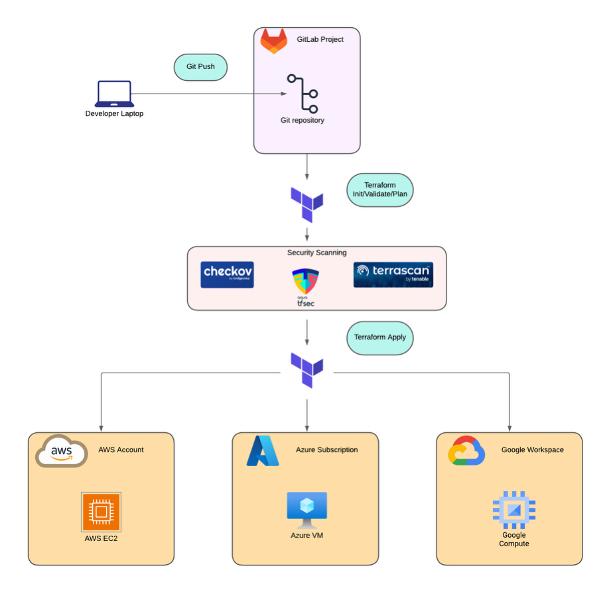
Multicloud Security Assessment: A Benchmark Study of Infrastructure as Code Scanners
Free Access | Research Article | 28 April 2026
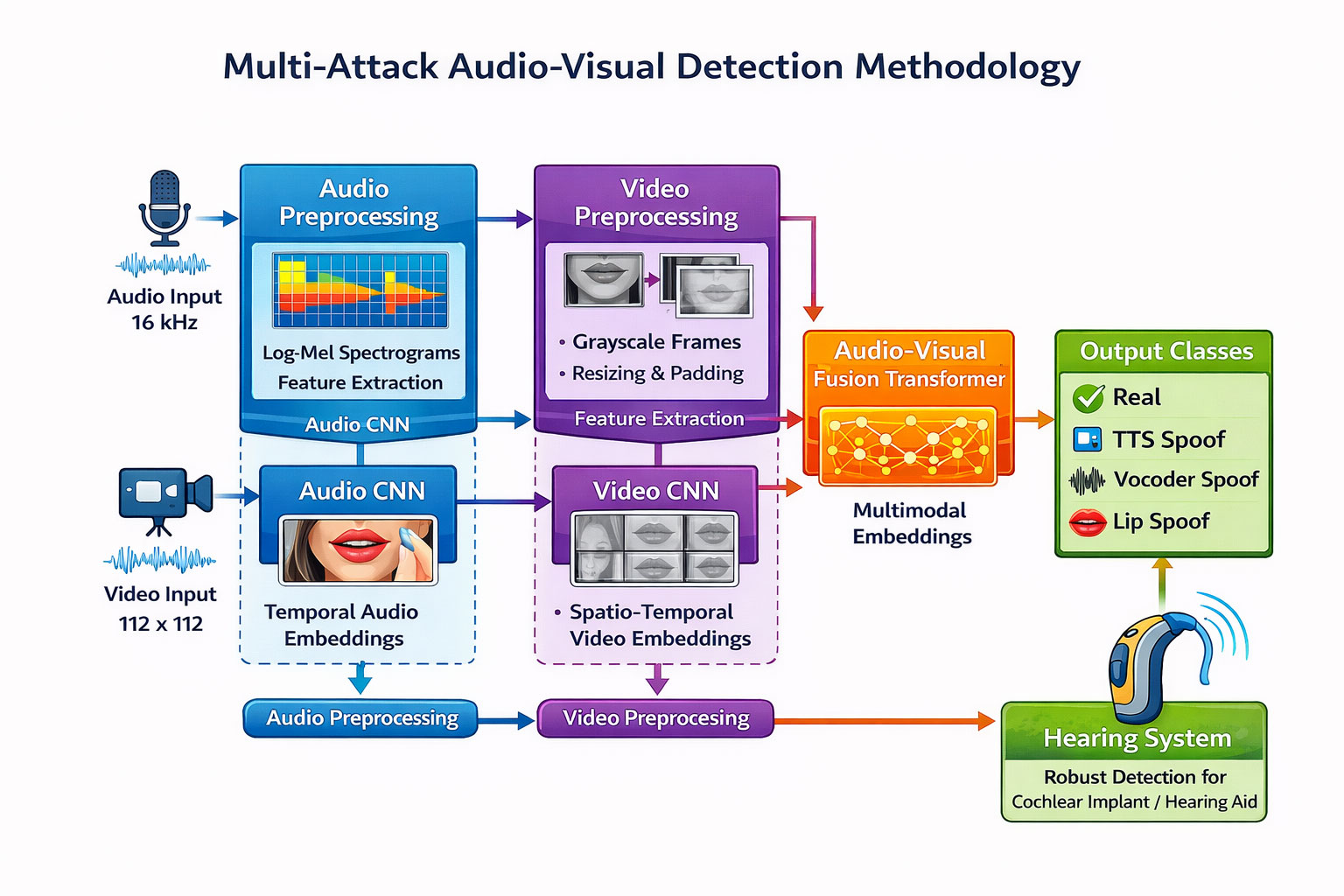
Multi-Attack Audio-Visual Spoof Detection for Secure Hearing-Assistive Systems Using Transformer Fusion
ICCK Transactions on Information Security and Cryptography | Volume 2, Issue 2: 101-108, 2026 | DOI: 10.62762/TISC.2026.221187
Abstract
Audio-visual spoofing attacks have emerged as a serious threat to modern hearing-assistive systems due to rapid advances in text-to-speech synthesis, neural vocoders, and lip-sync deepfake generation. Advanced hearing aids and cochlear implants increasingly incorporate AI-based speech enhancement and multimodal perception modules, which makes them vulnerable to manipulated or synthetic inputs. Traditional spoof detection approaches are often limited to binary classification between bonafide and spoofed speech, failing to capture the diversity of emerging multi-modal attack types.In this paper, we propose a multi-attack audio-visual spoof detection framework designed that explicitly models fo... More >

Graphical Abstract
Multi-Attack Audio-Visual Spoof Detection for Secure Hearing-Assistive Systems Using Transformer Fusion
Free Access | Research Article | 17 April 2026
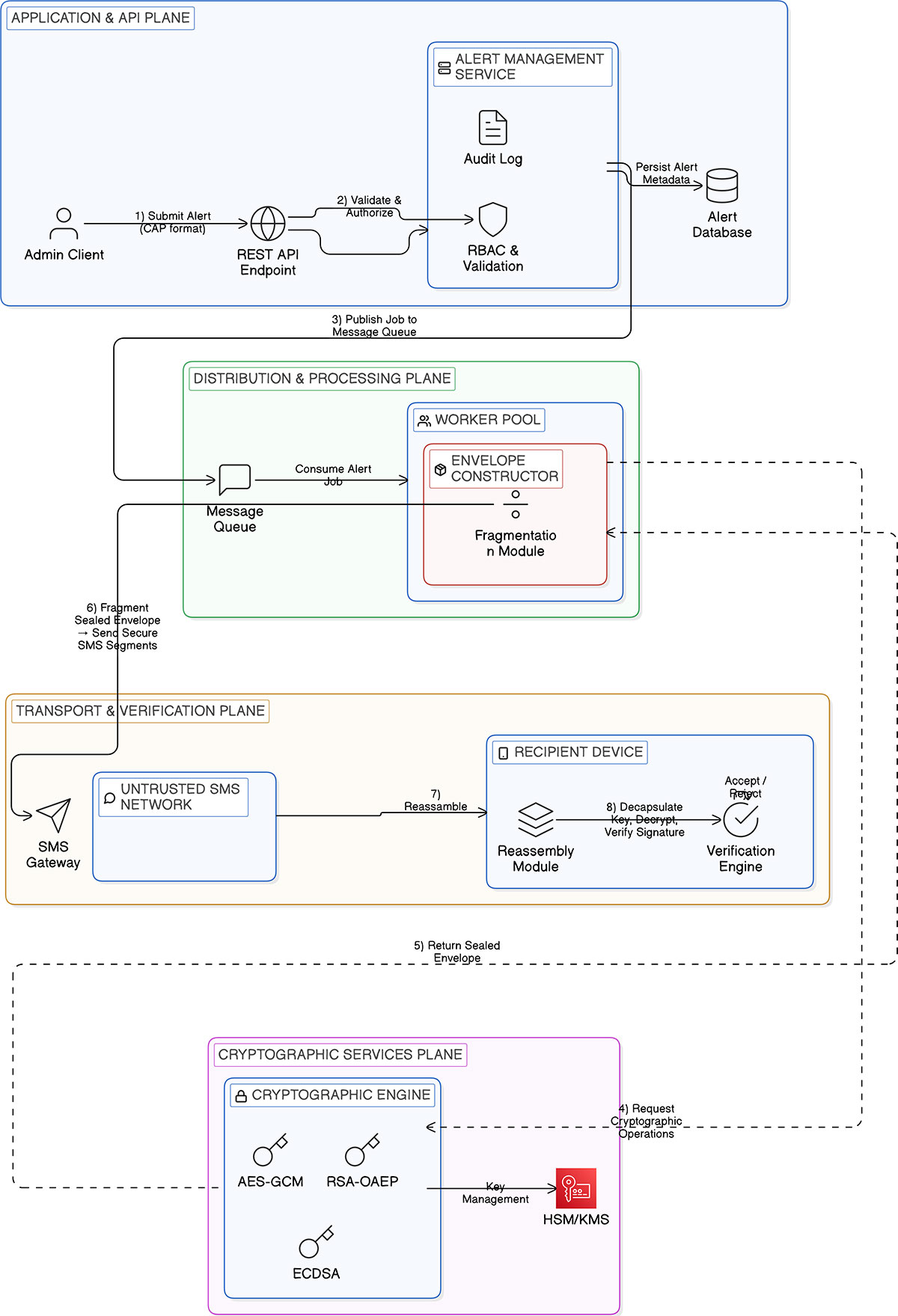
SMS-Based Disaster Alert System with Integrated Cryptographic Security
ICCK Transactions on Information Security and Cryptography | Volume 2, Issue 2: 82-100, 2026 | DOI: 10.62762/TISC.2026.121086
Abstract
Natural disasters are on a rise all over the world, and these have pointed out vulnerabilities in existing Public Warning Systems, which fail during crises when they become choked with information, and it is not very efficient for people using basic mobile technology. The standard Short Message Service is widely accepted and in practice but lacks basic authentication, which makes this service a highly vulnerable target for Denial of Service (DoS) attacks and message spoofing attacks. This research proposes a Disaster Alert System with an advanced Cryptographic Security system over SMS notifications for authenticated and safe transfer of information. The major highlight is a security system c... More >

Graphical Abstract
SMS-Based Disaster Alert System with Integrated Cryptographic Security
Free Access | Research Article | 10 April 2026
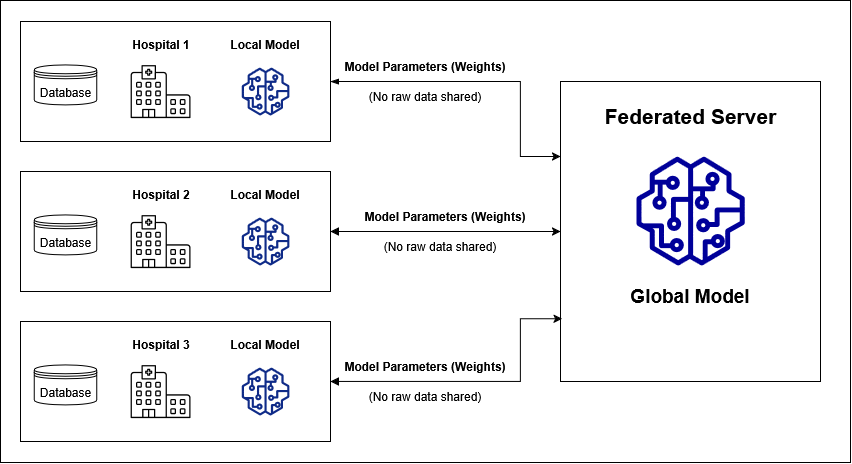
Privacy-Preserving Artificial Intelligence for Diabetes Prediction: A Comparison of Centralised and Federated Learning
ICCK Transactions on Information Security and Cryptography | Volume 2, Issue 2: 73-81, 2026 | DOI: 10.62762/TISC.2025.335076
Abstract
Artificial intelligence (AI) is increasingly used in healthcare to support disease prediction and clinical decision-making. Traditional centralised machine learning approaches often require the aggregation of sensitive patient data into a single repository, which raises substantial privacy, ethical, and regulatory concerns. Federated learning has emerged as a privacy-preserving alternative that enables collaborative model training across distributed data sources without sharing raw patient data. In this study, we investigate whether federated learning can achieve predictive performance comparable to that of centralised machine learning when applied to structured healthcare data. Using the PI... More >

Graphical Abstract
Privacy-Preserving Artificial Intelligence for Diabetes Prediction: A Comparison of Centralised and Federated Learning
Open Access | Editorial | 02 March 2026
Towards a Secure Future: Security Challenges for Deep Learning, AI, and Foundation Models in the Next Decade
ICCK Transactions on Information Security and Cryptography | Volume 2, Issue 2: 70-72, 2026 | DOI: 10.62762/TISC.2025.709595
Abstract
This editorial argues that as deep learning and foundation models permeate high-stakes domains, AI security must evolve into a rigorous, end-to-end discipline—prioritizing adaptive robustness, lifecycle integrity, privacy safeguards, and system-level governance—to ensure these powerful systems remain trustworthy under adversarial pressure. More >