Volume 2, Issue 4 (In Progress)


In Progress
Citations: Crossref logo 1,   0   |   Viewed: 1126, Download: 309

Table of Contents

Open Access | Research Article | 08 August 2026
A Sensitivity-Driven Inversion Framework for Efficient Calibration of 3D Geomechanical Models: Application to a Shale Reservoir
Reservoir Science | Volume 2, Issue 4: 305-323, 2026 | DOI: 10.62762/RS.2026.836628
Abstract
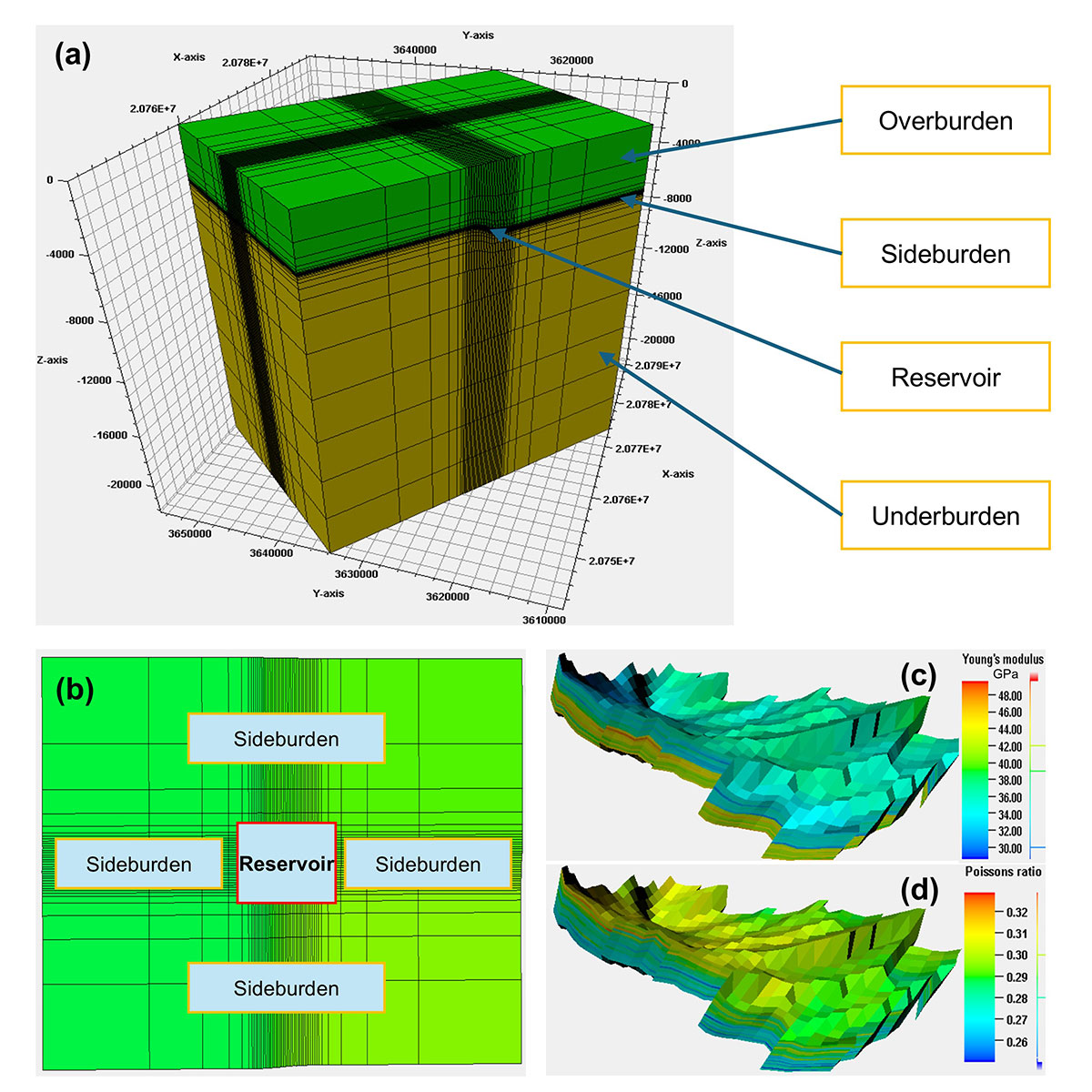
Accurate in-situ stress characterization is essential for hydraulic fracturing design in shale reservoirs, yet 3D geomechanical model calibration still relies on iterative trial-and-error procedures that are computationally intensive and physically opaque. Sensitivity analysis, though widely used to evaluate the influence of elastic parameters, is typically treated as descriptive rather than predictive. This work proposes a sensitivity-driven inversion framework for efficient calibration of horizontal stresses in 3D geomechanical models. Controlled perturbation simulations on a baseline model quantify the responses of maximum and minimum horizontal stresses ($S_H$ and $S_h$) to variations in... More >

Graphical Abstract
A Sensitivity-Driven Inversion Framework for Efficient Calibration of 3D Geomechanical Models: Application to a Shale Reservoir
Open Access | Research Article | 28 July 2026
Supervised Seismic Facies Classification in Ataga Field of Niger Delta Basin using a Thalweg Tracker and Deep Learning Approach
Reservoir Science | Volume 2, Issue 4: 289-304, 2026 | DOI: 10.62762/RS.2026.333274
Abstract
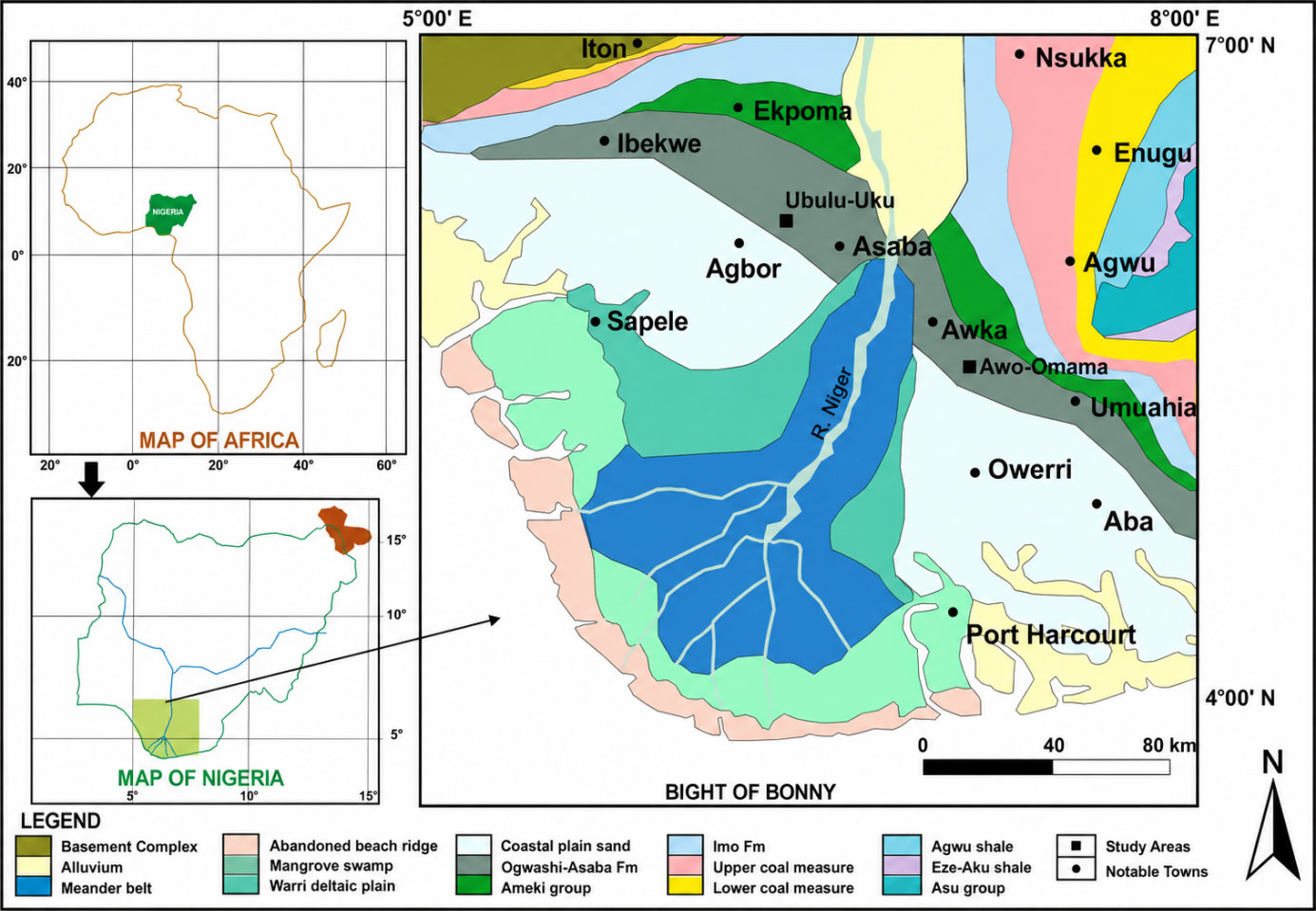
Seismic facies classification remains a critical yet challenging task in subsurface characterization due to the complexity of depositional systems and limitations of manual interpretation. This study presents a supervised deep learning workflow for seismic facies prediction using a dip-steered median filtered (DSMF) seismic volume. Ten facies label sets, representing minima and maxima responses, were derived from unsupervised vector quantization (UVQ) clustering and subsequently refined using Thalweg tracking, with 1,500 samples per class. These labels, together with the DSMF volume, were used to extract 3D cubelets (41×41×3) for training convolutional neural networks (CNNs). Three archite... More >

Graphical Abstract
Supervised Seismic Facies Classification in Ataga Field of Niger Delta Basin using a Thalweg Tracker and Deep Learning Approach
Open Access | Research Article | 20 July 2026 | Cited: Crossref logo  1
Determination of Reserve Parameters of Gulong Shale Oil Reservoir and Its Geological Significance
Reservoir Science | Volume 2, Issue 4: 276-288, 2026 | DOI: 10.62762/RS.2026.864544
Abstract
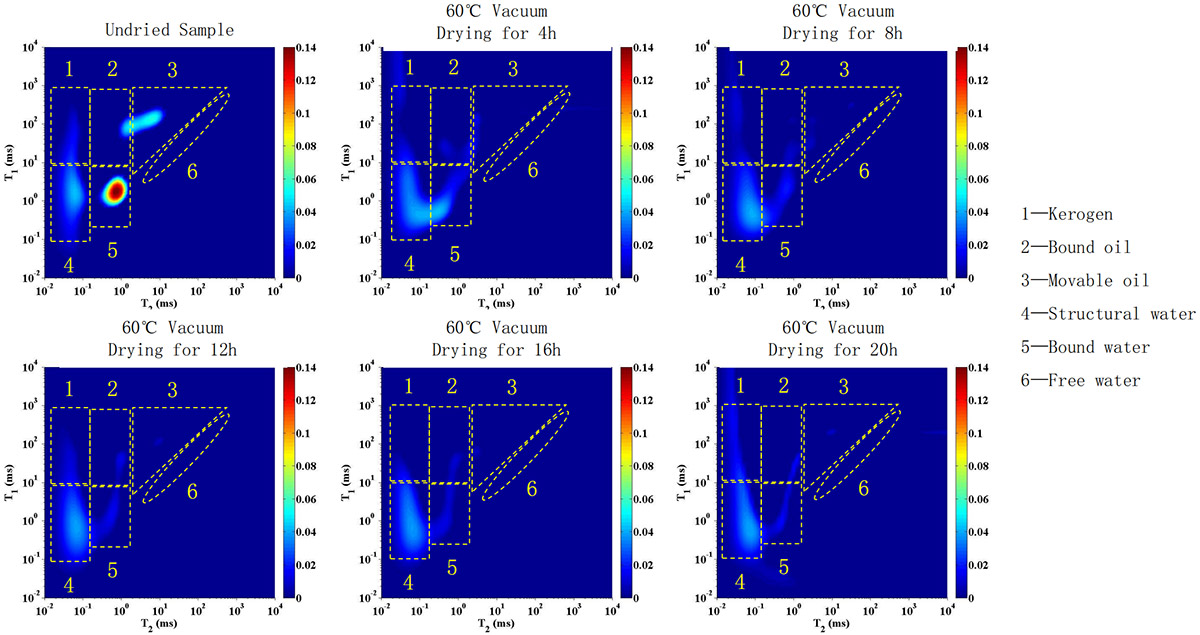
The pore structure of continental shale reservoirs is complex and diverse, exhibiting multi-scale pore size distributions spanning from nanometers to micrometers. In particular, accurate porosity measurement has remained a major challenge in shale reservoir characterization. To achieve accurate porosity determination for continental shale, this study takes the Gulong shale as a case example. Based on the fluid occupancy characteristics of shale pores, the pore space is classified into three types: gas-occupied, water-occupied, and oil-occupied pores. The volumes of these three pore types are measured experimentally via kerosene saturation, ethanol extraction, and solvent washing, respectivel... More >

Graphical Abstract
Determination of Reserve Parameters of Gulong Shale Oil Reservoir and Its Geological Significance
Open Access | Editorial | 10 July 2026
Reservoir Science: One Year On – Achievements, Challenges, and Future Prospects
Reservoir Science | Volume 2, Issue 4: 272-275, 2026 | DOI: 10.62762/RS.2026.108142
Abstract
Since its launch in 2025, Reservoir Science (RS) has completed its first year of development. This editorial reviews the journal’s progress over the past year, analyzes current challenges, and outlines future strategic directions. In the past year, RS has published 18 high-quality papers contributed by 63 authors from 7 countries and regions (as of May 30, 2026). The journal has been indexed in CAS. Adopting an Open Access model (CC BY), RS has established an international editorial board and published research covering reservoir exploration, characterization, CCUS, geothermal energy, underground hydrogen storage, reservoir materials science, environmental science, and artificial intellige... More >