Volume 2, Issue 1


Former Publisher’s Prefix and Title: IECE Transactions on Intelligent Systematics

Volume 2, Issue 1 (March, 2025) – 6 articles
Citations: Crossref logo 41,   40   |   Viewed: 23073, Download: 5948

Table of Contents

Free Access | Review Article | 16 January 2025 | Cited: Crossref logo  7 , Scopus 10
A Comprehensive Survey on UAV-based Data Gathering Techniques in Wireless Sensor Networks
ICCK Transactions on Intelligent Systematics | Volume 2, Issue 1: 66-75, 2025 | DOI: 10.62762/TIS.2025.790920
Abstract
In the recent era of communication, wireless sensor networks (WSNs) emerged as a demanding area of study due to their communication capacity especially in the application of Internet of things (IoT). As the scale and coverage of networks expand quickly, it becomes necessary to sense, transmit, and interpret the massive amount of data in IoT devices. WSN becomes even more beneficial and popular among the researchers when it integrates with unmanned aerial vehicles (UAVs) to increase the life span and establish a reliable communication between itself and Network Control Centre in an efficient way. Memory problems and network data transmission processing times are also addressed by this integra... More >

Graphical Abstract
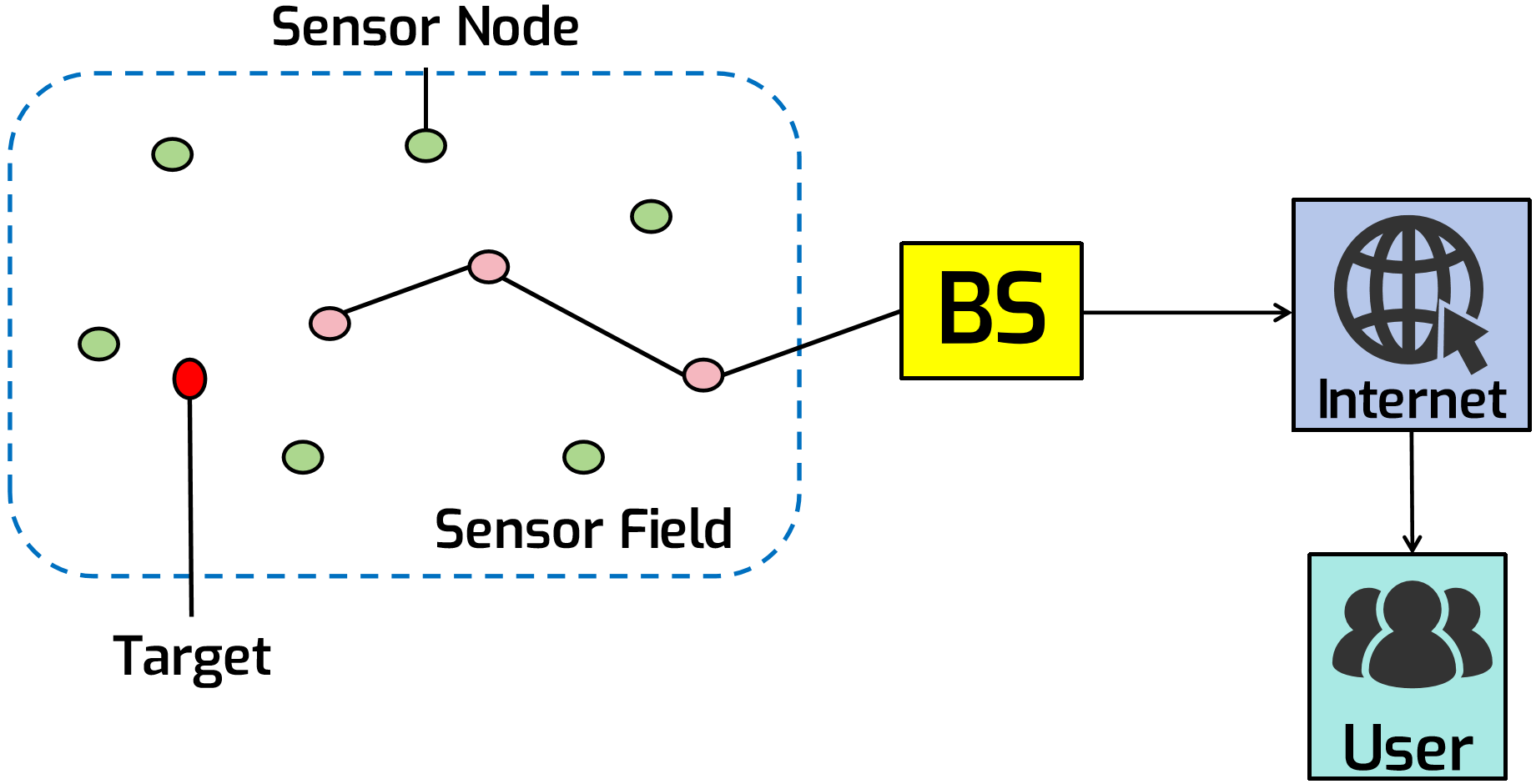
A Comprehensive Survey on UAV-based Data Gathering Techniques in Wireless Sensor Networks
Free Access | Review Article | 04 January 2025 | Cited: Crossref logo  4 , Scopus 6
Futuristic Metaverse: Security and Counter Measures
ICCK Transactions on Intelligent Systematics | Volume 2, Issue 1: 49-65, 2025 | DOI: 10.62762/TIS.2024.194631
Abstract
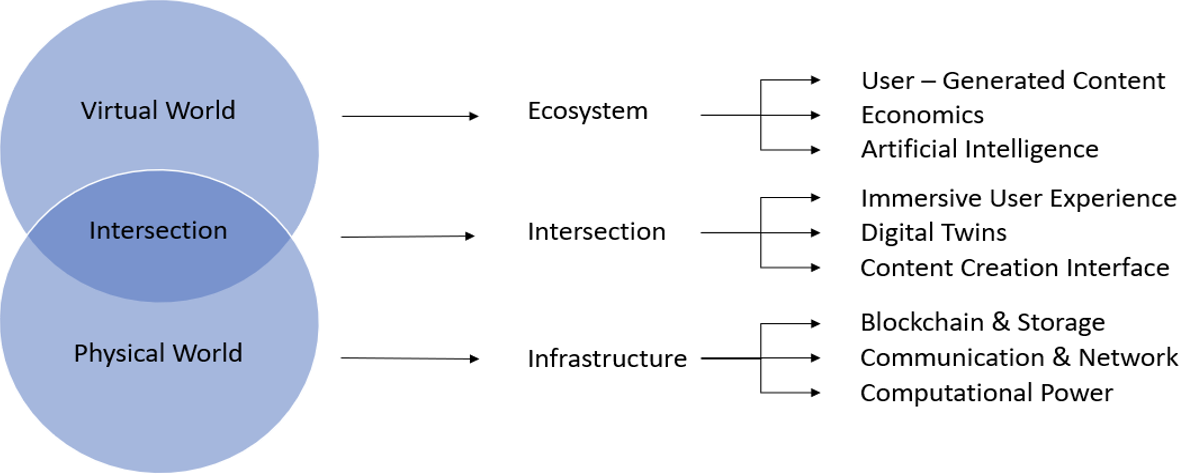
This paper presents a comprehensive analysis of the security and privacy challenges in the Metaverse, introducing a novel framework for evaluating and addressing these emerging threats. Our research makes three key contributions: (1) a systematic classification of Metaverse-specific security vulnerabilities across interconnected virtual and physical environments, (2) a framework for assessing privacy risks in AR/VR-enabled social interactions, and (3) targeted solutions for securing blockchain-based digital assets and identity management in the Metaverse. Our analysis highlights how traditional cybersecurity approaches must evolve to address the unique challenges posed by the fusion of physi... More >

Graphical Abstract
Futuristic Metaverse: Security and Counter Measures
Free Access | Review Article | 04 January 2025 | Cited: Crossref logo  3 , Scopus 2
A Machine Learning-Based Scientometric Evaluation for Fake News Detection
ICCK Transactions on Intelligent Systematics | Volume 2, Issue 1: 38-48, 2025 | DOI: 10.62762/TIS.2024.564569
Abstract
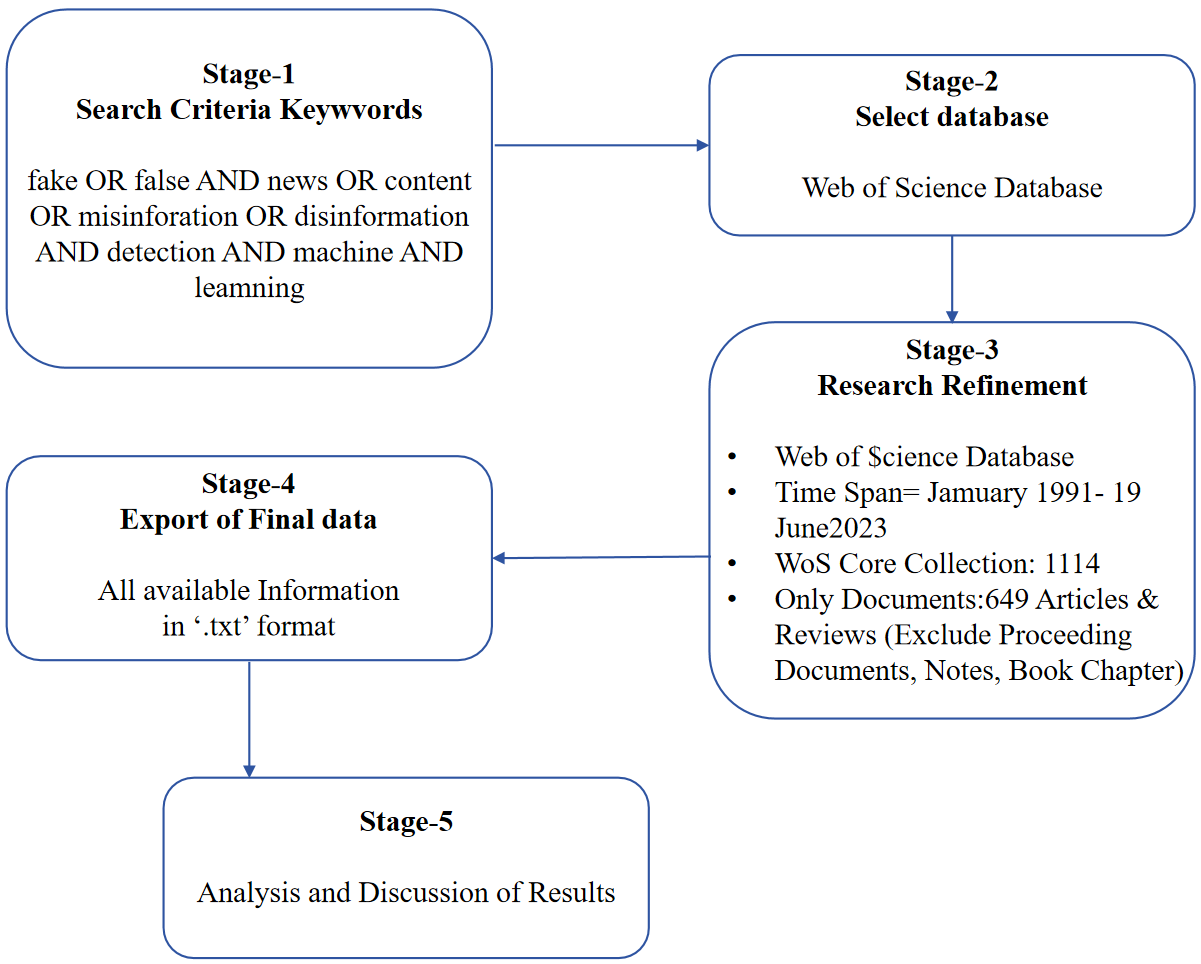
Fake news detection has emerged as a critical challenge in the modern information ecosystem, where the rapid proliferation of misinformation threatens democratic processes, public health, and societal stability. Machine learning (ML)-based approaches have demonstrated significant promise in automatically identifying and classifying misleading information across diverse platforms. This study presents a comprehensive scientometric and systematic review of ML-based fake news detection research, drawing on 649 peer-reviewed articles indexed in the Web of Science database (1991--2023). Using bibliometric tools including R-Bibliometrix and VOSviewer, we systematically evaluate publication trends,... More >

Graphical Abstract
A Machine Learning-Based Scientometric Evaluation for Fake News Detection
Free Access | Research Article | 31 December 2024 | Cited: Crossref logo  2 , Scopus 3
Feature Fusion for Performance Enhancement of Text Independent Speaker Identification
ICCK Transactions on Intelligent Systematics | Volume 2, Issue 1: 27-37, 2025 | DOI: 10.62762/TIS.2024.649374
Abstract
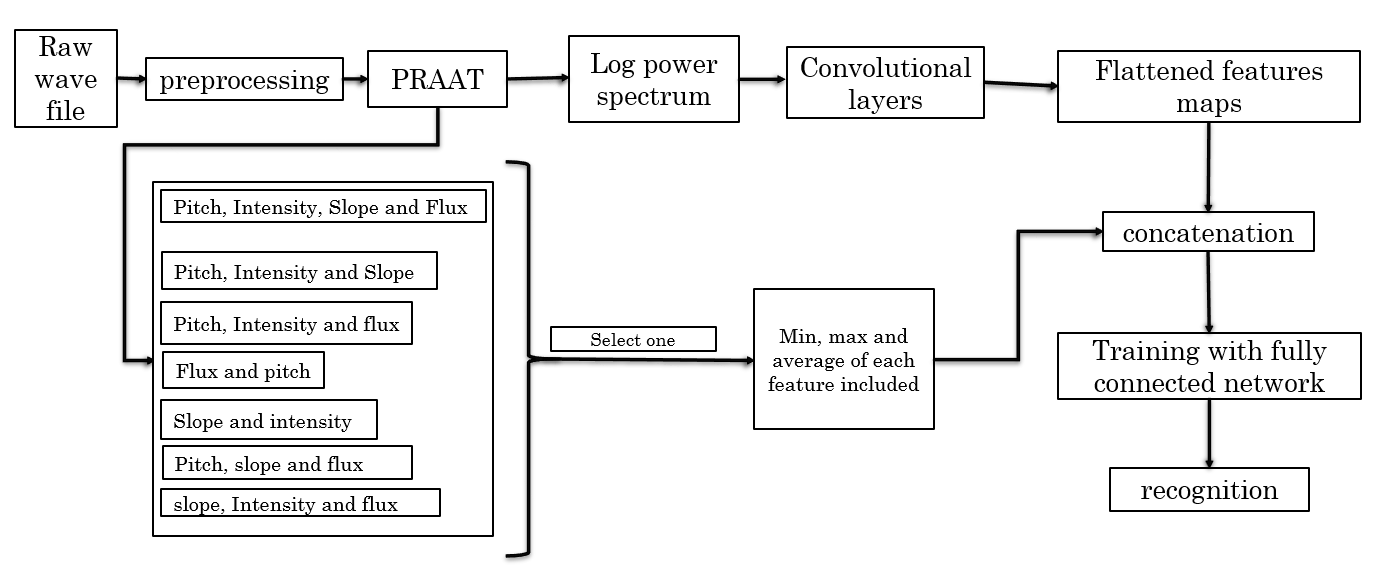
Speaker identification systems have gained significant attention due to their potential applications in security and personalized systems. This study evaluates the performance of various time- and frequency-domain physical features for text-independent speaker identification. Four key features—pitch (P), intensity (I), spectral flux (SF), and spectral slope (SS)—were examined along with their statistical variations (minimum, maximum, and average values). These features were fused with log power spectral features and trained using a Convolutional Neural Network (CNN). The goal was to identify the most effective feature combinations for improving speaker identification accuracy. The experi... More >

Graphical Abstract
Feature Fusion for Performance Enhancement of Text Independent Speaker Identification
Free Access | Research Article | 27 December 2024 | Cited: Crossref logo  14 , Scopus 10
Advancing Robotic Automation with Custom Sequential Deep CNN-Based Indoor Scene Recognition
ICCK Transactions on Intelligent Systematics | Volume 2, Issue 1: 14-26, 2025 | DOI: 10.62762/TIS.2025.613103
Abstract
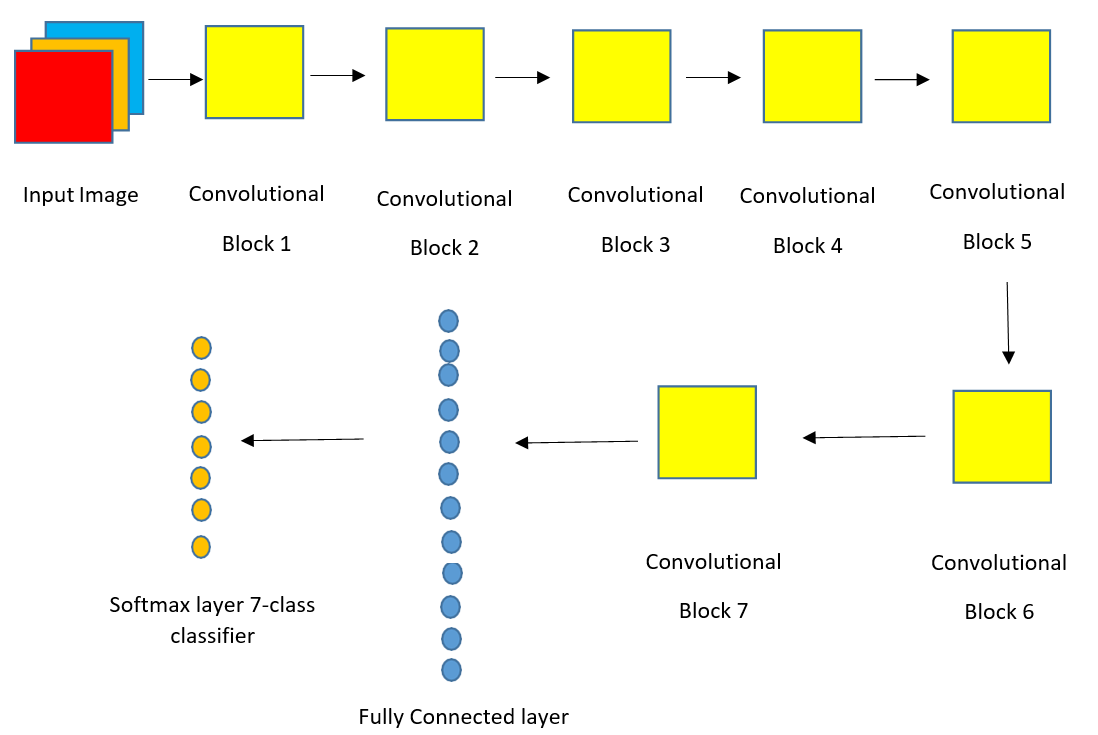
Indoor scene recognition poses considerable hurdles, especially in cluttered and visually analogous settings. Although several current recognition systems perform well in outside settings, there is a distinct necessity for enhanced precision in inside scene detection, particularly for robotics and automation applications. This research presents a revolutionary deep Convolutional Neural Network (CNN) model tailored with bespoke parameters to improve indoor image comprehension. Our proprietary dataset consists of seven unique interior scene types, and our deep CNN model is trained to attain excellent accuracy in classification tasks. The model exhibited exceptional performance, achieving a tra... More >

Graphical Abstract

Advancing Robotic Automation with Custom Sequential Deep CNN-Based Indoor Scene Recognition
Free Access | Research Article | 22 December 2024 | Cited: Crossref logo  11 , Scopus 9
Electronic Health Records-Based Data-Driven Diabetes Knowledge Unveiling and Risk Prognosis
ICCK Transactions on Intelligent Systematics | Volume 2, Issue 1: 1-13, 2025 | DOI: 10.62762/TIS.2025.367320
Abstract
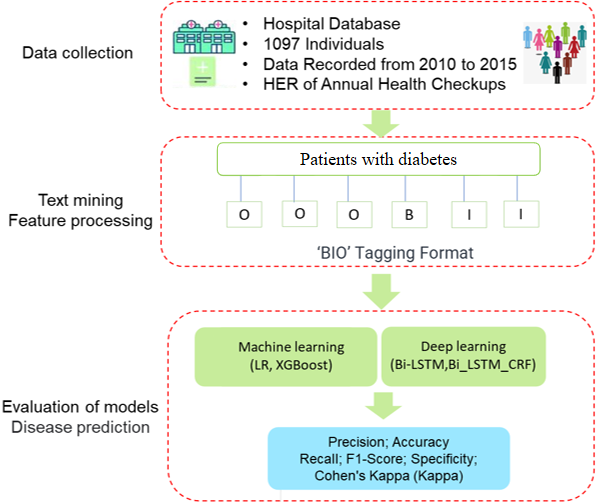
In the healthcare sector, the application of deep learning technologies has revolutionized data analysis and disease forecasting. This is particularly evident in diabetes research, where in-depth analysis of Electronic Health Records (EHR) has unlocked new opportunities for early detection and effective intervention strategies. Our research presents an innovative model that synergizes the capabilities of Bidirectional Long Short-Term Memory Networks-Conditional Random Field (BiLSTM-CRF) with a fusion of XGBoost and Logistic Regression. This model is designed to enhance the accuracy of diabetes risk prediction by conducting an in-depth analysis of electronic medical records data. The first p... More >

Graphical Abstract

Electronic Health Records-Based Data-Driven Diabetes Knowledge Unveiling and Risk Prognosis