





ICCK Transactions on Intelligent Systematics

Publishing Model:
ISSN:
ISSN: 3068-5079 (online) | 3069-003X (print)
Indexing: Google Scholar, Dimensions, Lens, ResearchGate, OpenAlex, WorldCat
ICCK Transactions on Intelligent Systematics is a peer-reviewed international academic journal reflecting the achievements of cutting-edge research and application of intelligent systems, mainly publishing academic papers in the fields of intelligent control systems.
DOI Prefix: 10.62762/TIS

Journal Metrics

-
Impact Factor
-
CiteScore

Recent Articles

Open Access | Research Article | 29 January 2026
Enhanced Air Pollution Prediction via Adam-Optimized Multi-Head Attention and Hybrid Deep Learning
ICCK Transactions on Intelligent Systematics | Volume 3, Issue 1: 11-20, 2026 | DOI: 10.62762/TIS.2025.951370
Abstract
To address the challenge of traditional models in simultaneously capturing local fluctuations and global trends for air pollutant concentration prediction, this paper proposes a multimodal deep learning model named MLP-BiLSTM- MHAT. The model integrates static features via MLP, extracts temporal dependencies through bidirectional LSTM (BiLSTM), and employs a Multi-head Attention mechanism (MHAT) to fuse local and global features while enhancing interactions between static and temporal characteristics. An improved Adam algorithm dynamically optimizes learning rates to balance the influence of heterogenous features. Validated on multi-site air quality data from Beijing, experimental results de... More >

Graphical Abstract
Enhanced Air Pollution Prediction via Adam-Optimized Multi-Head Attention and Hybrid Deep Learning
Free Access | Research Article | 26 November 2025
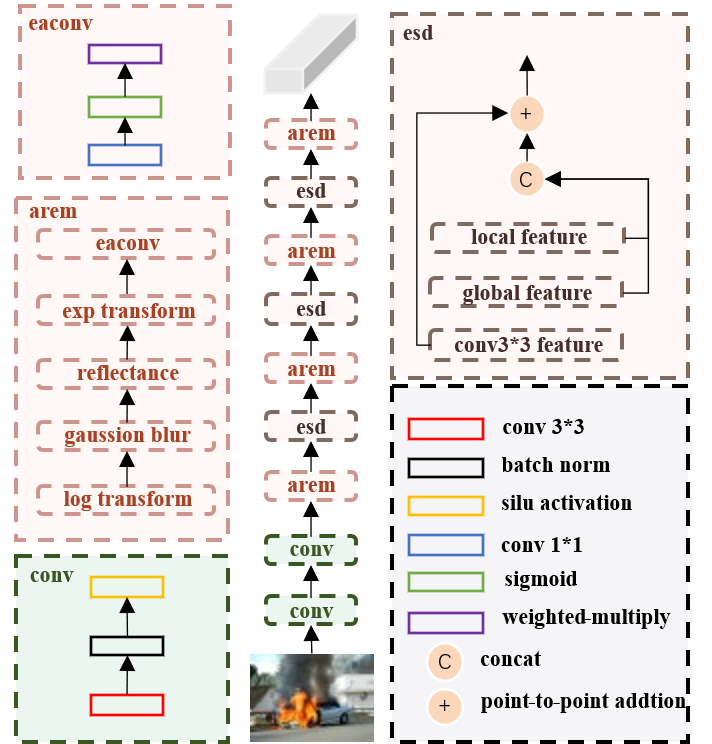
Dual Attention-Driven Optimized YOLOV5 Framework for Accurate Fall Detection in Visual Monitoring Systems
ICCK Transactions on Intelligent Systematics | Volume 3, Issue 1: 1-10, 2026 | DOI: 10.62762/TIS.2025.559776
Abstract
Fall detection (FD) systems are an important part of healthcare monitoring, especially for elderly populations, where quick intervention can prevent serious injuries. This paper introduces an optimized YOLOV5-based framework that combines dual attention mechanisms for improved FD in real-time edge deployment situations. The proposed design integrates the Convolutional Block Attention Module (CBAM) and Squeeze-and-Excitation (SE) blocks within the YOLOv5 backbone, along with an improved Focus module that uses slice-based feature extraction. These enhancements allow the model to effectively capture both spatial and channel-wise dependencies, which are essential for distinguishing fall events f... More >

Graphical Abstract
Dual Attention-Driven Optimized YOLOV5 Framework for Accurate Fall Detection in Visual Monitoring Systems
Free Access | Research Article | 24 November 2025
Enhanced Deepfake Detection Through Multi-Attention Mechanisms: A Comprehensive Framework for Synthetic Media Identification
ICCK Transactions on Intelligent Systematics | Volume 2, Issue 4: 248-258, 2025 | DOI: 10.62762/TIS.2025.756872
Abstract
The proliferation of deepfake technology poses significant threats to digital media authenticity, necessitating robust detection systems to combat manipulated content. This paper presents a novel attention-based framework for deepfake detection that systematically integrates multiple complementary attention mechanisms to enhance discriminative feature learning. Our approach combines spatial attention, multi-head self-attention, and channel attention modules with a VGG-16 backbone to capture comprehensive representations across different feature spaces. The spatial attention mechanism focuses on discriminative facial regions, while multi-head self-attention captures long-range spatial depende... More >

Graphical Abstract
Enhanced Deepfake Detection Through Multi-Attention Mechanisms: A Comprehensive Framework for Synthetic Media Identification
Free Access | Research Article | 08 November 2025
Cucumber Leaf Diseases Recognition Based on Deep Convolutional Neural Networks
ICCK Transactions on Intelligent Systematics | Volume 2, Issue 4: 238-247, 2025 | DOI: 10.62762/TIS.2025.363963
Abstract
Cucumber cultivation is a vital component of Pakistan's agricultural economy and is a key vegetable in the national diet. However, crop yield and quality are severely threatened by diseases like powdery mildew and downy mildew. Early and accurate disease detection is critical for implementing targeted treatment and preventing widespread infection. This study proposes a deep learning-based framework for the automated recognition of cucumber leaf diseases. We designed and trained a custom Convolutional Neural Network (CNN) from scratch and compared its performance against powerful pre-trained transfer learning models, including VGG16 and InceptionV3. The models were evaluated on a dataset of c... More >

Graphical Abstract
Cucumber Leaf Diseases Recognition Based on Deep Convolutional Neural Networks
Free Access | Research Article | 06 November 2025
Lightweight Cascaded Feature Reweighting for Fall Detection through Context-Aware YOLOv8 Architecture
ICCK Transactions on Intelligent Systematics | Volume 2, Issue 4: 224-237, 2025 | DOI: 10.62762/TIS.2025.196437
Abstract
Falls represent a significant global health concern, particularly among older adults, with delayed detection often leading to severe medical complications. Although computer vision-based fall detection systems offer promising solutions, they usually struggle with diverse real-world scenarios and computational efficiency. This paper introduces a novel lightweight cascaded feature reweighting approach that enhances YOLOv8 for reliable fall detection through a context-aware architecture. We strategically integrate three complementary attention mechanisms: Squeeze-and-Excitation blocks in the early stages, Spatial Attention modules in the later stages, and Efficient Channel Attention in the neck... More >

Graphical Abstract
Lightweight Cascaded Feature Reweighting for Fall Detection through Context-Aware YOLOv8 Architecture
Free Access | Research Article | 05 November 2025
Comparative Evaluation of Nearest Regularized Subspace and Machine Learning Techniques for Hyperspectral Image Classification
ICCK Transactions on Intelligent Systematics | Volume 2, Issue 4: 213-223, 2025 | DOI: 10.62762/TIS.2025.224024
Abstract
Hyperspectral imaging (HSI) has become a powerful remote sensing and material analysis tool because it can capture detailed spectral information in hundreds of adjacent bands. Nevertheless, the high dimensionality and redundancy in HSI data make precise and efficient classification challenging. This paper presents an extensive comparative study of both traditional and state-of-the-art Machine Learning algorithms for HSI classification. Classical classifiers like Support Vector Machines (SVM) and K-Nearest Neighbors (KNN) are compared with state-of-the-art methods like Collaborative and Sparse Representation-based approaches, Convolutional Recurrent Neural Networks (CRNN), Classification and... More >

Graphical Abstract
Comparative Evaluation of Nearest Regularized Subspace and Machine Learning Techniques for Hyperspectral Image Classification
Free Access | Research Article | 04 October 2025
Cross-Lingual Multimodal Event Extraction: A Unified Framework for Parameter-Efficient Fine-Tuning
ICCK Transactions on Intelligent Systematics | Volume 2, Issue 4: 203-212, 2025 | DOI: 10.62762/TIS.2025.610574
Abstract
With the rapid development of multimodal large language models (MLLMs), the demand for structured event extraction (EE) in the field of scientific and technological intelligence is increasing. However, significant challenges remain in zero-shot multimodal and cross-language scenarios, including inconsistent cross-language outputs and the high computational cost of full-parameter fine-tuning. This study takes VideoLLaMA2 (VL2) and its improved version VL2.1 as the core models, and builds a multimodal annotated dataset covering English, Chinese, Spanish, and Russian (including 5,728 EE samples). It systematically evaluates the performance differences of zero-shot learning, and parameter-effici... More >

Graphical Abstract
Cross-Lingual Multimodal Event Extraction: A Unified Framework for Parameter-Efficient Fine-Tuning
Free Access | Research Article | 25 August 2025 | Cited: 1 , Scopus 1
DT-NeRF: A Diffusion and Transformer-Based Optimization Approach for Neural Radiance Fields in 3D Reconstruction
ICCK Transactions on Intelligent Systematics | Volume 2, Issue 3: 190-202, 2025 | DOI: 10.62762/TIS.2025.874668
Abstract
This paper proposes a Diffusion Model-Optimized Neural Radiance Field (DT-NeRF) method, aimed at enhancing detail recovery and multi-view consistency in 3D scene reconstruction. By combining diffusion models with Transformers, DT-NeRF effectively restores details under sparse viewpoints and maintains high accuracy in complex geometric scenes. Experimental results demonstrate that DT-NeRF significantly outperforms traditional NeRF and other state-of-the-art methods on the Matterport3D and ShapeNet datasets, particularly in metrics such as PSNR, SSIM, Chamfer Distance, and Fidelity. Ablation experiments further confirm the critical role of the diffusion and Transformer modules in the model's p... More >

Graphical Abstract
DT-NeRF: A Diffusion and Transformer-Based Optimization Approach for Neural Radiance Fields in 3D Reconstruction
Free Access | Review Article | 17 August 2025 | Cited: 1 , Scopus 1
Artificial Intelligence in Chronic Pelvic Inflammatory Disease Management: A Comprehensive Review of Integrated Diagnostic Frameworks and Adaptive Therapeutic Systems
ICCK Transactions on Intelligent Systematics | Volume 2, Issue 3: 169-189, 2025 | DOI: 10.62762/TIS.2025.511235
Abstract
Chronic Pelvic Inflammatory Disease (CPID) poses significant challenges to women's health, necessitating advanced management strategies. This paper provides a comprehensive review of artificial intelligence (AI)-based health management techniques for PID, focusing on their potential to enhance diagnosis, treatment personalization, and long-term monitoring. By synthesizing Bayesian probabilistic frameworks with ensemble Machine Learning architectures, we systematically evaluate AI-driven solutions for PID pathophysiology analysis, therapeutic efficacy prediction, and patient-specific intervention planning. These approaches collectively enhance diagnostic precision while addressing key challen... More >

Graphical Abstract
Artificial Intelligence in Chronic Pelvic Inflammatory Disease Management: A Comprehensive Review of Integrated Diagnostic Frameworks and Adaptive Therapeutic Systems
Free Access | Research Article | 27 July 2025
Capturing Poetic Essence: Text Summarization and Visual Generation via Multimodal
ICCK Transactions on Intelligent Systematics | Volume 2, Issue 3: 160-168, 2025 | DOI: 10.62762/TIS.2025.405393
Abstract
Poetry, as a profound and creative form of human expression, presents unique challenges in interpretation and summarization due to its reliance on figurative language, symbolism, and deeper meanings. Building upon the PoemSum dataset, which introduced the task of poem summarization, we extend its scope by exploring multimodal applications. Specifically, we implement and fine-tune two state-of-the-art abstractive summarization models—BART and T5—to generate concise and meaningful interpretations of poems, focusing on figurative summarization that captures metaphorical and symbolic elements inherent in poetic language. These summaries are then transformed into visual representations using... More >

Graphical Abstract
Capturing Poetic Essence: Text Summarization and Visual Generation via Multimodal
Free Access | Research Article | 11 July 2025 | Cited: 4 , Scopus 4
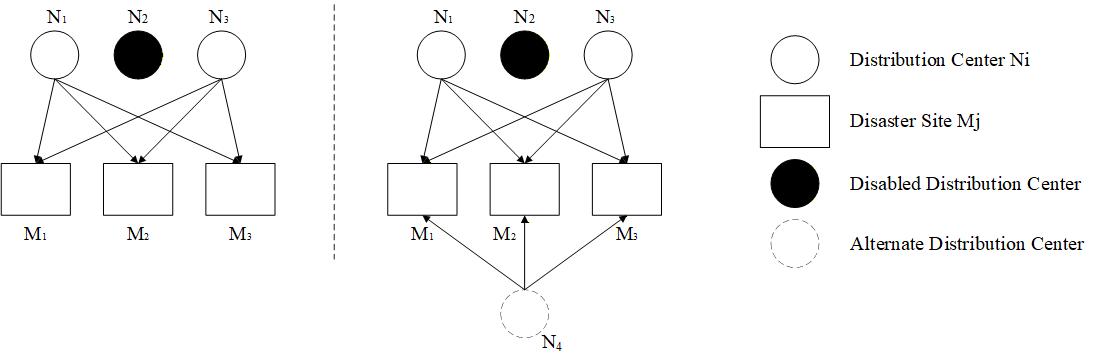
Multi-UAV Cooperative Task Allocation Based on Multi-strategy Clustering Ant Colony Optimization Algorithm
ICCK Transactions on Intelligent Systematics | Volume 2, Issue 3: 149-159, 2025 | DOI: 10.62762/TIS.2025.409447
Abstract
To address the issues of low solving efficiency and susceptibility to local optima in multi-unmanned aerial vehicle (multi-UAV) task allocation algorithms within urban areas, this study constructs a task allocation model aiming to minimize economic costs for material delivery and reduce the urgency of rescue task demands. A multi-strategy clustering ant colony optimization algorithm (KMACO) is proposed for solution. Specifically, the K-means clustering method is utilized to partition the number of rescue tasks assigned to each UAV. In the ant colony optimization algorithm, a pheromone update strategy and a random evolution strategy are introduced to guide population search directions, thereb... More >

Graphical Abstract
Multi-UAV Cooperative Task Allocation Based on Multi-strategy Clustering Ant Colony Optimization Algorithm
Free Access | Research Article | 09 July 2025 | Cited: 1 , Scopus 1
Topic Mining and Sentiment Analysis for Consumer Reviews of Automotive Spare Parts on E-commerce Platforms
ICCK Transactions on Intelligent Systematics | Volume 2, Issue 3: 137-148, 2025 | DOI: 10.62762/TIS.2025.106283
Abstract
This paper explores factors influencing consumer satisfaction in automotive spare parts e-commerce through text mining and sentiment analysis of Taobao reviews. By applying TF-IDF (Term Frequency-Inverse Document Frequency), semantic network analysis, and LDA (Latent Dirichlet Allocation) topic modeling, four core themes are identified: Logistics, Quality, Price, and Customer Service. A domain-specific sentiment lexicon constructed via the SO-PMI method reveals that positive reviews predominantly emphasize product reliability and logistics efficiency, while negative feedback focuses on installation complexity and inconsistent specifications. Based on these findings, targeted recommendations... More >

Graphical Abstract
Topic Mining and Sentiment Analysis for Consumer Reviews of Automotive Spare Parts on E-commerce Platforms
Free Access | Research Article | 25 June 2025 | Cited: 2 , Scopus 2
ColoSegNet: Visual Intelligence Driven Triple Attention Feature Fusion Network for Endoscopic Colorectal Cancer Segmentation
ICCK Transactions on Intelligent Systematics | Volume 2, Issue 2: 125-136, 2025 | DOI: 10.62762/TIS.2025.385365
Abstract
Accurate segmentation of colorectal cancer (CRC) from endoscopic images is crucial for computer-aided diagnosis. Visual intelligence enhances detection precision, supporting clinical decision-making. However, current segmentation methods often struggle with accurately delineating fine-grained lesion boundaries due to limited context comprehension and inadequate attention to optimal features. Additionally, the poor fusion of multi-scale semantic cues hinders performance, especially in complex endoscopic scenarios. To address these issues, we introduce ColoSegNet, a Visual Intelligence-Driven Triple Attention Feature Fusion Network designed for high-precision CRC segmentation. Our approach beg... More >

Graphical Abstract
ColoSegNet: Visual Intelligence Driven Triple Attention Feature Fusion Network for Endoscopic Colorectal Cancer Segmentation
Free Access | Research Article | 19 June 2025 | Cited: 6 , Scopus 6
MamNet: A Novel Hybrid Model for Time-Series Forecasting and Frequency Pattern Analysis in Network Traffic
ICCK Transactions on Intelligent Systematics | Volume 2, Issue 2: 109-124, 2025 | DOI: 10.62762/TIS.2025.347925
Abstract
The abnormal fluctuations in network traffic may indicate potential security threats or system failures. Therefore, efficient network traffic prediction and anomaly detection methods are crucial for network security and traffic management. This paper proposes a novel network traffic prediction and anomaly detection model, MamNet, which integrates time-domain modeling and frequency-domain feature extraction. The model first captures the long-term dependencies of network traffic through the Mamba module (time-domain modeling), and then identifies periodic fluctuations in the traffic using Fourier Transform (frequency-domain feature extraction). In the feature fusion layer, multi-scale infor... More >

Graphical Abstract
MamNet: A Novel Hybrid Model for Time-Series Forecasting and Frequency Pattern Analysis in Network Traffic
Free Access | Research Article | 05 June 2025 | Cited: 2 , Scopus 2
Efficient Polyp Segmentation via Attention-Guided Lightweight Network with Progressive Multi-Scale Fusion
ICCK Transactions on Intelligent Systematics | Volume 2, Issue 2: 95-108, 2025 | DOI: 10.62762/TIS.2025.389995
Abstract
Accurate and real-time polyp segmentation plays a vital role in the early detection of colorectal cancer. However, existing methods often rely on computationally expensive backbones, single attention mechanisms, and suboptimal feature fusion strategies, limiting their practicality in real-world scenarios. In this work, we propose a lightweight yet effective deep learning framework that strikes a balance between precision and efficiency through a carefully designed architecture. Specifically, we adopt a MobileNetV4-based hybrid backbone to extract rich multi-scale features with significantly fewer parameters than conventional backbones, making the model well-suited for resource-constrained cl... More >

Graphical Abstract
Efficient Polyp Segmentation via Attention-Guided Lightweight Network with Progressive Multi-Scale Fusion
Free Access | Research Article | 21 May 2025 | Cited: 3 , Scopus 3
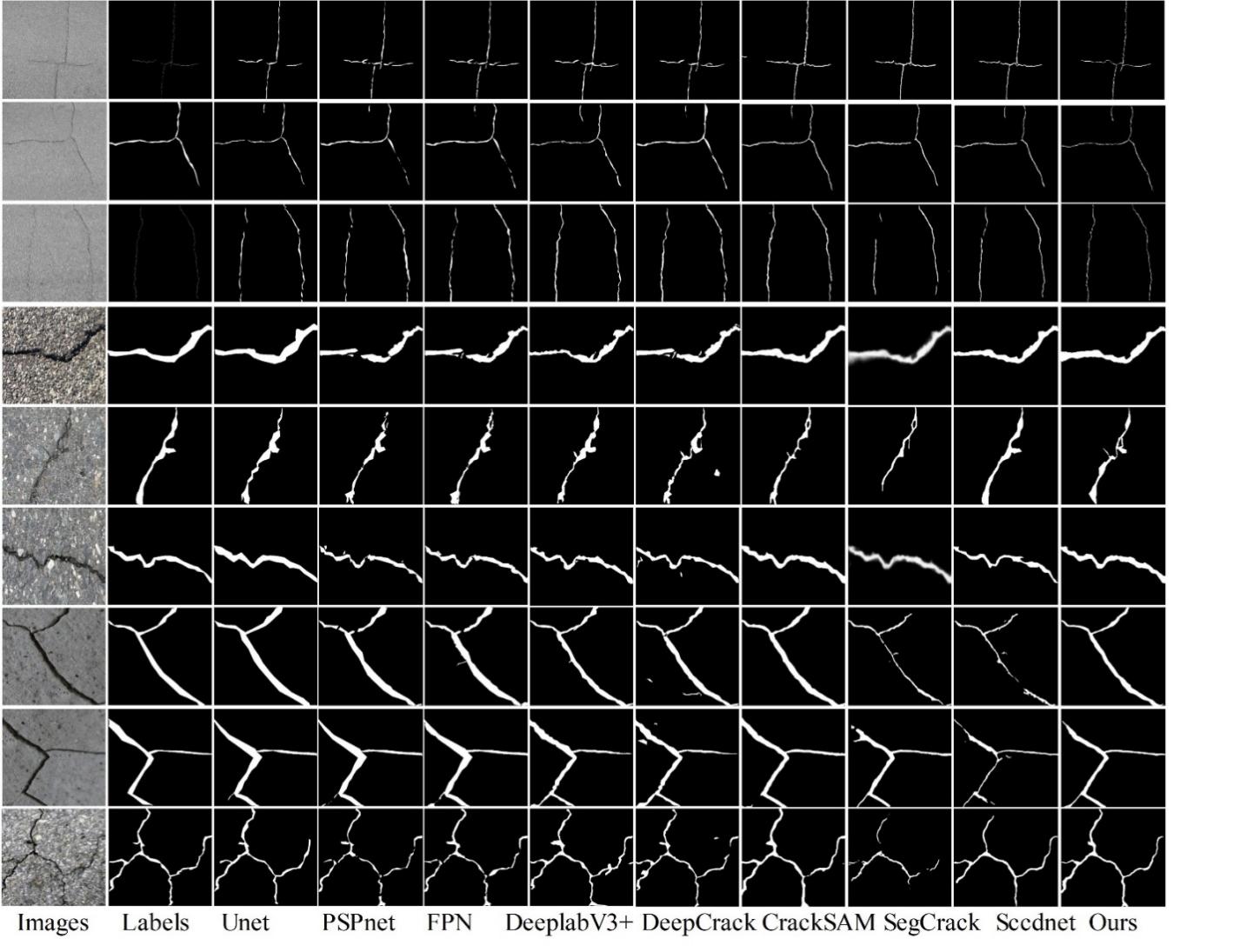
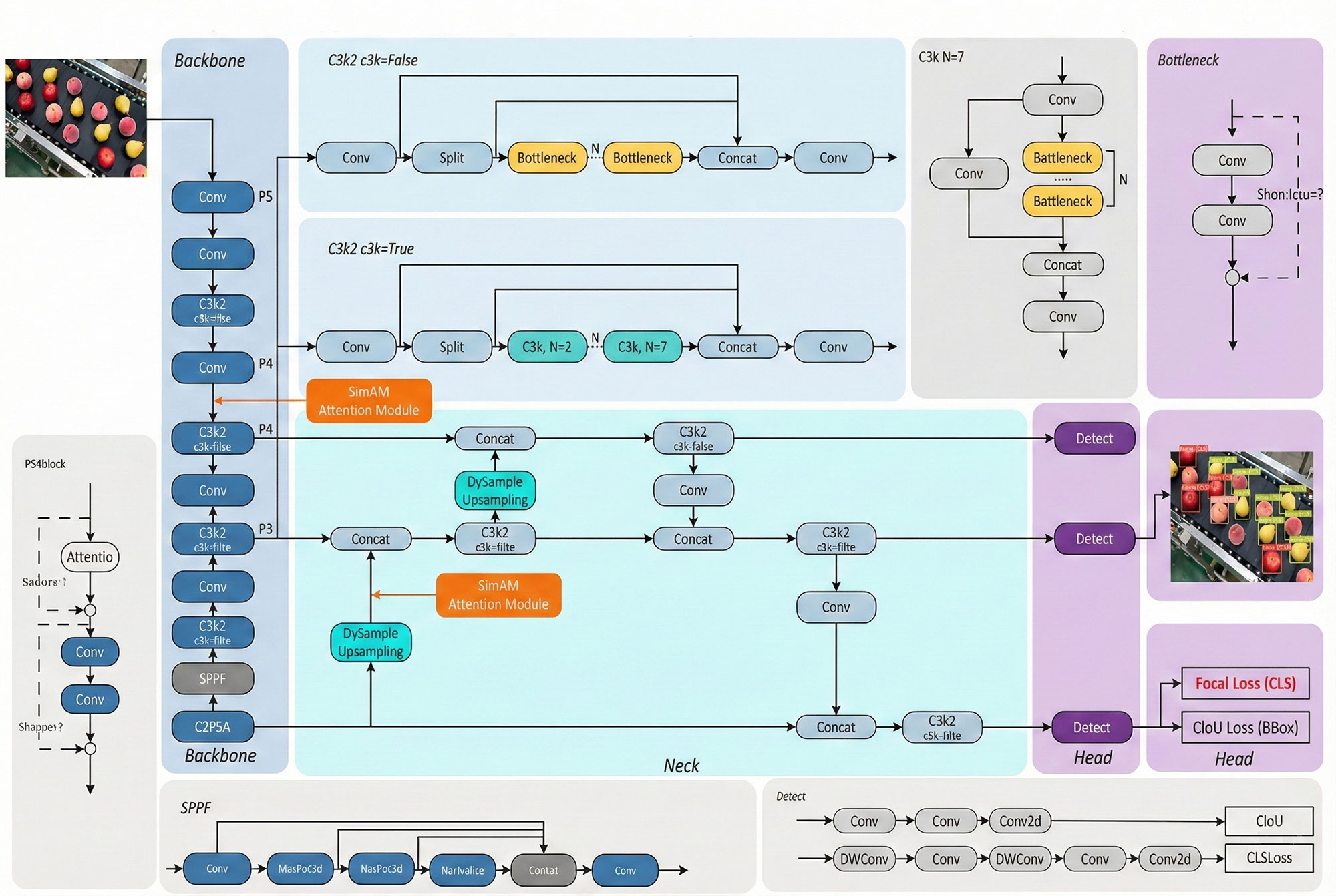
MFE-YOLO: A Multi-feature Fusion Algorithm for Airport Bird Detection
ICCK Transactions on Intelligent Systematics | Volume 2, Issue 2: 85-94, 2025 | DOI: 10.62762/TIS.2025.323887
Abstract
To address the issues of low accuracy in manual observation and slow detection by radar in airport bird detection, this paper designs a lightweight bird detection network named MFE-YOLOv8. This network is based on the YOLOv8 framework, with the main body part featuring an MF module replacing the original C2f module to enhance the network's feature extraction capability. An EMA mechanism is added to increase the focus on bird targets, and the Focal-Modulation module is introduced to reduce background interference. Additionally, a DCSlideLoss is designed during the supervised network training process to alleviate the imbalance of samples. Finally, the real-time detection performance is verifie... More >

Graphical Abstract
MFE-YOLO: A Multi-feature Fusion Algorithm for Airport Bird Detection
Free Access | Research Article | 14 April 2025 | Cited: 3 , Scopus 3
Iterative Estimation Algorithm for Bilinear Stochastic Systems by Using the Newton Search
ICCK Transactions on Intelligent Systematics | Volume 2, Issue 2: 76-84, 2025 | DOI: 10.62762/TIS.2024.155941
Abstract
This study addresses the challenge of estimating parameters iteratively in bilinear state-space systems affected by stochastic noise. A Newton iterative (NI) algorithm is introduced by utilizing the Newton search and iterative identification theory for identifying the system parameters. Following the estimation of the unknown parameters, we create a bilinear state observer (BSO) using the Kalman filtering principle for state estimation. Subsequently, we propose the BSO-NI algorithm for simultaneous parameter and state estimation. An iterative algorithm based on gradients is given for comparisons to illustrate the effectiveness of the proposed algorithms. More >

Graphical Abstract
Iterative Estimation Algorithm for Bilinear Stochastic Systems by Using the Newton Search
Free Access | Review Article | 16 January 2025 | Cited: 6 , Scopus 6
A Comprehensive Survey on UAV-based Data Gathering Techniques in Wireless Sensor Networks
ICCK Transactions on Intelligent Systematics | Volume 2, Issue 1: 66-75, 2025 | DOI: 10.62762/TIS.2025.790920
Abstract
In the recent era of communication, wireless sensor networks (WSNs) emerged as a demanding area of study due to their communication capacity especially in the application of Internet of things (IoT). As the scale and coverage of networks expand quickly, it becomes necessary to sense, transmit, and interpret the massive amount of data in IoT devices. WSN becomes even more beneficial and popular among the researchers when it integrates with unmanned aerial vehicles (UAVs) to increase the life span and establish a reliable communication between itself and Network Control Centre in an efficient way. Memory problems and network data transmission processing times are also addressed by this integra... More >

Graphical Abstract
A Comprehensive Survey on UAV-based Data Gathering Techniques in Wireless Sensor Networks
Free Access | Review Article | 04 January 2025 | Cited: 4 , Scopus 5
Futuristic Metaverse: Security and Counter Measures
ICCK Transactions on Intelligent Systematics | Volume 2, Issue 1: 49-65, 2025 | DOI: 10.62762/TIS.2024.194631
Abstract
This paper presents a comprehensive analysis of the security and privacy challenges in the Metaverse, introducing a novel framework for evaluating and addressing these emerging threats. Our research makes three key contributions: (1) a systematic classification of Metaverse-specific security vulnerabilities across interconnected virtual and physical environments, (2) a framework for assessing privacy risks in AR/VR-enabled social interactions, and (3) targeted solutions for securing blockchain-based digital assets and identity management in the Metaverse. Our analysis highlights how traditional cybersecurity approaches must evolve to address the unique challenges posed by the fusion of physi... More >

Graphical Abstract
Futuristic Metaverse: Security and Counter Measures
Free Access | Review Article | 04 January 2025 | Cited: 1 , Scopus 1
A Machine Learning-Based Scientometric Evaluation for Fake News Detection
ICCK Transactions on Intelligent Systematics | Volume 2, Issue 1: 38-48, 2025 | DOI: 10.62762/TIS.2024.564569
Abstract
In the modern world, disseminating fake information is a problem that must be addressed, and algorithms based on machine learning are used to spot and stop the spread of incorrect information. Due to the current unregulated development of fake news fabrication and dissemination, democracy is continuously under threat. Fake news may mislead individuals while influencing them because of its persuasiveness and life sciences. Using data from the Web of Science, this study undertakes a bibliometric analysis of research on the application of machine learning for fake news identification. The research underscores the need for a streamlined approach to analyze data exclusively from the Web of Scienc... More >

Graphical Abstract
A Machine Learning-Based Scientometric Evaluation for Fake News Detection
Free Access | Research Article | 31 December 2024 | Cited: 1 , Scopus 2
Feature Fusion for Performance Enhancement of Text Independent Speaker Identification
ICCK Transactions on Intelligent Systematics | Volume 2, Issue 1: 27-37, 2025 | DOI: 10.62762/TIS.2024.649374
Abstract
Speaker identification systems have gained significant attention due to their potential applications in security and personalized systems. This study evaluates the performance of various time and frequency domain physical features for text-independent speaker identification. four key features—pitch (P), intensity (I), spectral flux (SF), and spectral slope (SS)—were examined along with their statistical variations (minimum, maximum, and average values). These features were fused with log power spectral features and trained using a Convolutional Neural Network (CNN). The goal was to identify the most effective feature combinations for improving speaker identification accuracy. The experim... More >

Graphical Abstract
Feature Fusion for Performance Enhancement of Text Independent Speaker Identification
Free Access | Research Article | 27 December 2024 | Cited: 4 , Scopus 4
Advancing Robotic Automation with Custom Sequential Deep CNN-Based Indoor Scene Recognition
ICCK Transactions on Intelligent Systematics | Volume 2, Issue 1: 14-26, 2025 | DOI: 10.62762/TIS.2025.613103
Abstract
Indoor scene recognition poses considerable hurdles, especially in cluttered and visually analogous settings. Although several current recognition systems perform well in outside settings, there is a distinct necessity for enhanced precision in inside scene detection, particularly for robotics and automation applications. This research presents a revolutionary deep Convolutional Neural Network (CNN) model tailored with bespoke parameters to improve indoor image comprehension. Our proprietary dataset consists of seven unique interior scene types, and our deep CNN model is trained to attain excellent accuracy in classification tasks. The model exhibited exceptional performance, achieving a tra... More >

Graphical Abstract
Advancing Robotic Automation with Custom Sequential Deep CNN-Based Indoor Scene Recognition
Free Access | Research Article | 22 December 2024 | Cited: 3 , Scopus 9
Electronic Health Records-Based Data-Driven Diabetes Knowledge Unveiling and Risk Prognosis
ICCK Transactions on Intelligent Systematics | Volume 2, Issue 1: 1-13, 2025 | DOI: 10.62762/TIS.2025.367320
Abstract
In the healthcare sector, the application of deep learning technologies has revolutionized data analysis and disease forecasting. This is particularly evident in diabetes research, where in-depth analysis of Electronic Health Records (EHR) has unlocked new opportunities for early detection and effective intervention strategies. Our research presents an innovative model that synergizes the capabilities of Bidirectional Long Short-Term Memory Networks-Conditional Random Field (BiLSTM-CRF) with a fusion of XGBoost and Logistic Regression. This model is designed to enhance the accuracy of diabetes risk prediction by conducting an in-depth analysis of electronic medical records data. The first p... More >

Graphical Abstract
Electronic Health Records-Based Data-Driven Diabetes Knowledge Unveiling and Risk Prognosis
Free Access | Research Article | 12 December 2024 | Cited: 3 , Scopus 2
Enhancing Fake News Detection with a Hybrid NLP-Machine Learning Framework
ICCK Transactions on Intelligent Systematics | Volume 1, Issue 3: 203-214, 2024 | DOI: 10.62762/TIS.2024.461943
Abstract
The increasing prevalence of fake news on social media has become a significant challenge in today’s digital landscape. This paper proposes a hybrid framework for fake news detection, combining Natural Language Processing (NLP) techniques and machine learning algorithms. Using Term Frequency-Inverse Document Frequency (TF-IDF) for feature extraction, and classifiers such as Logistic Regression (LR), Naïve Bayes (NB), and Support Vector Machines (SVM), the model integrates Maximum Likelihood Estimation (MLE) with Logistic Regression to achieve 95% accuracy and 92% precision on a Kaggle dataset. The results highlight the potential of combining statistical and NLP approaches to improve fake... More >

Graphical Abstract
Enhancing Fake News Detection with a Hybrid NLP-Machine Learning Framework
Free Access | Research Article | 12 November 2024
Improving Effort Estimation Accuracy in Software Development Projects Using Multiple Imputation Techniques for Missing Data Handling
ICCK Transactions on Intelligent Systematics | Volume 1, Issue 3: 190-202, 2024 | DOI: 10.62762/TIS.2024.751418
Abstract
The challenge of accurately estimating effort for software development projects is critical for project managers (PM) and researchers. A common issue they encounter is missing data values in datasets, which complicates effort estimation (EE). While several models have been introduced to address this issue, none have proven entirely effective. The Analogy-Based Effort Estimation (ABEE) model is the most widely used approach, relying on historical data for estimation. However, the common practice of deleting cases or cells with missing observations results in a reduction of statistical power and negatively impacts the performance of ABEE, leading to inefficiencies and biases. This study employ... More >

Graphical Abstract
Improving Effort Estimation Accuracy in Software Development Projects Using Multiple Imputation Techniques for Missing Data Handling
Free Access | Review Article | 09 November 2024 | Cited: 2 , Scopus 5
Comprehensive Evaluation of Artificial Intelligence Applications in Forensic Odontology: A Systematic Review and Meta-Analysis
ICCK Transactions on Intelligent Systematics | Volume 1, Issue 3: 176-189, 2024 | DOI: 10.62762/TIS.2024.818917
Abstract
This systematic review and meta-analysis assesses the transformative effect of artificial intelligence (AI) on forensic odontology, concentrating on gains in identification accuracy and workflow efficiency. Traditionally, human identification in this specialty depends on meticulous comparison of dental charts and radiographs. The integration of AI-driven technologies—including machine-learning algorithms and image-recognition networks—has begun to expedite core tasks such as bite-mark interpretation, dental-age estimation and record reconciliation, while also limiting examiner bias and clerical error. Following PRISMA guidelines to ensure methodological rigour, we searched PubMed, Scienc... More >

Graphical Abstract
Comprehensive Evaluation of Artificial Intelligence Applications in Forensic Odontology: A Systematic Review and Meta-Analysis
Free Access | Research Article | 09 November 2024 | Cited: Scopus 1
In-depth Urdu Sentiment Analysis Through Multilingual BERT and Supervised Learning Approaches
ICCK Transactions on Intelligent Systematics | Volume 1, Issue 3: 161-175, 2024 | DOI: 10.62762/TIS.2024.585616
Abstract
Sentiment analysis is the process of identifying and categorizing opinions expressed in a piece of text. It has been extensively studied for languages like English and Chinese but still needs to be explored for languages such as Urdu and Hindi. This paper presents an in-depth analysis of Urdu text using state-of-the-art supervised learning techniques and a transformer-based technique. We manually annotated and preprocessed the dataset from various Urdu blog websites to categorize the sentiments into positive, neutral, and negative classes. We utilize five machine learning classifiers: Support Vector Machine (SVM), K-nearest neighbor (KNN), Naive Bayes, Multinomial Logistic Regression (MLR),... More >

Graphical Abstract
In-depth Urdu Sentiment Analysis Through Multilingual BERT and Supervised Learning Approaches
Free Access | Research Article | 29 October 2024 | Cited: 8 , Scopus 9
Enhancing Ocular Health Precision: Cataract Detection Using Fundus Images and ResNet-50
ICCK Transactions on Intelligent Systematics | Volume 1, Issue 3: 145-160, 2024 | DOI: 10.62762/TIS.2024.640345
Abstract
Cataracts are a leading cause of blindness in Pakistan, contributing to more than 54% of cases due to poor living condition, nutritional deficiencies, and limited healthcare access. Early detection is critical to avoid invasive treatments,but current diagnostic approaches often identify cataracts at advanced stages. This paper presents an advanced,automated cataract detection system using deep learning specifically the ResNet-50 architecture, to address this gap. The model processes fundus retinal images curated from diverse datasets, classified by ophthalmologic experts through a rigorous three-stage process. By leveraging the ResNet-50 model, cataracts are categorized into normal,moderate,... More >

Graphical Abstract
Enhancing Ocular Health Precision: Cataract Detection Using Fundus Images and ResNet-50
Free Access | Review Article | 21 October 2024 | Cited: 4 , Scopus 4
Transforming Industry 4.0 Security: Analysis of ABE and ABA Technologies
ICCK Transactions on Intelligent Systematics | Volume 1, Issue 3: 127-144, 2024 | DOI: 10.62762/TIS.2024.993235
Abstract
The sharing of data and private information has been greatly improved by Industry 4.0's broad usage of cloud technologies. In their quest to improve their services, many firms have made automation and effective authentication a priority. As a result, in Industry 4.0, Attribute-Based Encryption (ABE) and Attribute-Based Authentication (ABA) have established themselves as dependable models for data sharing across cloud environments. For difficult situations like fine-grained access control and secure authentication, these models offer practical answers. Organizations can utilize ABA to specifically authenticate people based on their attributes, ensuring appropriate and safe access to critical... More >

Graphical Abstract
Transforming Industry 4.0 Security: Analysis of ABE and ABA Technologies
Free Access | Research Article | 20 October 2024 | Cited: 10 , Scopus 12
Comparison of Deep Learning Algorithms for Retail Sales Forecasting
ICCK Transactions on Intelligent Systematics | Volume 1, Issue 3: 112-126, 2024 | DOI: 10.62762/TIS.2024.300700
Abstract
We investigate the use of deep learning models for retail sales predictions in this research. Having a proper sales forecasting can lead to optimization in inventory management, marketing strategies, and other core business operations. This research proposes to assess deep learning models such as Convolutional Neural Network (CNN), Long Short-Term Memory (LSTM), Multilayer Perceptron and hybrid CNN-LSTM model. The models are further improved by using some dense layers to embed daily sales data from the biggest pharmaceutical firm in the study. Models are then trained on 80% of the dataset and tested on remaining 20%. The accuracy of the proposed research is compared using evaluation metrics... More >

Graphical Abstract
Comparison of Deep Learning Algorithms for Retail Sales Forecasting

Journal Statistics

157
Authors
20
Countries / Regions
42
Articles
282
Citations
2024
Published Since
0
Special Issues
129,933
Article Views
22,882
Article Downloads
1 2
ICCK Transactions on Intelligent Systematics
eISSN: 3068-5079 | pISSN: 3069-003X
Crossref
Crossref
Member of Crossref
Visit Crossref →