ICCK

Ghulam E Mustafa Abro

Interdisciplinary Research Centre for Aviation and Space Exploration (IRC-ASE), King Fahd University of Petroleum and Minerals (KFUPM), Dhahran, 31261, Kingdom of Saudi Arabia

Section 01

Academic Profile

No academic profile information available at the moment.

Section 02

Editorial Roles

This user currently does not serve as an editor for any ICCK journals.

Section 03

ICCK Publications

Free Access | Research Article | 23 April 2026 | Cited: Crossref logo  1
MS-CADNet: A Multi-Scale Context Attention Network for Efficient Object Detection in UAV Imagery
ICCK Transactions on Sensing, Communication, and Control | Volume 3, Issue 2: 64-75, 2026 | DOI: 10.62762/TSCC.2026.214827
Abstract
With the rapid advancement of unmanned aerial vehicle (UAV) technology, there is a need for lightweight and accurate object detection on resource-constrained platforms. This paper proposes MS-CADNet, an anchor-free network for small object detection in aerial imagery. It uses a MobileNetV3-Small backbone and a two-branch gated Context Attention Module (CAM) to enhance feature quality. On the VisDrone-DET benchmark, it achieves 31.2% mAP, surpassing YOLOv8-Small and CEASC. The model attains 19.2% AP for small objects with only 3.1M parameters and 5.4 GFLOPs, making it suitable for real-time UAV deployment. More >

Graphical Abstract
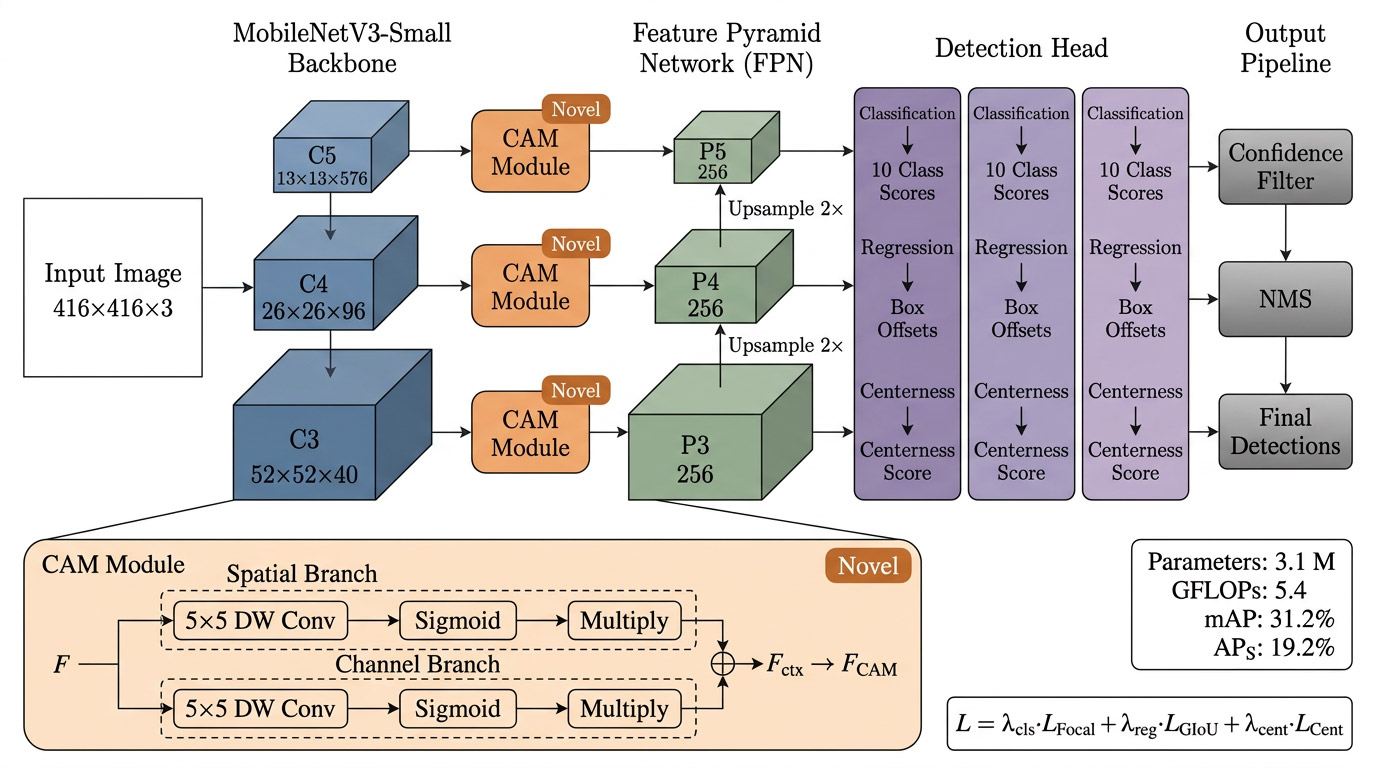
MS-CADNet: A Multi-Scale Context Attention Network for Efficient Object Detection in UAV Imagery
Free Access | Research Article | 27 December 2024 | Cited: Crossref logo  14 , Scopus 10
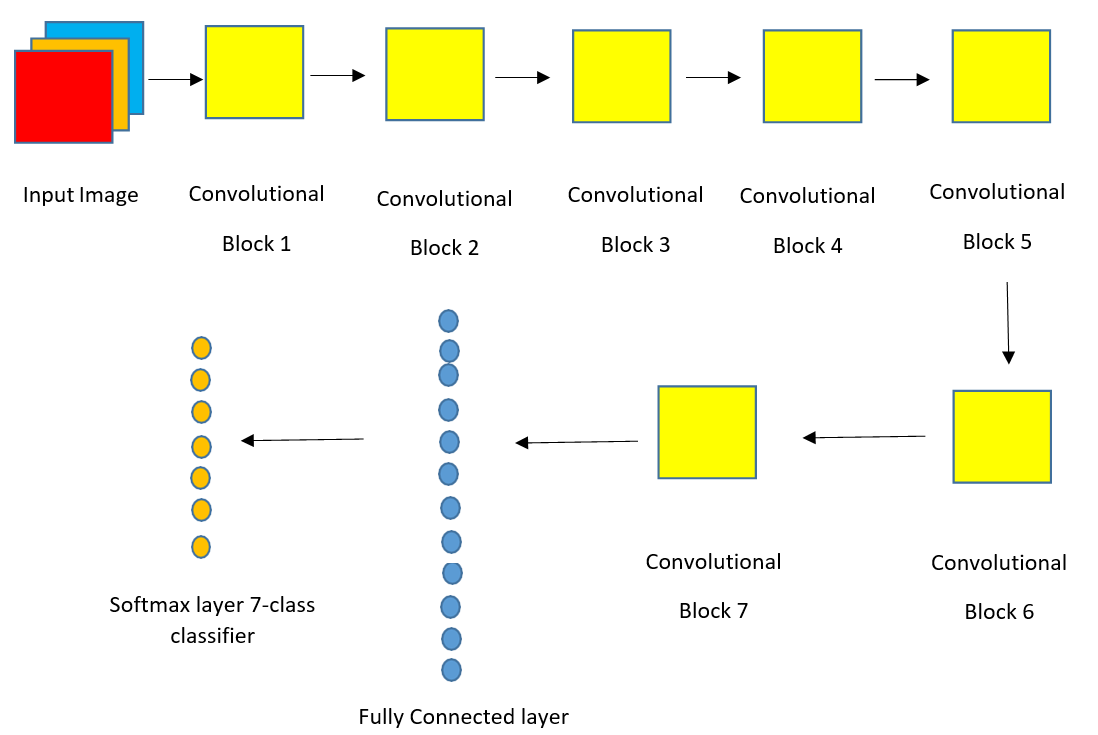
Advancing Robotic Automation with Custom Sequential Deep CNN-Based Indoor Scene Recognition
ICCK Transactions on Intelligent Systematics | Volume 2, Issue 1: 14-26, 2024 | DOI: 10.62762/TIS.2025.613103
Abstract
Indoor scene recognition poses considerable hurdles, especially in cluttered and visually analogous settings. Although several current recognition systems perform well in outside settings, there is a distinct necessity for enhanced precision in inside scene detection, particularly for robotics and automation applications. This research presents a revolutionary deep Convolutional Neural Network (CNN) model tailored with bespoke parameters to improve indoor image comprehension. Our proprietary dataset consists of seven unique interior scene types, and our deep CNN model is trained to attain excellent accuracy in classification tasks. The model exhibited exceptional performance, achieving a tra... More >

Graphical Abstract
Advancing Robotic Automation with Custom Sequential Deep CNN-Based Indoor Scene Recognition
Free Access | Review Article | 29 October 2024 | Cited: Crossref logo  17 , Scopus 21
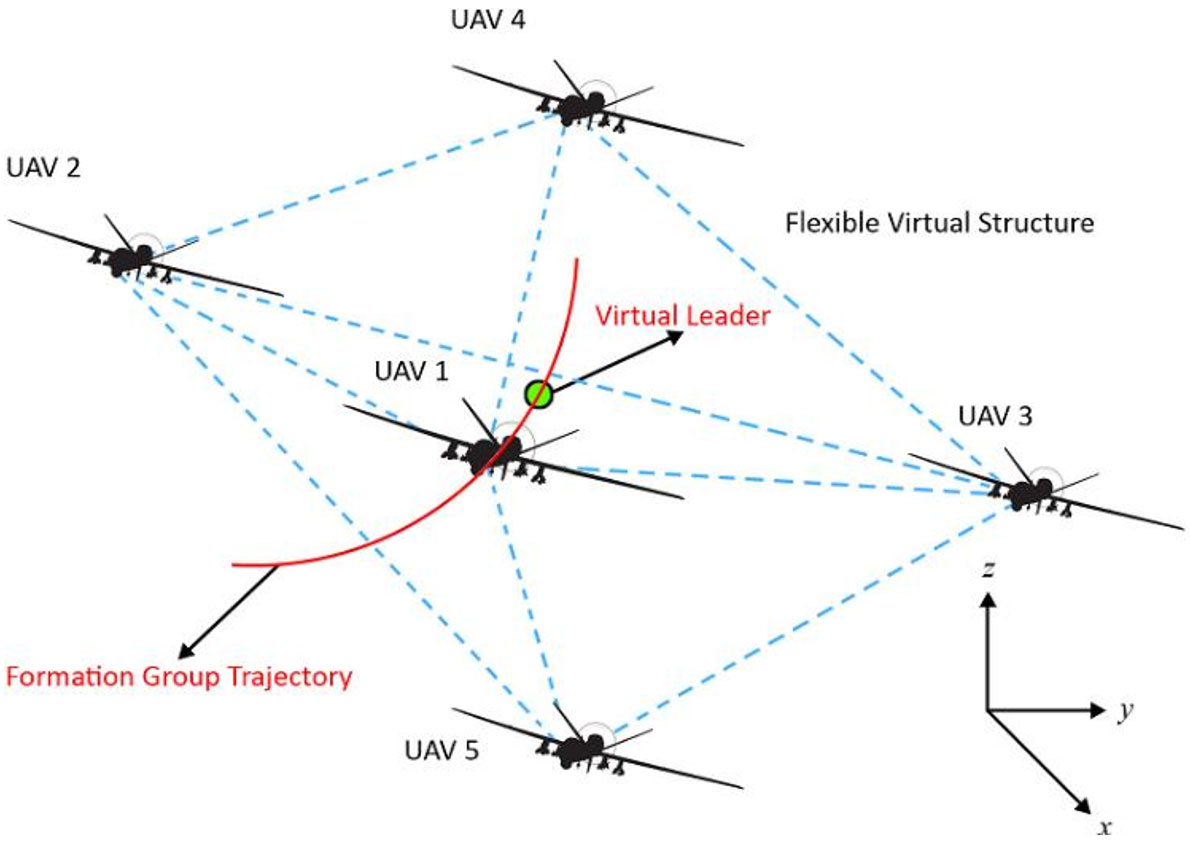
Synergistic UAV Motion: A Comprehensive Review on Advancing Multi-Agent Coordination
ICCK Transactions on Sensing, Communication, and Control | Volume 1, Issue 2: 72-88, 2024 | DOI: 10.62762/TSCC.2024.211408
Abstract
Collective motion has been a pivotal area of research, especially due to its substantial importance in Unmanned Aerial Vehicle (UAV) systems for several purposes, including path planning, formation control, and trajectory tracking. UAVs significantly enhance coordination, flexibility, and operational efficiency in practical applications such as search-and-rescue operations, environmental monitoring, and smart city construction. Notwithstanding the progress in UAV technology, significant problems persist, especially in attaining dependable and effective coordination in intricate, dynamic, and unexpected settings. This study offers a comprehensive examination of the fundamental principles, mod... More >

Graphical Abstract
Synergistic UAV Motion: A Comprehensive Review on Advancing Multi-Agent Coordination
Free Access | Review Article | 12 October 2024 | Cited: Crossref logo  17 , Scopus 21
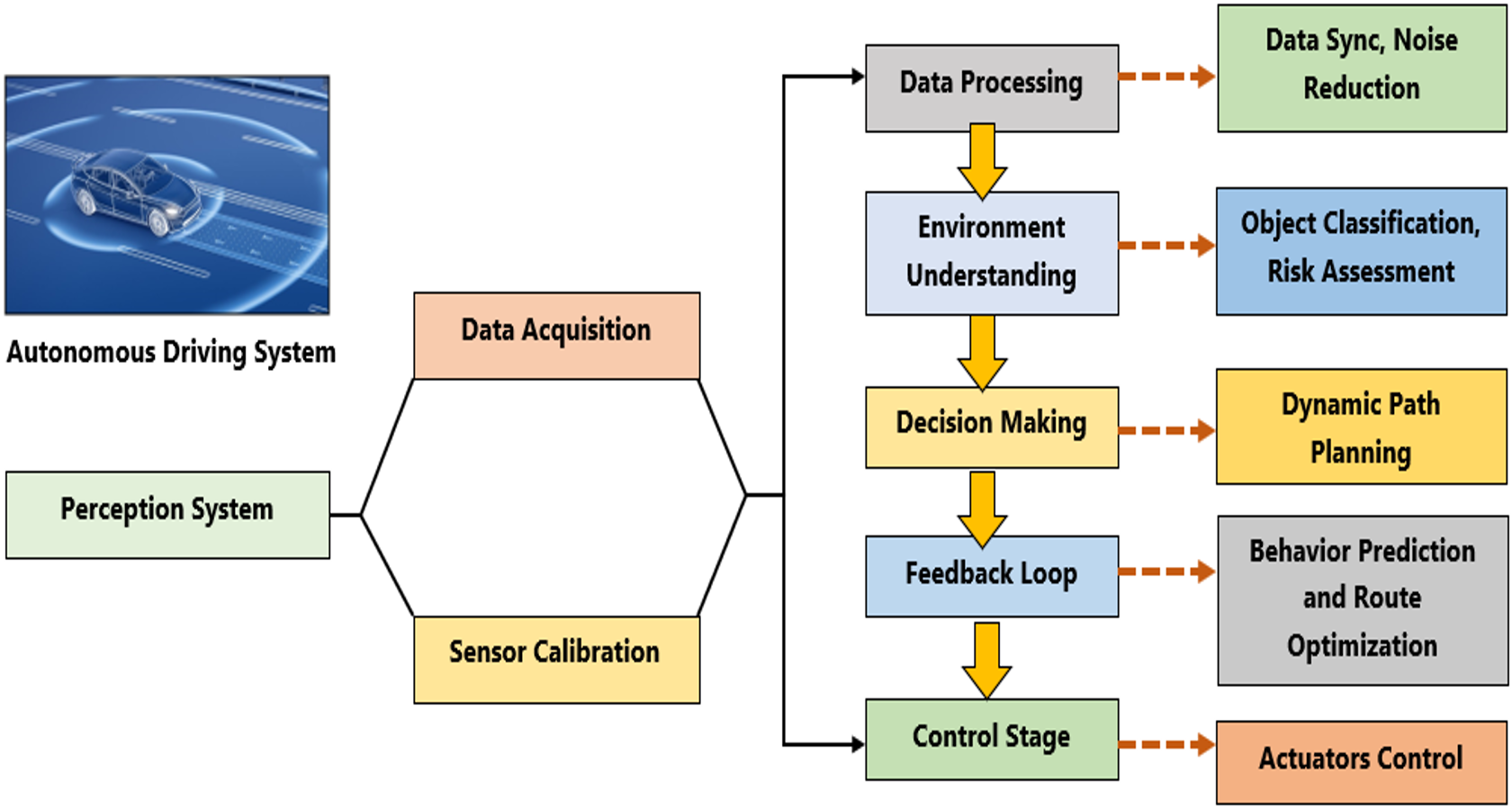
Innovations in 3D Object Detection: A Comprehensive Review of Methods, Sensor Fusion, and Future Directions
ICCK Transactions on Sensing, Communication, and Control | Volume 1, Issue 1: 3-29, 2024 | DOI: 10.62762/TSCC.2024.989358
Abstract
This review paper offers a thorough assessment of three-dimensional object recognition methods, an essential element in the perception frameworks of autonomous systems. This analysis emphasises the integration of LiDAR and camera sensors, providing a distinctive contrast with more economical alternatives like camera-only or camera-Radar combinations. This study objectively evaluates performance and practical implementation issues, such as cost and operational efficiency, thereby elucidating the limitations of existing systems and proposing avenues for further research. The insights provided render it a significant asset for enhancing 3D object recognition and autonomy in intelligent systems. More >

Graphical Abstract
Innovations in 3D Object Detection: A Comprehensive Review of Methods, Sensor Fusion, and Future Directions
Free Access | Research Article | 23 September 2024 | Cited: Crossref logo  8 , Scopus 5
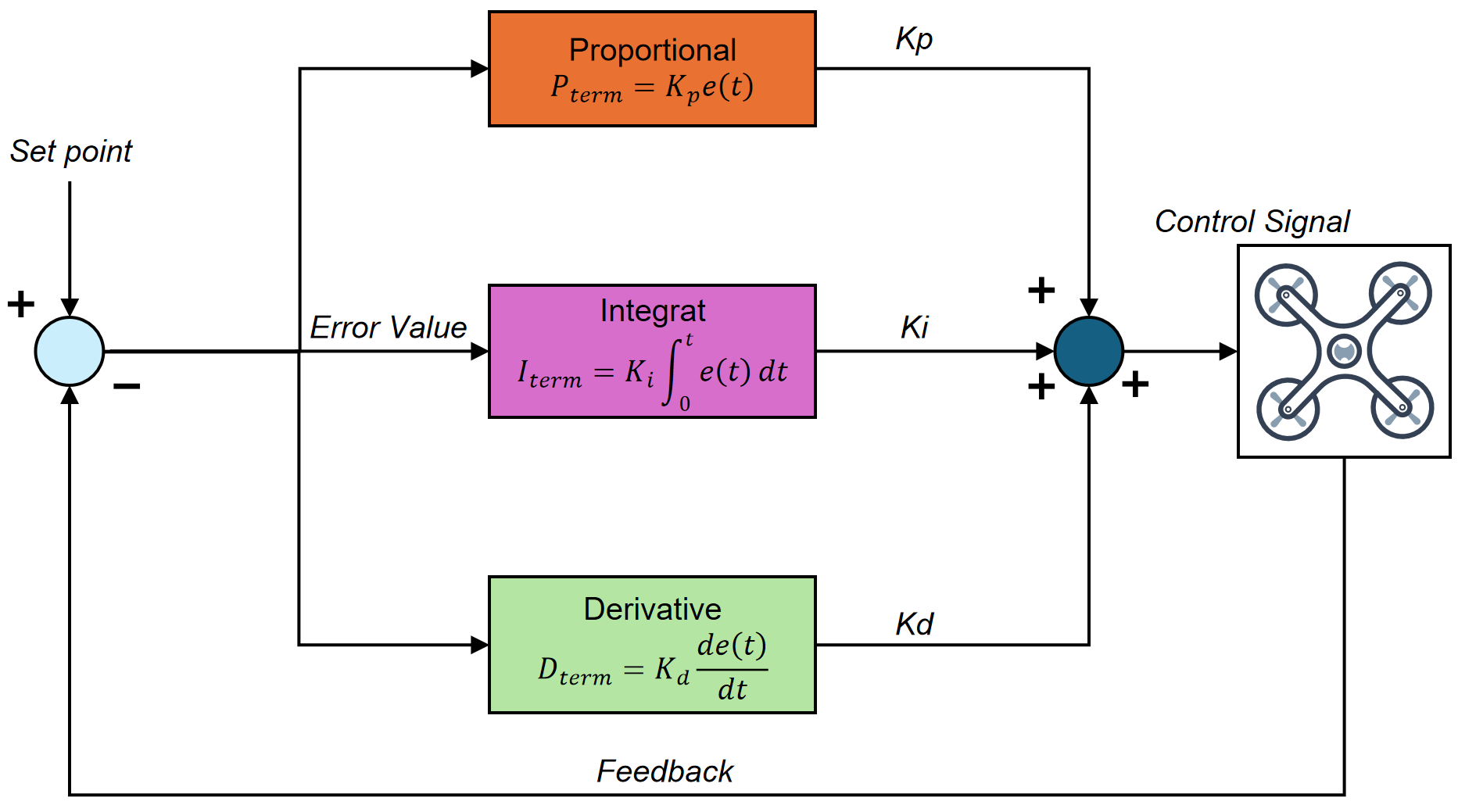
Signal Strength-Based Alien Drone Detection and Containment in Indoor UAV Swarm Simulations
ICCK Transactions on Intelligent Systematics | Volume 1, Issue 2: 69-78, 2024 | DOI: 10.62762/TIS.2024.807714
Abstract
A Novel simulation framework using autonomous drones is used to locate and reduce unauthorized drones in interior environments. The recommended method uses Received Signal Strength Indicator (RSSI) to identify an alien agent drone, which has different signal characteristics than the approved swarm of UAVs. Real-time threat detection is possible with this technology. After detecting the drone, the swarm organizes itself to encircle and contain it for 20 seconds, rendering it immobilized, before the swarm returns to its original formation. This unique solution uses RSSI to quickly identify and mitigate enclosed area concerns. It provides a reliable and effective indoor drone security solution.... More >

Graphical Abstract
Signal Strength-Based Alien Drone Detection and Containment in Indoor UAV Swarm Simulations