
ICCK

Babar Zeb

Department of Software Engineering, College of Electrical and Mechanical Engineering, National University of Sciences and Technology (NUST), Islamabad, Pakistan

Section 01

Academic Profile

No academic profile information available at the moment.

Section 02

Editorial Roles

This user currently does not serve as an editor for any ICCK journals.

Section 03

ICCK Publications

Free Access | Review Article | 04 January 2025 | Cited: Crossref logo  4 , Scopus 6
Futuristic Metaverse: Security and Counter Measures
ICCK Transactions on Intelligent Systematics | Volume 2, Issue 1: 49-65, 2025 | DOI: 10.62762/TIS.2024.194631
Abstract
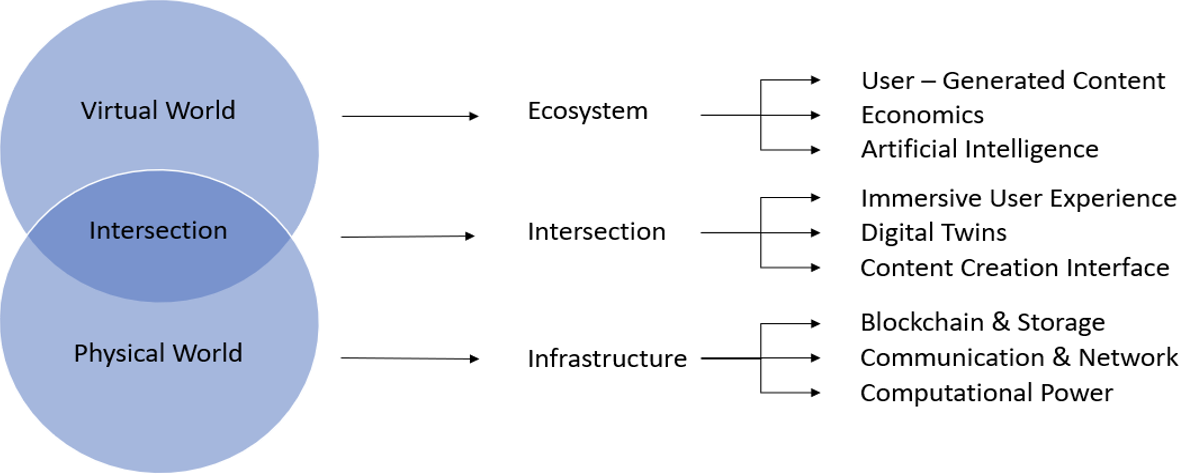
This paper presents a comprehensive analysis of the security and privacy challenges in the Metaverse, introducing a novel framework for evaluating and addressing these emerging threats. Our research makes three key contributions: (1) a systematic classification of Metaverse-specific security vulnerabilities across interconnected virtual and physical environments, (2) a framework for assessing privacy risks in AR/VR-enabled social interactions, and (3) targeted solutions for securing blockchain-based digital assets and identity management in the Metaverse. Our analysis highlights how traditional cybersecurity approaches must evolve to address the unique challenges posed by the fusion of physi... More >

Graphical Abstract
Futuristic Metaverse: Security and Counter Measures
Free Access | Review Article | 09 November 2024 | Cited: Crossref logo  5 , Scopus 8
Comprehensive Evaluation of Artificial Intelligence Applications in Forensic Odontology: A Systematic Review and Meta-Analysis
ICCK Transactions on Intelligent Systematics | Volume 1, Issue 3: 176-189, 2024 | DOI: 10.62762/TIS.2024.818917
Abstract
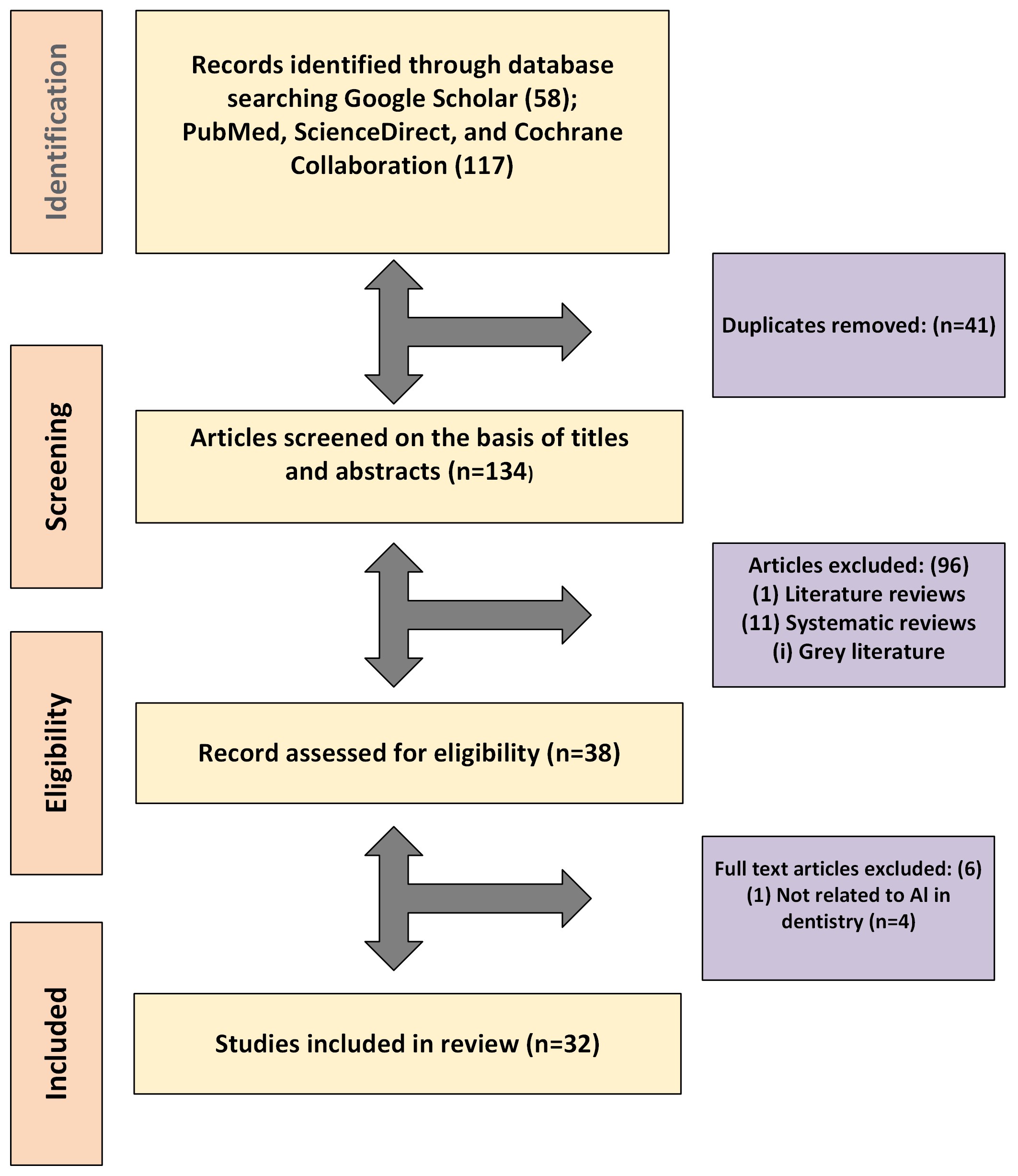
This systematic review and meta-analysis explores the integration of artificial intelligence (AI) technologies into forensic odontology from an intelligent systems perspective, with particular emphasis on enhancing identification accuracy, pattern recognition capabilities, and workflow efficiency. Traditional dental identification methods rely heavily on manual comparison of charts and radiographs, which are time-consuming and susceptible to human bias. Recent advancements in machine learning algorithms, deep learning-based image recognition networks, and intelligent decision-support systems have demonstrated significant potential in automating critical tasks such as bite-mark analysis, dent... More >

Graphical Abstract
Comprehensive Evaluation of Artificial Intelligence Applications in Forensic Odontology: A Systematic Review and Meta-Analysis