Volume 2, Issue 1


Volume 2, Issue 1 (March, 2026) – 5 articles
Citations: 0, 0,  0   |   Viewed: 1175, Download: 464

Table of Contents

Free Access | Research Article | 12 January 2026
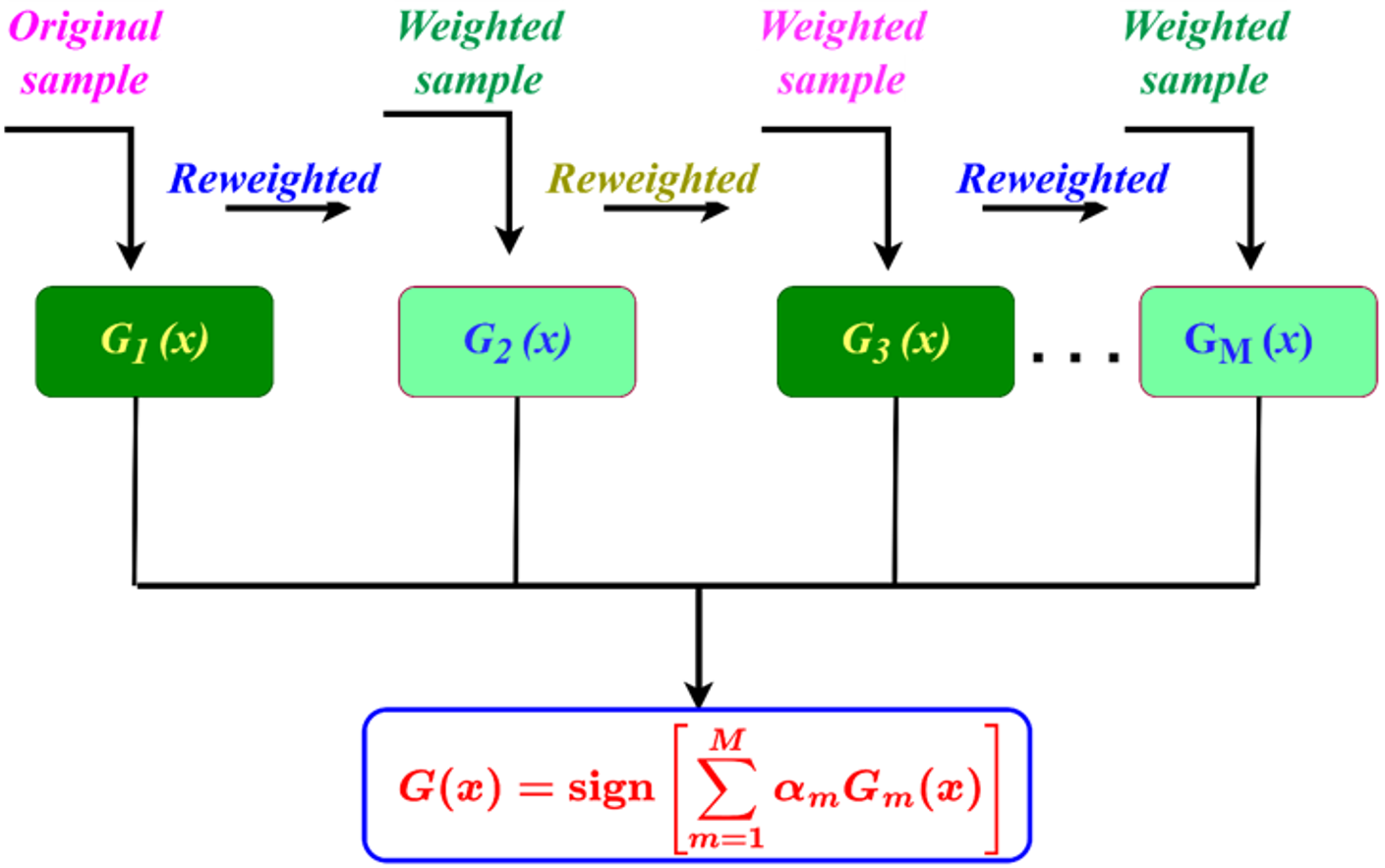
A Data-Driven Framework for Methane Emission Prediction Using Machine Learning Methods
ICCK Transactions on Machine Intelligence | Volume 2, Issue 1: 53-64, 2026 | DOI: 10.62762/TMI.2025.782852
Abstract
Greenhouse gas Methane (CH$_4$) has 86 times more impact on global warming than carbon dioxide (CO$_2$). The emission of methane gas into the atmosphere is increasing due to the reliance on fossil-based resources in post-industrial energy consumption, along with the rise in food demand and the generation of organic waste that accompanies a growing human population. CH$_4$ acts as a vital pollutant in the air. The problem addressed in this study was to accurately estimate CH$_4$ emissions from functional urban areas. This study aims to predict CH$_4$ emissions using Time Series (TS) and Machine Learning (ML) models such as Autoregressive Integrated Moving Average (ARIMA), Seasonal ARIMA (SAR... More >

Graphical Abstract
A Data-Driven Framework for Methane Emission Prediction Using Machine Learning Methods
Free Access | Research Article | 08 January 2026
Data-Driven Operational Assessment Method and Digital Twin System for Unmanned Surface Vehicles
ICCK Transactions on Machine Intelligence | Volume 2, Issue 1: 38-52, 2026 | DOI: 10.62762/TMI.2025.444910
Abstract
To address the challenge of effectively leveraging multi-source data for automated operational assessment of Unmanned Surface Vehicles (USVs) and utilizing digital technologies for monitoring and control, this paper proposes a data-driven state assessment method for surface unmanned systems and develops a digital twin system tailored for USVs. First, a dual-channel feature modeling mechanism is constructed by integrating physically interpretable statistical features with temporal convolutional features. Second, a complementary modeling strategy is adopted using CatBoost for static classification and GRU for dynamic modeling, while a Covariance Intersection (CI) fusion strategy is introduced... More >

Graphical Abstract
Data-Driven Operational Assessment Method and Digital Twin System for Unmanned Surface Vehicles
Free Access | Research Article | 07 January 2026
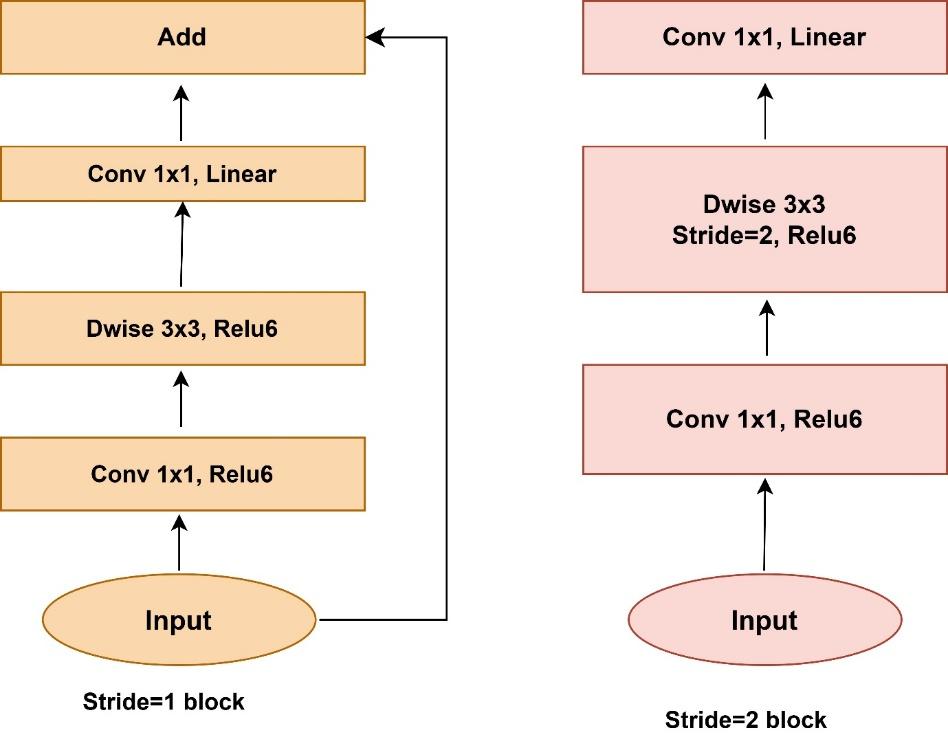
A Novel Approach of Progressive Transfer Learning for MRI Brain Tumor Classification Using VGG16 and MobileNet Architectures
ICCK Transactions on Machine Intelligence | Volume 2, Issue 1: 28-37, 2026 | DOI: 10.62762/TMI.2025.367009
Abstract
Around the world, brain tumors are a major cause of human mortality. Accurate brain tumor detection is essential for effective treatment and improved patient outcomes. This study introduces the progressive transfer learning method, using VGG16 and MobileNet for the brain tumor identification and classification task. The outcome demonstrated the importance of the proposed models. The final accuracy of VGG16 and MobileNet on the test data was 98% and 87%, respectively, highlighting the superiority of VGG16 over the MobileNet framework. In addition, future work suggests advanced fine-tuning strategies, regularization techniques, and other methods to improve model performance for helping medical... More >

Graphical Abstract
A Novel Approach of Progressive Transfer Learning for MRI Brain Tumor Classification Using VGG16 and MobileNet Architectures
Free Access | Research Article | 06 January 2026
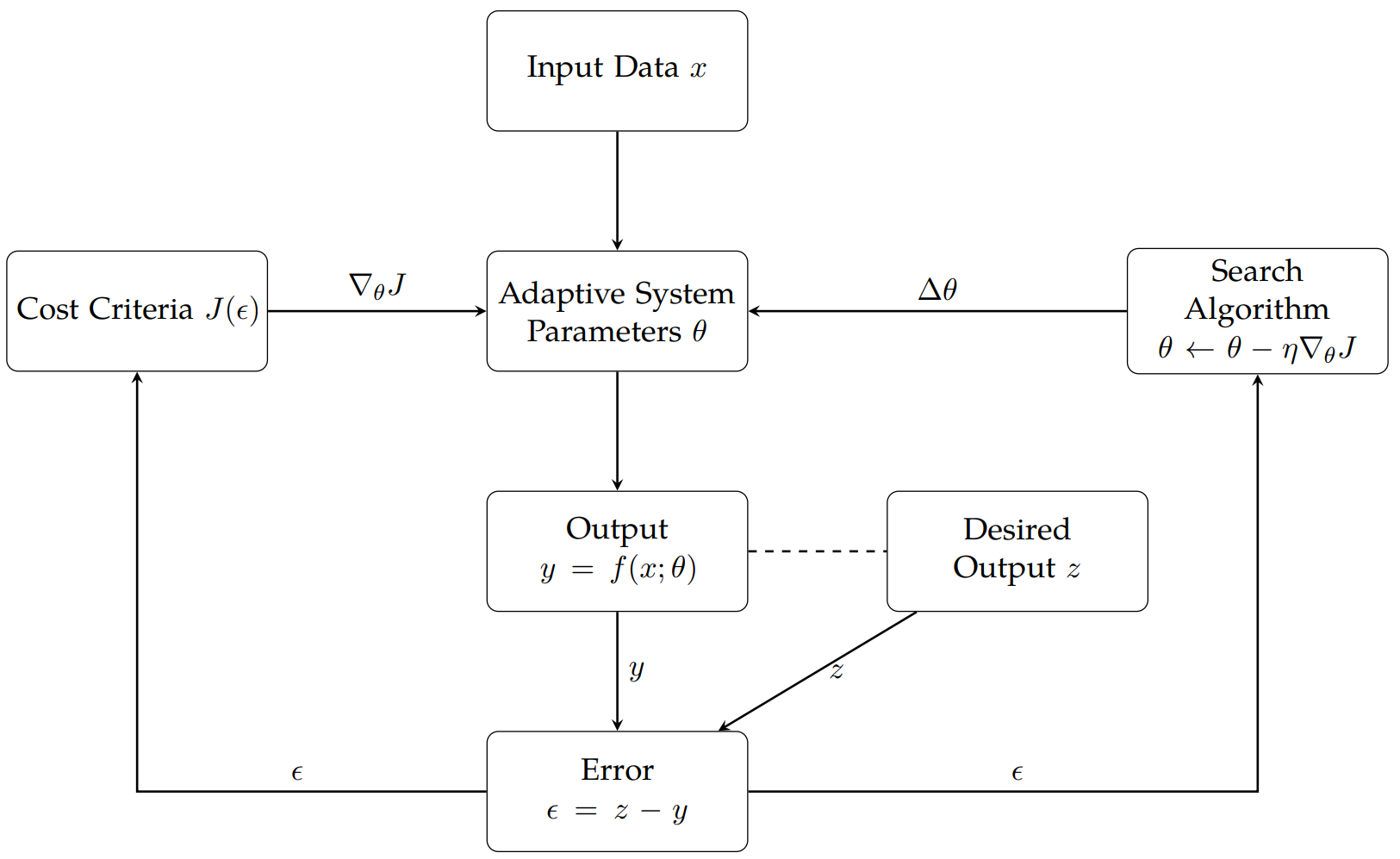
Adaptive Learning Density Estimators for Tsallis Entropy and Kapur Entropy with Applications in System Training
ICCK Transactions on Machine Intelligence | Volume 2, Issue 1: 12-27, 2026 | DOI: 10.62762/TMI.2025.317970
Abstract
Adaptation learning is a data-driven technique that gives instructions based on the experiences made during data analysis. It plays an integral role in providing engineering solutions based on specific needs. Researchers have used the second-order statistics criterion for decades to conceptualize the optimality criteria using Shannon and Renyis information-theoretic measures. Some gaps have been identified in this research work, and useful findings have been proved with generalized information-theoretic measures of Renyis as Tsallis entropy of order $\alpha$ and Kapur entropy of order $\alpha$ and type $\beta$ using the Parzen-Rosenblatt window. This work explored the problem of constructing... More >

Graphical Abstract
Adaptive Learning Density Estimators for Tsallis Entropy and Kapur Entropy with Applications in System Training
Free Access | Research Article | 16 November 2025
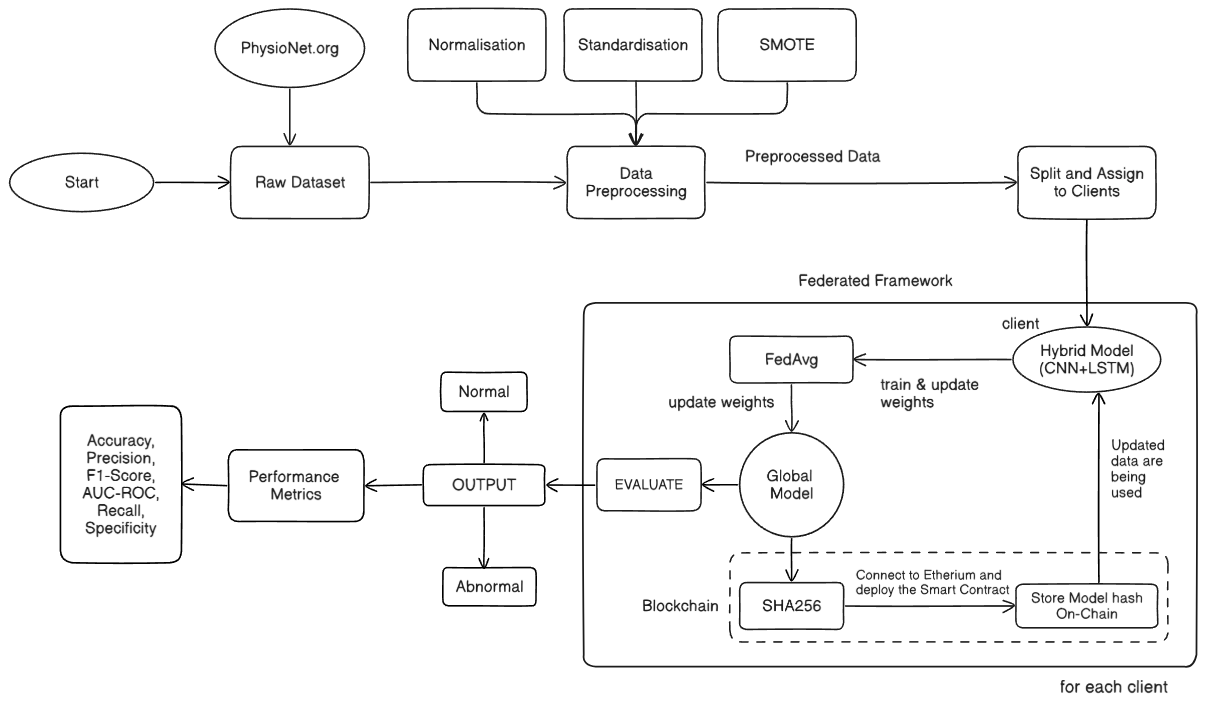
Secure and Decentralized Heart Sound Analysis using Federated Learning and Blockchain Technology
ICCK Transactions on Machine Intelligence | Volume 2, Issue 1: 1-11, 2026 | DOI: 10.62762/TMI.2025.567350
Abstract
Early diagnosis of cardiac abnormalities depends on accurate classification of heart sounds, but centralized training methods run the danger of violating patient privacy. We thus propose a privacy-preserving and reliable heart sound abnormality detection system combining Blockchain Technology with Federated Learning (FL). Training is spread among seven clients, each simulating an independent data source, using a preprocessed dataset from the PhysioNet Challenge 2016 to enable distributed learning without sharing raw data. CNN-LSTM model using FedAvg achieved the best performance: 94\% accuracy, 0.90 precision, 0.96 recall, and an AUC of 0.98 among five deep learning architectures evaluated w... More >

Graphical Abstract
Secure and Decentralized Heart Sound Analysis using Federated Learning and Blockchain Technology