



ICCK

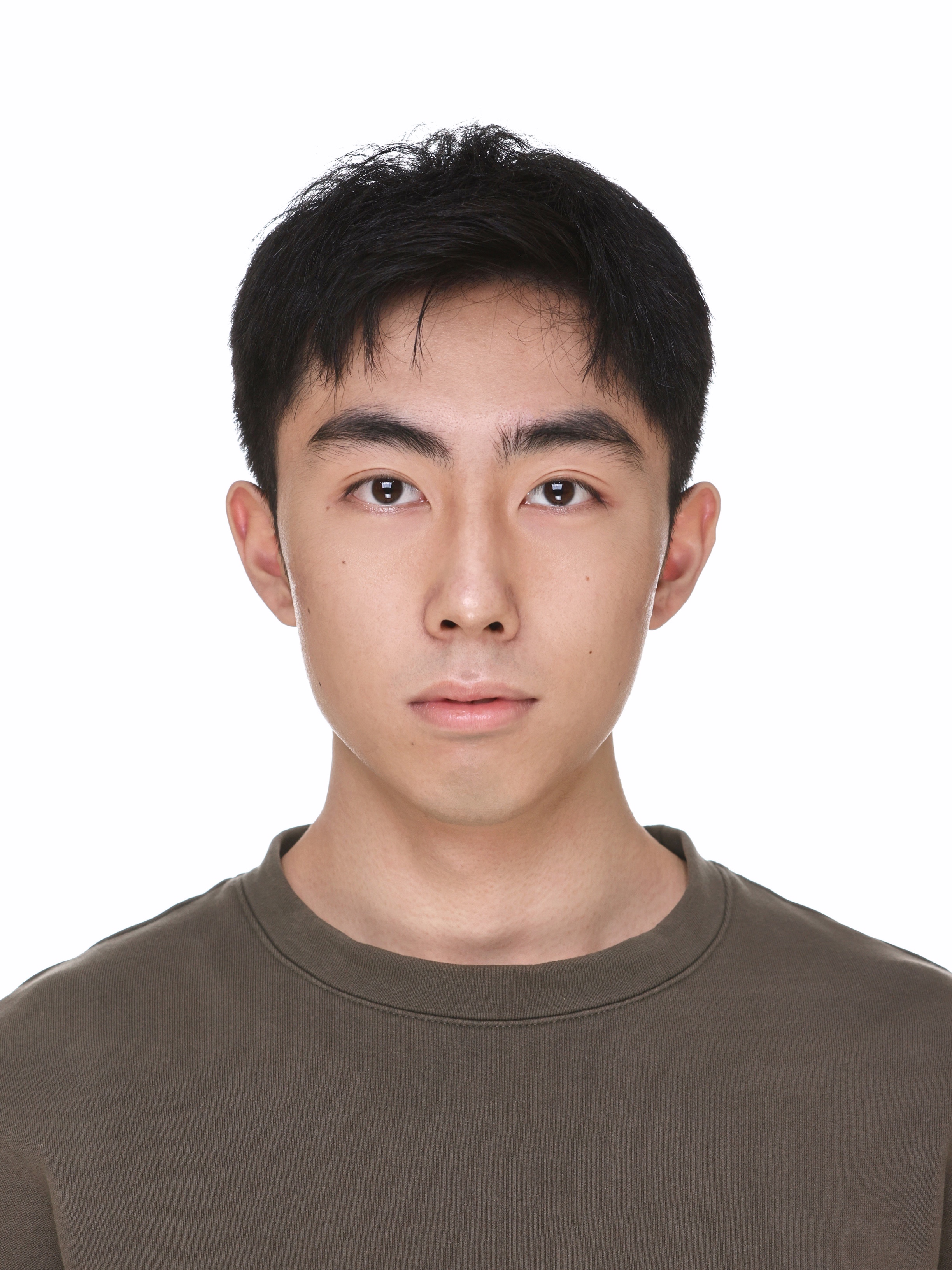
Tingli Su

School of Computer Science and Artificial Intelligence, Beijing Technology and Business University, Beijing 100048, China

Section 01

Academic Profile

Tingli Su received her B.E. degree in Mechatronic Engineering and the Ph.D. degree in the direction of Control Science and Engineering from Beijing Institute of Technology, Beijing, China, in 2007 and 2013. During the period of 2009.10-2012.9, she had a total of 2 years and a half working as an academic collaborator in University of Bristol, U.K. and finished most of her Ph.D. research there. Since 2013 she has been with School of Computer and Information Engineering, Beijing Technology and Business University as a Lecturer, and was promoted to be the Associate Professor in October, 2018. Her research interests include multi-sensor fusion, statistical signal processing, robust filtering, Bayesian theory, target tracking and dynamic analysis. In particular, her present major interest is multi-sensor fusion, Bayesian estimation and big data tendency analysis.

Section 02

Editorial Roles

This user currently does not serve as an editor for any ICCK journals.

Section 03

ICCK Publications

Open Access | Research Article | 30 March 2026
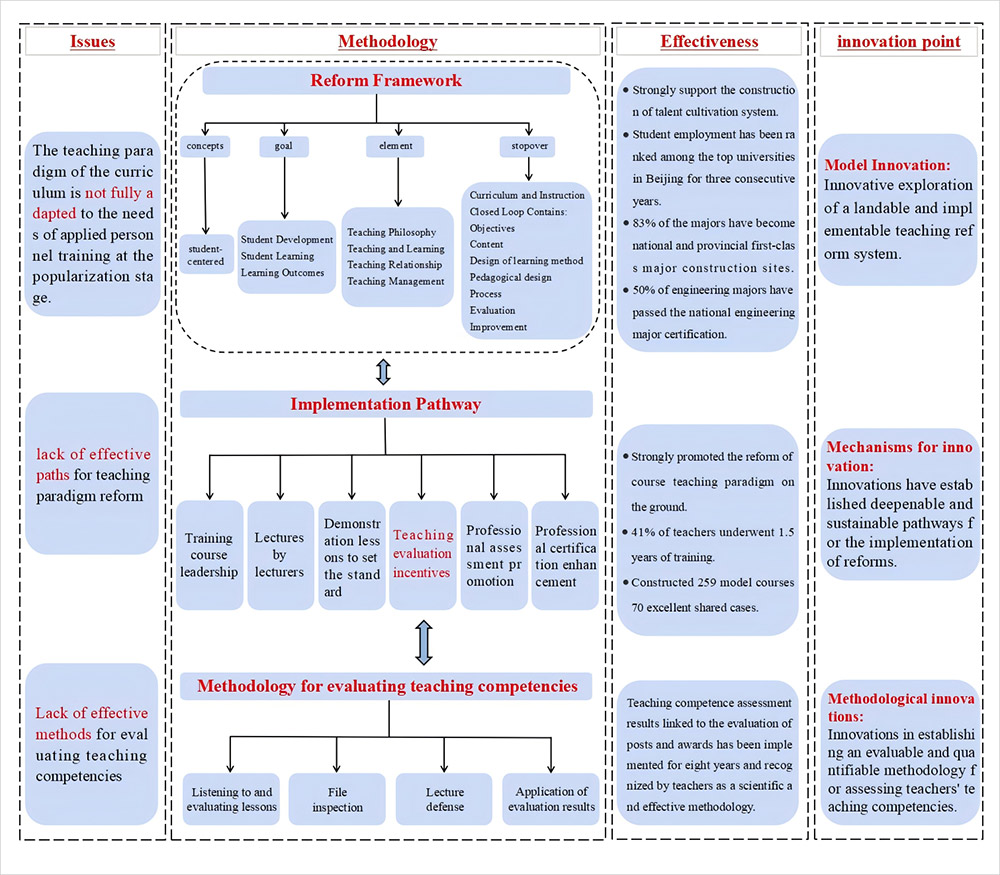
Design and Practice of New Engineering Innovation Education for Automation Majors
Frontiers in Educational Innovation and Research | Volume 2, Issue 1: 20-32, 2026 | DOI: 10.62762/FEIR.2025.700195
Abstract
This paper focuses on the needs of automation professional talent cultivation in the context of the construction of new engineering disciplines, and takes the course “Freshman Engineering Experience” as the research object, and carries out a systematic exploration of teaching reform in response to the problems of insufficient professional cognition and disconnection between theory and practice that exist in the current engineering education. By restructuring the curriculum system, innovating teaching methods and optimizing the practice platform, a progressive cultivation mode of “Cognition-Practice-Innovation” has been constructed. In curriculum design, the combination of professiona... More >

Graphical Abstract
Design and Practice of New Engineering Innovation Education for Automation Majors
Free Access | Research Article | 08 March 2026 | Cited: Crossref logo  2
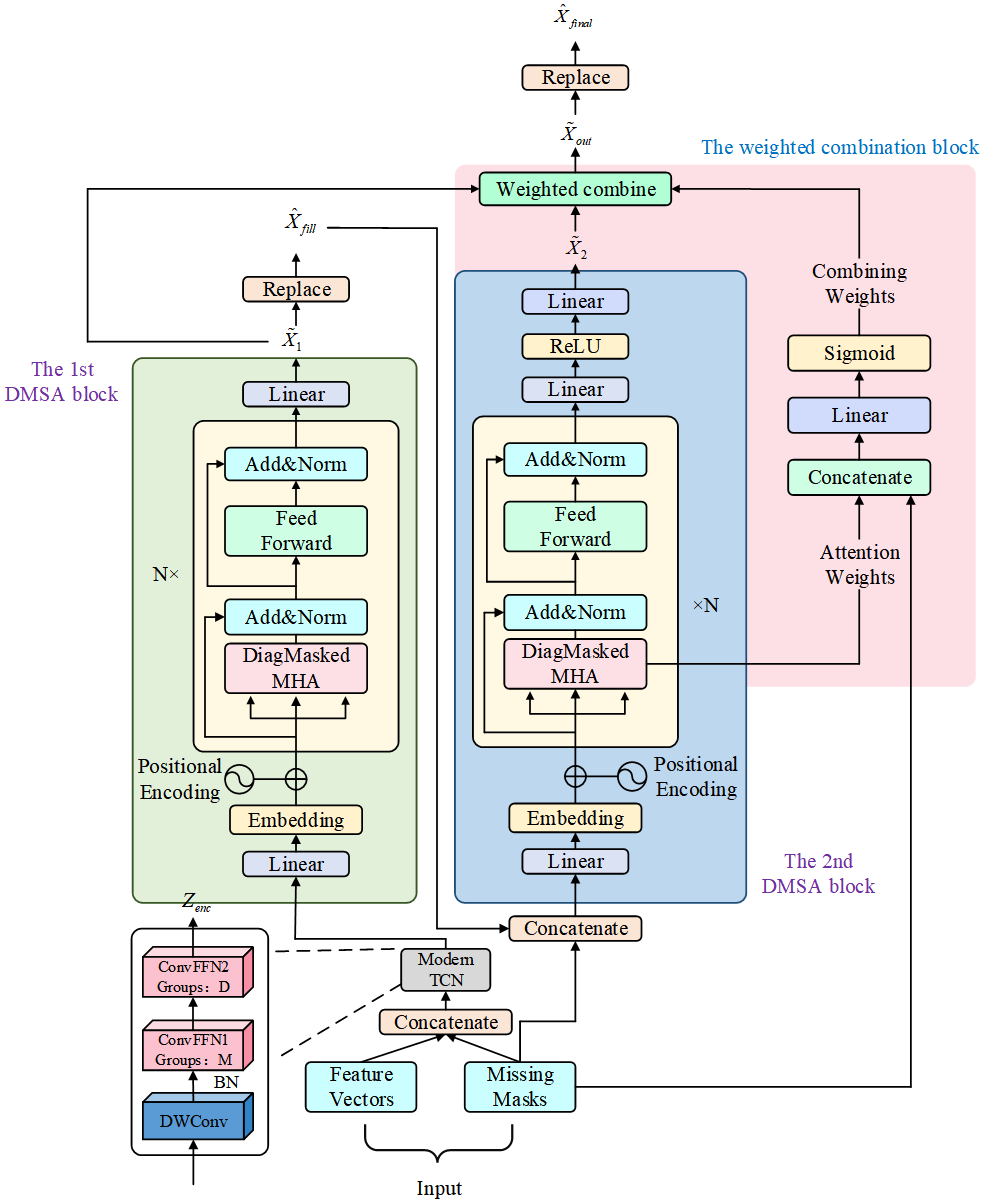
M-SAITS: A Dual-Stage Time Series Imputation Network via Decoupled Large-Kernel Convolution and Diagonally-Masked Attention
ICCK Transactions on Machine Intelligence | Volume 2, Issue 2: 106-115, 2026 | DOI: 10.62762/TMI.2026.671182
Abstract
Missing value imputation in multivariate time series is a critical challenge in the field of data mining. Although Transformer-based methods excel in modeling long-range dependencies, their inherent point-wise attention mechanisms often lack explicit modeling of local inductive biases in time series, making it difficult to effectively capture local smoothness and evolutionary trends. Furthermore, existing feature embedding strategies struggle to fully decouple the internal temporal evolution of variables from complex cross-variable dependencies. To address these limitations, this paper proposes a novel dual-stage imputation framework named M-SAITS. This framework innovatively introduces a de... More >

Graphical Abstract
M-SAITS: A Dual-Stage Time Series Imputation Network via Decoupled Large-Kernel Convolution and Diagonally-Masked Attention
Open Access | Research Article | 06 March 2026 | Cited: Crossref logo  2 , Scopus 2
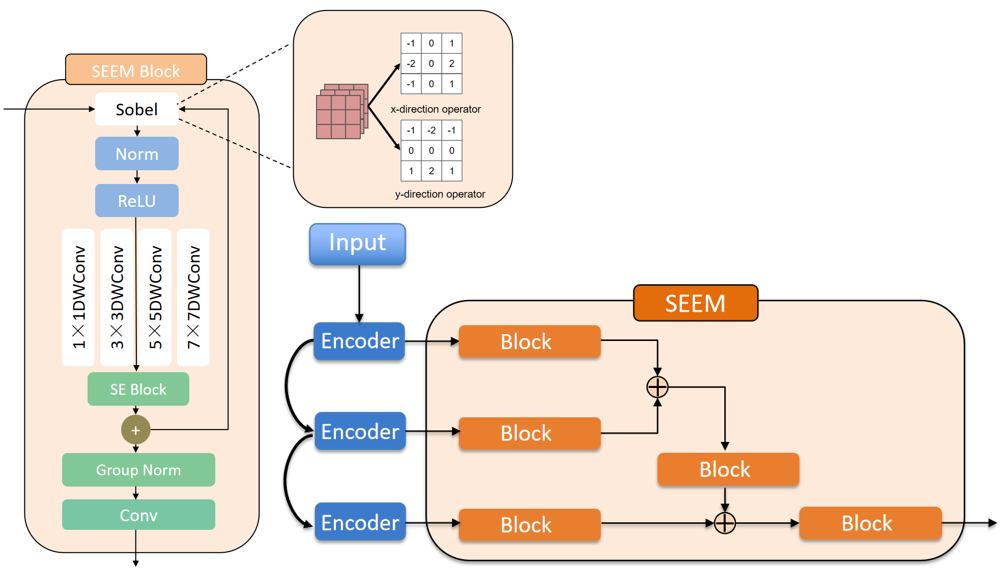
SEFF-Net: A Hybrid Feature Fusion Network for Accurate Segmentation of Breast Ultrasound Images
ICCK Transactions on Emerging Topics in Artificial Intelligence | Volume 3, Issue 2: 128-141, 2026 | DOI: 10.62762/TETAI.2026.494190
Abstract
Breast ultrasound imaging plays a crucial role in early breast cancer screening and diagnosis due to its noninvasive nature and cost-effectiveness. However, accurate lesion segmentation remains challenging because of severe speckle noise, low contrast, and blurred tumor boundaries. To address these issues, this paper proposes SEFF-Net, a novel edge-aware feature fusion network with a U-shaped encoder–decoder architecture to capture multi-level semantic representations for breast ultrasound image segmentation task. To enhance boundary perception, a Self-learning Edge Enhancement Module is embedded in the shallow encoding stages, while a Spatial Feature Fusion Module is introduced to effecti... More >

Graphical Abstract
SEFF-Net: A Hybrid Feature Fusion Network for Accurate Segmentation of Breast Ultrasound Images
Free Access | Research Article | 30 April 2025 | Cited: Crossref logo  3 , Scopus 3
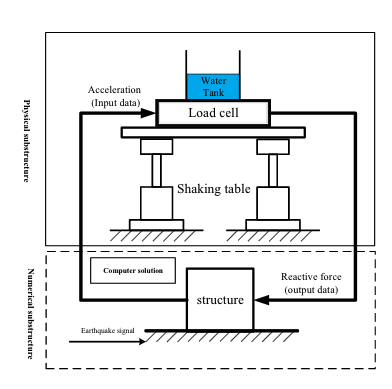
Parameter Estimation for the Tuned Liquid Damper Model Based on Robust Extended Kalman Filter
ICCK Transactions on Sensing, Communication, and Control | Volume 2, Issue 2: 75-84, 2025 | DOI: 10.62762/TSCC.2025.663633
Abstract
The Tuned Liquid Damper (TLD) method offers a practical and cost-effective solution for seismic design. Accurate modeling of the TLD system’s dynamic behavior is crucial for optimizing its performance. In this study, the nonlinear dynamics of the TLD system are characterized using the Housner model, with parameters estimated via a nonlinear state estimation approach. To address challenges associated with model discretization and unknown noise processes, we introduce a Robust Extended Kalman Filter (REKF) that incrementally incorporates uncertainties to more accurately capture system dynamics. The proposed method is evaluated through real-time hybrid simulation, employing seismic input sign... More >

Graphical Abstract
Parameter Estimation for the Tuned Liquid Damper Model Based on Robust Extended Kalman Filter
Open Access | Research Article | 22 March 2025 | Cited: Crossref logo  1 , Scopus 1
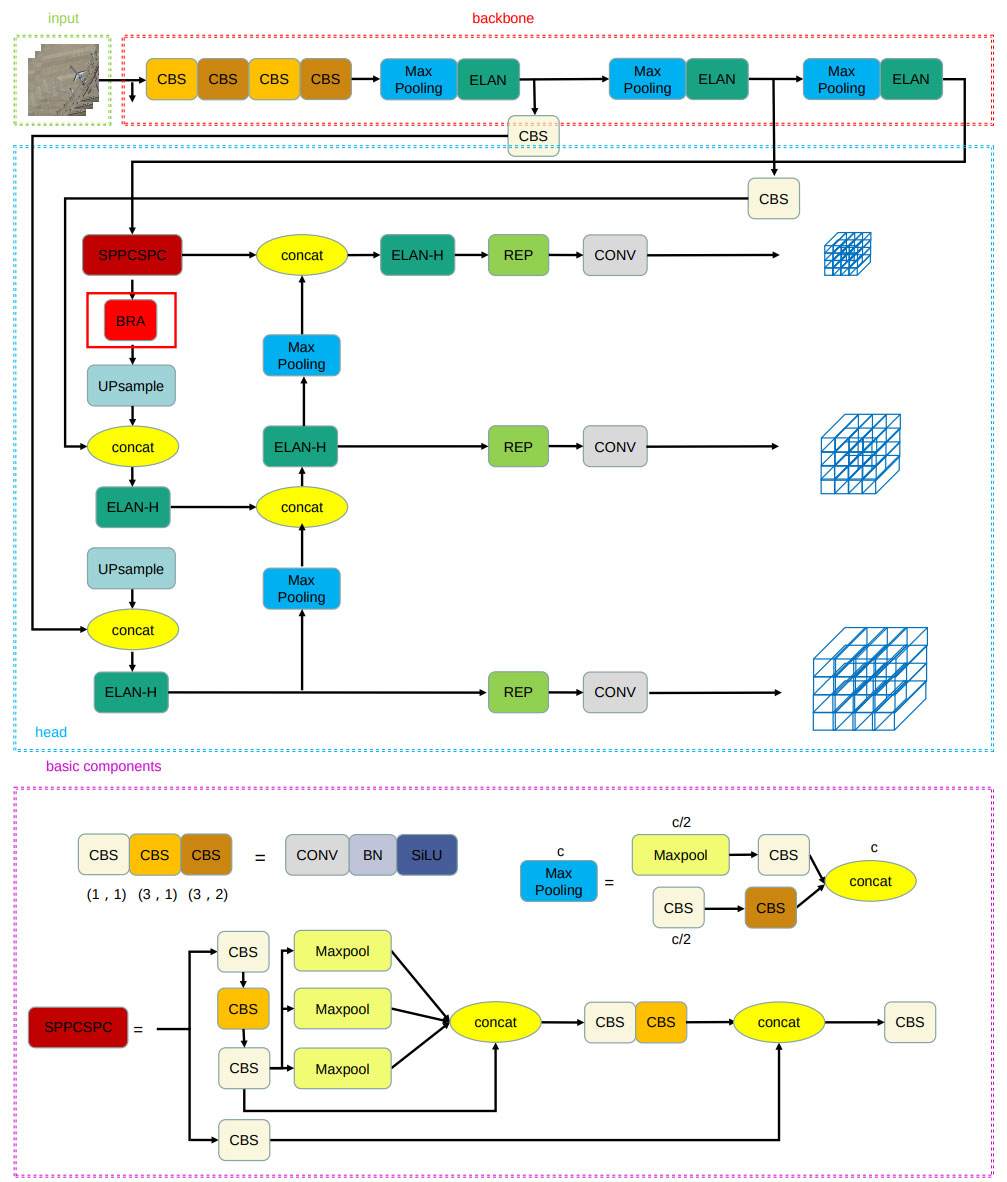
A Deep-Learning Detector via Optimized YOLOv7-bw Architecture for Dense Small Remote-Sensing Targets in Harsh Food Supply Applications
Chinese Journal of Information Fusion | Volume 2, Issue 1: 38-58, 2025 | DOI: 10.62762/CJIF.2025.919344
Abstract
With the progressive advancement of remote sensing image technology, its application in the agricultural domain is becoming increasingly prevalent. Both cultivation and transportation processes can greatly benefit from utilizing remote sensing images to ensure adequate food supply. However, such images often exist in harsh environments with many gaps and dense distribution, which poses major challenges to traditional target detection methods. The frequent missed detections and inaccurate bounding boxes severely constrain the further analysis and application of remote sensing images within the agricultural sector. This study presents an enhanced version of the YOLO algorithm, specifically tai... More >

Graphical Abstract
A Deep-Learning Detector via Optimized YOLOv7-bw Architecture for Dense Small Remote-Sensing Targets in Harsh Food Supply Applications
  • 1
  • 2