



Agricultural Science and Food Processing

Publishing Model:
ISSN:
Online ISSN: 3066-1579 | Print ISSN: 3066-1560
Indexing: Google Scholar, Dimensions, Lens, ResearchGate, OpenAlex, WorldCat
Agricultural Science and Food Processing mainly publishes the latest research results and insights in the fields of agricultural science and food processing.
DOI Prefix: 10.62762/ASFP

Journal Metrics

-
Impact Factor
-
CiteScore

Recent Articles

Open Access | Review Article | 29 June 2025 | Cited: Crossref logo  2 , Scopus 2
Ultrasound as a Technique to Extract Plant Proteins: Effects, Yields and Modifications
Agricultural Science and Food Processing | Volume 2, Issue 2: 89-105, 2025 | DOI: 10.62762/ASFP.2025.102130
Abstract
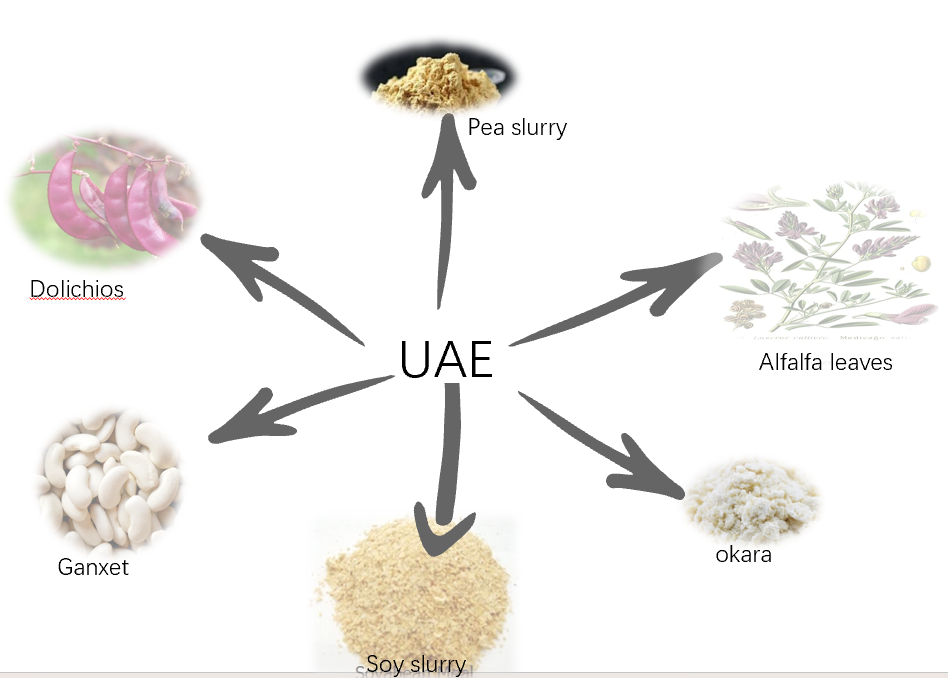
Plant-based proteins have been promoted in research for various reasons. First, more people choose to live sustainably with environmental concerns. Moreover, adequate proteins are required for the new challenge in an expanding world population. Furthermore, from an industrial perspective, extracting nutrients from cheaper sources with better value in both nutrients and markets is in demand. Proteins from traditional sources such as soy and wheat, seeing potential value in other protein-rich legumes, seeds, or even leaves, have been considered as sources over the past 20 years in approximation. The extractions can be done traditionally by thermal or alkali methods, while other novel technique... More >

Graphical Abstract

Ultrasound as a Technique to Extract Plant Proteins: Effects, Yields and Modifications
Open Access | Review Article | 16 May 2025 | Cited: Crossref logo  5 , Scopus 6
Application of Artificial Intelligence in Food Industry: A Review
Agricultural Science and Food Processing | Volume 2, Issue 2: 68-88, 2025 | DOI: 10.62762/ASFP.2025.552607
Abstract
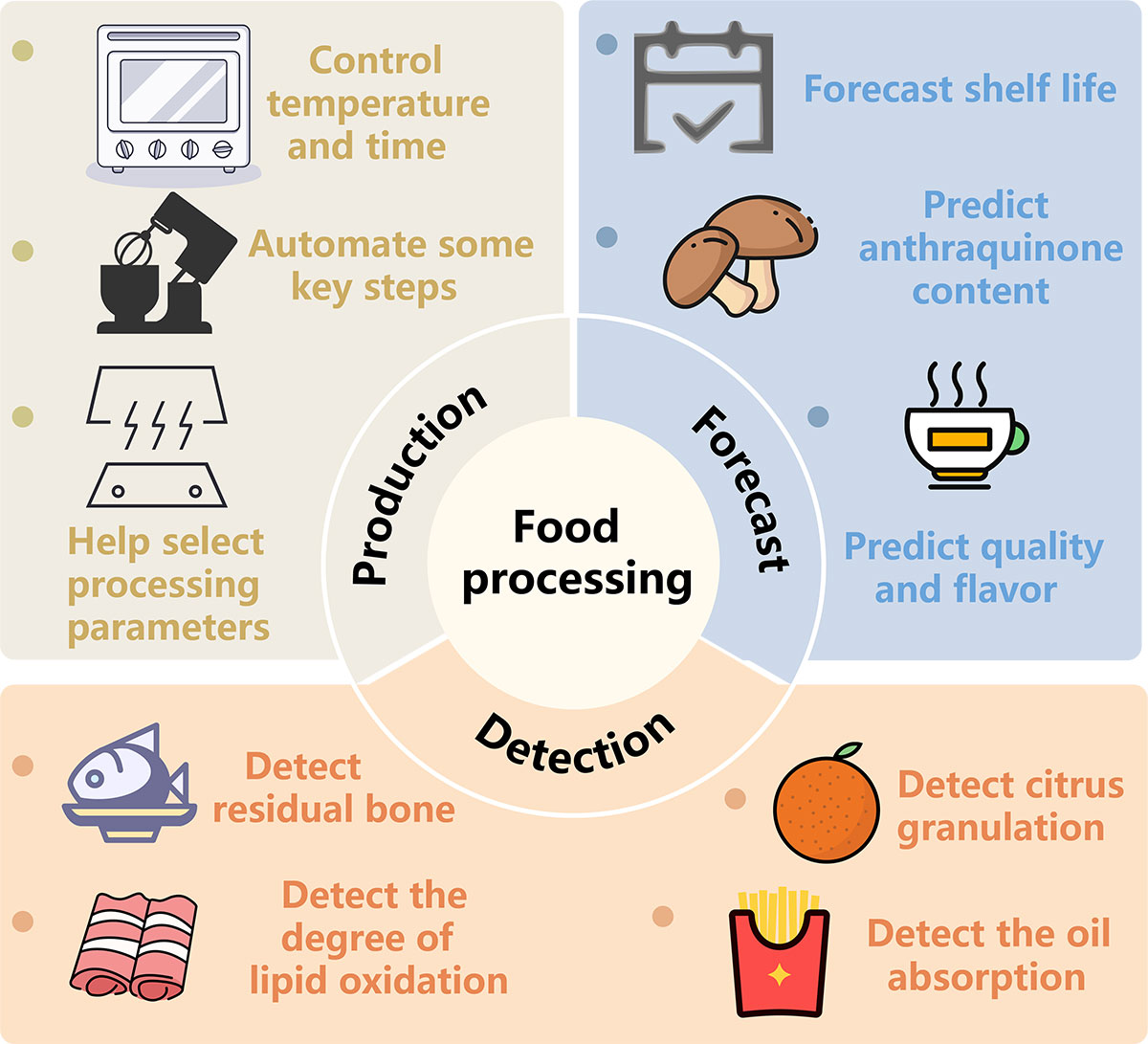
As people’s living standards continue to rise, the food processing industry is facing many challenges such as improving production efficiency, ensuring food safety, and reducing processing costs. The emergence of artificial intelligence (AI) technology has brought new opportunities for this industry. This paper describes AI applications in food processing, especially focuses on machine learning (ML) and deep learning (DL) techniques. These techniques are used for grading and sorting of raw materials, production optimization during food processing, quality inspection, and food safety assurance. For example, ML algorithms can be combined with non-destructive testing techniques. This allows f... More >

Graphical Abstract

Application of Artificial Intelligence in Food Industry: A Review
Open Access | Research Article | 31 March 2025 | Cited: Crossref logo  1 , Scopus 1
Effects of Precipitation Methods on Protease Yield and Proteolytic Activities of Protease Enzyme from Different Maturity Stages of Starfruit (Averrhoa Carambola)
Agricultural Science and Food Processing | Volume 2, Issue 1: 56-67, 2025 | DOI: 10.62762/ASFP.2025.993704
Abstract
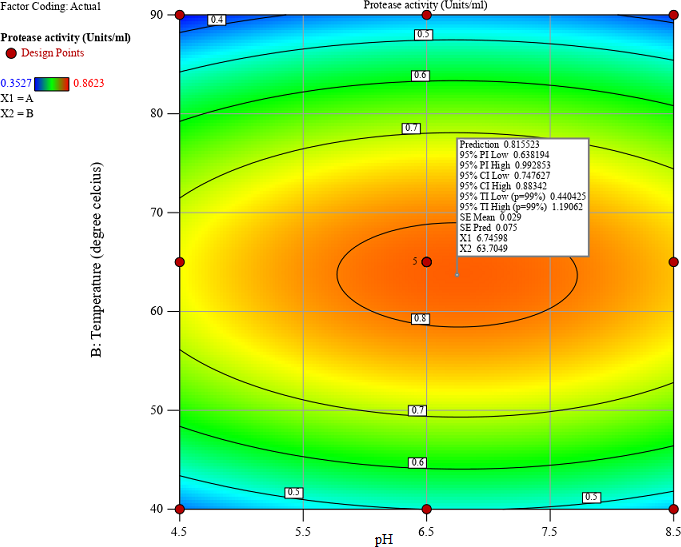
This study investigates the impact of three precipitation methods—ammonium sulfate (40%), acetone, and acetone with trichloroacetic acid (TCA)—on the yield and activity of protease extracted from Averrhoa carambola (starfruit) at different maturity stages (unripe, semi-ripe, and ripe). Response surface methodology (RSM) was used to optimize hydrolysis conditions, focusing on temperature and pH. Proteases were incubated in buffers ranging from pH 3.5 to 8.5 and at temperatures between 40°C and 90°C, and their proteolytic activity was assessed. Storage stability was monitored over 7 days at <4°C. Ammonium sulfate (40%) yielded the highest proteolytic activity (PA), especially at the unr... More >

Graphical Abstract
Effects of Precipitation Methods on Protease Yield and Proteolytic Activities of Protease Enzyme from Different Maturity Stages of Starfruit (Averrhoa Carambola)
Open Access | Research Article | 31 March 2025
Key Techniques and Efficiency Analysis of Amplification of Flanking Unknown Sequences by Inverse PCR
Agricultural Science and Food Processing | Volume 2, Issue 1: 47-55, 2025 | DOI: 10.62762/ASFP.2024.865235
Abstract
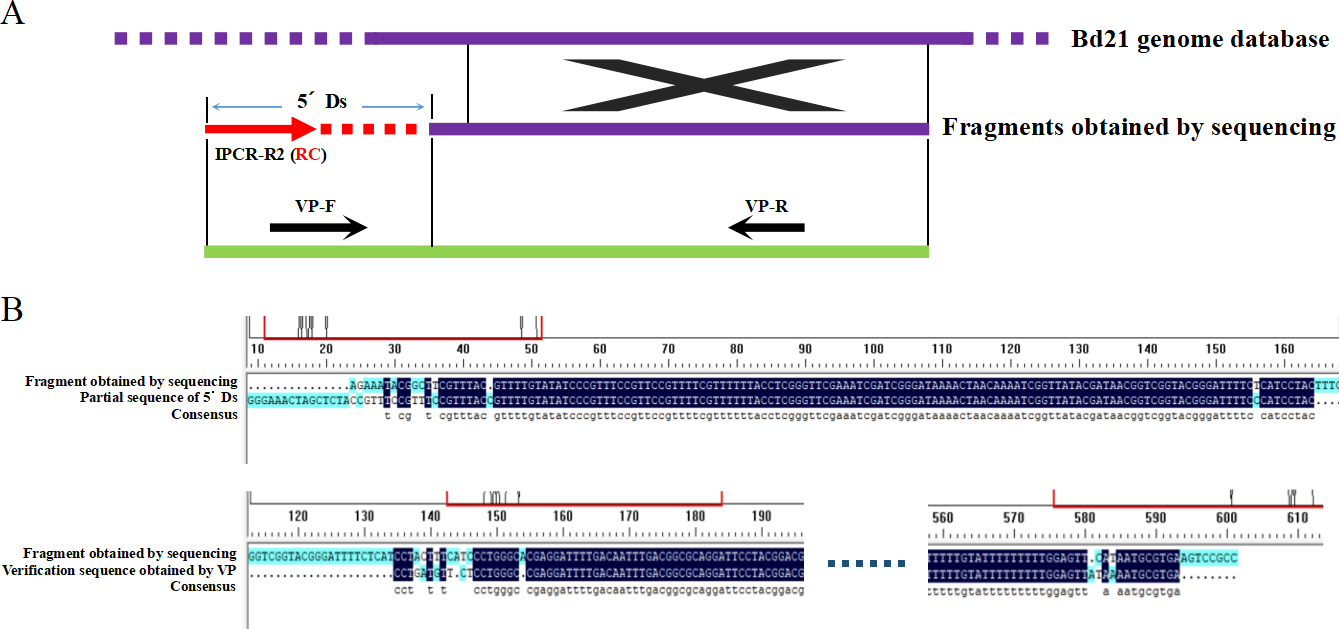
Inverse PCR (IPCR) is a reliable, straightforward, and effective technique for acquiring unknown sequences. In this study, we used the model monocot Brachypodium distachyon (ecotype Bd21) to standardize the conditions and materials necessary for the successful execution of IPCR. The analysis of the amplified sequences resulted in the following conclusions. First, the distance between the nearest primer and the boundary of the known-unknown sequence is crucial for determining whether the target sequence can be expanded in the second round of IPCR. Specifically, this distance should exceed 100 bp, ideally around 200 bp. Second, because the random cleavage of a 6 bp endonuclease occurs at a gre... More >

Graphical Abstract
Key Techniques and Efficiency Analysis of Amplification of Flanking Unknown Sequences by Inverse PCR
Open Access | Review Article | 28 March 2025 | Cited: Scopus 2
The Application of Genomics in Agriculture
Agricultural Science and Food Processing | Volume 2, Issue 1: 26-46, 2025 | DOI: 10.62762/ASFP.2025.111574
Abstract
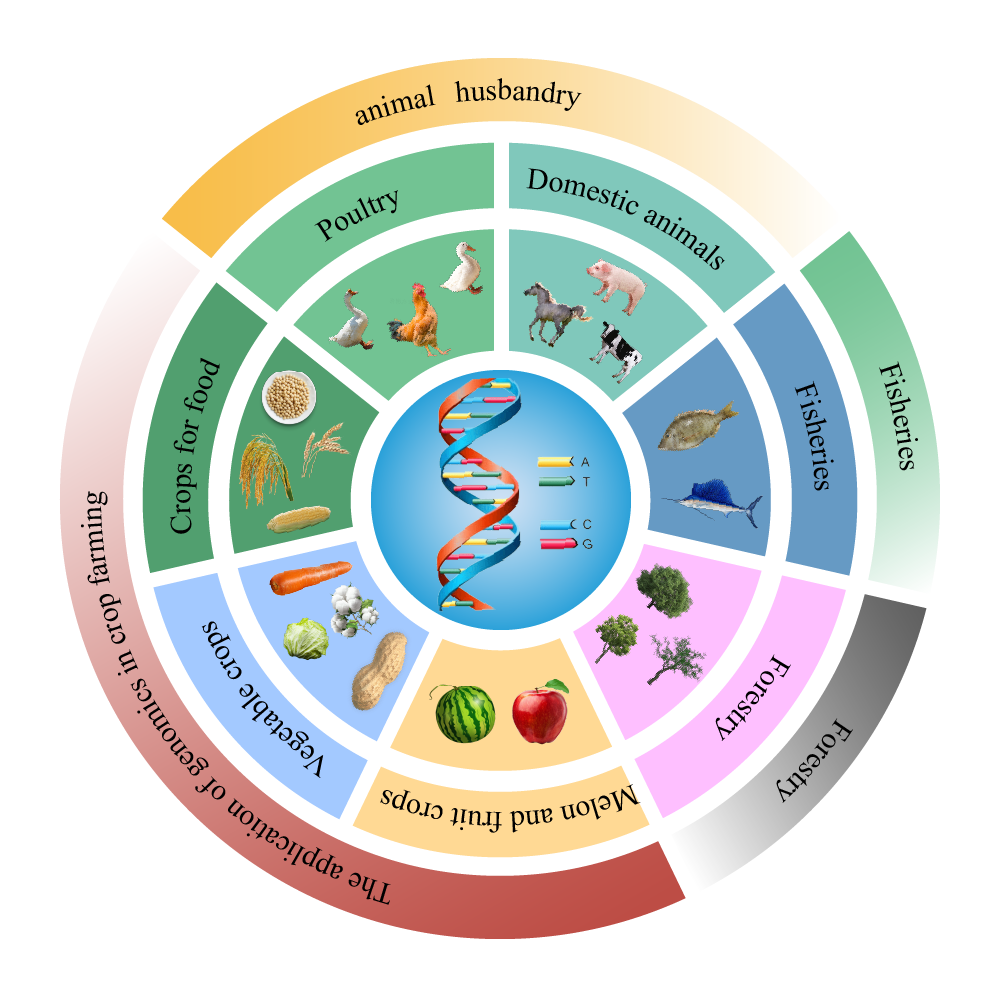
With the growing global population and the challenges of environmental change, genomics has a crucial role to play in improving agricultural yield and sustainability. This article reviews the application of genomics in crop, animal husbandry, fishery and forestry in the past five years. In crop production, genomics has facilitated the genetic improvement of major crops such as rice, wheat, and maize, which have improved crop nutritional value, yield, and resistance to abiotic stresses. In the livestock industry, genomics research in poultry and other livestock has driven breeding improvements and enhanced animal health and productivity. Fisheries use genomic resources for population manageme... More >

Graphical Abstract
The Application of Genomics in Agriculture
Open Access | Review Article | 20 March 2025 | Cited: Crossref logo  4 , Scopus 4
Acrylamide in Food: Sources and Prevention
Agricultural Science and Food Processing | Volume 2, Issue 1: 12-25, 2025 | DOI: 10.62762/ASFP.2024.537179
Abstract
Acrylamide, a toxic compound with potential carcinogenic effects, is commonly formed in carbohydrate-rich foods through the Maillard reaction between reducing sugars and amino acids during high-temperature cooking processes. This study reviews the sources of acrylamide in food, its health risks, and various mitigation strategies. Acrylamide is prevalent in products such as bread, potato products, and coffee. Its formation is influenced by factors like pH, temperature, and cooking time. Effective mitigation strategies include modifying cooking methods, using enzymes like asparaginase, selecting low-carbohydrate materials, and applying pretreatments such as soaking in specific solutions or add... More >

Graphical Abstract
Acrylamide in Food: Sources and Prevention
Open Access | Review Article | 19 November 2024 | Cited: Crossref logo  2 , Scopus 1
Research Progress on Time Series Prediction of Agricultural Disaster Risk: A Mini-review
Agricultural Science and Food Processing | Volume 2, Issue 1: 1-11, 2025 | DOI: 10.62762/ASFP.2024.610643
Abstract
Food security is crucial for human survival and national economic development, but frequent meteorological disasters have caused great harm to agricultural production. Therefore, it is very important and meaningful to study how to quickly and accurately predict the loss rate of disasters. Only based on historical loss sequence, the time series prediction method can effectively predict future loss. Therefore, this paper first briefly describes the main means of time series prediction, namely statistical methods and machine learning algorithms. Secondly, the commonly used machine learning algorithms for disaster loss time series prediction, and its application cases and existing problems, were... More >
Open Access | Research Article | 15 November 2024 | Cited: Crossref logo  1 , Scopus 2
Effects of Fermentation Process and in Vitro Digestion on the Content of Total Phenols and Isoflavones and Antioxidant Properties in Natto
Agricultural Science and Food Processing | Volume 1, Issue 1: 38-47, 2024 | DOI: 10.62762/ASFP.2024.541137
Abstract
To investigate the changes of bioactive compounds during natto fermentation, this study focused on the variations in the levels of phenolic compounds, isoflavones, and antioxidant capabilities at various stages of the natto fermentation. Additionally, the impact of simulated in vitro digestion process of natto on phenolic compounds, isoflavones, and antioxidant capabilities was evaluated. The results indicated that fermentation process increased the phenolic content of 60.56%, while the isoflavone content decreased in 63.30%. Following in vitro digestion, the total phenolics content exhibited a release rate of 70.64%, while the isoflavones content had a residual rate of 21.79%. Antioxidant a... More >

Graphical Abstract
Effects of Fermentation Process and in Vitro Digestion on the Content of Total Phenols and Isoflavones and Antioxidant Properties in Natto

Journal Statistics

71
Authors
6
Countries / Regions
28
Articles
Scopus: 29
Citations
2024
Published Since
91,707
Article Views
17,838
Article Downloads
Agricultural Science and Food Processing
eISSN: 3066-1579 | pISSN: 3066-1560
Crossref
Crossref
Member of Crossref
Visit Crossref →