Volume 2, Issue 1 (In Progress)


In Progress
Citations: 0, 0,  0   |   Viewed: 87, Download: 35

Table of Contents

Open Access | Research Article | 12 March 2026
SAWAOS: Smart Agri-Waste Analysis and Optimization System
Digital Intelligence in Agriculture | Volume 2, Issue 1: 12-18, 2026 | DOI: 10.62762/DIA.2025.690210
Abstract
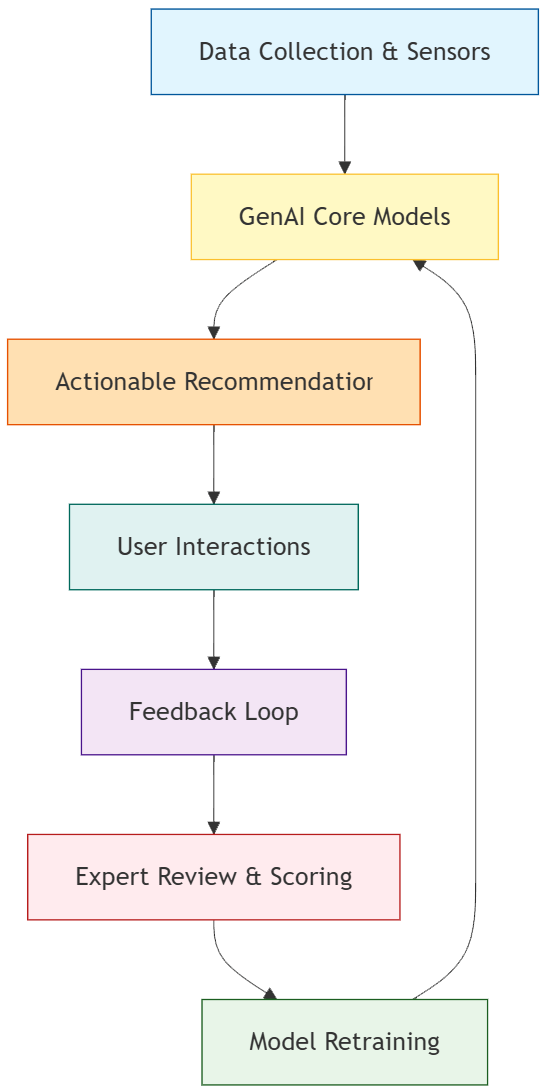
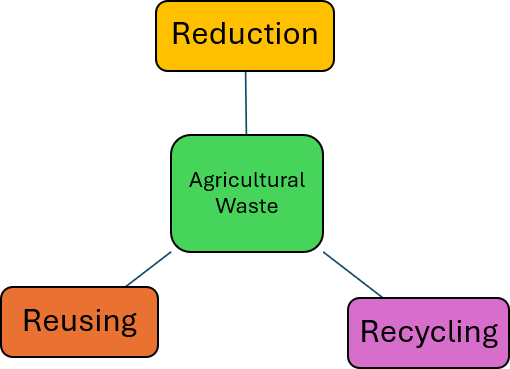
The growing volume of agricultural residues poses significant environmental and economic challenges, while existing waste management practices remain inefficient and unsustainable. This paper presents SAWAOS (Smart Agri-Waste Analysis and Optimization System), an applied AI-based decision-support framework for intelligent agricultural waste utilization. SAWAOS integrates waste characteristics, location information, and domain knowledge to generate context-aware recommendations for composting, bioenergy conversion, and industrial reuse. The system employs an explainable, rule-enhanced AI decision logic suitable for low-data rural environments and incorporates a digital marketplace that direct... More >

Graphical Abstract
SAWAOS: Smart Agri-Waste Analysis and Optimization System
Open Access | Research Article | 09 March 2026
Application of Different Rearing Modes on Growth Performance of Goslings in Cold Northern Regions Under the Background of Artificial Intelligence
Digital Intelligence in Agriculture | Volume 2, Issue 1: 1-11, 2026 | DOI: 10.62762/DIA.2025.864705
Abstract
Under the background of AI promoting precision livestock farming, this study compared the effects of fermentation bed and net bed systems on gosling rearing in cold northern regions using AI-based intelligent temperature monitoring. A total of 10,000 one-day-old "Dasanhua" goslings were divided into two groups (n=5,000/group) and reared for 28 days. An AI-driven wireless temperature sensing system enabled real-time, high-precision monitoring of environmental temperatures. Growth performance (ADG, ADFI, F/G, survival rate) and economic benefits were systematically evaluated. The AI system revealed significant temperature differences: the fermentation bed maintained a stable average temperatur... More >