


Journal of Artificial Intelligence in Bioinformatics

Publishing Model:
ISSN:
ISSN: 3068-7535
Journal of Artificial Intelligence in Bioinformatics (JAIB) is an international, peer-reviewed journal dedicated to publishing impactful research at the intersection of artificial intelligence (AI) and bioinformatics.
DOI Prefix: 10.62762/JAIB

Journal Metrics

-
Impact Factor
-
CiteScore

Recent Articles

Open Access | Research Article | 30 September 2026
AI-Driven Mammography for Early Breast Cancer Detection: A Three-Tier Framework Integrating CNN-ViT Hybrid Diagnosis, Explainable AI, and Robotic-Assisted Biopsy
Journal of Artificial Intelligence in Bioinformatics | Volume 2, Issue 2: 68-79, 2026 | DOI: 10.62762/JAIB.2026.442596
Abstract
Breast cancer remains the leading malignancy among women worldwide, while conventional mammography screening is limited by inter-reader variability, radiologist workload, and false-negative diagnoses. This study evaluates a three-tier intelligent framework integrating AI classification, explainable reporting, and robot-assisted biopsy guidance. A hypothetical cohort of 3,542 mammographic cases was constructed from published distributions of three benchmark datasets and evaluated using a 60/20/20 train–validation–test split with stratified 5-fold cross-validation. The framework comprises a CNN–ViT hybrid combining ResNet-50 feature extraction with Vision Transformer attention, a triple-... More >

Graphical Abstract
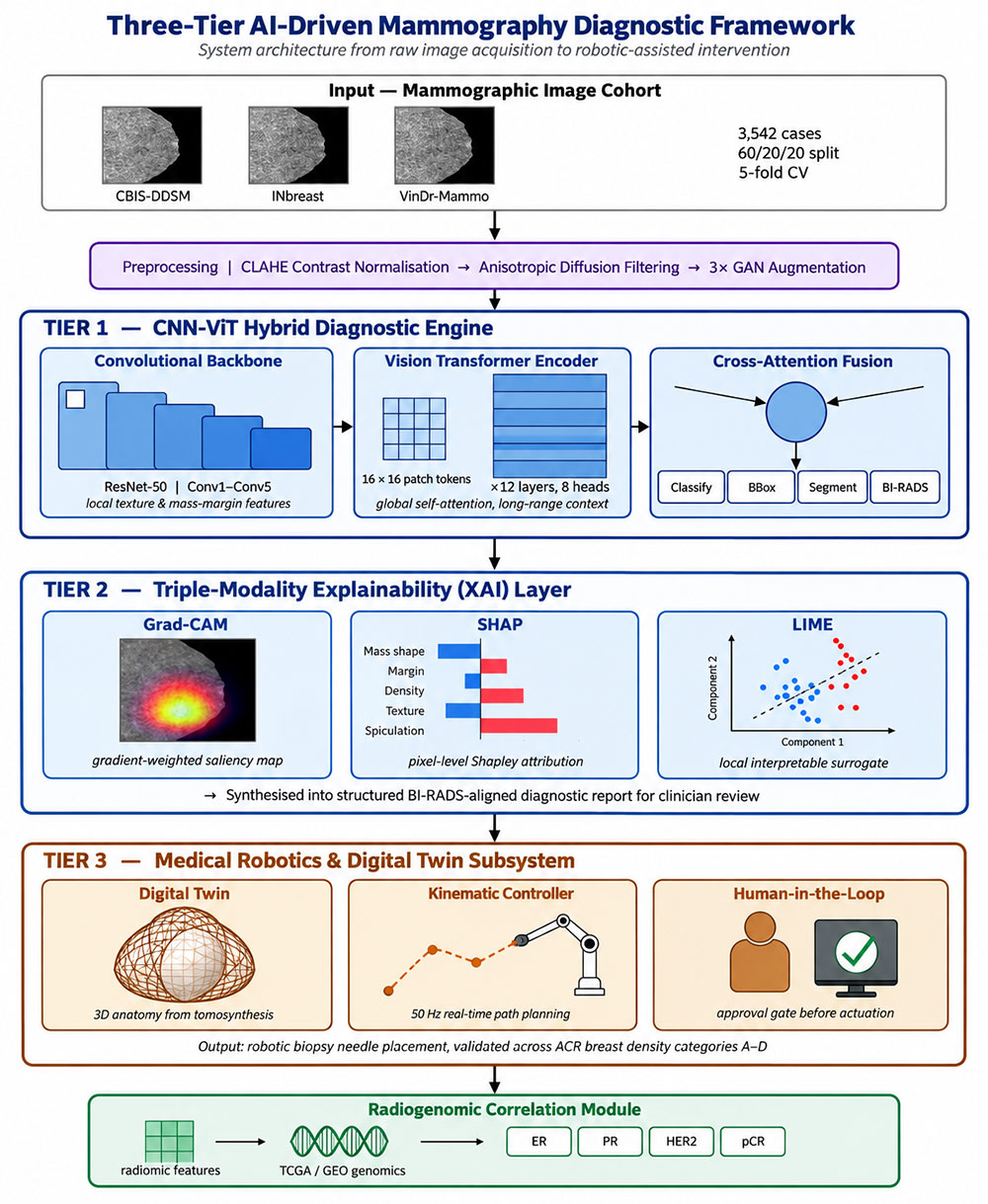
AI-Driven Mammography for Early Breast Cancer Detection: A Three-Tier Framework Integrating CNN-ViT Hybrid Diagnosis, Explainable AI, and Robotic-Assisted Biopsy
Open Access | Review Article | 22 September 2026
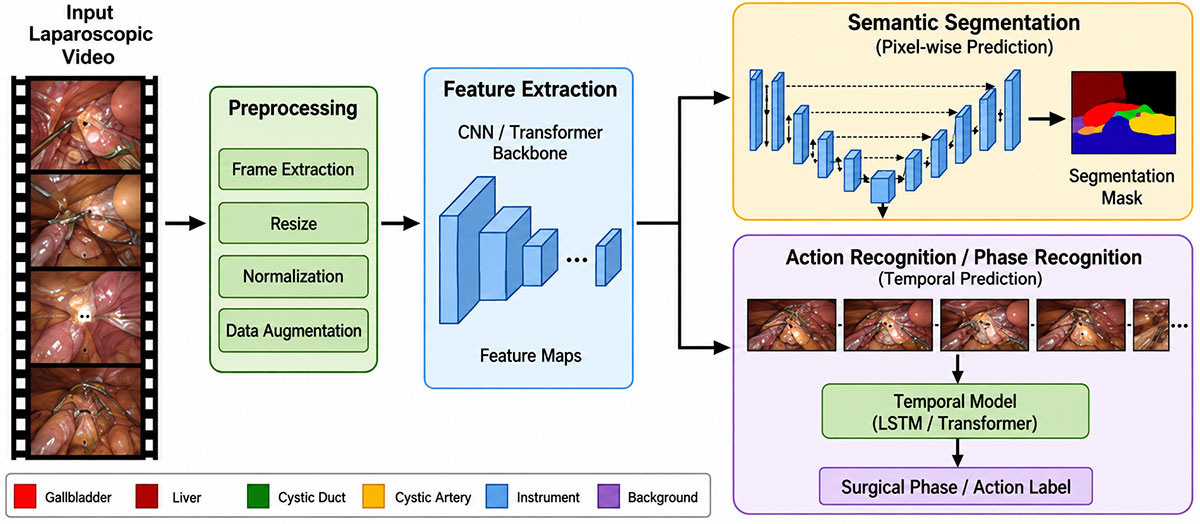
Deep Learning-Based Segmentation, Action, and Phase Recognition in Laparoscopic Cholecystectomy: A Review
Journal of Artificial Intelligence in Bioinformatics | Volume 2, Issue 2: 55-67, 2026 | DOI: 10.62762/JAIB.2026.698089
Abstract
The integration of artificial intelligence into biomedical image analysis represents a paradigm shift in clinical decision support and surgical informatics. Laparoscopic cholecystectomy (LC) is a widely performed minimally invasive procedure but remains technically challenging due to limited visibility, anatomical variations, and the risk of complications such as bile duct injury. Artificial intelligence (AI), particularly deep learning (DL), has shown great potential for improving intraoperative understanding through automated surgical video analysis. This review summarizes recent advances in DL-based LC video analysis, focusing on semantic segmentation and surgical action or phase recognit... More >

Graphical Abstract

Deep Learning-Based Segmentation, Action, and Phase Recognition in Laparoscopic Cholecystectomy: A Review
Open Access | Research Article | 21 September 2026
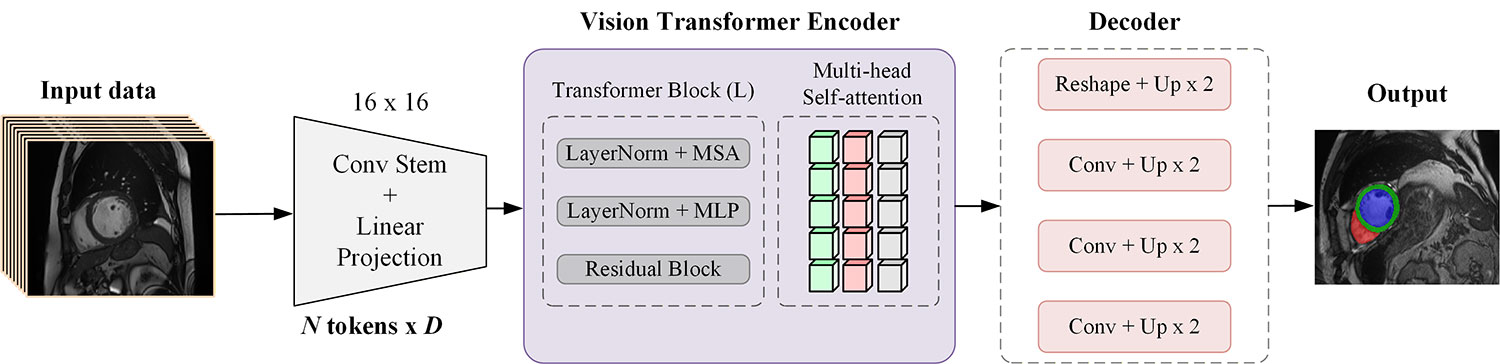
Global Self-Attention for Cardiac MRI: Unified Segmentation and Interpretable Pathology Diagnosis
Journal of Artificial Intelligence in Bioinformatics | Volume 2, Issue 2: 47-54, 2026 | DOI: 10.62762/JAIB.2026.668730
Abstract
Accurate delineation of cardiac structures from cine magnetic resonance imaging (MRI) is essential for quantitative assessment of ventricular function and for diagnosing cardiomyopathies. Convolutional encoders, although highly effective, capture context within a limited receptive field and may underrepresent the long-range spatial dependencies that characterize the heart across the cardiac cycle. In this work, we present a fully supervised framework that couples a Vision Transformer (ViT) encoder with a convolutional decoder to segment the left ventricle (LV), right ventricle (RV), and myocardium (Myo) on the Automated Cardiac Diagnosis Challenge (ACDC) dataset. The transformer backbone mo... More >

Graphical Abstract
Global Self-Attention for Cardiac MRI: Unified Segmentation and Interpretable Pathology Diagnosis
Open Access | Editorial | 13 September 2026
Large Language Models for Bioinformatics, Biomedicine, and Intelligent Healthcare
Journal of Artificial Intelligence in Bioinformatics | Volume 2, Issue 2: 44-46, 2026 | DOI: 10.62762/JAIB.2026.501542
Abstract
This editorial introduces a special topic on large language models (LLMs) in bioinformatics, biomedicine, and intelligent healthcare. It outlines the scope and directions of the topic, covering areas such as biomedical knowledge discovery, clinical text mining, multimodal foundation models, bioinformatics workflow automation, and autonomous LLM agents. The editorial also specifies the ethical, reproducibility, and submission requirements for prospective contributors. Researchers, clinicians, and data scientists working at the intersection of artificial intelligence and biomedical science are invited to submit original research, reviews, and perspective articles by 30 June 2027. More >
Open Access | Research Article | 15 July 2026
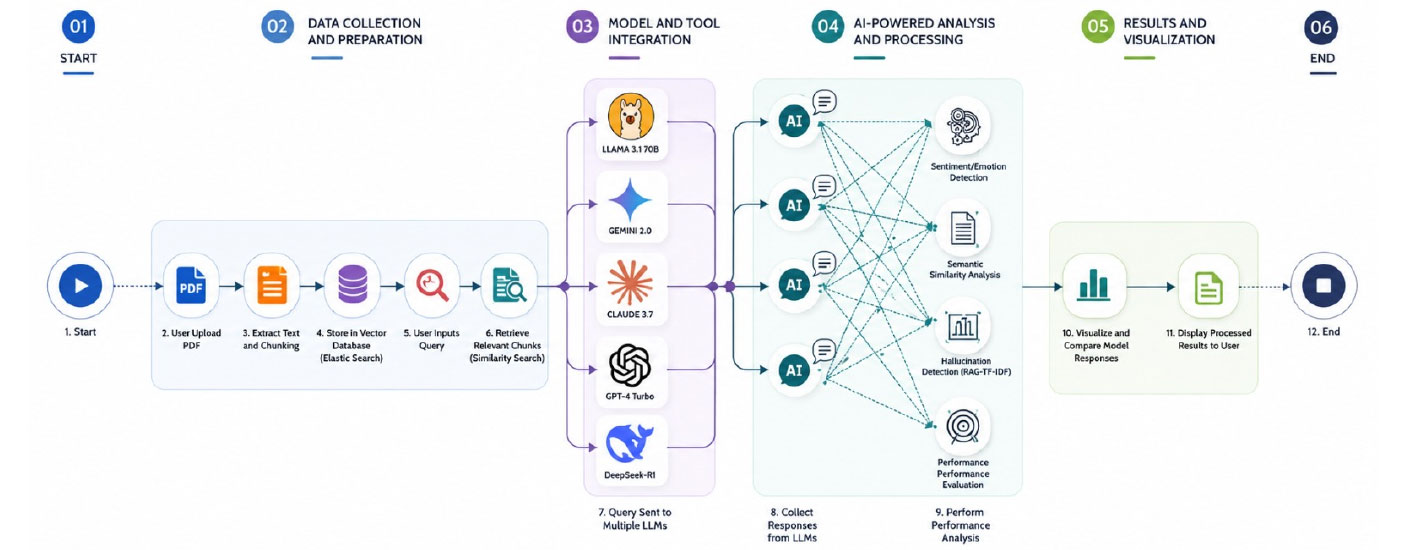
Challenges and Applications of Large Language Models in Emotion Analysis for Mental Health: A Mini Review
Journal of Artificial Intelligence in Bioinformatics | Volume 2, Issue 2: 31-43, 2026 | DOI: 10.62762/JAIB.2026.988603
Abstract
Emotion analysis in mental health has evolved from lexicon-based systems to large language models (LLMs) capable of contextual affect inference, severity estimation, and empathic dialogue generation, reflecting advances in NLP and the recognition that language is a rich proxy for psychological state. This mini review synthesizes LLM applications in mental health emotion analysis, characterizing methodological trends, identifying strengths and limitations, and highlighting critical gaps in benchmarking, clinical validation, and governance. A structured PRISMA-informed search across six databases (2017--2025) using three Boolean keyword clusters yielded 44 studies after two-stage independent s... More >

Graphical Abstract

Challenges and Applications of Large Language Models in Emotion Analysis for Mental Health: A Mini Review
Open Access | Research Article | 13 July 2026
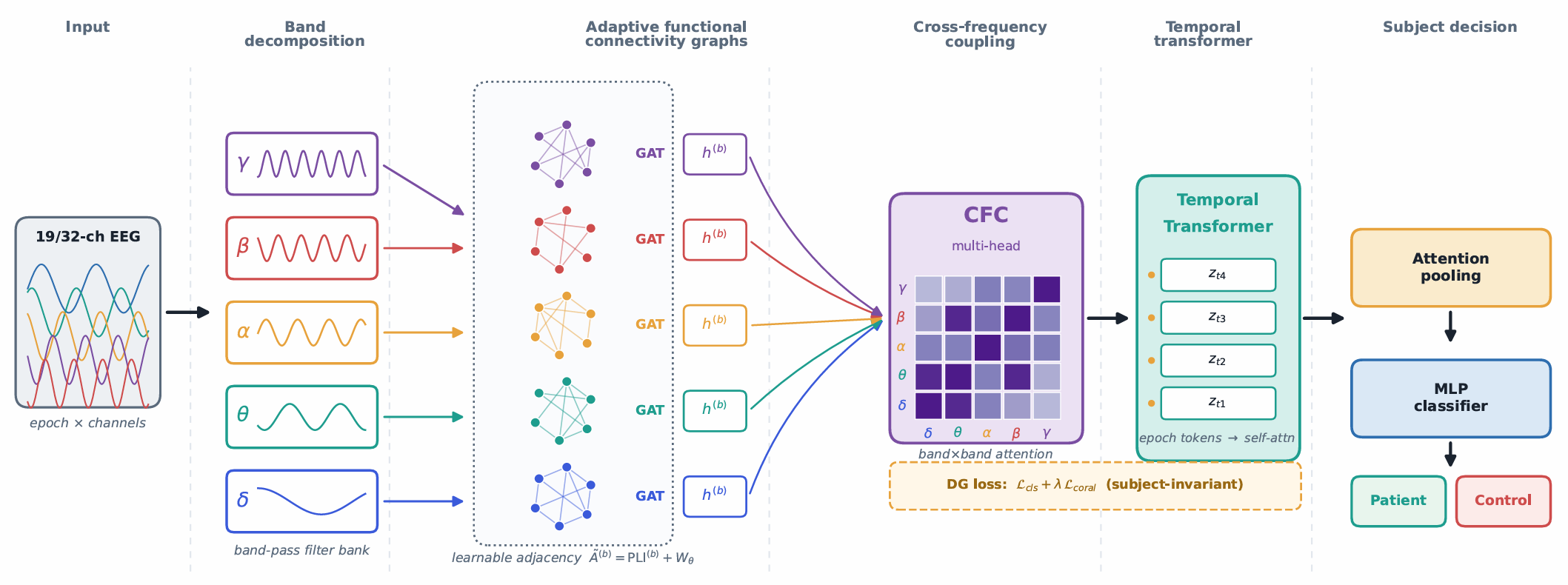
Cross-Frequency Graph-Transformer Networks for Subject-Independent EEG Classification of Neurodegenerative Disorders
Journal of Artificial Intelligence in Bioinformatics | Volume 2, Issue 2: 22-30, 2026 | DOI: 10.62762/JAIB.2026.815471
Abstract
Resting-state EEG offers a low-cost, non-invasive biomarker for Alzheimer's and Parkinson's diseases, yet most deep learning models fail to generalize to new patients due to subject-dependent evaluation protocols, isolated frequency-band processing, and the neglect of cross-frequency interactions. We propose CFGT-Net, a Cross-Frequency Graph-Transformer Network. For each EEG epoch, five canonical bands are processed by a graph attention encoder on a learnable phase-lag index adjacency to produce spatial embeddings. A cross-frequency coupling (CFC) attention models band interactions, a temporal transformer tracks their evolution across epochs, and a correlation-alignment loss enforces subject... More >

Graphical Abstract
Cross-Frequency Graph-Transformer Networks for Subject-Independent EEG Classification of Neurodegenerative Disorders
Open Access | Research Article | 30 June 2026
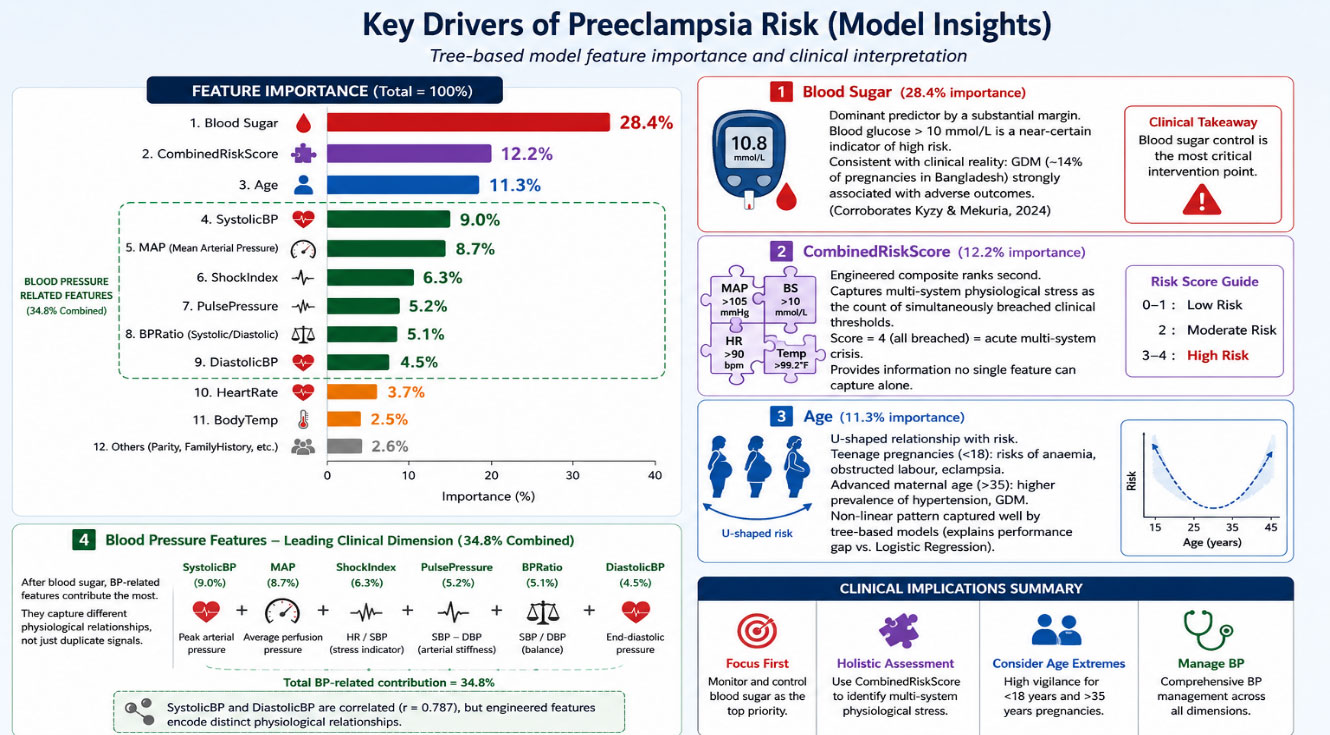
Maternal Health Risk Prediction in Bangladesh Using Machine Learning
Journal of Artificial Intelligence in Bioinformatics | Volume 2, Issue 1: 1-21, 2026 | DOI: 10.62762/JAIB.2026.495804
Abstract
Maternal mortality risk in Bangladesh remains a critical public health challenge, compounded by rural access gaps and the absence of scalable, data-driven early-warning systems. This study presents a reproducible, interpretable machine learning framework for maternal health risk classification using an IoT-collected dataset of 1,014 patient records and six physiological indicators; a deduplication audit identified 562 repeated sensor readings, a finding which is documented in the exploratory analysis. A rigorous pipeline was implemented encompassing five clinically grounded engineered features - Mean Arterial Pressure, Shock Index, Pulse Pressure, BP Ratio, and Composite Risk Score - alongsi... More >

Graphical Abstract
Maternal Health Risk Prediction in Bangladesh Using Machine Learning
Open Access | Review Article | 24 December 2025
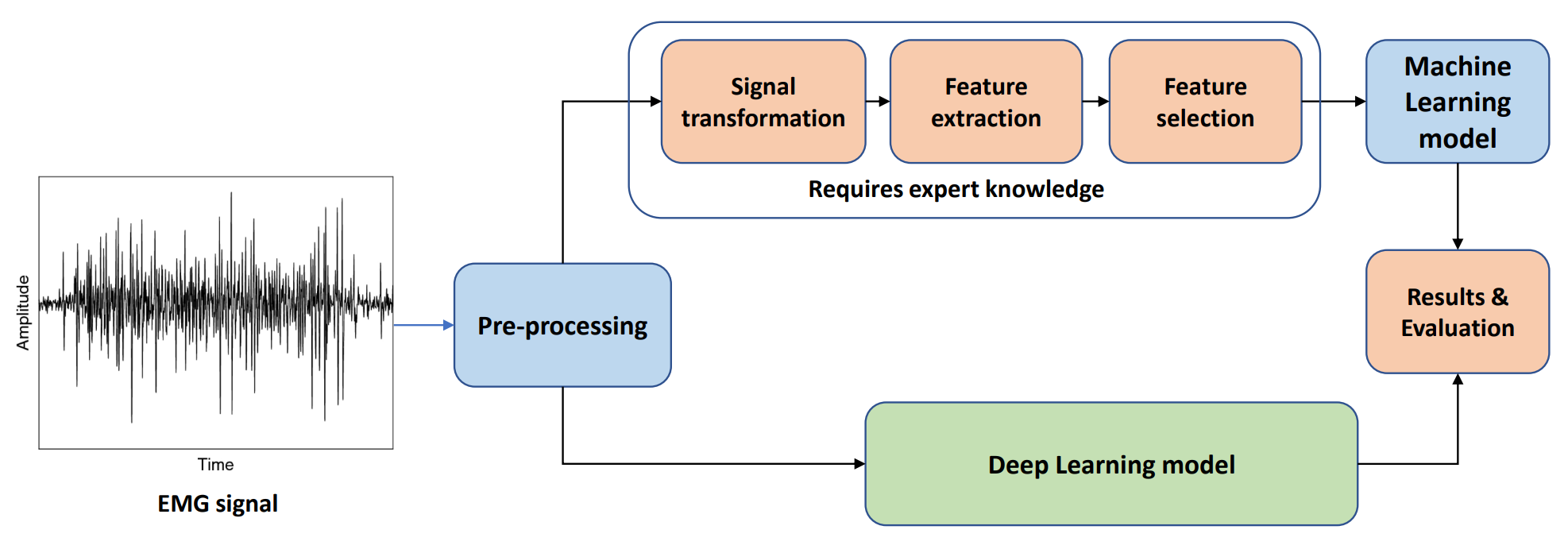
Bio-Inspired Machine Learning for Enhanced EMG Signal Analysis
Journal of Artificial Intelligence in Bioinformatics | Volume 1, Issue 2: 79-84, 2025 | DOI: 10.62762/JAIB.2025.677230
Abstract
Electromyography (EMG) signals provide critical insights into neuromuscular function, yet their analysis remains challenging due to inherent noise, inter-subject variability, and non-stationary characteristics. Bio-inspired artificial intelligence (AI) models, drawing computational principles from biological neural systems, offer promising solutions to these challenges. This mini-review synthesizes recent advances in bio-inspired AI approaches for EMG signal processing, including spiking neural networks, hierarchical deep learning, attention mechanisms, and neuromorphic computing. We evaluate state-of-the-art methods, comparing their performance across key metrics including classification ac... More >

Graphical Abstract
Bio-Inspired Machine Learning for Enhanced EMG Signal Analysis

Journal Statistics

44
Authors
13
Countries / Regions
17
Articles
12
Scopus Citations
23.5% Cited
2024
Published Since
36,665
Article Views
10,541
Article Downloads
Journal of Artificial Intelligence in Bioinformatics
eISSN: 3068-7535
Crossref
Crossref
Member of Crossref
Visit Crossref →