



Journal of Advanced Materials Research

Publishing Model:
ISSN:
ISSN: 3070-5851
Journal of Advanced Materials Research publishes high-quality research focused on the latest developments in materials science and engineering.
DOI Prefix: 10.62762/JAMR

Journal Metrics

-
Impact Factor
-
CiteScore

Recent Articles

Open Access | Review Article | 03 April 2026 | Cited: Crossref logo  5 , Scopus 5
Molecular Junction Photocatalysts in Graphitic Carbon Nitride: Precise Characterization of Built-in Electric Fields and Challenges in Spatial Charge Separation
Journal of Advanced Materials Research | Volume 2, Issue 2: 119-141, 2026 | DOI: 10.62762/JAMR.2026.848022
Abstract
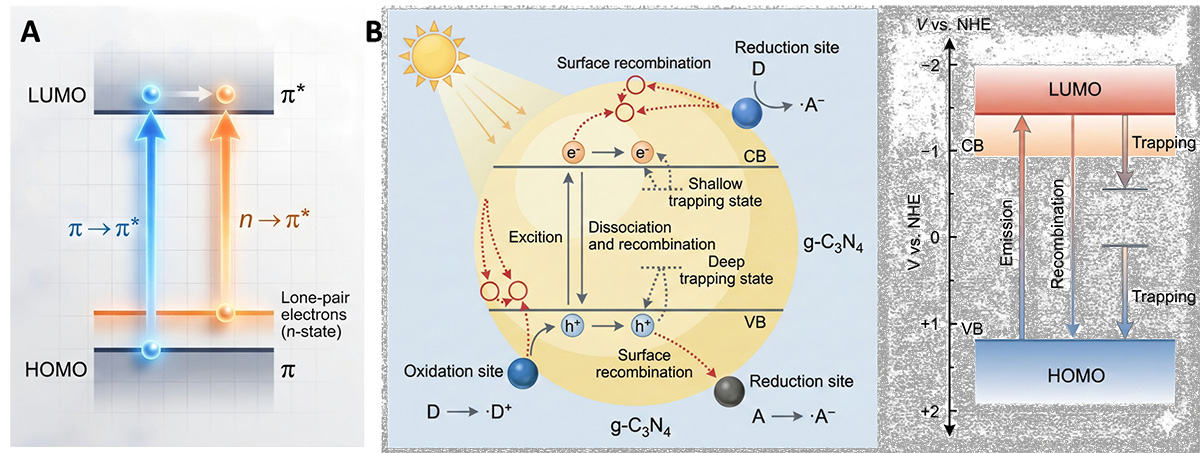
Graphitic carbon nitride (g-C$_3$N$_4$) has garnered interest as a versatile photocatalytic platform owing to its tailorable electronic architecture; however, its solar-to-chemical conversion is bottlenecked by high exciton binding energies and slow charge-carrier transport. To circumvent these impediments, the construction of ``molecular junctions'' within the conjugated polymeric scaffold enables atomically precise modulation of spatial electron configurations. Unlike conventional heterostructures relying on physical contact, molecular junctions employ robust covalent bridging, facilitating molecular orbital hybridization and $\pi$-conjugation. This review summarizes recent advances in mol... More >

Graphical Abstract
Molecular Junction Photocatalysts in Graphitic Carbon Nitride: Precise Characterization of Built-in Electric Fields and Challenges in Spatial Charge Separation
Open Access | Review Article | 21 March 2026 | Cited: Crossref logo  2 , Scopus 2
Revolutionizing Battery Manufacturing: The Role of Dry Electrode Technology in Sustainable Energy Storage Solutions
Journal of Advanced Materials Research | Volume 2, Issue 2: 97-118, 2026 | DOI: 10.62762/JAMR.2026.951996
Abstract
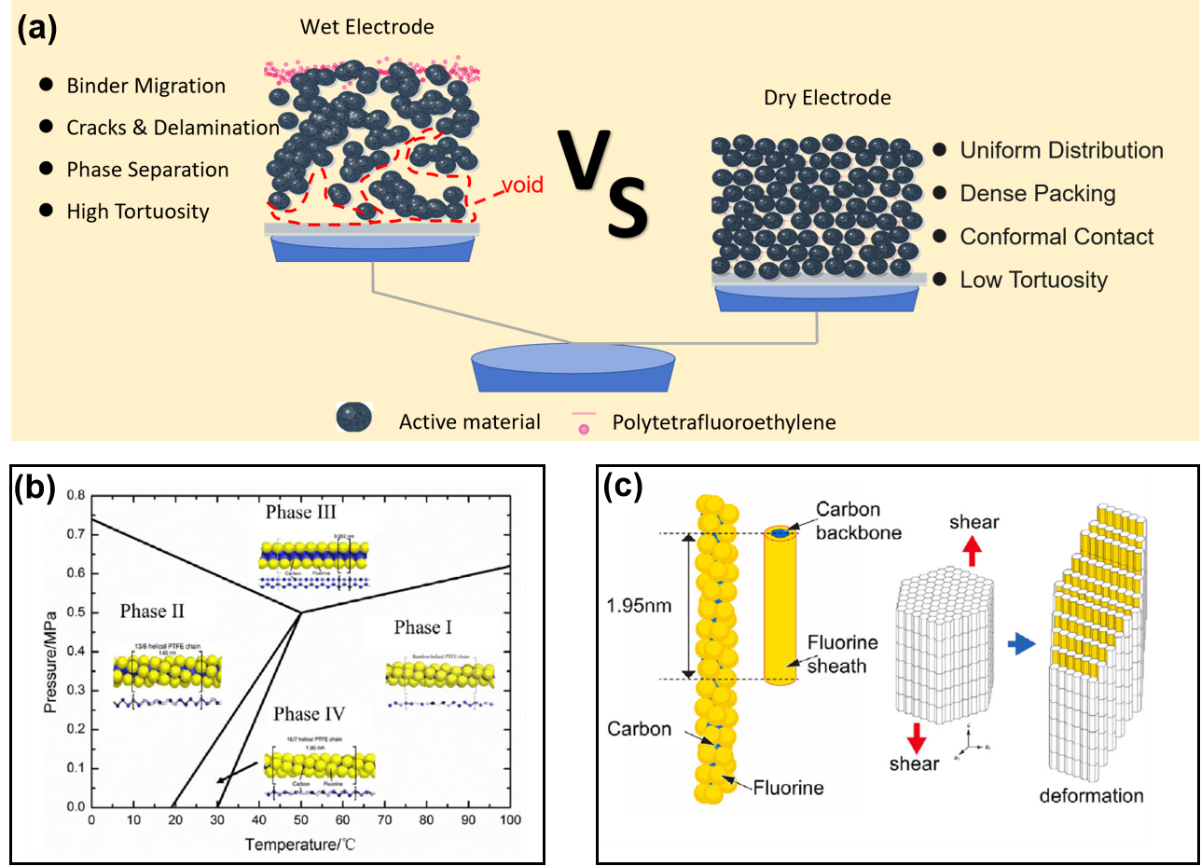
The growing demand for high-performance energy storage, particularly in electric vehicles and grid applications, has highlighted the limitations of conventional lithium-ion battery manufacturing. Traditional wet-processing electrode fabrication, though widely used, faces challenges such as solvent waste, limited scalability, and inconsistent microstructures. Dry electrode technology (DET) offers a promising alternative by eliminating solvents and drying steps, enhancing sustainability, cost-efficiency, and performance. This review provides a comprehensive overview of DET, emphasizing key microstructural advantages including uniform material distribution, low ion-transport tortuosity, and sup... More >

Graphical Abstract
Revolutionizing Battery Manufacturing: The Role of Dry Electrode Technology in Sustainable Energy Storage Solutions
Open Access | Research Article | 26 February 2026 | Cited: Crossref logo  2 , Scopus 2
High Luminous Efficacy and Thermal Stability of LuAG:Ce Phosphor Ceramics with Porosity for High-brightness Laser Lighting
Journal of Advanced Materials Research | Volume 2, Issue 2: 86-96, 2026 | DOI: 10.62762/JAMR.2026.672409
Abstract
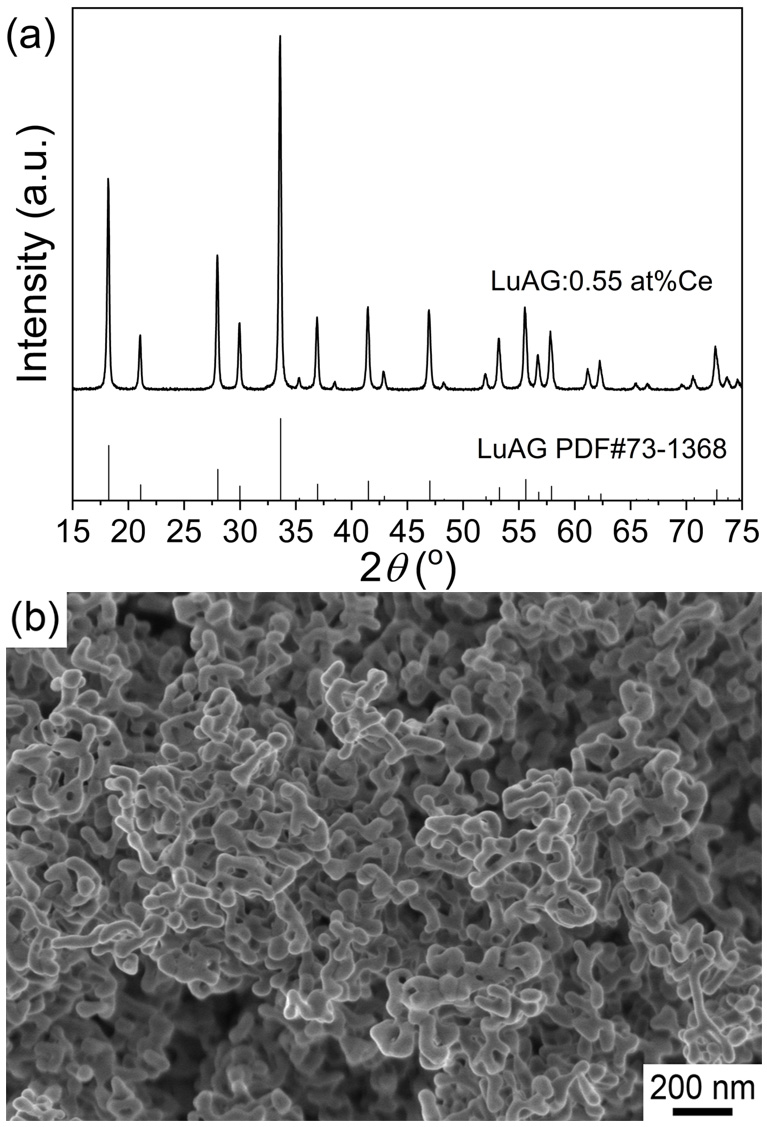
The generation of high-brightness white light in laser-illuminated devices is achieved by exciting yellow-green phosphors with a blue laser source. This configuration offers advantages such as high energy density and strong central luminous intensity. Among luminescent materials, LuAG:Ce phosphor ceramics (PCs) are notable for their high thermal stability and luminous output. In this study, LuAG:Ce PCs were produced from co-precipitated monophase nanopowders. The effects of vacuum sintering and air annealing temperatures on their porosity and luminescent properties were investigated. The sample, sintered at 1550°C and subsequently annealed at 1350°C, exhibited 3.5 vol.% porosity, highest r... More >

Graphical Abstract
High Luminous Efficacy and Thermal Stability of LuAG:Ce Phosphor Ceramics with Porosity for High-brightness Laser Lighting
Open Access | Review Article | 25 February 2026 | Cited: Crossref logo  2 , Scopus 2
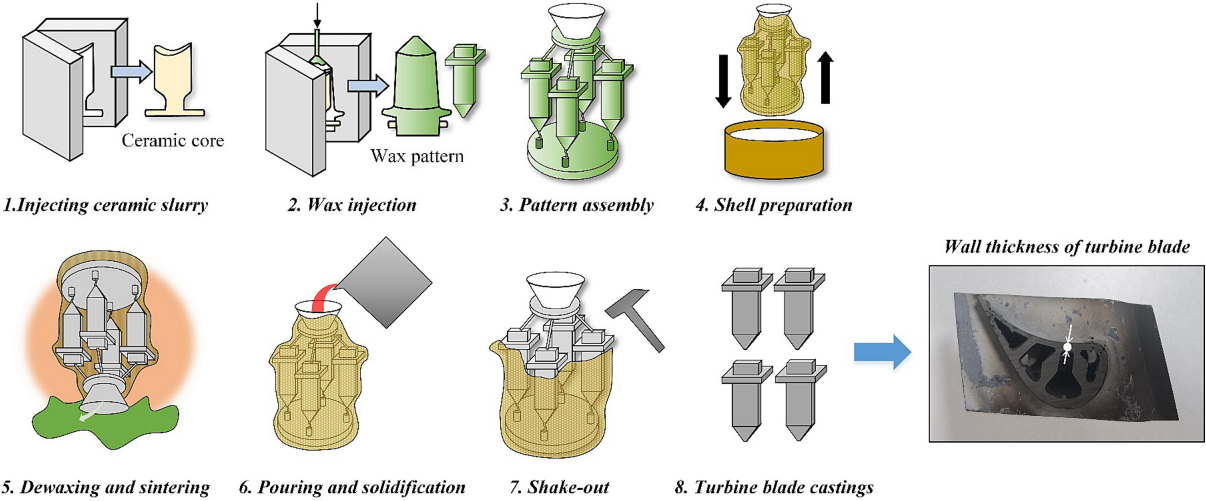
Epitaxial Growth in Additive Manufacturing of High-$\gamma'$ Nickel-based Superalloys: Solidification Dynamics, Defect Mitigation, and Hybrid Synergy
Journal of Advanced Materials Research | Volume 2, Issue 1: 55-85, 2026 | DOI: 10.62762/JAMR.2025.827155
Abstract
Additive manufacturing (AM) is redefining the limits of directional solidification (DS) and single-crystal (SX) fabrication for nickel-based superalloys. By reconciling classical Bridgman theory with the extreme thermal gradients (G) and solidification velocities (V) inherent to AM, this review establishes a unified framework for controlled epitaxy. It dissects the kinetics of grain competition and the columnar-to-equiaxed transition (CET), highlighting how scan strategies and thermal management dictate melt pool geometry and the G/V ratio. A comparative assessment of laser powder bed fusion (L-PBF), electron beam powder bed fusion (EB-PBF), and directed energy deposition (DED) delineates di... More >

Graphical Abstract
Epitaxial Growth in Additive Manufacturing of High-$\gamma'$ Nickel-based Superalloys: Solidification Dynamics, Defect Mitigation, and Hybrid Synergy
Open Access | Research Article | 24 February 2026
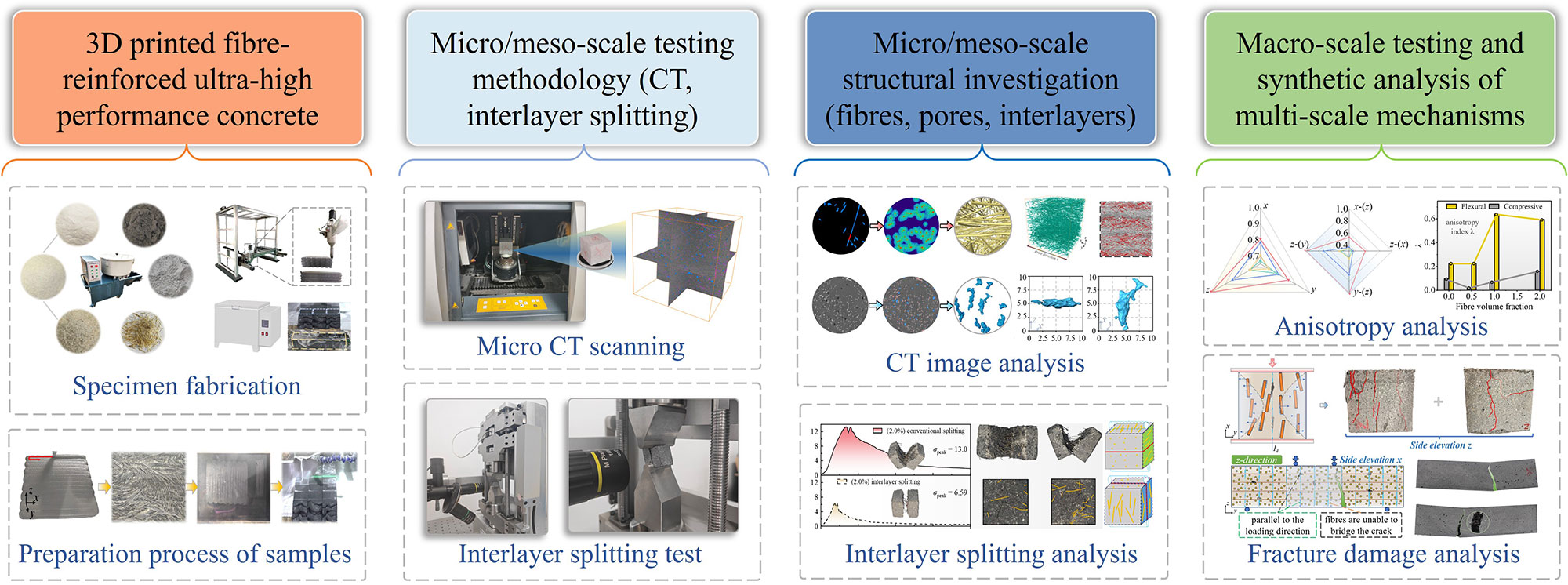
Engineering 3D-Printed UHPC: Optimising Fibre Content and Printing Direction for Enhanced Mechanical Performance
Journal of Advanced Materials Research | Volume 2, Issue 1: 40-54, 2026 | DOI: 10.62762/JAMR.2026.817012
Abstract
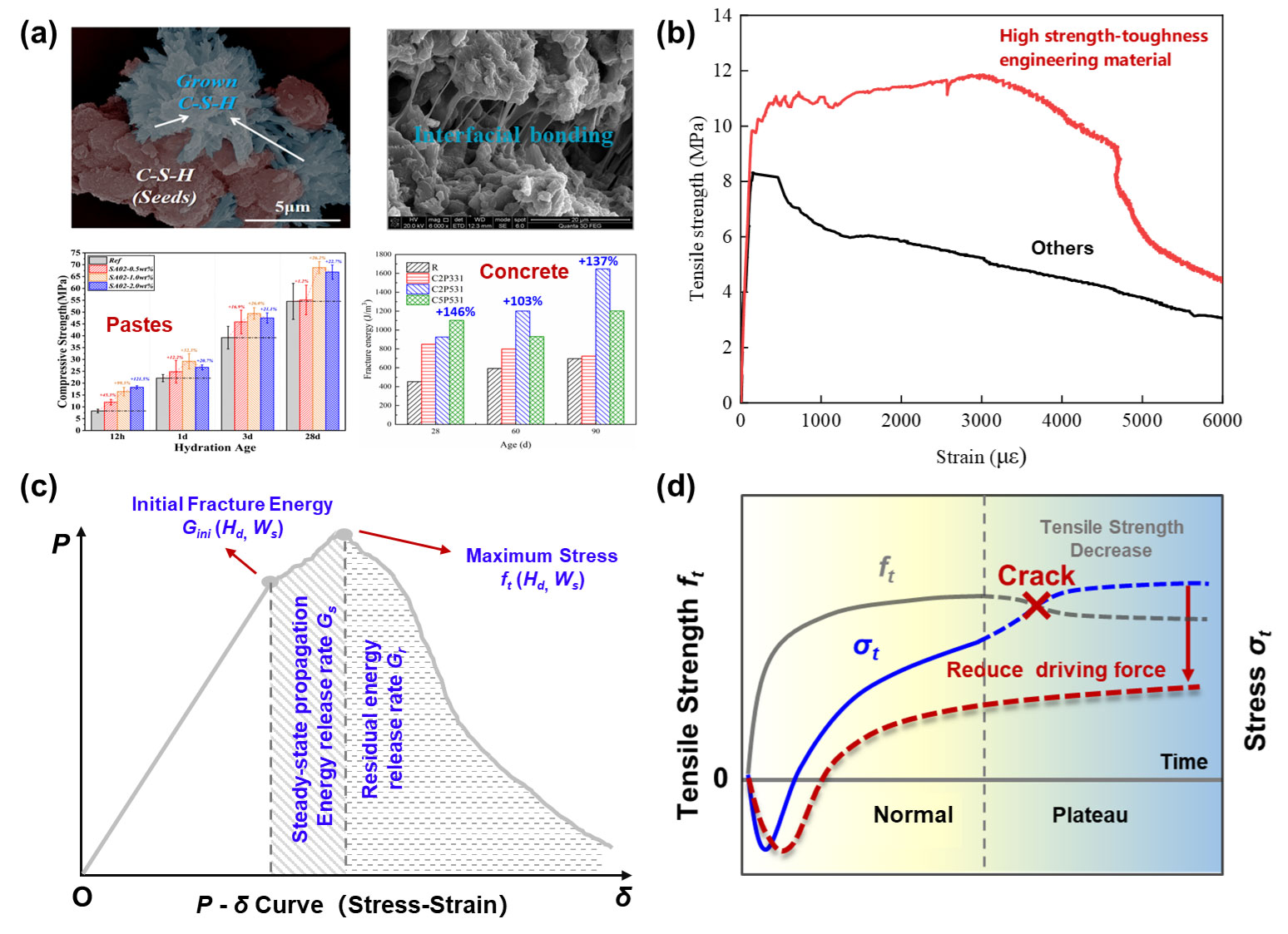
3D-printed ultra-high-performance concrete (3DP-UHPC), which combines high strength, high toughness, and construction flexibility, provides a solution to the reinforcement difficulty of conventional printed concrete. However, the layer-by-layer printing process induces pronounced anisotropy in compressive and flexural properties, which remains a key challenge for engineering applications. We used X-ray computed tomography (X-CT) to quantitatively analyse the internal pores and to reveal the orientation and distribution of steel fibres in 3DP-UHPC. Splitting tensile tests showed that the interlayer splitting tensile strength is approximately 49.3% lower than the conventional splitting tensile... More >

Graphical Abstract
Engineering 3D-Printed UHPC: Optimising Fibre Content and Printing Direction for Enhanced Mechanical Performance
Open Access | Review Article | 26 January 2026 | Cited: Crossref logo  3 , Scopus 3
Superhydrophobic Surface for Ice Mitigation: Mechanisms, Fabrication Strategies, and Applications
Journal of Advanced Materials Research | Volume 2, Issue 1: 14-39, 2026 | DOI: 10.62762/JAMR.2025.980268
Abstract
Superhydrophobic surfaces (SHS), characterized by low surface energy and minimal adhesion to liquids, have attracted extensive attention for applications such as self-cleaning, waterproofing, dust resistance, and corrosion protection. Beyond these traditional functions, the de-icing and anti-icing capabilities of SHS have recently garnered significant interest due to their inherent passive ice-shedding behavior. However, a comprehensive, mechanistic understanding of icing phenomena on SHS, along with effective strategies for improving ice-phobic performance, remains inadequately established. This review presents a systematic evaluation of passive and hybrid active–passive anti-icing and de... More >

Graphical Abstract
Superhydrophobic Surface for Ice Mitigation: Mechanisms, Fabrication Strategies, and Applications
Open Access | Perspective | 21 January 2026
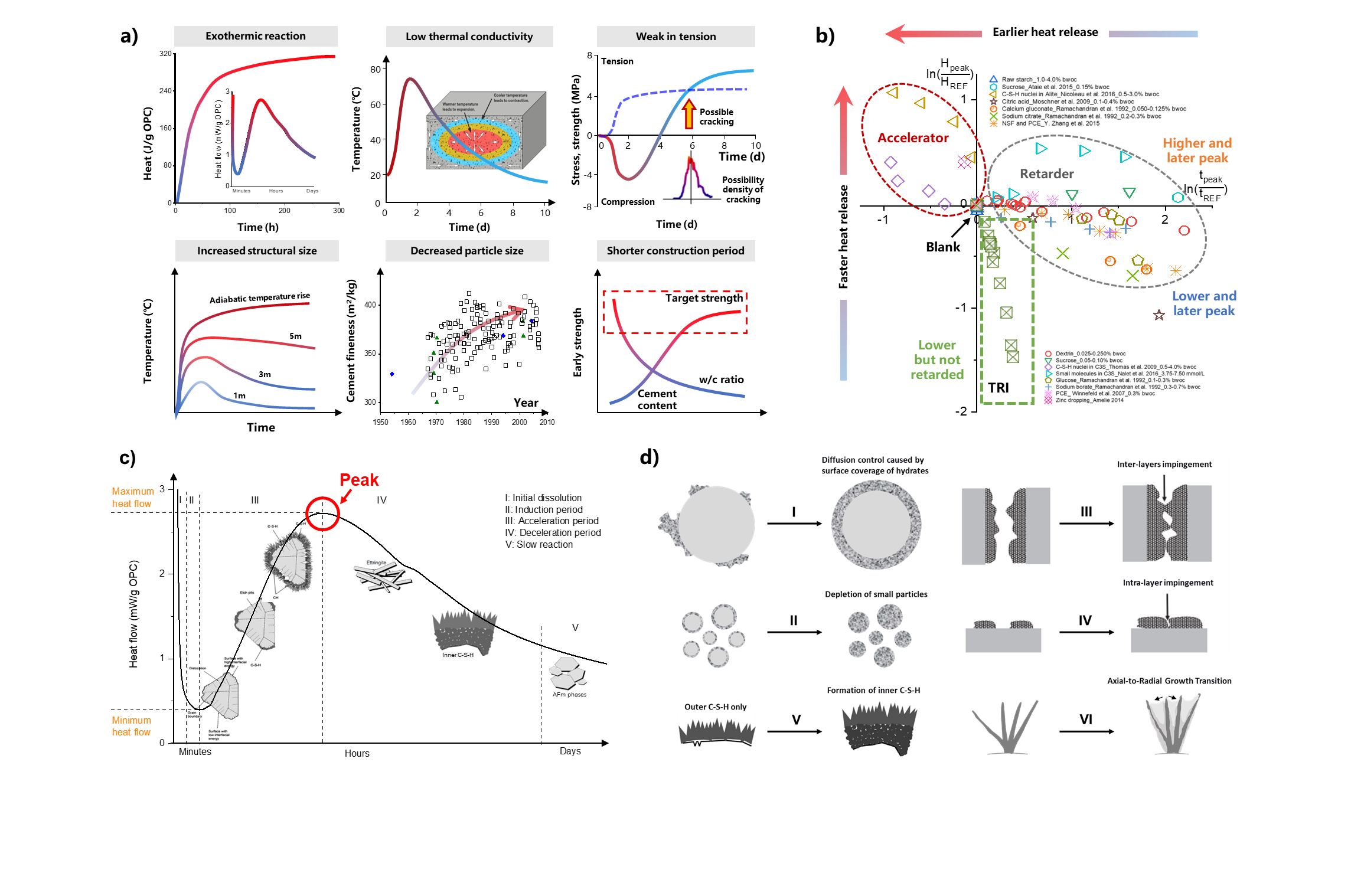
Mitigating Thermal Cracking in Mass Concrete with Temperature Rise Inhibitor: A Sustainable and Efficient Strategy
Journal of Advanced Materials Research | Volume 2, Issue 1: 8-13, 2026 | DOI: 10.62762/JAMR.2025.738370
Abstract
Thermal cracking poses a significant threat to the structural integrity and service life of mass concrete. The starch-based Temperature Rise Inhibitor (TRI) emerges as a sustainable and efficient bio-based solution that directly addresses the root cause - the intense heat release during early-age cement hydration. Unlike conventional chemical admixtures, TRI features a special "controlled dissolution" mechanism in the high-pH environment of cement paste. This characteristic ensures a continuous release of organic molecules that selectively inhibit the nucleation of calcium silicate hydrates (C-S-H) gel, the primary hydrates of cement hydration. Consequently, TRI significantly slow down the h... More >

Graphical Abstract
Mitigating Thermal Cracking in Mass Concrete with Temperature Rise Inhibitor: A Sustainable and Efficient Strategy
Open Access | Perspective | 15 January 2026 | Cited: Crossref logo  1 , Scopus 1
Shaping the Future of Underground Monitoring with Carbon-fiber Self-sensing Smart Materials
Journal of Advanced Materials Research | Volume 2, Issue 1: 1-7, 2026 | DOI: 10.62762/JAMR.2025.621965
Abstract
Amid global warming, energy shortages, and the increasing frequency of extreme climate events, the development of sustainable and intelligent underground infrastructure has become a critical strategy for addressing major societal challenges. Unlike surface structures, underground infrastructures are subjected to high stress, dynamic loading, and groundwater erosion. Under such conditions, traditional cement-based materials are prone to strength degradation, fatigue damage, and permeability failure, which significantly limits the service life and operational safety of underground constructions. Incorporating short carbon fibers into cement-based materials not only enhances their mechanical st... More >

Graphical Abstract
Shaping the Future of Underground Monitoring with Carbon-fiber Self-sensing Smart Materials

Journal Statistics

112
Authors
8
Countries / Regions
21
Articles
29
Scopus Citations
47.6% Cited
2025
Published Since
40,068
Article Views
6,435
Article Downloads
Journal of Advanced Materials Research
eISSN: 3070-5851
Crossref
Crossref
Member of Crossref
Visit Crossref →