
Journal of Carbon Neutrality

Publishing Model:
ISSN:
ISSN: 3144-2668
Journal of Carbon Neutrality is dedicated to exploring the critical scientific, technological, and policy challenges in the pursuit of carbon neutrality.
DOI Prefix: 10.62762/JCN

Journal Metrics

-
Impact Factor
-
CiteScore

Recent Articles

Open Access | Research Article | 29 September 2026
Reynolds-Number-Dependent Energy Harvesting by Freely Rotating Variable-angle Rhombic and Variable-side-length Parallelogram Cylinders
Journal of Carbon Neutrality | Volume 1, Issue 2: 155-166, 2026 | DOI: 10.62762/JCN.2026.692457
Abstract
Bluff-body flow-energy harvesters are commonly designed around translational vibration, whereas freely rotating polygonal sections provide an alternative route that harnesses rotational oscillations. In this study, Reynolds-number-dependent energy-harvesting responses of two reconfigurable sections, a variable-angle rhombic cylinder and a variable-side-length parallelogram cylinder, are investigated using an immersed boundary method. The body rotates freely about its centroid without a linear spring or external damping. Results show that at $Re=40$, decreasing the rhombus angle improves start-up and increases the bounded-oscillation amplitude, favoring oscillation-based harvesting, while the... More >

Graphical Abstract
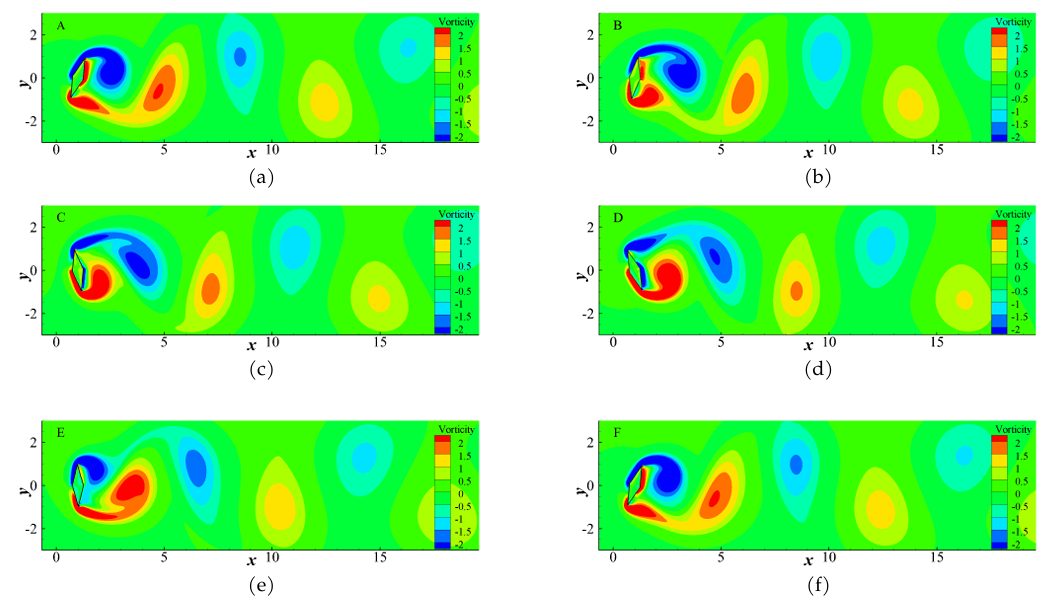
Reynolds-Number-Dependent Energy Harvesting by Freely Rotating Variable-angle Rhombic and Variable-side-length Parallelogram Cylinders
Open Access | Review Article | 22 September 2026
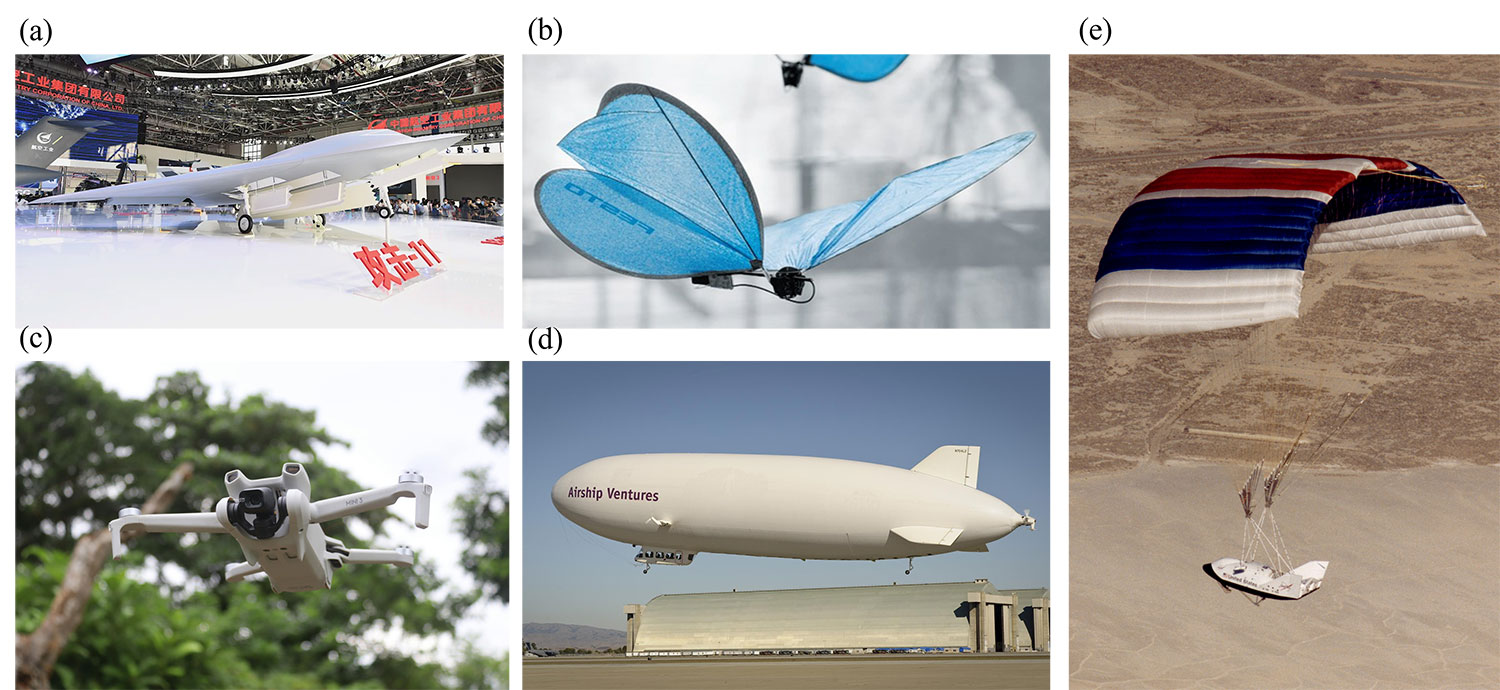
Toward Low-Carbon Aerial Intelligence: A Comprehensive Review of Evolution, Applications, and Future Trends
Journal of Carbon Neutrality | Volume 1, Issue 2: 127-154, 2026 | DOI: 10.62762/JCN.2026.328644
Abstract
Achieving carbon neutrality in the aviation sector demands transformative technologies, and Artificial Intelligence (AI)-enabled aerial unmanned systems are emerging as a critical enabler of low-carbon flight operations, environmental monitoring, and sustainable airspace governance, yet a comprehensive synthesis that jointly addresses their technical architecture, climate-oriented applications, and regulatory pathways remains limited. This review provides a systematic analysis of AI-enabled aerial unmanned systems using a structured literature review framework aligned with PRISMA principles. We first summarize the evolution and classification of aerial unmanned platforms, then propose a laye... More >

Graphical Abstract

Toward Low-Carbon Aerial Intelligence: A Comprehensive Review of Evolution, Applications, and Future Trends
Open Access | Research Article | 03 September 2026
A Bayesian-Optimization-Based Method for Exploring the Energy Optimization Potential of Data Centers
Journal of Carbon Neutrality | Volume 1, Issue 2: 97-126, 2026 | DOI: 10.62762/JCN.2026.592975
Abstract
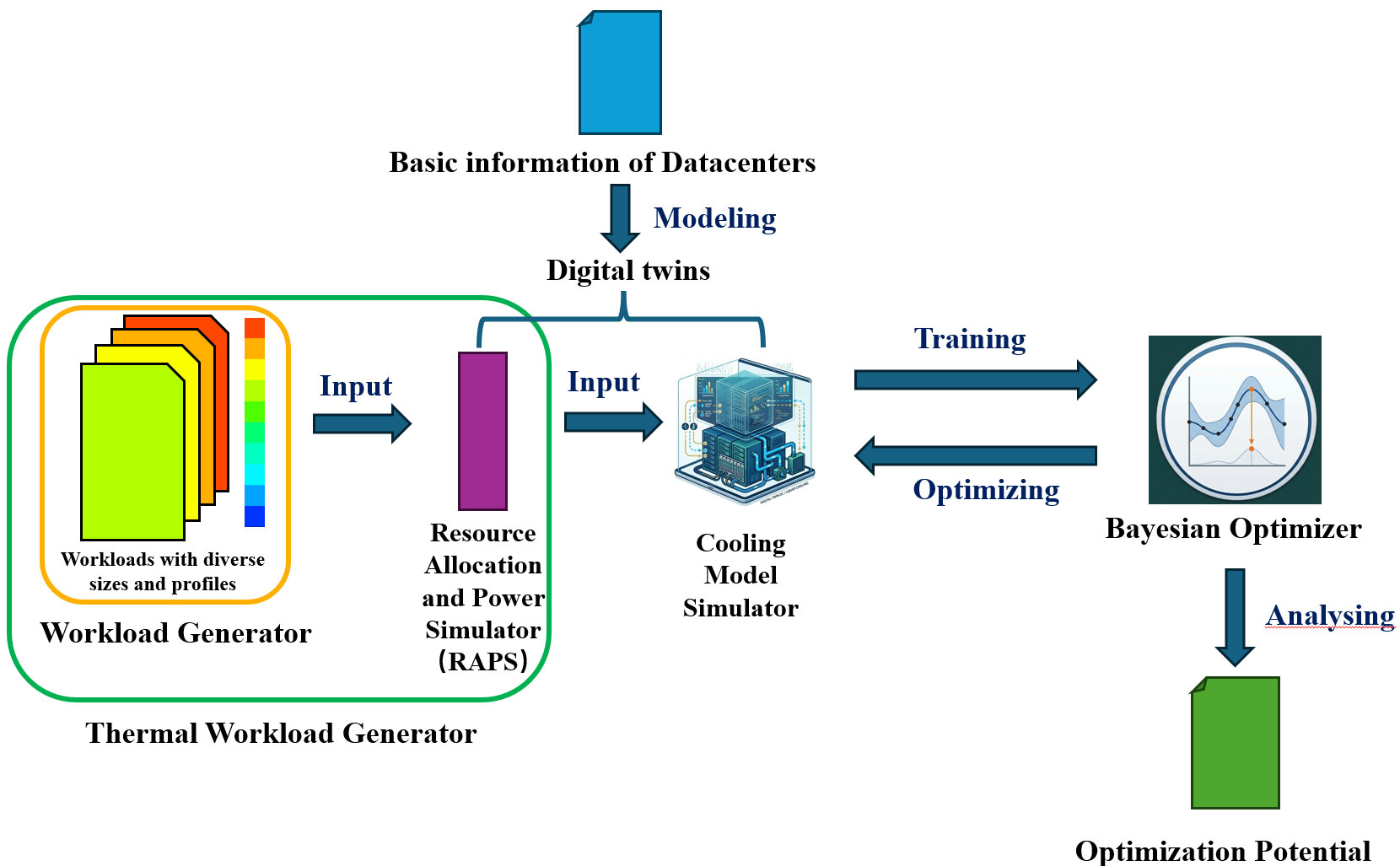
With the expansion of artificial intelligence, data center energy consumption has surged, making its optimization critical for achieving carbon neutrality. Traditional fixed-rule controls rely too heavily on manual experience to explore the highest efficiency, while standard AI black-box models often lack interpretability and present evaluation challenges. This study introduces a Bayesian optimization-based methodology to explore the energy optimization potential of data center cooling systems. We enhanced the Resource Allocation and Power Simulator (RAPS) to generate dynamic workloads reflecting the authentic statistical characteristics of supercomputers for rigorous stress testing. This ge... More >

Graphical Abstract
A Bayesian-Optimization-Based Method for Exploring the Energy Optimization Potential of Data Centers
Open Access | Research Article | 02 September 2026
A Hybrid Unet-MLP Neural Network Enabling Ultra-Fast and High-Accuracy Prediction for Low-Gradient Temperature Field in Lithium-ion Batteries
Journal of Carbon Neutrality | Volume 1, Issue 2: 83-96, 2026 | DOI: 10.62762/JCN.2026.807406
Abstract
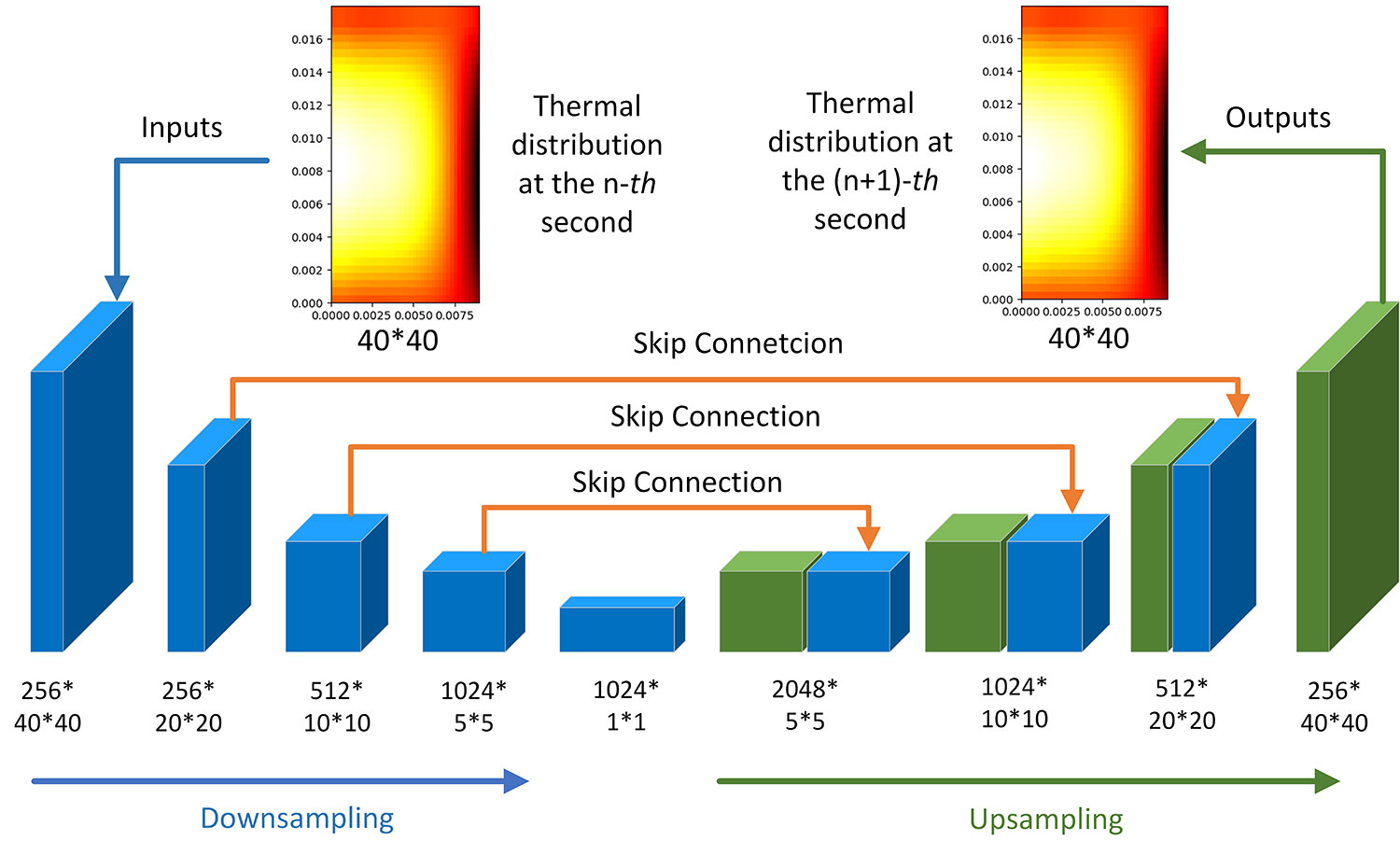
Accurate prediction of the internal temperature field in batteries is of critical importance for ensuring safe operation, extending battery lifespan, and ultimately accelerating the global transition to electric vehicles (EVs). Unsafe thermal conditions not only degrade battery performance but also hinder EV adoption. However, conventional 3D thermal models involve complex computations that struggle to meet the fast computational speed requirements of Battery Management Systems (BMS), and traditional neural network models are not accurate enough for temperature field prediction, especially for low-gradient fields. To achieve precise and rapid prediction of the internal battery temperature fi... More >

Graphical Abstract
A Hybrid Unet-MLP Neural Network Enabling Ultra-Fast and High-Accuracy Prediction for Low-Gradient Temperature Field in Lithium-ion Batteries
Open Access | Review Article | 30 June 2026
Internet of Things and Artificial Intelligence for Carbon Emissions Monitoring and Forecasting: a Systematic Review of Smart Environmental Accounting Systems
Journal of Carbon Neutrality | Volume 1, Issue 1: 64-82, 2026 | DOI: 10.62762/JCN.2026.644506
Abstract
The growing urgency of climate change mitigation has increased pressure to develop reliable systems capable of monitoring and predicting carbon emissions. Conventional carbon accounting methods based on manual reporting and periodic environmental assessments frequently produce delayed and incomplete emissions data. This systematic review was conducted in accordance with PRISMA guidelines. It examines existing literature on the application of digital technologies for carbon monitoring and management. The review focuses on Internet of Things (IoT) sensor networks, artificial intelligence (AI) forecasting models, carbon accounting frameworks and integrated digital carbon management systems. A s... More >
Open Access | Research Article | 08 June 2026
Extended Micromechanical Model for the Hyperelastic Behavior of Elastomers and Identification of Material Parameters Using the Particle Swarm Optimization (PSO) Algorithm
Journal of Carbon Neutrality | Volume 1, Issue 1: 38-63, 2026 | DOI: 10.62762/JCN.2026.518617
Abstract
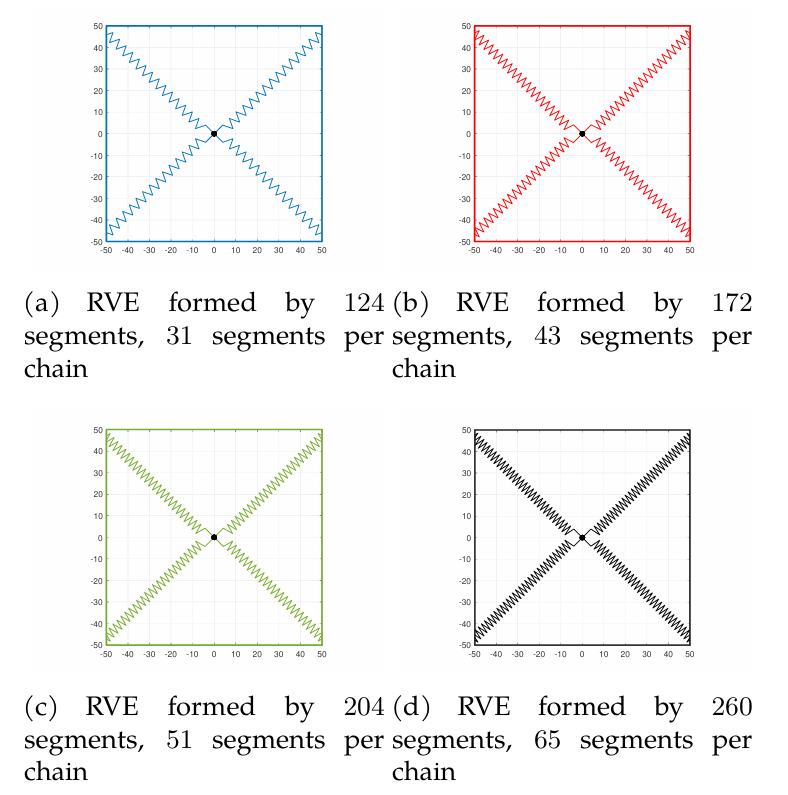
In this work, we propose a new four-parameter micromechanical model to describe the hyperelastic behavior of elastomeric materials. The proposed model extends and improves a previously developed three-parameter micromechanical approach. As in earlier studies, the constitutive behavior is obtained by minimizing the potential energy of a Representative Volume Element (RVE) composed of multiple macromolecular chains. Each chain segment is modeled as a linear spring with stiffness $K$, acting in both tension and compression. To account for rotational flexibility between consecutive segments, nonlinear torsional springs are introduced, whose behavior is described as the sum of two contributions:... More >

Graphical Abstract
Extended Micromechanical Model for the Hyperelastic Behavior of Elastomers and Identification of Material Parameters Using the Particle Swarm Optimization (PSO) Algorithm
Open Access | Research Article | 12 May 2026
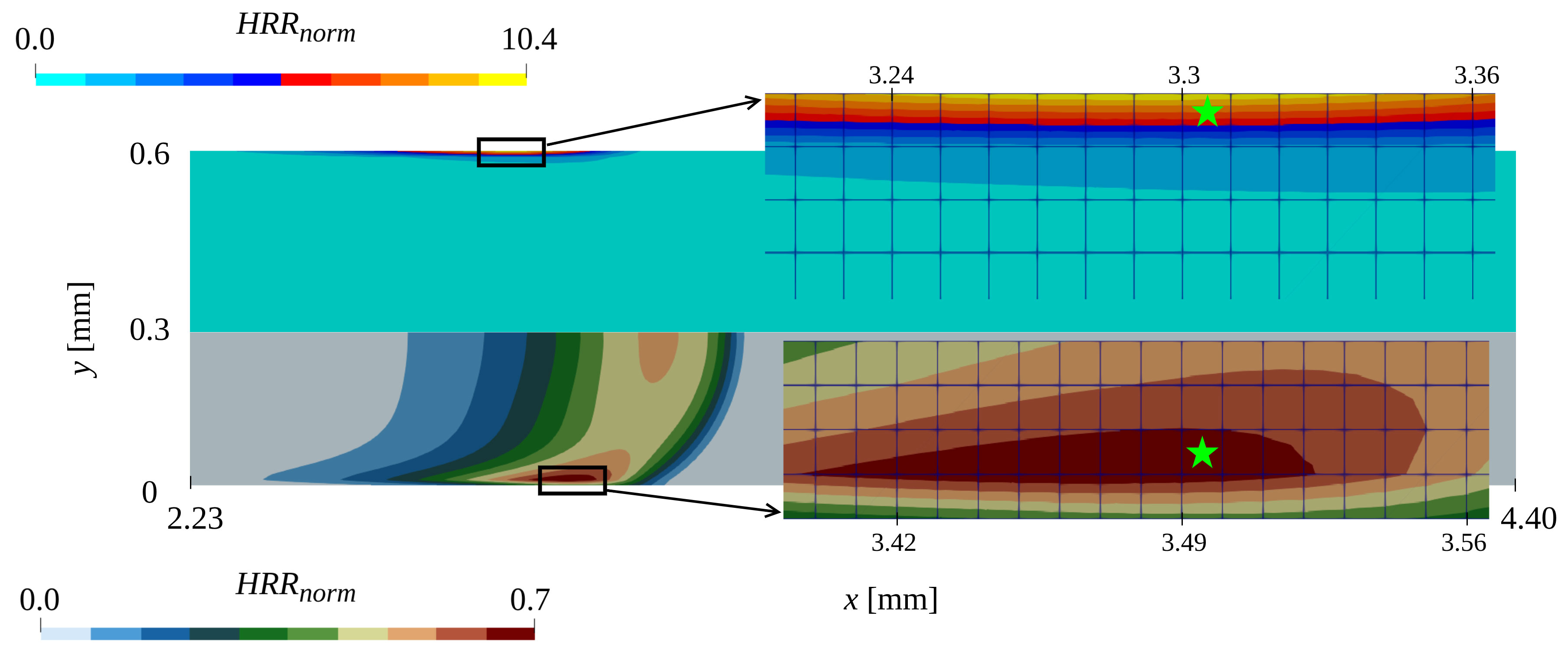
Numerical Study of Premixed Hydrogen/Air Flame-Wall Interaction for Confined Systems
Journal of Carbon Neutrality | Volume 1, Issue 1: 29-37, 2026 | DOI: 10.62762/JCN.2026.937655
Abstract
Accurate modeling of flame-wall interaction is essential for predicting premixed hydrogen combustion in confined configurations relevant to hydrogen-based energy systems. Detailed chemical mechanisms often produce unphysical near-wall heat release due to persistent radical-consuming reactions at low temperatures, reducing simulation fidelity and limiting predictive capability. To address this, we apply an H radical recombination model that selectively removes H radicals at the wall through recombination to $\ce{H2}$ while conserving mass. The model is validated using canonical flame-wall interaction scenarios, including head-on quenching of stoichiometric hydrogen/oxygen flames and side-wall... More >

Graphical Abstract
Numerical Study of Premixed Hydrogen/Air Flame-Wall Interaction for Confined Systems
Open Access | Review Article | 18 April 2026
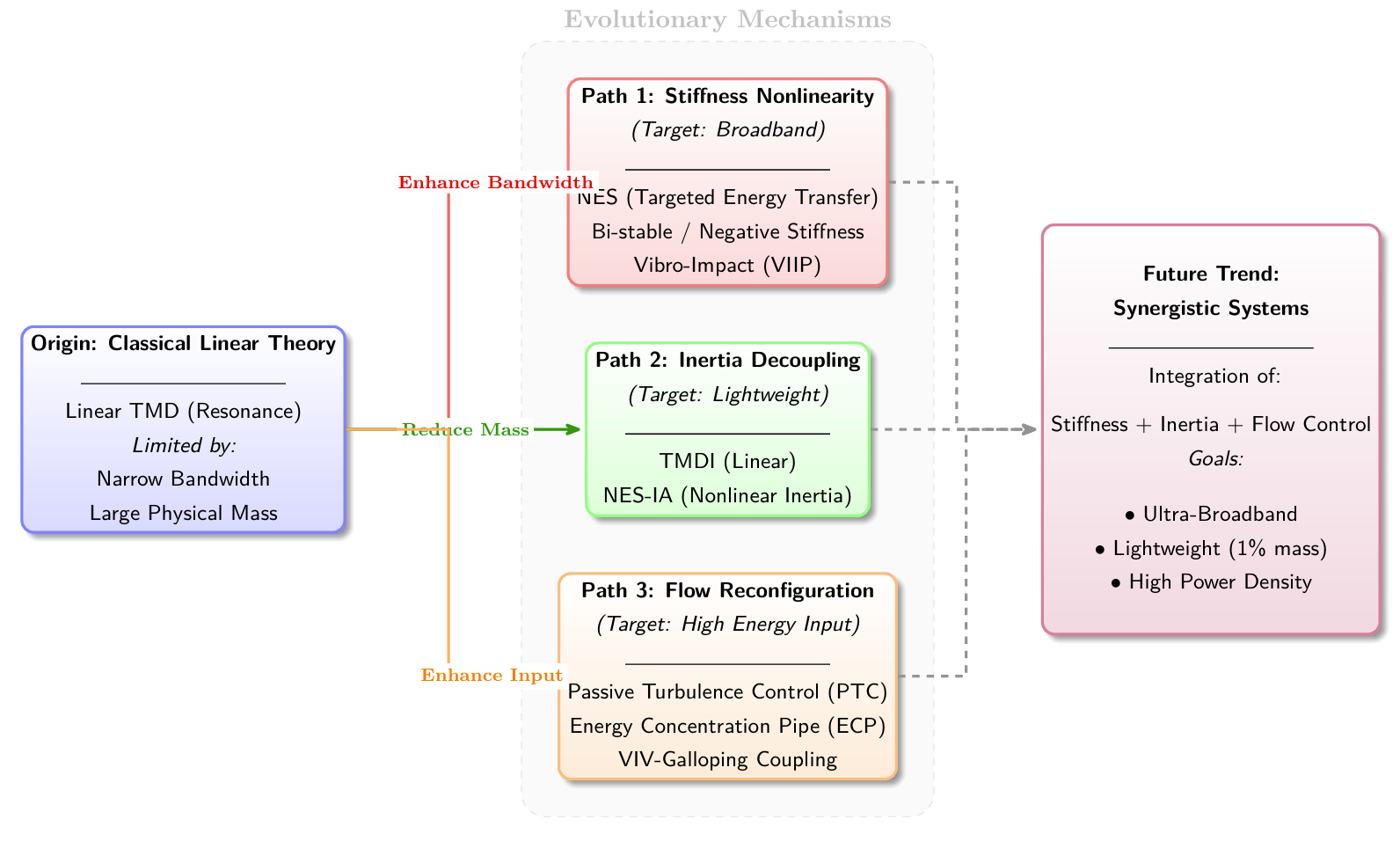
Mechanisms and Optimization Design of Flow-Induced Vibration Energy Harvesting: A Review
Journal of Carbon Neutrality | Volume 1, Issue 1: 10-28, 2026 | DOI: 10.62762/JCN.2026.299279
Abstract
With the widespread deployment of the Internet of Things (IoT) and distributed sensing networks in marine and industrial environments, energy harvesting based on Flow-Induced Vibration (FIV) has garnered significant attention due to its high energy density and environmental adaptability. This paper provides a comprehensive review of the evolution of FIV energy harvesting systems, with a particular focus on absorber-based configurations. First, the classification of existing systems is systematically outlined, and the theoretical foundations of the classic linear Tuned Mass Damper (TMD) are revisited. The review critically analyzes the inherent limitations of linear theories, specifically fre... More >

Graphical Abstract
Mechanisms and Optimization Design of Flow-Induced Vibration Energy Harvesting: A Review

Journal Statistics

25
Authors
5
Countries / Regions
9
Articles
0
Scopus Citations
0% Cited
2025
Published Since
7,140
Article Views
1,800
Article Downloads
Journal of Carbon Neutrality
eISSN: 3144-2668
Crossref
Crossref
Member of Crossref
Visit Crossref →