

Oncology Communications

Publishing Model:
ISSN:
ISSN: 3142-8894
Oncology Communications is a peer-reviewed journal dedicated to advancing knowledge across all aspects of cancer research and clinical oncology. The journal publishes high-quality original research articles, reviews, and perspectives that foster communication among basic scientists, clinicians, and translational researchers.
DOI Prefix: 10.62762/OC

Journal Metrics

-
Impact Factor
-
CiteScore

Recent Articles

Open Access | Report | 20 August 2026
Individualized Nursing Support for Pulmonary Rehabilitation Participation Following Esophagectomy: A Case Report Guided by the Patient Health Engagement Model
Oncology Communications | Volume 1, Issue 2: 88-94, 2026 | DOI: 10.62762/OC.2026.860858
Abstract
Esophagectomy is the cornerstone of curative-intent treatment for resectable esophageal cancer, but postoperative course is frequently complicated by pain, impaired airway clearance, reduced respiratory function, and high risk of pulmonary complications (PPCs), which prolong recovery, increase morbidity and mortality, and can delay oncologic care. Early pulmonary rehabilitation is a core component of enhanced recovery after esophagectomy, yet patient participation is often limited by pain, drainage tubes, fear of movement, and insufficient understanding. The Patient Health Engagement (PHE) model describes patient progression through emotional, cognitive, and behavioral readiness to participa... More >
Open Access | Review Article | 19 August 2026
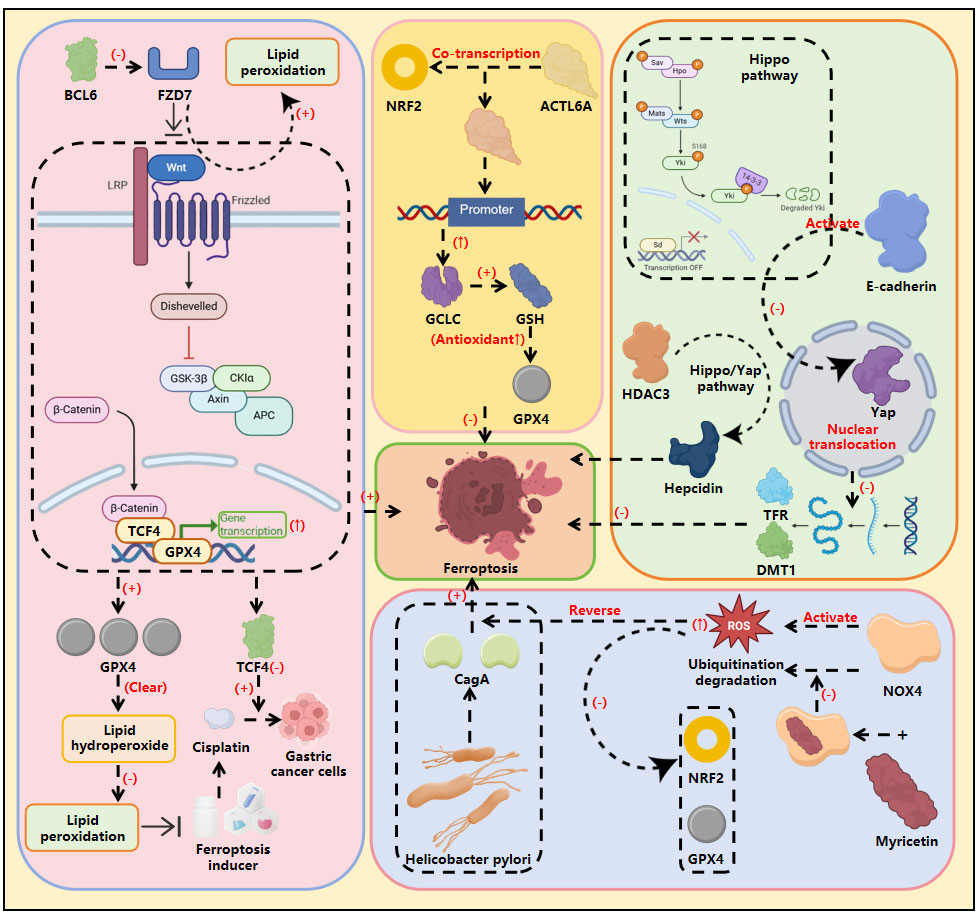
Molecular Regulatory Network and Therapeutic Potential of Ferroptosis in Gastric Cancer: An Exploration Combining Bibliometrics and Mechanistic Review
Oncology Communications | Volume 1, Issue 2: 64-87, 2026 | DOI: 10.62762/OC.2026.222998
Abstract
Gastric cancer, a prevalent malignancy of the digestive tract, continues to pose significant challenges in pathogenesis and prognosis improvement. Ferroptosis has emerged as a promising therapeutic breakthrough due to its critical role in inhibiting tumor growth and reversing drug resistance. This study employs bibliometric and visual analysis tools, utilizing the Web of Science database (up to October 20, 2025), to systematically analyze 362 English-language papers on ferroptosis in gastric cancer (GC), authored by 2,458 researchers across 16 countries and published in 189 journals. The analysis reveals a rapidly growing field, with 74.86\% of papers published in the last three years, and i... More >

Graphical Abstract
Molecular Regulatory Network and Therapeutic Potential of Ferroptosis in Gastric Cancer: An Exploration Combining Bibliometrics and Mechanistic Review
Open Access | Review Article | 12 August 2026
Tumor Immunotherapy Resistance: Underlying Mechanisms and Emerging Strategies to Overcome Therapeutic Bottlenecks
Oncology Communications | Volume 1, Issue 2: 45-63, 2026 | DOI: 10.62762/OC.2026.289553
Abstract
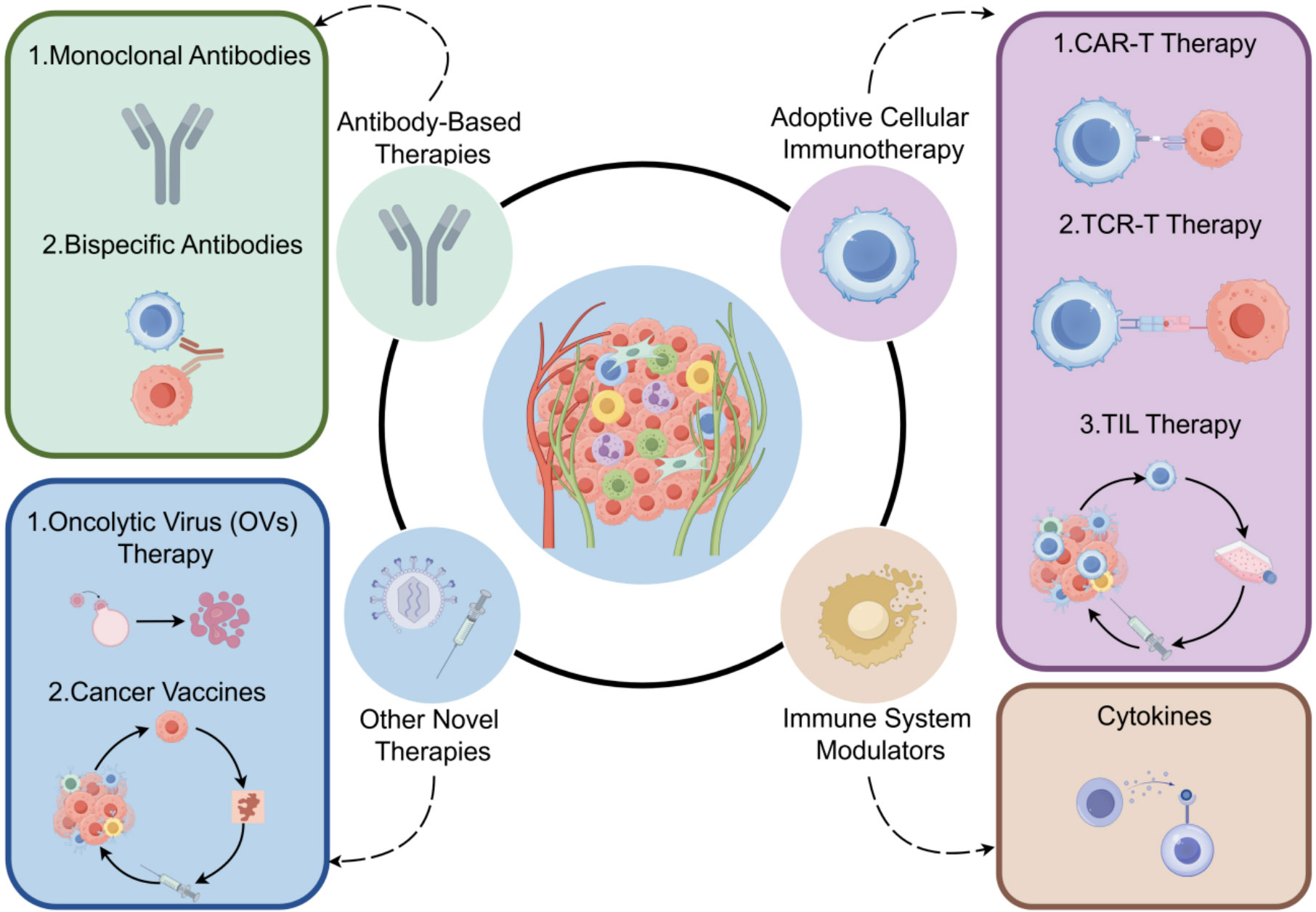
This review presents a systematic synthesis of the principal tumor immunotherapy strategies and their corresponding resistance mechanisms. Immunotherapies—including antibody-based therapies, adoptive cell therapies, immune modulators, and novel approaches such as oncolytic viruses and cancer vaccines—work by stimulating or enhancing the patient's immune system to target cancer cells. Nevertheless, they commonly encounter resistance in clinical applications. Resistance mechanisms predominantly stem from tumor-intrinsic factors and tumor microenvironment (TME) factors. To surmount resistance, combination therapies and personalized treatment strategies grounded in TME profiling and biomarke... More >

Graphical Abstract
Tumor Immunotherapy Resistance: Underlying Mechanisms and Emerging Strategies to Overcome Therapeutic Bottlenecks
Open Access | Letter | 08 April 2026
Redefining Pathologic Complete Response through Standardized Assessment and Molecular Surveillance in Esophageal Squamous Cell Carcinoma
Oncology Communications | Volume 1, Issue 1: 43-44, 2026 | DOI: 10.62762/OC.2026.701176
Abstract
This is a Letter discussing a recently published article. More >
Open Access | Research Article | 27 February 2026
Comprehensive Analysis of PLOD Family Prognostic Value and Related Regulatory ceRNA Network in Breast Cancer
Oncology Communications | Volume 1, Issue 1: 20-42, 2026 | DOI: 10.62762/OC.2025.804127
Abstract
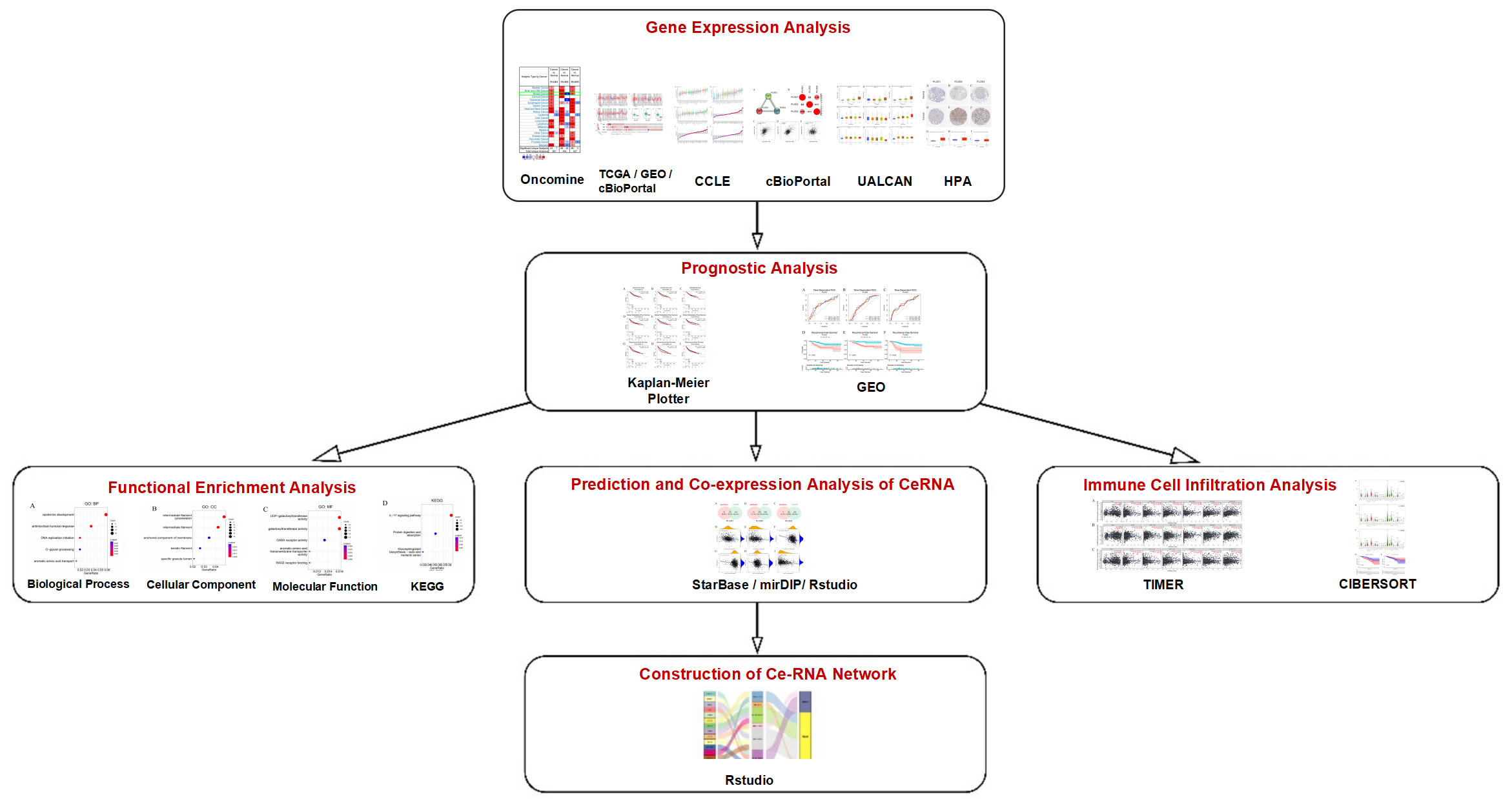
Procollagen-lysine, 2-oxoglutarate 5-dioxygenases (PLODs) catalyze lysine hydroxylation, promoting collagen crosslinking and extracellular matrix stability, and are implicated in tumor aggressiveness. However, their expression and prognostic value in breast cancer (BC) remain unclear. We explored PLOD1-3 expression in BC using ONCOMINE, TIMER, CCLE, cBioPortal, UALCAN, GEPIA, and HPA. Prognostic associations were assessed via Kaplan-Meier Plotter, with enrichment analysis by clusterProfiler. A competing endogenous RNA (ceRNA) network was constructed using TCGA data, and immune infiltration analyzed by TIMER and CIBERSORT. PLOD1-3 were upregulated in BC versus normal tissues at both transcrip... More >

Graphical Abstract
Comprehensive Analysis of PLOD Family Prognostic Value and Related Regulatory ceRNA Network in Breast Cancer
Open Access | Review Article | 06 February 2026
The Use of Organoid Models of Endocrine Diseases: Research Progress and Potential
Oncology Communications | Volume 1, Issue 1: 8-19, 2026 | DOI: 10.62762/OC.2025.777438
Abstract
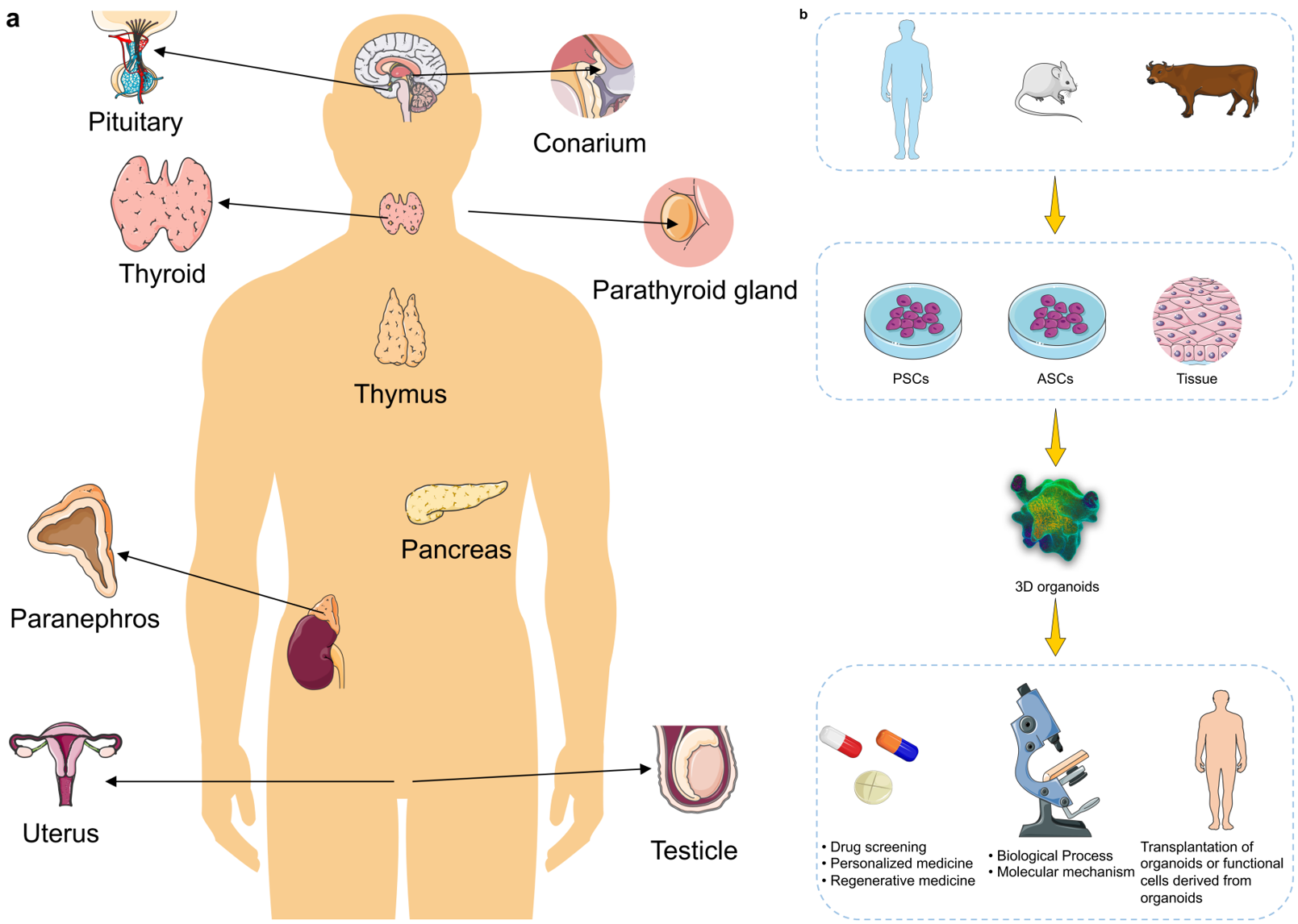
The absence of robust and reliable $in \, vitro$ models that can accurately recapitulate the biological characteristics of many mammalian tissues and disease states represents a major barrier to both basic and translational research, owing to limited sample availability and ethical concerns. Stem cell-derived self-assembling three-dimensional (3D) organoids can replicate key structural and functional aspects of organs in a more physiologically relevant manner than traditional 2D models, thus providing a superior platform for simulating human physiology and pathology. To date, researchers have developed organoid models for a variety of endocrine tissues and their associated diseases (includ... More >

Graphical Abstract
The Use of Organoid Models of Endocrine Diseases: Research Progress and Potential
Open Access | Letter | 29 January 2026
Revisiting The Dual Role of Radiotherapy in EGFR-mutant NSCLC: Implications for Therapeutic Combination Strategies
Oncology Communications | Volume 1, Issue 1: 5-7, 2026 | DOI: 10.62762/OC.2025.306213
Abstract
The article by Piffkó A et al. elucidates the double-edged sword role of radiotherapy in cancer treatment. Radiotherapy stimulates tumor cells to secrete amphiregulin (AREG), which in turn activates EGFR$^+$ tumor-associated mononuclear phagocytes (MNPs). This activation feeds back into the EGFR signaling pathway, impairing the anti-tumor functions of MNPs. Moreover, AREG upregulates the expression of the immune checkpoint protein CD47 in tumor cells, thereby enabling them to evade immune-mediated phagocytosis. These insights hold important implications for clinical trial design and for optimizing therapeutic strategies. More >
Open Access | Editorial | 03 November 2025 | Cited: Scopus 2
Editorial for Oncology Communications: Integrating Innovation for Transformative Cancer Care
Oncology Communications | Volume 1, Issue 1: 1-4, 2026 | DOI: 10.62762/OC.2025.363963
Abstract
This editorial mainly states the meaning of creating the Oncology Communications and highlights the importance and outlook of integrative medicine. We stress the importance of multidisciplinary, interdisciplinary, and cross-disciplinary collaboration, encouraging oncologists to work closely with experts from various fields, including basic medicine, mathematics, physics, sociology, artificial intelligence, and materials science. This collaboration aims to clarify the mechanisms of tumor development and progression, identify novel therapeutic targets, promote clinical translation, and ultimately benefit patients. More >

Journal Statistics

29
Authors
2
Countries / Regions
8
Articles
2
Scopus Citations
12.5% Cited
2025
Published Since
6,572
Article Views
2,014
Article Downloads
Oncology Communications
eISSN: 3142-8894
Crossref
Crossref
Member of Crossref
Visit Crossref →