


ISSN: 3143-0309
ICCK Transactions on Applied Intelligence and Cybernetics is a peer-reviewed academic journal dedicated to the dissemination of original research and innovative applications in the fields of applied artificial intelligence, intelligent systems, and cybernetics.
DOI Prefix: 10.62762/TAIC

Journal Metrics

-
Impact Factor
-
CiteScore

Recent Articles

Open Access | Review Article | 20 April 2026
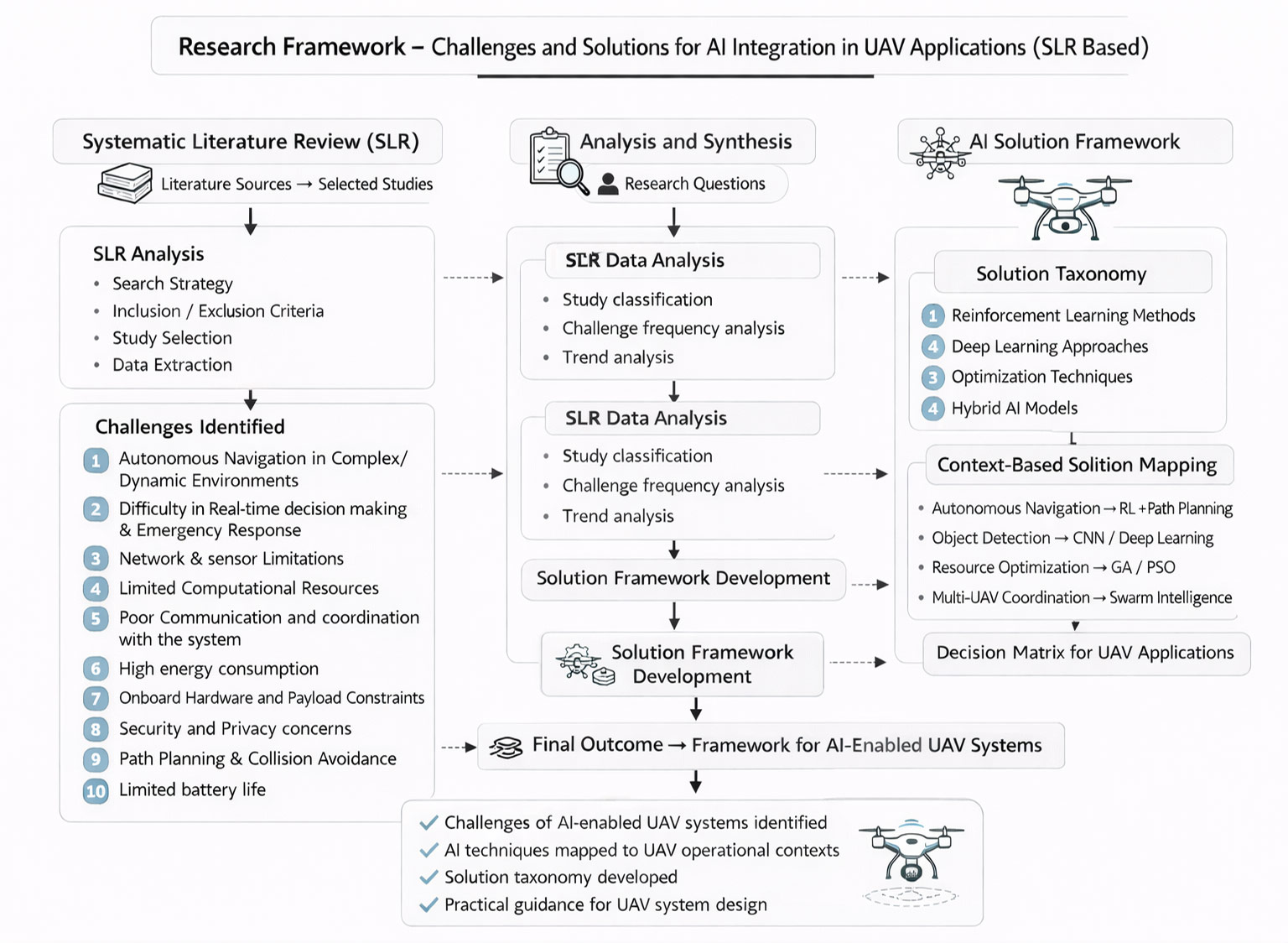
AI Integration in Unmanned Aerial Vehicles: Key Challenges, Enabling Technologies, and Practical Solutions
ICCK Transactions on Applied Intelligence and Cybernetics | Volume 1, Issue 1: 67-95, 2026 | DOI: 10.62762/TAIC.2026.456667
Abstract
Over the last decade, Unmanned Aerial Vehicle (UAV) technology has rapidly developed by integrating AI tools and methodologies. UAVs are used across many fields, including wireless communication, logistics, agriculture, construction, security, and exploration. UAV systems are inherently complex and present numerous challenges. This study conducted a systematic literature review to identify the main challenges and the solutions researchers have proposed. A total of 141 research papers were collected and analyzed, with no restriction on publication year. The review identified 10 main challenges affecting AI in UAVs. These include problems with autonomous navigation, real-time decision-making,... More >

Graphical Abstract
AI Integration in Unmanned Aerial Vehicles: Key Challenges, Enabling Technologies, and Practical Solutions
Open Access | Research Article | 19 April 2026
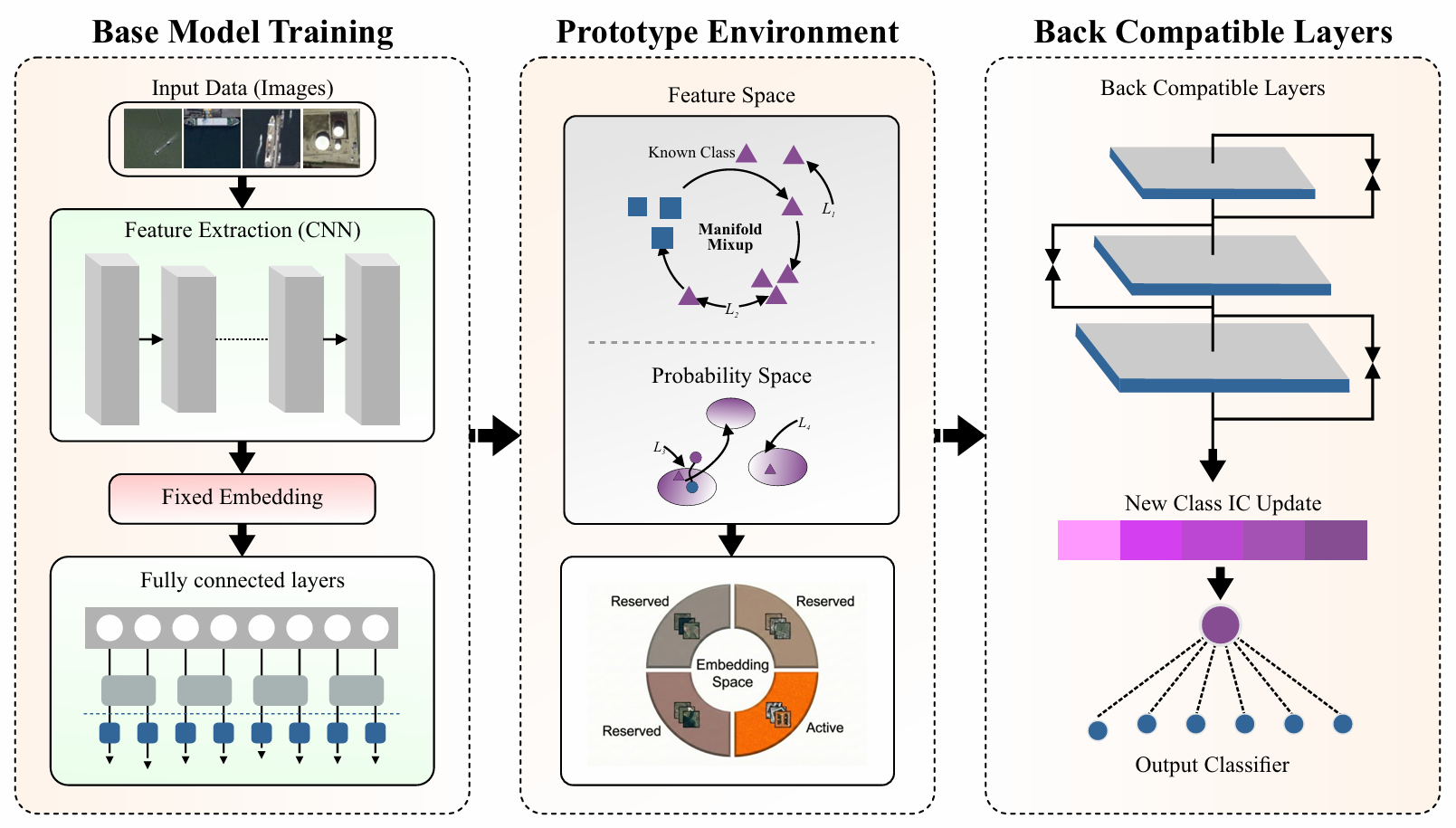
GeoFACT: Geospatial Few-Shot Adaptive and Compatible Training Framework for Remote Sensing Images Classification
ICCK Transactions on Applied Intelligence and Cybernetics | Volume 1, Issue 1: 53-66, 2026 | DOI: 10.62762/TAIC.2026.348838
Abstract
Remote Sensing (RS) data streams necessitate classification models capable of assimilating novel information without the computational burden of retraining from scratch. Although Few-Shot Incremental Learning (FSIL) offers a promising paradigm for adaptation using limited samples, existing methodologies often falter due to the high inter-class similarity and complex background clutter inherent in aerial imagery. To address these challenges, we introduce a novel framework, Geospatial Few-Shot Adaptive Compatible Training, designed to mitigate catastrophic forgetting in dynamic environments. This method ensures forward compatibility by strategically allocating embedding space for future catego... More >

Graphical Abstract
GeoFACT: Geospatial Few-Shot Adaptive and Compatible Training Framework for Remote Sensing Images Classification
Open Access | Research Article | 16 April 2026
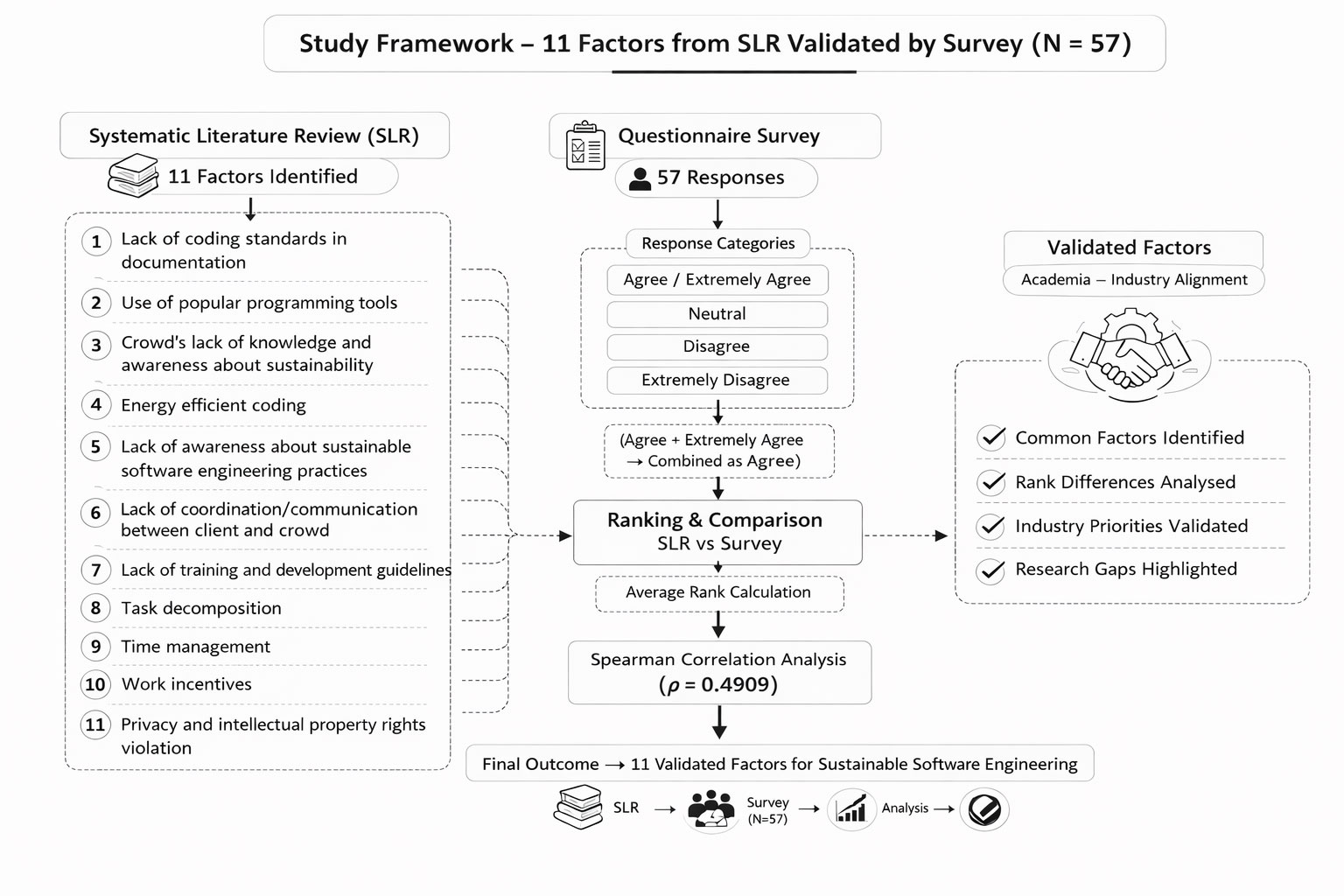
Comparison Based on SLR and Empirical Data: Factors Affecting Sustainability Aspects in Software Crowdsourcing
ICCK Transactions on Applied Intelligence and Cybernetics | Volume 1, Issue 1: 36-52, 2026 | DOI: 10.62762/TAIC.2026.980583
Abstract
Crowdsourced software development (CSD) has gained increasing popularity in software engineering. However, empirical evidence on its sustainability remains limited. Although previous studies have suggested several sustainability-related factors, their applicability in real industrial CSD environments lacks sufficient validation. Through a systematic literature review (SLR), we identified eleven factors affecting sustainability in CSD. This study empirically validates these factors via a questionnaire survey with practitioners from various crowdsourced software development platforms. The results confirm that all eleven factors identified in the literature are also recognized by practitioners,... More >

Graphical Abstract
Comparison Based on SLR and Empirical Data: Factors Affecting Sustainability Aspects in Software Crowdsourcing
Open Access | Review Article | 03 March 2026
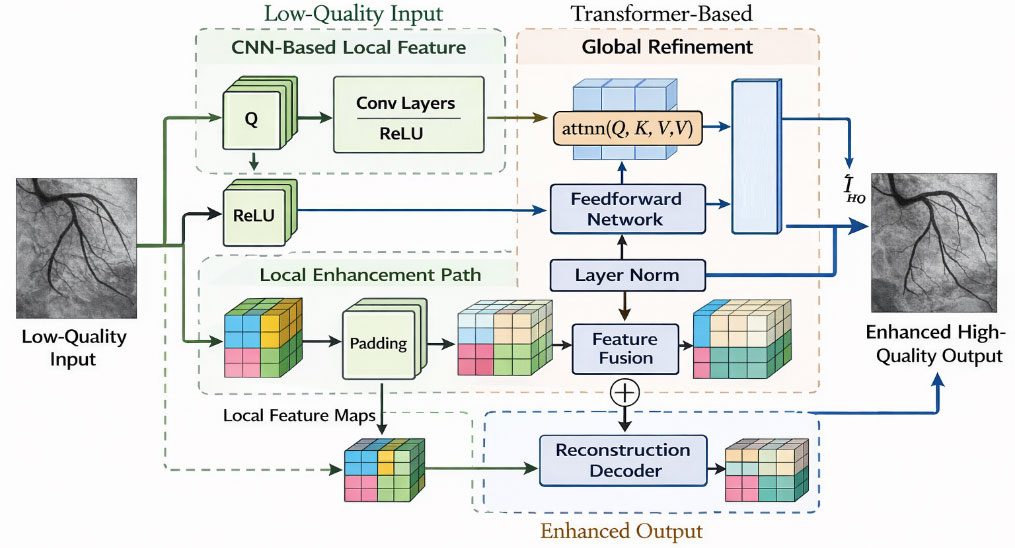
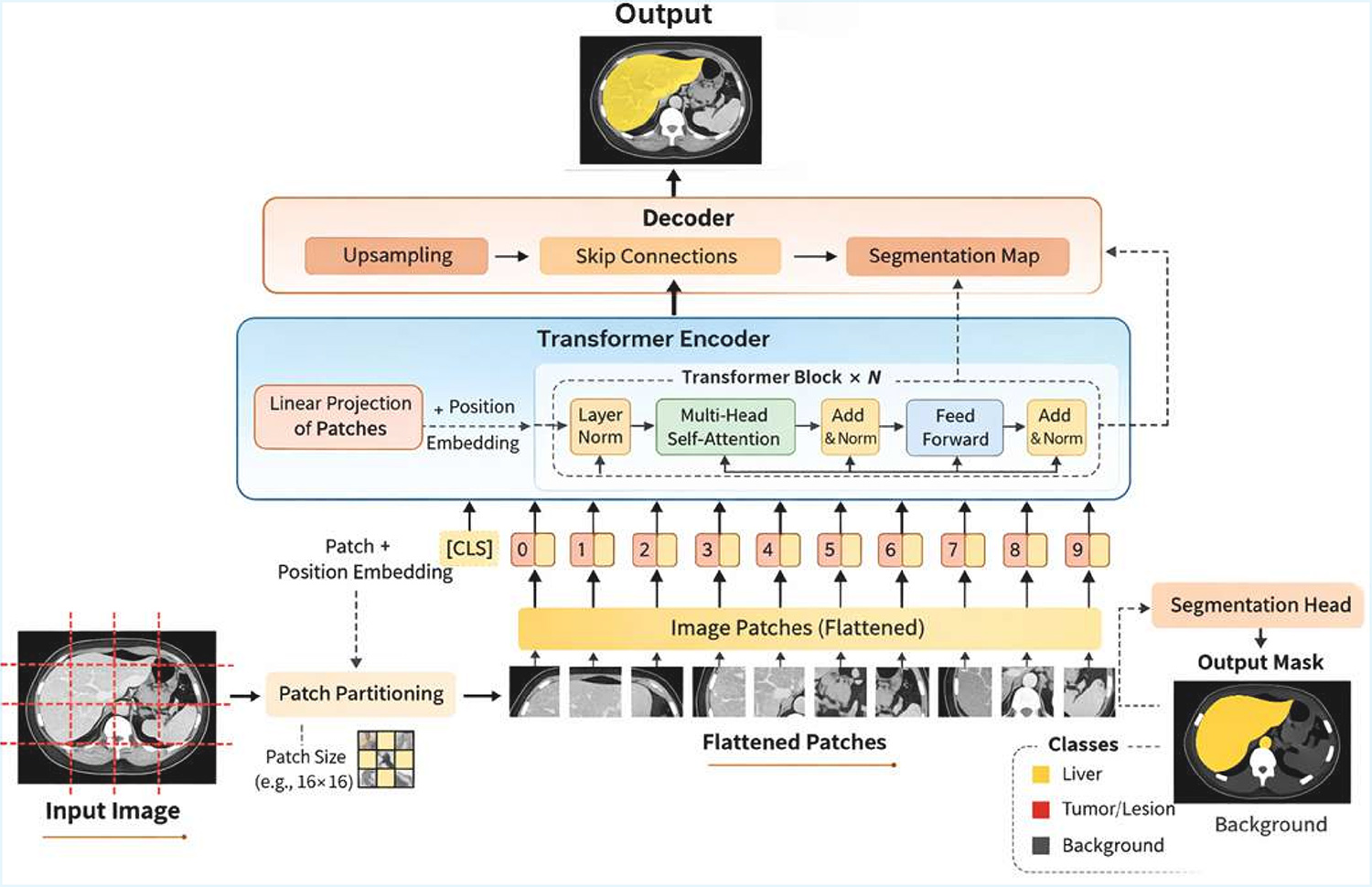
A Comprehensive Review on 3D Volumetric CT Liver Segmentation: Techniques, Challenges, Trends, and Future Research Directions
ICCK Transactions on Applied Intelligence and Cybernetics | Volume 1, Issue 1: 5-35, 2026 | DOI: 10.62762/TAIC.2025.965486
Abstract
Accurate liver segmentation from three-dimensional (3D) computed tomography (CT) volumes is a critical step in computer-aided diagnosis, surgical planning, and disease quantification. Despite substantial progress in deep learning, achieving robust and generalizable liver segmentation remains challenging due to complex organ boundaries, pathological variations, and domain shifts across scanners. This review provides a comprehensive overview of 3D volumetric liver segmentation techniques, spanning from classical model-based methods to contemporary transformer-driven frameworks. We categorize existing methods into three paradigms: (1) classical statistical and atlas-based methods, (2) deep conv... More >

Graphical Abstract
A Comprehensive Review on 3D Volumetric CT Liver Segmentation: Techniques, Challenges, Trends, and Future Research Directions
Open Access | Editorial | 14 January 2026
Bridging Minds and Machines: TAIC’s Vision for Next-Gen AI and Cybernetic Revolutions
ICCK Transactions on Applied Intelligence and Cybernetics | Volume 1, Issue 1: 1-4, 2026 | DOI: 10.62762/TAIC.2025.516366
Abstract
Presents the introductory editorial for the inaugural issue of this title. More >

Journal Statistics

14
Authors
2
Countries / Regions
5
Articles
Scopus: 0
Citations
2025
Published Since
5,517
Article Views
1,032
Article Downloads
ICCK Transactions on Applied Intelligence and Cybernetics
eISSN: 3143-0309
Crossref
Crossref
Member of Crossref
Visit Crossref →