
Earlobe Electrical Signatures: A Non-Invasive Biophysical Tool for Rapid Quantification of Human Systemic Information



Article Information
Abstract
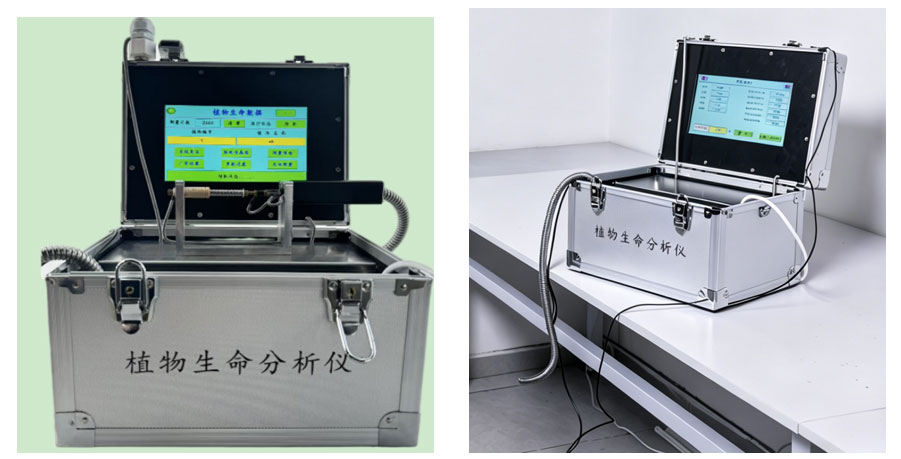
Conventional physiological assessment methods are limited by invasiveness, single-index detection, and the lack of objective biophysical indicators integrating Traditional Chinese Medicine (TCM) and Western medicine principles. This study presents a non-invasive biophysical method for rapid quantification of human systemic physiological information via earlobe electrical parameters, and establishes pressure-dependent biophysical models for these parameters based on thermodynamic and electrophysiological principles. Earlobe capacitance, resistance, impedance, capacitive reactance, and inductive reactance were measured at 9 gradient pressure levels (0.5--6~N) using a portable detection system with a parallel-plate capacitor sensor and pressure-regulated clamp. The Gibbs free energy and Nernst equations were applied to construct a linear model for capacitance and nonlinear exponential decrease models for the other parameters, from which indicators of energy conversion, substance transfer/transport, and metabolic capacity were derived. The models achieved high fitting accuracy ($R^2 > 0.97$), and the three healthy subjects exhibited similar transfer numbers of dielectric substances and similar water transport efficiency. The $\mathrm{RG}_{Xc\text{-}Xl}$ ratio, proposed as a candidate biomarker for TCM Yin-Yang balance, was close to unity (0.986--1.036) in all participants, consistent with a balanced physiological status; total detection time (excluding resting) was $<3$~min. These results suggest that earlobe electrical parameters may serve as a sensitive peripheral signature of systemic physiological function, offering a portable tool for large-scale health screening and early physiological assessment. As a preliminary feasibility study of three healthy participants, these findings require confirmation in larger, more diverse cohorts and independent clinical validation.
Graphical Abstract
Keywords
Data Availability Statement
Funding
Conflicts of Interest
AI Use Statement
Ethical Approval and Consent to Participate
References
- McLamore, E. S., & Porterfield, D. M. (2011). Non-invasive tools for measuring metabolism and biophysical analyte transport: self-referencing physiological sensing. Chemical Society Reviews, 40(11), 5308-5320.
[CrossRef] [Google Scholar] - Northrop, R. B. (2017). Non-invasive instrumentation and measurement in medical diagnosis (2nd ed.). CRC Press.
[CrossRef] [Google Scholar] - Zhang, C., Wu, Y., Su, Y., Xing, D., Dai, Y., Wu, Y., & Fang, L. (2020). A plant's electrical parameters indicate its physiological state: A study of intracellular water metabolism. Plants, 9(10), 1256.
[CrossRef] [Google Scholar] - Iveson-Iveson, J. (1979). Anatomy and physiology: The ear. Nursing Mirror, 148(7), 26-28. https://pubmed.ncbi.nlm.nih.gov/253351/
[Google Scholar] - Langlands, J. H. M., & Wallace, W. F. M. (1965). Small blood-samples from ear-lobe puncture: A substitute for arterial puncture. The Lancet, 286(7407), 315-317.
[CrossRef] [Google Scholar] - McKee, T. J., Perlman, G., Morris, M., & Komarova, S. V. (2019). Extracellular matrix composition of connective tissues: a systematic review and meta-analysis. Scientific Reports, 9(1), 10542.
[CrossRef] [Google Scholar] - Zhukov, A., & Popov, V. (2023). Eukaryotic cell membranes: Structure, composition, research methods and computational modelling. International Journal of Molecular Sciences, 24(13), 11226.
[CrossRef] [Google Scholar] - Wang, J., Wu, Y., Xing, D., Zhang, Q., Quispe Puma, M. R., & Chen, Q. (2025). Dynamic traits of intracellular water and salt based on electrophysiological measurements during adaptations of three mangrove species under salinity stresses. Horticulturae, 11(3), 309.
[CrossRef] [Google Scholar] - Mitchell, P. (1961). Coupling of phosphorylation to electron and hydrogen transfer by a chemi-osmotic type of mechanism. Nature, 191(4784), 144-148.
[CrossRef] [Google Scholar] - Held, C., & Sadowski, G. (2016). Thermodynamics of bioreactions. Annual Review of Chemical and Biomolecular Engineering, 7(1), 395-414.
[CrossRef] [Google Scholar] - Lucenteforte, E., Romoli, M., Zagli, G., Gensini, G. F., Mugelli, A., & Vannacci, A. (2014). Ear lobe crease as a marker of coronary artery disease: a meta-analysis. International Journal of Cardiology, 175(1), 171-175.
[CrossRef] [Google Scholar] - Gabriel, C., Gabriel, S., & Corthout, E. (1996). The dielectric properties of biological tissues: I. Literature survey. Physics in Medicine & Biology, 41(11), 2231-2249.
[CrossRef] [Google Scholar] - Wang, J., Aboueldahab, M., Wu, Y., Xing, D., & Zhang, Q. (2026). Salt adaptation in Aegiceras corniculatum: Electrophysiology, gene expression, and energy trade-offs. Journal of Plant Electrobiology, 1(1), 7-31.
[CrossRef] [Google Scholar] - Liu, M., Lv, J., Pan, Z., Wang, D., Zhao, L., & Guo, X. (2022). Mitochondrial dysfunction in heart failure and its therapeutic implications. Frontiers in Cardiovascular Medicine, 9, 945142.
[CrossRef] [Google Scholar] - Teixeira, P. F. S., dos Santos, P. B., & Pazos-Moura, C. C. (2020). The role of thyroid hormone in metabolism and metabolic syndrome. Therapeutic Advances in Endocrinology and Metabolism, 11, 2042018820917869.
[CrossRef] [Google Scholar] - Bullen, A. L., Fregoso, A., Ascher, S. B., Shlipak, M. G., Ix, J. H., & Rifkin, D. E. (2023). Markers of kidney tubule dysfunction and major adverse kidney events. Nephron, 147(12), 713-716.
[CrossRef] [Google Scholar] - Broer, S. (2008). Amino acid transport across mammalian intestinal and renal epithelia. Physiological Reviews, 88(1), 249-286.
[CrossRef] [Google Scholar] - Ikeda, Y., Martone, M., Gu, Y., Hoshijima, M., Thor, A., Oh, S. S., ... & Ross Jr, J. (2000). Altered membrane proteins and permeability correlate with cardiac dysfunction in cardiomyopathic hamsters. American Journal of Physiology-Heart and Circulatory Physiology, 278(4), H1362-H1370.
[CrossRef] [Google Scholar] - Marazzato, J., Blasi, F., Golino, M., Verdecchia, P., Angeli, F., & De Ponti, R. (2022). Hypertension and arrhythmias: A clinical overview of the pathophysiology-driven management of cardiac arrhythmias in hypertensive patients. Journal of Cardiovascular Development and Disease, 9(4), 110.
[CrossRef] [Google Scholar] - Cheng, Y., Hu, H., Li, W., Nie, S., Zhou, S., Chen, Y., ... & Wan, Q. (2025). Chronic kidney disease and thyroid hormones. The Journal of Clinical Endocrinology & Metabolism, 110(8), e2446-e2455.
[CrossRef] [Google Scholar] - Yang, M., Liu, S., & Zhang, C. (2022). The related metabolic diseases and treatments of obesity. Healthcare, 10(9), 1616.
[CrossRef] [Google Scholar] - Ou, B., Huang, D., Hampsch-Woodill, M., & Flanagan, J. A. (2003). When east meets west: The relationship between yin-yang and antioxidation-oxidation. The FASEB Journal, 17(2), 127-129.
[CrossRef] [Google Scholar]
Cite This Article
TY  - JOUR
AU  - Wu, Yanyou
PY  - 2026
DA  - 2026/11/27
TI  - Earlobe Electrical Signatures: A Non-Invasive Biophysical Tool for Rapid Quantification of Human Systemic Information
JO  - Frontiers in Biomedical Signal Processing
T2  - Frontiers in Biomedical Signal Processing
JF  - Frontiers in Biomedical Signal Processing
VL  - 1
IS  - 2
SP  - 105
EP  - 122
DO  - 10.62762/FBSP.2026.693858
UR  - https://www.icck.org/article/abs/fbsp.2026.693858
KW  - earlobe electrical parameters
KW  - non-invasive biophysical detection
KW  - pressure-dependent model
KW  - biophysical modeling
KW  - Yin-Yang balance
AB  - Conventional physiological assessment methods are limited by invasiveness, single-index detection, and the lack of objective biophysical indicators integrating Traditional Chinese Medicine (TCM) and Western medicine principles. This study presents a non-invasive biophysical method for rapid quantification of human systemic physiological information via earlobe electrical parameters, and establishes pressure-dependent biophysical models for these parameters based on thermodynamic and electrophysiological principles. Earlobe capacitance, resistance, impedance, capacitive reactance, and inductive reactance were measured at 9 gradient pressure levels (0.5--6~N) using a portable detection system with a parallel-plate capacitor sensor and pressure-regulated clamp. The Gibbs free energy and Nernst equations were applied to construct a linear model for capacitance and nonlinear exponential decrease models for the other parameters, from which indicators of energy conversion, substance transfer/transport, and metabolic capacity were derived. The models achieved high fitting accuracy ($R^2 > 0.97$), and the three healthy subjects exhibited similar transfer numbers of dielectric substances and similar water transport efficiency. The $\mathrm{RG}_{Xc\text{-}Xl}$ ratio, proposed as a candidate biomarker for TCM Yin-Yang balance, was close to unity (0.986--1.036) in all participants, consistent with a balanced physiological status; total detection time (excluding resting) was $
SN  - 3071-2912
PB  - Institute of Central Computation and Knowledge
LA  - English
ER  -
@article{Wu2026Earlobe,
  author = {Yanyou Wu},
  title = {Earlobe Electrical Signatures: A Non-Invasive Biophysical Tool for Rapid Quantification of Human Systemic Information},
  journal = {Frontiers in Biomedical Signal Processing},
  year = {2026},
  volume = {1},
  number = {2},
  pages = {105-122},
  doi = {10.62762/FBSP.2026.693858},
  url = {https://www.icck.org/article/abs/fbsp.2026.693858},
  abstract = {Conventional physiological assessment methods are limited by invasiveness, single-index detection, and the lack of objective biophysical indicators integrating Traditional Chinese Medicine (TCM) and Western medicine principles. This study presents a non-invasive biophysical method for rapid quantification of human systemic physiological information via earlobe electrical parameters, and establishes pressure-dependent biophysical models for these parameters based on thermodynamic and electrophysiological principles. Earlobe capacitance, resistance, impedance, capacitive reactance, and inductive reactance were measured at 9 gradient pressure levels (0.5--6~N) using a portable detection system with a parallel-plate capacitor sensor and pressure-regulated clamp. The Gibbs free energy and Nernst equations were applied to construct a linear model for capacitance and nonlinear exponential decrease models for the other parameters, from which indicators of energy conversion, substance transfer/transport, and metabolic capacity were derived. The models achieved high fitting accuracy (\$R^2 > 0.97\$), and the three healthy subjects exhibited similar transfer numbers of dielectric substances and similar water transport efficiency. The \$\mathrm{RG}\_{Xc\text{-}Xl}\$ ratio, proposed as a candidate biomarker for TCM Yin-Yang balance, was close to unity (0.986--1.036) in all participants, consistent with a balanced physiological status; total detection time (excluding resting) was \$},
  keywords = {earlobe electrical parameters, non-invasive biophysical detection, pressure-dependent model, biophysical modeling, Yin-Yang balance},
  issn = {3071-2912},
  publisher = {Institute of Central Computation and Knowledge}
}
Article Metrics
Publisher's Note
ICCK stays neutral with regard to jurisdictional claims in published maps and institutional affiliations.
Rights and Permissions
 Copyright © 2026 by the Author(s). Published by Institute of Central Computation and Knowledge. This article is an open access article distributed under the terms and conditions of the Creative Commons Attribution (CC BY) license (https://creativecommons.org/licenses/by/4.0/), which permits use, sharing, adaptation, distribution and reproduction in any medium or format, as long as you give appropriate credit to the original author(s) and the source, provide a link to the Creative Commons licence, and indicate if changes were made.


Portico
