Volume 2, Issue 1


Volume 2, Issue 1 (March, 2026) – 5 articles
Citations: 1, 1,  1   |   Viewed: 1680, Download: 466

Table of Contents

Open Access | Research Article | 17 February 2026
A GIS–AHP Framework for Solar Energy Site Selection in Developing Regions: Urcuqui, Ecuador
Journal of Geo-Energy and Environment | Volume 2, Issue 1: 73-94, 2026 | DOI: 10.62762/JGEE.2026.577955
Abstract
Global warming and climate change challenge us to implement sustainable energy systems. Urcuqui, located in the Imbabura province in the North of Ecuador, is one of the cities with the most promising renewable energy resources. Therefore, analyzing the energy potential of Urcuqui at the micro and macro scales will provide valuable information for the national efforts to pursue the Sustainable Development Goals and the 2030 Agenda. This work aims to identify strategic points with high viability to implement renewable energy systems by collecting information from local governments, such as Municipio de Urcuqui and Prefectura de Imbabura, and implementing advanced methodologies like GIS and mul... More >

Graphical Abstract
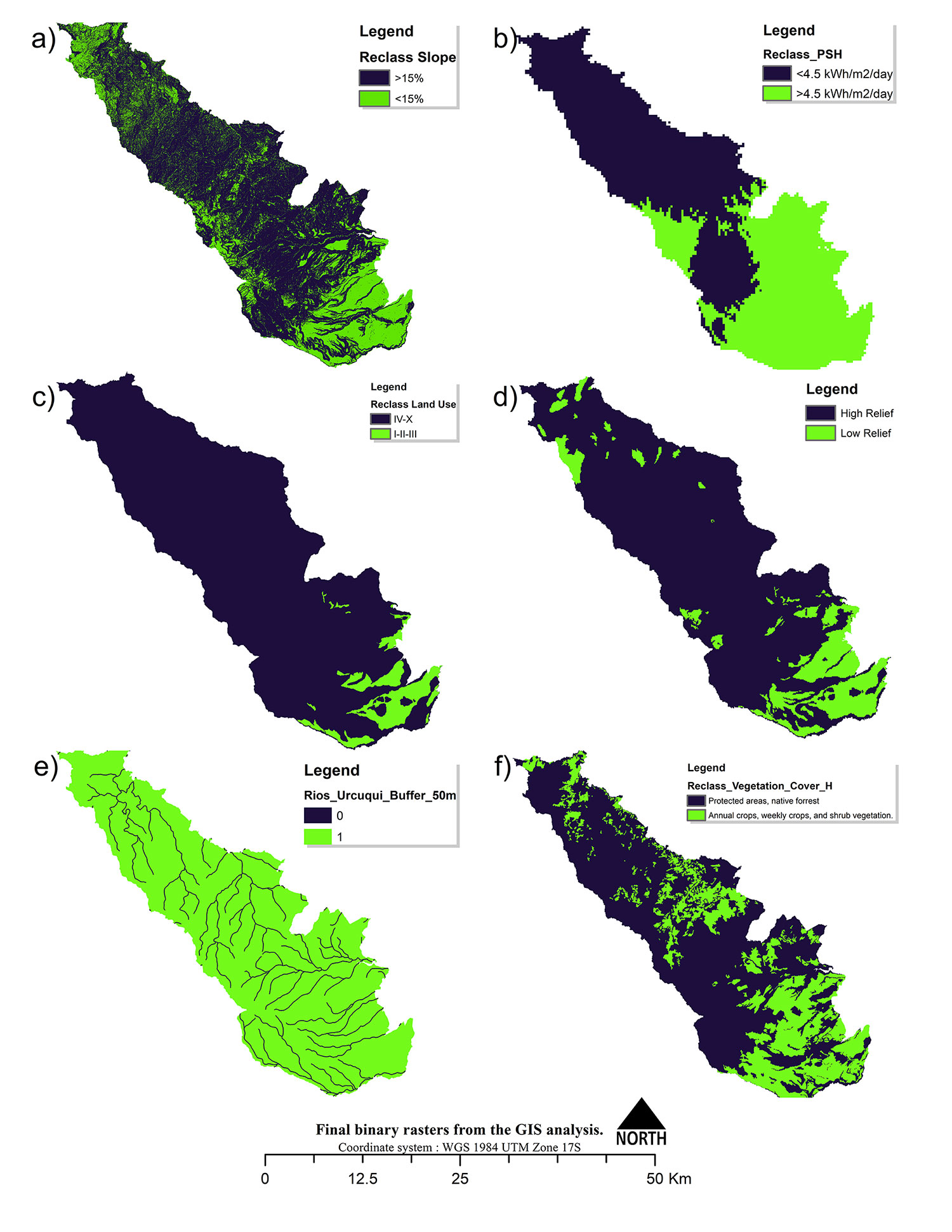
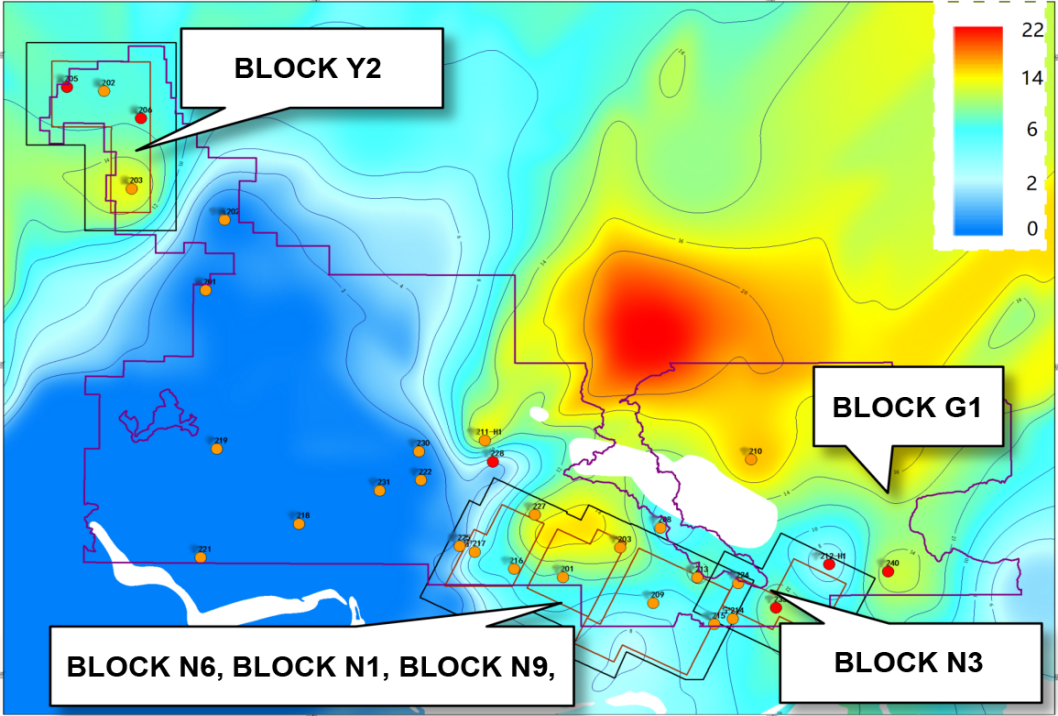
A GIS–AHP Framework for Solar Energy Site Selection in Developing Regions: Urcuqui, Ecuador
Open Access | Research Article | 08 February 2026 | Cited: 1 , Scopus 1
Organic Geochemical Characteristics and Thermal Evolution Characteristics of Paleogene to Neogene Source Rocks in Mangai Area, Qaidam Basin
Journal of Geo-Energy and Environment | Volume 2, Issue 1: 56-72, 2026 | DOI: 10.62762/JGEE.2025.781750
Abstract
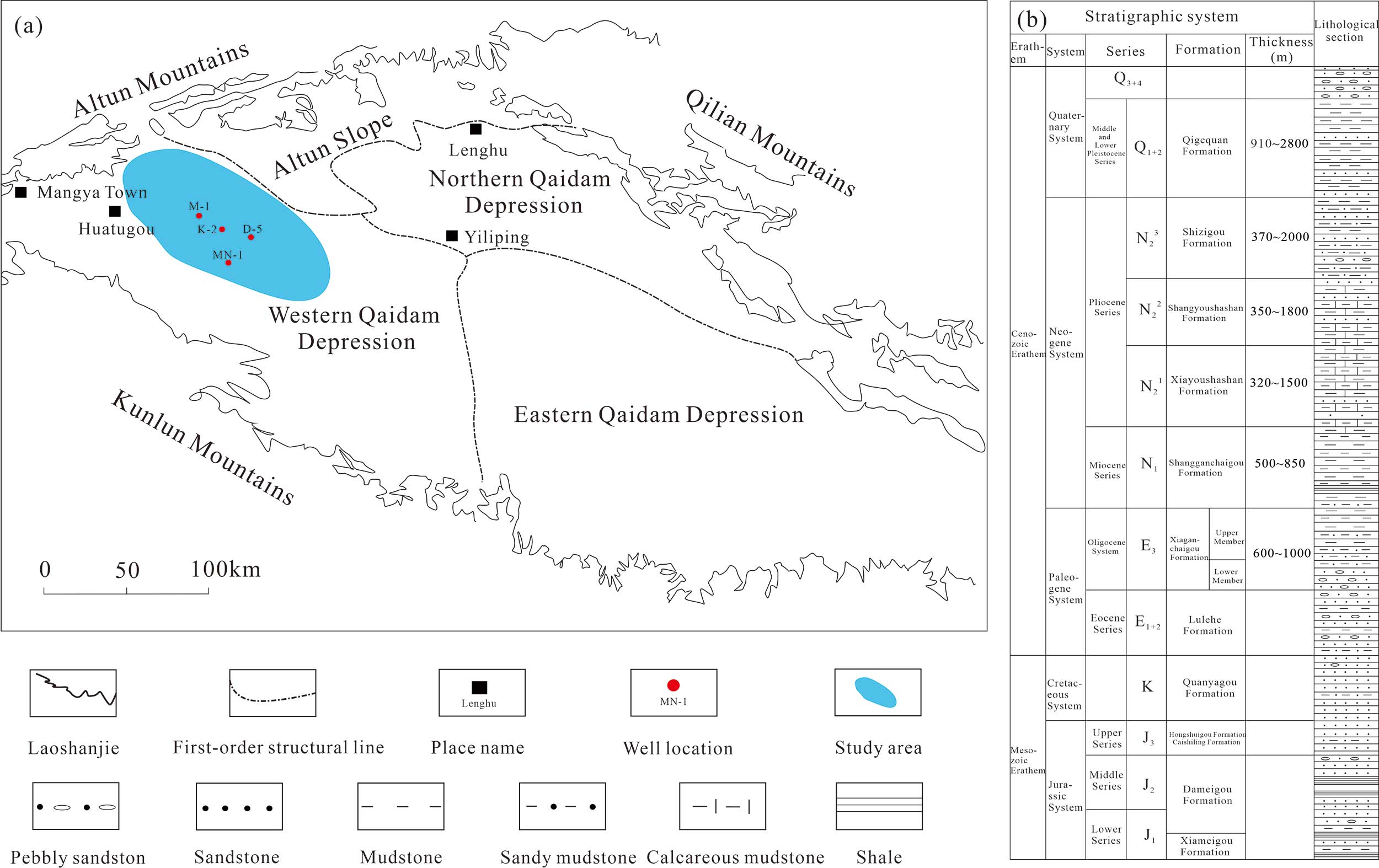
The Paleogene-Neogene lacustrine source rocks in the Mangai area of the Qaidam Basin are significant exploration targets. A comprehensive evaluation of four major intervals (E$_3^2$, N$_1$, N$_2^1$, N$_2^2$) was conducted through systematic organic geochemistry, maceral identification, thermal maturity analysis, and burial-thermal history modeling. Results show TOC contents of 0.203~1.28% (avg. 0.74%), chloroform bitumen "A" of 0.0164~0.2495% (avg. 0.132%), and total hydrocarbon contents of 69.29~1637.48 $\mu$g/g (avg. 853.39 $\mu$g/g), indicating fair to good quality. Kerogen elemental analysis (H/C=0.97~1.21), maceral composition (sapropelinite+exinite=70~98%), and saturated hydrocarbon ch... More >

Graphical Abstract
Organic Geochemical Characteristics and Thermal Evolution Characteristics of Paleogene to Neogene Source Rocks in Mangai Area, Qaidam Basin
Open Access | Research Article | 04 February 2026
A High-Accuracy Cost Prediction Model for Shale Gas Drilling in Southern Sichuan Using PCA and BP Neural Network
Journal of Geo-Energy and Environment | Volume 2, Issue 1: 46-55, 2026 | DOI: 10.62762/JGEE.2026.416866
Abstract
Shale gas, as a typical low-quality marginal hydrocarbon resource, faces persistently high drilling costs, which have become one of the main bottlenecks restricting its large-scale development. The Southern Sichuan region of China holds enormous shale gas reserves and is a strategically important area for achieving cost-effective large-scale development. However, as production capacity construction intensifies and the volume of investment and cost data increases, traditional data processing methods can no longer meet the timeliness and accuracy requirements for handling massive data. Accurate prediction of oil and gas drilling costs will help in making scientific decisions and evaluations. I... More >

Graphical Abstract
A High-Accuracy Cost Prediction Model for Shale Gas Drilling in Southern Sichuan Using PCA and BP Neural Network
Open Access | Research Article | 02 February 2026
Identification and Distribution Characteristics of Mudstone Intercalations in Ultra-Deep Tight Fractured Sandstone Gas Reservoirs: A Case Study of the Keshen A Gas Reservoir, Tarim Basin
Journal of Geo-Energy and Environment | Volume 2, Issue 1: 34-45, 2026 | DOI: 10.62762/JGEE.2025.797111
Abstract
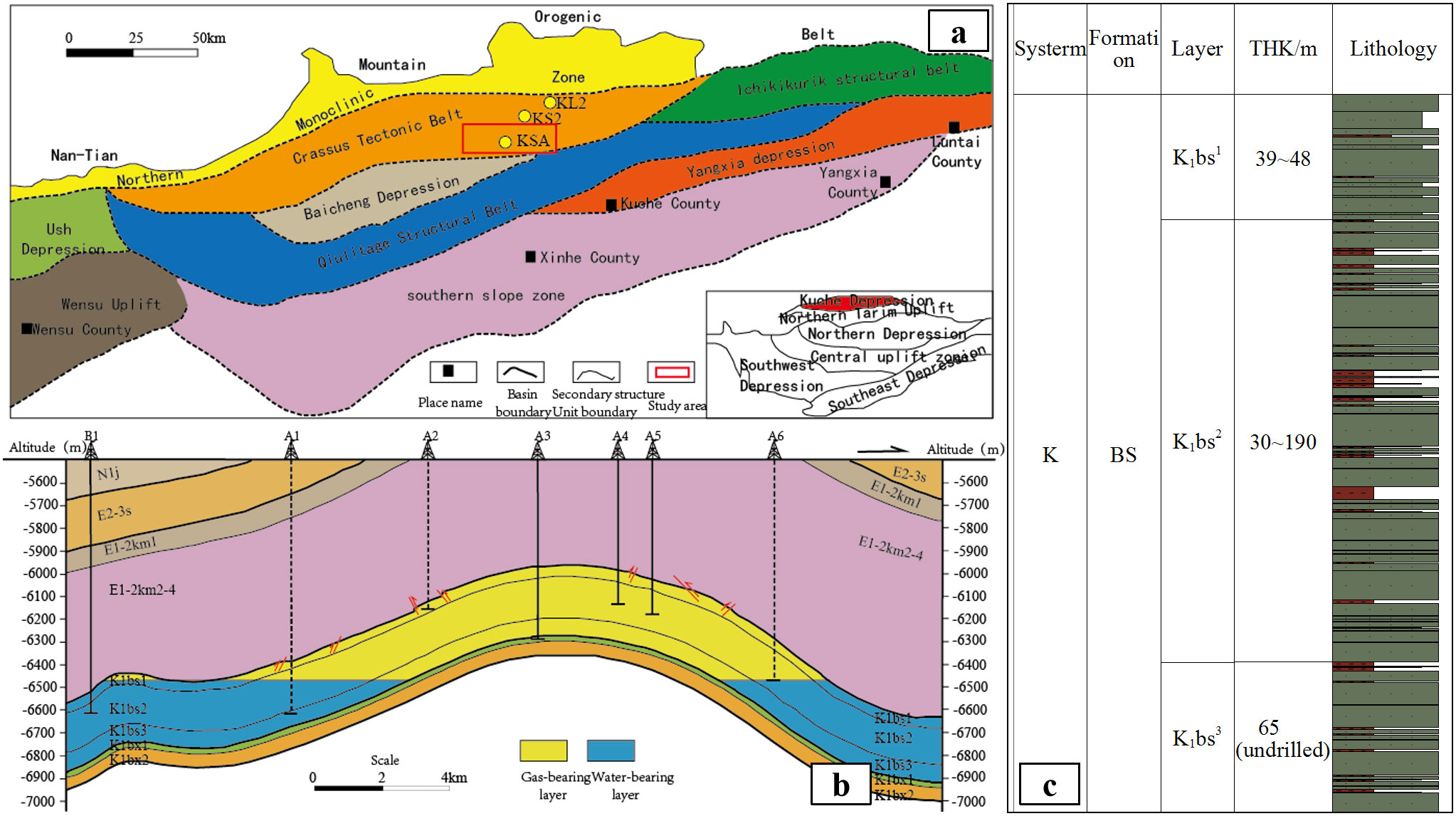
The ultra-deep tight sandstone gas reservoirs in the Tarim Basin, exemplified by the Keshen A gas reservoir, face escalating challenges of water invasion and pressure maintenance after years of production. Interlayers within these reservoirs serve as critical geological barriers, yet their spatial distribution remains poorly resolved due to limitations in conventional identification methods. This study integrates core, logging, 3D seismic, and production data within a sequence stratigraphic and reservoir geology framework to establish a ``core-logging-seismic'' collaborative identification system for argillaceous interlayers. Two main interlayer types—argillaceous and physical—are identi... More >

Graphical Abstract
Identification and Distribution Characteristics of Mudstone Intercalations in Ultra-Deep Tight Fractured Sandstone Gas Reservoirs: A Case Study of the Keshen A Gas Reservoir, Tarim Basin
Open Access | Research Article | 24 January 2026
Natural Gas Transit from West Africa to Europe (Africa Atlantic Gas Pipeline) to Maximize Energy Security and Transit Revenues by 2050
Journal of Geo-Energy and Environment | Volume 2, Issue 1: 1-33, 2026 | DOI: 10.62762/JGEE.2025.372522
Abstract
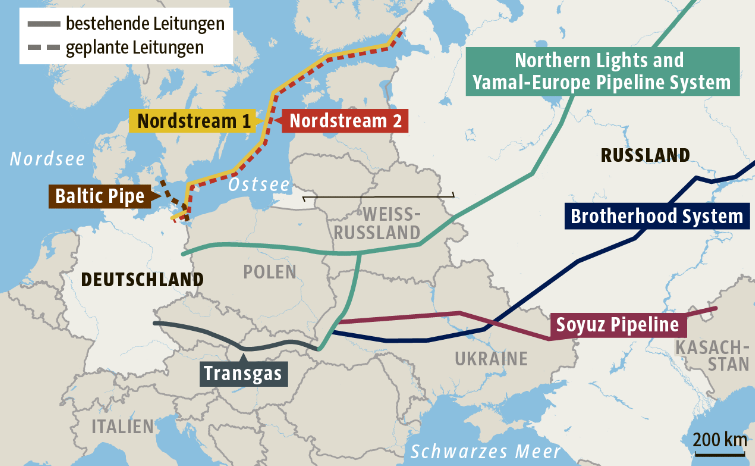
The Africa-Atlantic Gas Pipeline (AAGP), also known as the Nigeria-Morocco Gas Pipeline, is a major transcontinental infrastructure project poised to connect West African gas reserves with North African networks and European markets, potentially reshaping regional energy dynamics, boosting economic development, and enhancing energy security. Its strategic importance has grown amid Europe’s urgent need to diversify away from Russian gas imports and Africa’s dual challenge of resource-based development and sustainable local energy access. Despite increasing interest, there is a lack of integrated, quantitative evaluation of competing gas transit strategies considering technical, economic,... More >

Graphical Abstract
Natural Gas Transit from West Africa to Europe (Africa Atlantic Gas Pipeline) to Maximize Energy Security and Transit Revenues by 2050