Volume 1, Issue 2 (In Progress)


In Progress
Citations: Crossref logo 0,   0   |   Viewed: 1389, Download: 625

Table of Contents

Open Access | Review Article | 27 September 2026
A Tri-Phasic View of the Microenvironment in Breast Cancer Brain Metastasis
Oncology Communications | Volume 1, Issue 2: 108-123, 2026 | DOI: 10.62762/OC.2026.145571
Abstract
Breast cancer brain metastasis (BCBM) is driven by microenvironmental remodeling across three interconnected phases: the primary tumor microenvironment (TME) licenses dissemination, the pre-metastatic niche (PMN) primes the brain, and the established metastatic niche sustains outgrowth through central nervous system (CNS)-resident cell interactions. These phases are individually established; we integrate them through cross-phase signaling axes, exemplified by the proposed IL-6$\rightarrow$extracellular vesicle (EV)$\rightarrow$blood-brain barrier (BBB) disruption cascade, that link tumor-associated macrophage-driven epithelial-mesenchymal transition to PMN conditioning and niche maintenance.... More >

Graphical Abstract
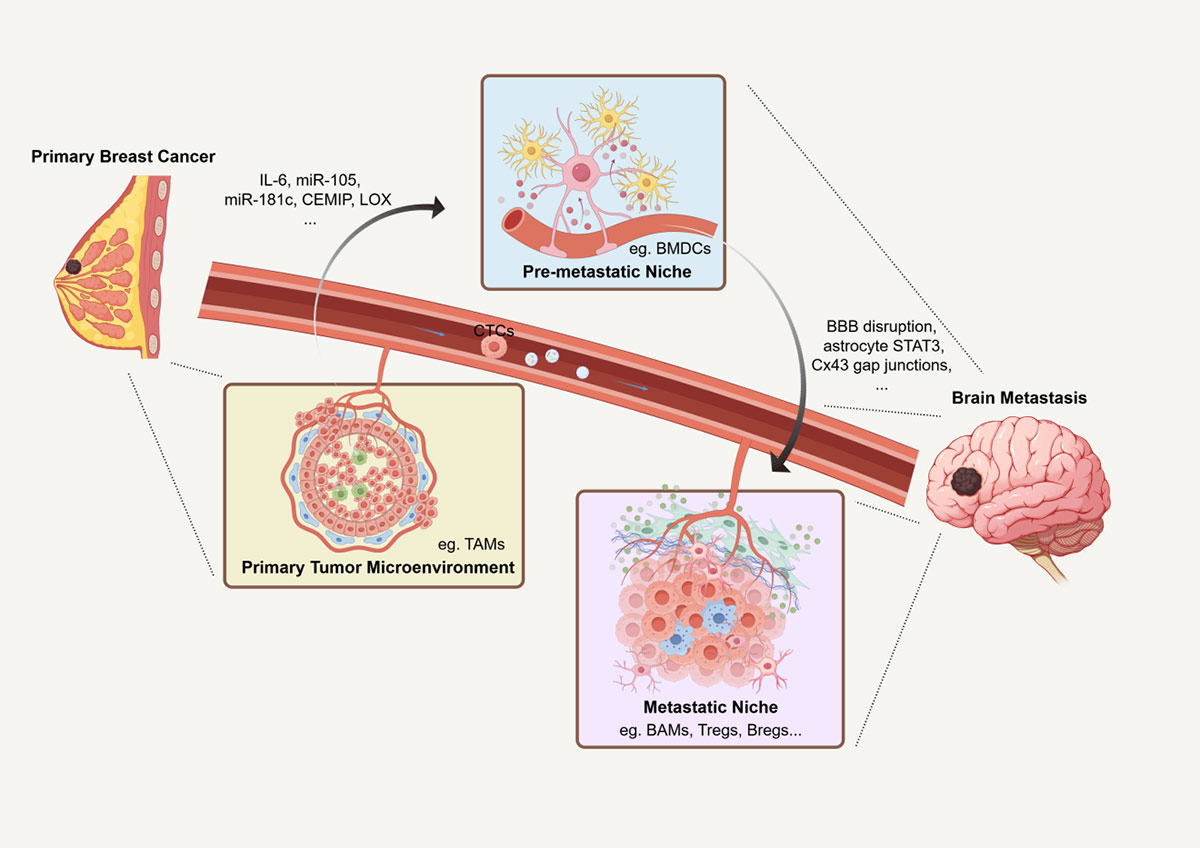
A Tri-Phasic View of the Microenvironment in Breast Cancer Brain Metastasis
Open Access | Research Article | 24 September 2026
Low FOXA2 Expression Is Associated With ECM Remodeling, FAK--YAP-Related Transcriptional Features, and a Macrophage-Enriched Immune-Stromal Microenvironment in Hepatocellular Carcinoma
Oncology Communications | Volume 1, Issue 2: 95-107, 2026 | DOI: 10.62762/OC.2026.549981
Abstract
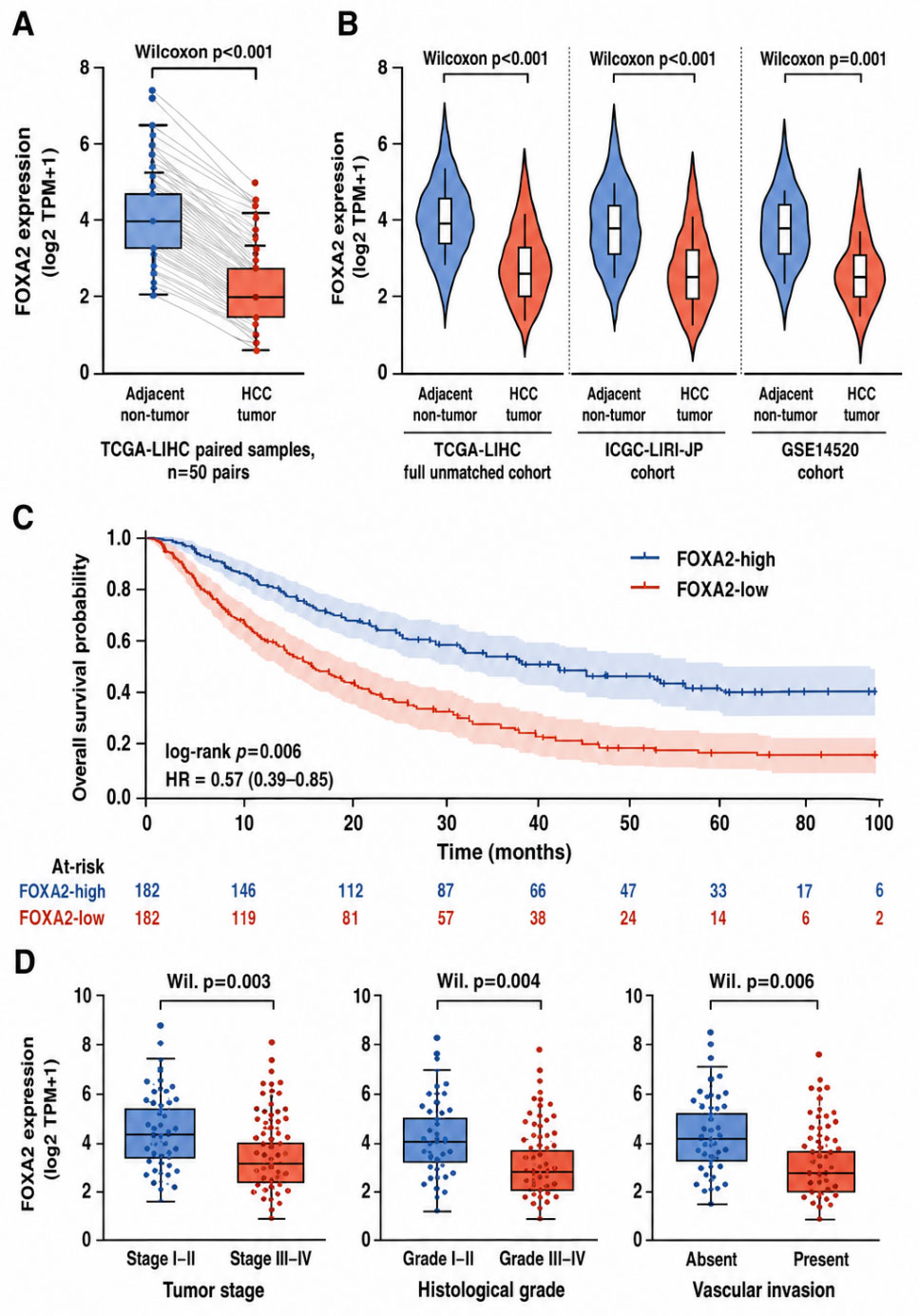
Tumor-associated macrophages and extracellular matrix remodeling are important components shaping the microenvironment of hepatocellular carcinoma (HCC). This study examined whether forkhead box A2 (FOXA2) expression is associated with extracellular matrix (ECM)/stromal remodeling, focal adhesion kinase (FAK)--Yes-associated protein (YAP)-related transcriptional features, and immune-stromal characteristics in HCC. Using The Cancer Genome Atlas liver hepatocellular carcinoma (TCGA-LIHC) cohort for discovery and the ICGC-LIRI-JP and GSE14520 datasets for expression validation, we performed differential expression, enrichment analysis, single-sample gene set scoring, ESTIMATE-based microenviron... More >

Graphical Abstract
Low FOXA2 Expression Is Associated With ECM Remodeling, FAK--YAP-Related Transcriptional Features, and a Macrophage-Enriched Immune-Stromal Microenvironment in Hepatocellular Carcinoma
Open Access | Report | 20 August 2026
Individualized Nursing Support for Pulmonary Rehabilitation Participation Following Esophagectomy: A Case Report Guided by the Patient Health Engagement Model
Oncology Communications | Volume 1, Issue 2: 88-94, 2026 | DOI: 10.62762/OC.2026.860858
Abstract
Esophagectomy is the cornerstone of curative-intent treatment for resectable esophageal cancer, but postoperative course is frequently complicated by pain, impaired airway clearance, reduced respiratory function, and high risk of pulmonary complications (PPCs), which prolong recovery, increase morbidity and mortality, and can delay oncologic care. Early pulmonary rehabilitation is a core component of enhanced recovery after esophagectomy, yet patient participation is often limited by pain, drainage tubes, fear of movement, and insufficient understanding. The Patient Health Engagement (PHE) model describes patient progression through emotional, cognitive, and behavioral readiness to participa... More >
Open Access | Review Article | 19 August 2026
Molecular Regulatory Network and Therapeutic Potential of Ferroptosis in Gastric Cancer: An Exploration Combining Bibliometrics and Mechanistic Review
Oncology Communications | Volume 1, Issue 2: 64-87, 2026 | DOI: 10.62762/OC.2026.222998
Abstract
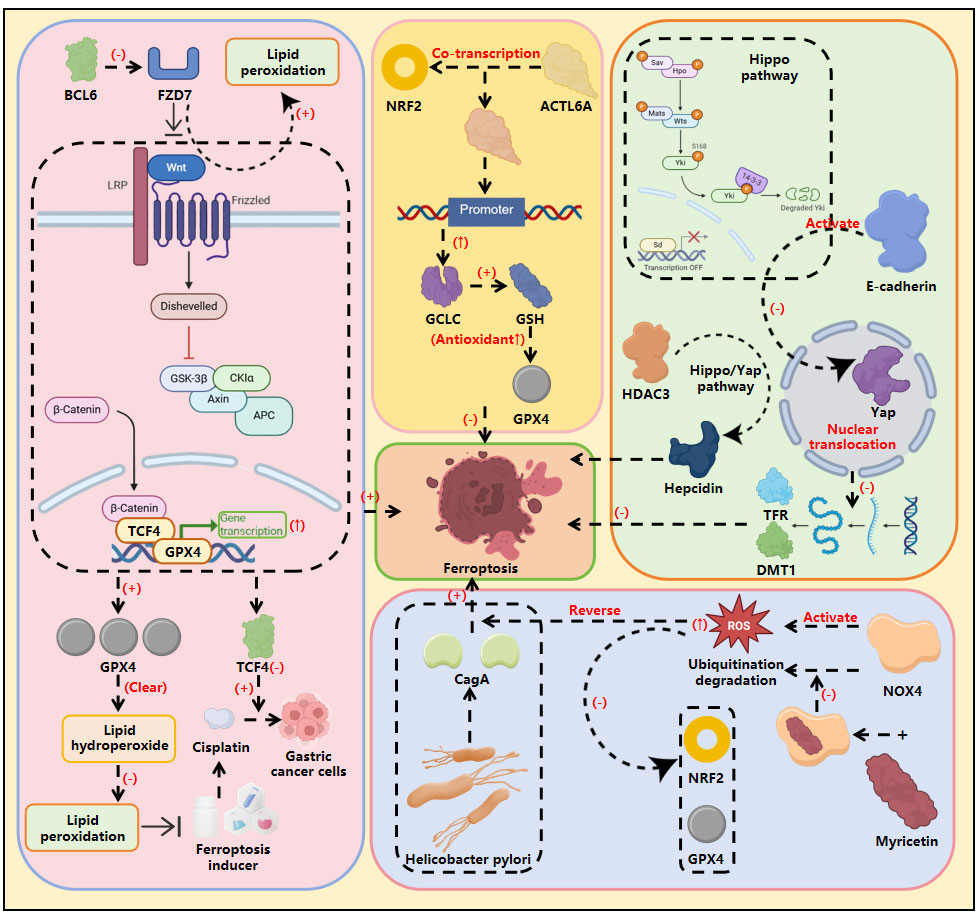
Gastric cancer, a prevalent malignancy of the digestive tract, continues to pose significant challenges in pathogenesis and prognosis improvement. Ferroptosis has emerged as a promising therapeutic breakthrough due to its critical role in inhibiting tumor growth and reversing drug resistance. This study employs bibliometric and visual analysis tools, utilizing the Web of Science database (up to October 20, 2025), to systematically analyze 362 English-language papers on ferroptosis in gastric cancer (GC), authored by 2,458 researchers across 16 countries and published in 189 journals. The analysis reveals a rapidly growing field, with 74.86\% of papers published in the last three years, and i... More >

Graphical Abstract
Molecular Regulatory Network and Therapeutic Potential of Ferroptosis in Gastric Cancer: An Exploration Combining Bibliometrics and Mechanistic Review
Open Access | Review Article | 12 August 2026
Tumor Immunotherapy Resistance: Underlying Mechanisms and Emerging Strategies to Overcome Therapeutic Bottlenecks
Oncology Communications | Volume 1, Issue 2: 45-63, 2026 | DOI: 10.62762/OC.2026.289553
Abstract
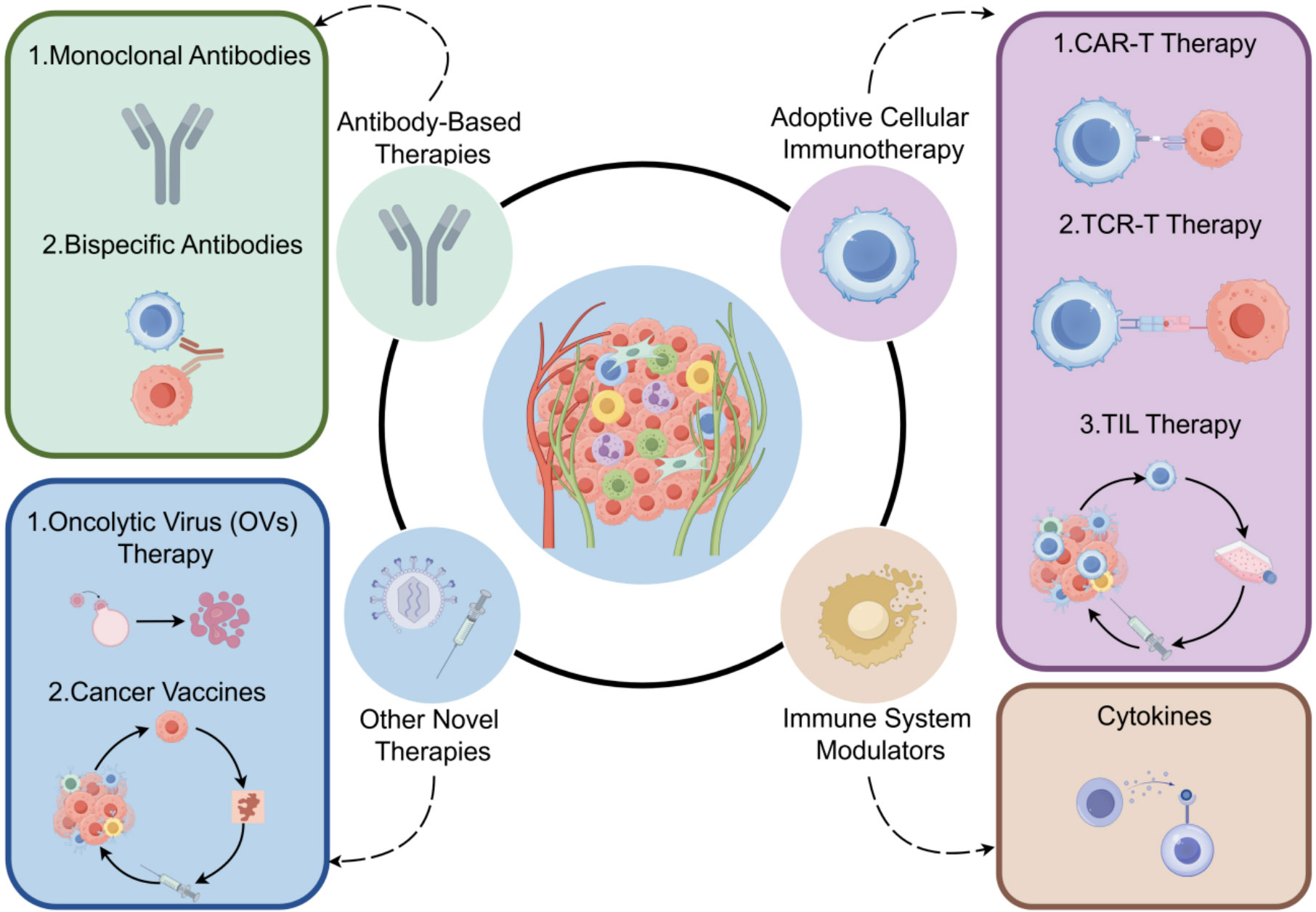
This review presents a systematic synthesis of the principal tumor immunotherapy strategies and their corresponding resistance mechanisms. Immunotherapies—including antibody-based therapies, adoptive cell therapies, immune modulators, and novel approaches such as oncolytic viruses and cancer vaccines—work by stimulating or enhancing the patient's immune system to target cancer cells. Nevertheless, they commonly encounter resistance in clinical applications. Resistance mechanisms predominantly stem from tumor-intrinsic factors and tumor microenvironment (TME) factors. To surmount resistance, combination therapies and personalized treatment strategies grounded in TME profiling and biomarke... More >

Graphical Abstract
Tumor Immunotherapy Resistance: Underlying Mechanisms and Emerging Strategies to Overcome Therapeutic Bottlenecks