Volume 1, Issue 2


Volume 1, Issue 2 (December, 2025) – 5 articles
Citations: 0, 0,  0   |   Viewed: 2873, Download: 871

Table of Contents

Open Access | Review Article | 31 December 2025
Advanced Manufacturing Processes and 3D Printing Approaches for Enhancing Solubility and Bioavailability of Poorly Water-Soluble Drugs
ICCK Transactions on Advanced Functional Materials and Processing | Volume 1, Issue 2: 78-92, 2025 | DOI: 10.62762/TAFMP.2025.952672
Abstract
Poor aqueous solubility is a critical challenge in drug development, often leading to low oral bioavailability and limited therapeutic efficacy. To address this issue, advanced manufacturing processes and 3D printing technologies have emerged as powerful strategies for improving drug solubility and dissolution behavior. Advanced techniques such as hot-melt extrusion, spray drying, nanocrystal technology, co-crystallization, lipid-based systems, and amorphous solid dispersions enable stable formulations with enhanced solubility and scalable production. In parallel, 3D printing offers unique advantages in fabricating personalized, complex, and controlled-release dosage forms, making it an attr... More >

Graphical Abstract
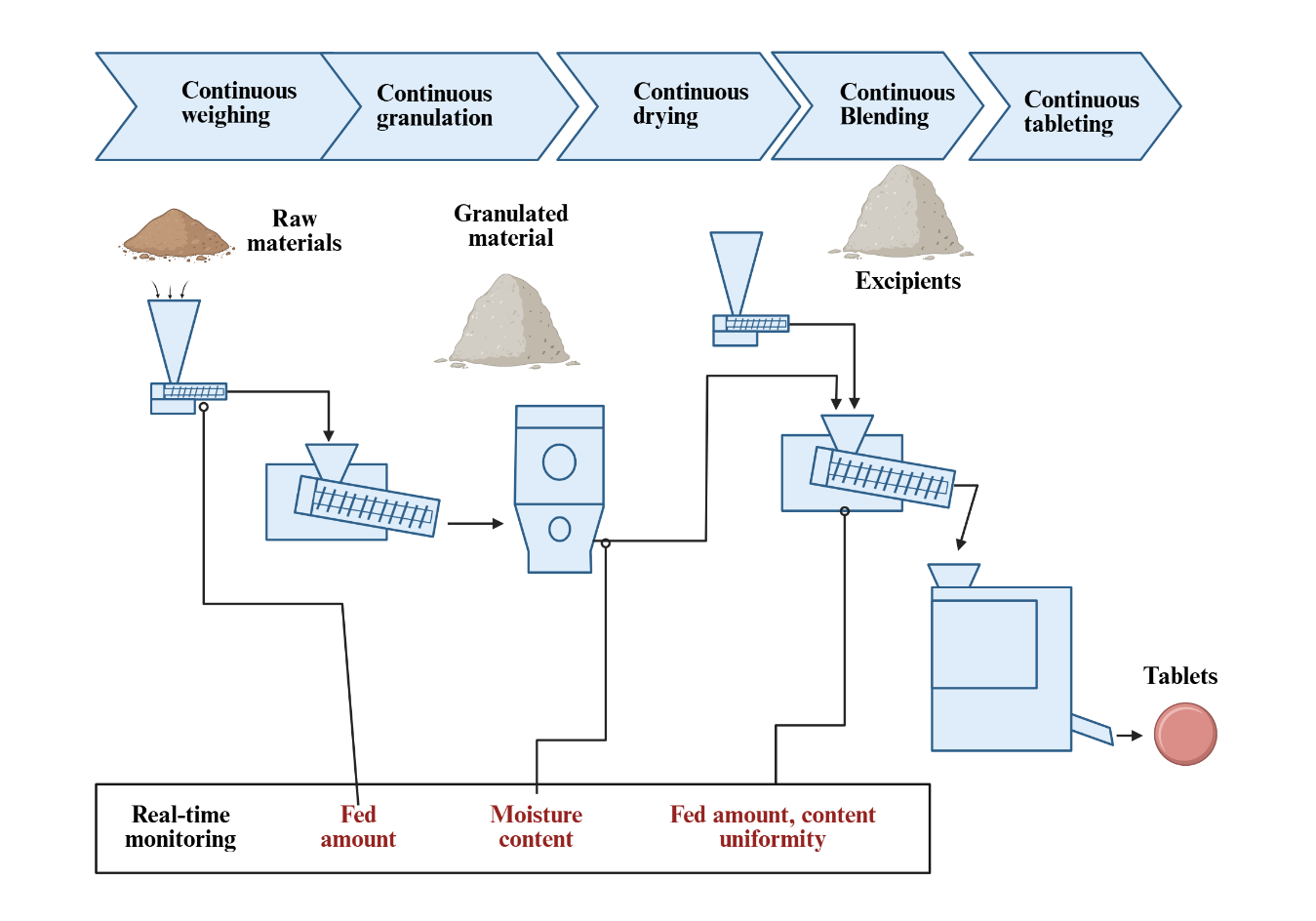
Advanced Manufacturing Processes and 3D Printing Approaches for Enhancing Solubility and Bioavailability of Poorly Water-Soluble Drugs
Open Access | Research Article | 30 December 2025
Sustainable Hydrothermal Route for ZnO Nanoparticles using Berseem extract: A Structure–Property Correlation Study
ICCK Transactions on Advanced Functional Materials and Processing | Volume 1, Issue 2: 68-77, 2025 | DOI: 10.62762/TAFMP.2025.399354
Abstract
This article explores the successful green synthesis of zinc oxide (ZnO) nanoparticles with a sustainable approach without using toxic chemicals or external stabilizers. The synthesized ZnO nanoparticles were characterized, and the investigation bridged the gap among physical, morphological, and optical properties. X-ray diffraction (XRD) analysis indicated the successful formation of a hexagonal wurtzite ZnO structure with an average crystallite size of 39.89 nm, representing high crystallinity and phase purity. The band gap energy was approximately 3.79 eV. UV-Visible results represented a strong optical absorption peak at 327 nm, proving the optical quality of the particles and exhibiting... More >

Graphical Abstract
Sustainable Hydrothermal Route for ZnO Nanoparticles using Berseem extract: A Structure–Property Correlation Study
Open Access | Research Article | 30 December 2025
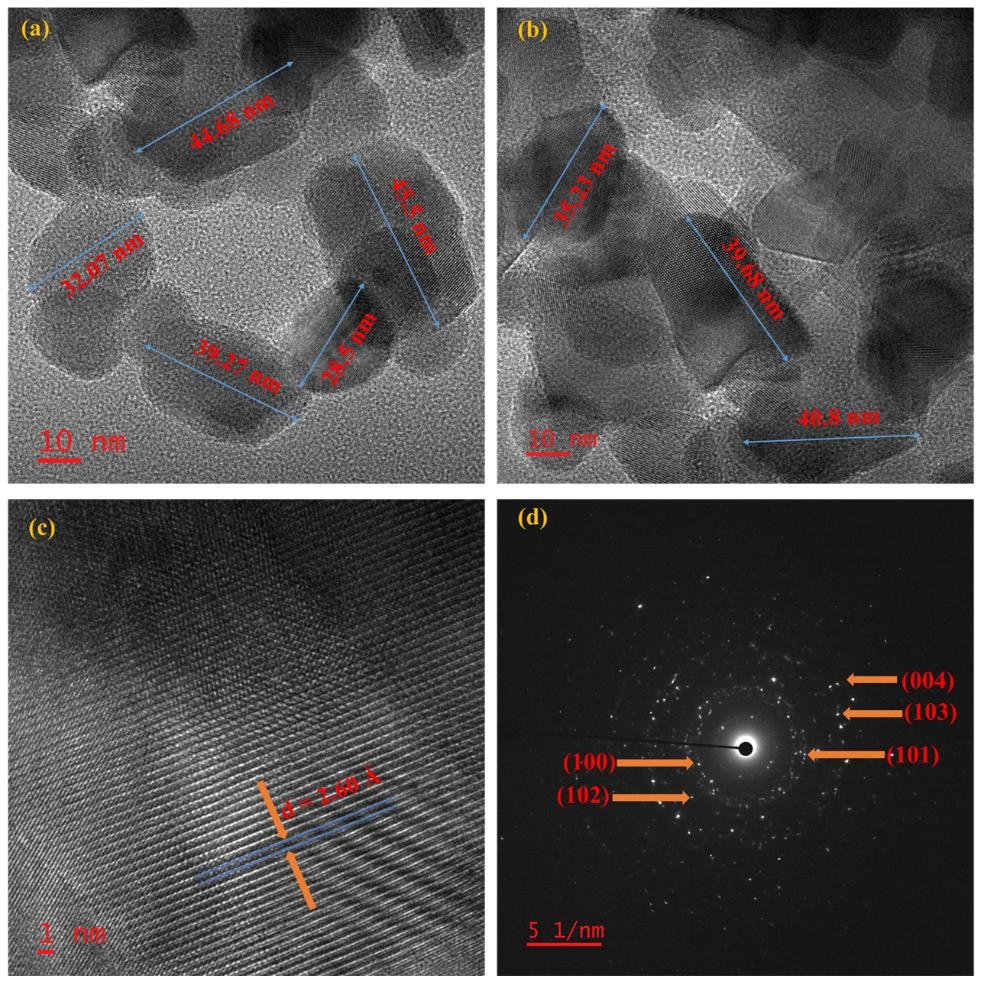
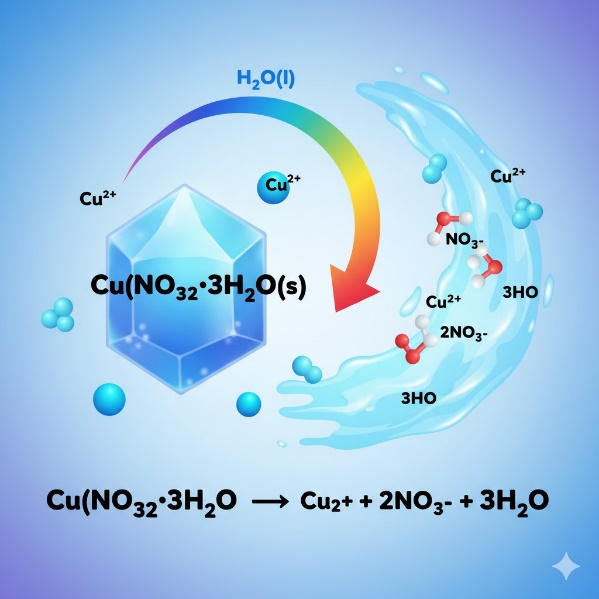
Neem-assisted Green Synthesis and Multi-technique Characterization of CuO Nanoparticles for Sustainable Applications
ICCK Transactions on Advanced Functional Materials and Processing | Volume 1, Issue 2: 58-67, 2025 | DOI: 10.62762/TAFMP.2025.440766
Abstract
In the present work, copper oxide (CuO) nanoparticles have been synthesized by a greener and more sustainable approach from neem (Azadirachta indica) leaf extract, which acts as a natural reducing and stabilizing agent. The phase composition, structural, and morphological features of the nanomaterial were thoroughly characterized by XRD, FTIR, UV-Vis spectroscopy, FESEM, TEM, and EDS. X-ray diffraction confirmed the monoclinic formation of CuO with an average crystallite size of 16.68 nm, while FTIR spectra showed Cu-O lattice vibrations and relevant functionalities of phytochemical capping. Optical studies exhibited a unique absorption peak at 350 nm and direct band gap of 2.7 eV that indic... More >

Graphical Abstract
Neem-assisted Green Synthesis and Multi-technique Characterization of CuO Nanoparticles for Sustainable Applications
Open Access | Research Article | 09 September 2025
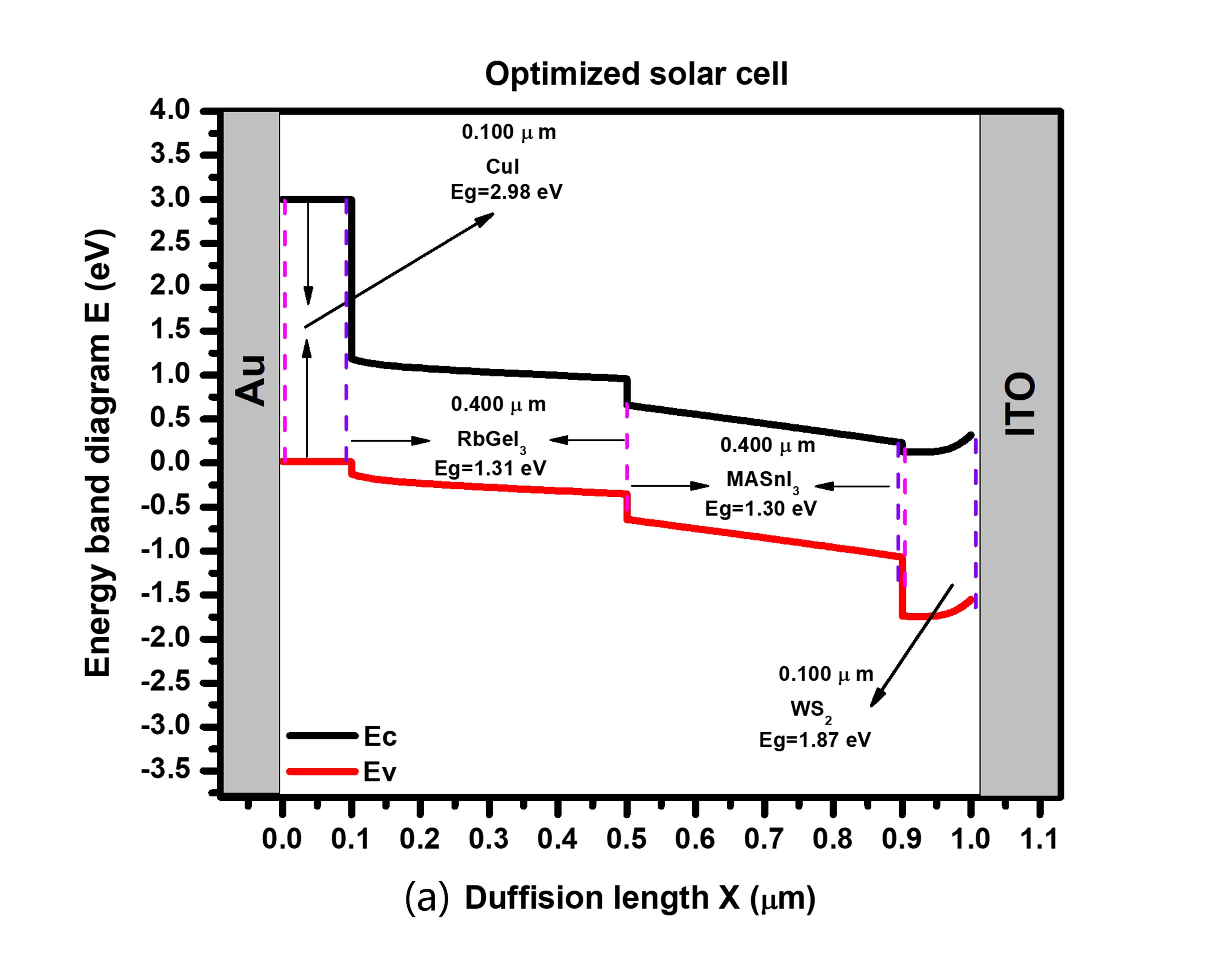
Computational Study to Explore the Role of WS2-ETL and CuI-HTL in the Optimized Performance of Perovskite Solar Cell
ICCK Transactions on Advanced Functional Materials and Processing | Volume 1, Issue 2: 47-57, 2025 | DOI: 10.62762/TAFMP.2025.859391
Abstract
This study aims to computationally investigate the role of WS2 as an electron transport layer (ETL) and CuI as a hole transport layer (HTL) in optimizing the performance of perovskite solar cells (PSCs). The novelty lies in systematic optimization of band gaps, layer thicknesses, and temperatures to achieve enhanced performance metrics, utilizing the unique properties of WS2 and CuI, which are less explored compared to conventional materials like TiO_2 and Spiro-OMeTAD. The optimized PSC configuration achieves a power conversion efficiency (PCE) of 20.71% with a fill factor (FF) of 71.80%, an open-circuit voltage (Voc) of 0.8469 V, and short-circuit current density (Jsc) of 34.06894 mA/cm^2... More >

Graphical Abstract
Computational Study to Explore the Role of WS2-ETL and CuI-HTL in the Optimized Performance of Perovskite Solar Cell
Open Access | Review Article | 17 August 2025
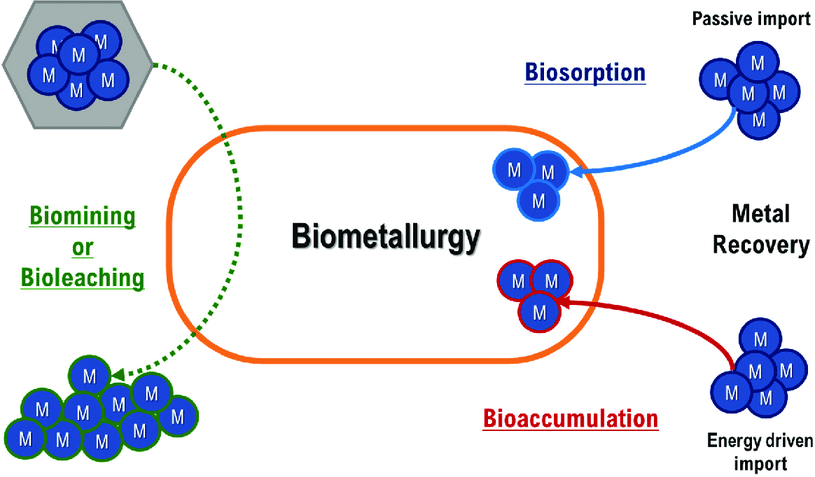
Recycling of Materials from Computer Waste
ICCK Transactions on Advanced Functional Materials and Processing | Volume 1, Issue 2: 32-46, 2025 | DOI: 10.62762/TAFMP.2025.802278
Abstract
As new and innovative products with more functions, effectiveness and efficiency are introduced to the market continuously, the lifespan of existing products and equipment are becoming shorter and shorter before they are discarded. Therefore, significant amounts of electronic waste (e-waste) are mainly disposed of in the landfill. This study investigates the recycling of e-waste and recovering precious metals from computer components based on the information available in the literature. The manual dismantling, pre-processing and smelting techniques are discussed and elaborated. Among these techniques smelting/end-processes are employed to collect metals using several methods such as hydromet... More >

Graphical Abstract
Recycling of Materials from Computer Waste