

ISSN: 3068-6652
Indexing: Google Scholar, Dimensions, Lens, ResearchGate, OpenAlex, WorldCat
The ICCK Transactions on Emerging Topics in Artificial Intelligence (TETAI) is a peer-reviewed international journal publishing papers on emerging theories and methodologies of Artificial Intelligence.
DOI Prefix: 10.62762/TETAI

Journal Metrics

-
Impact Factor
-
CiteScore

Recent Articles

Open Access | Research Article | 02 January 2026 | Cited: Crossref logo  1 , Scopus 1
Enhancing Social Media Bot Detection with Cross-Feature Gating and Residual Learning
ICCK Transactions on Emerging Topics in Artificial Intelligence | Volume 3, Issue 1: 20-32, 2026 | DOI: 10.62762/TETAI.2025.791029
Abstract
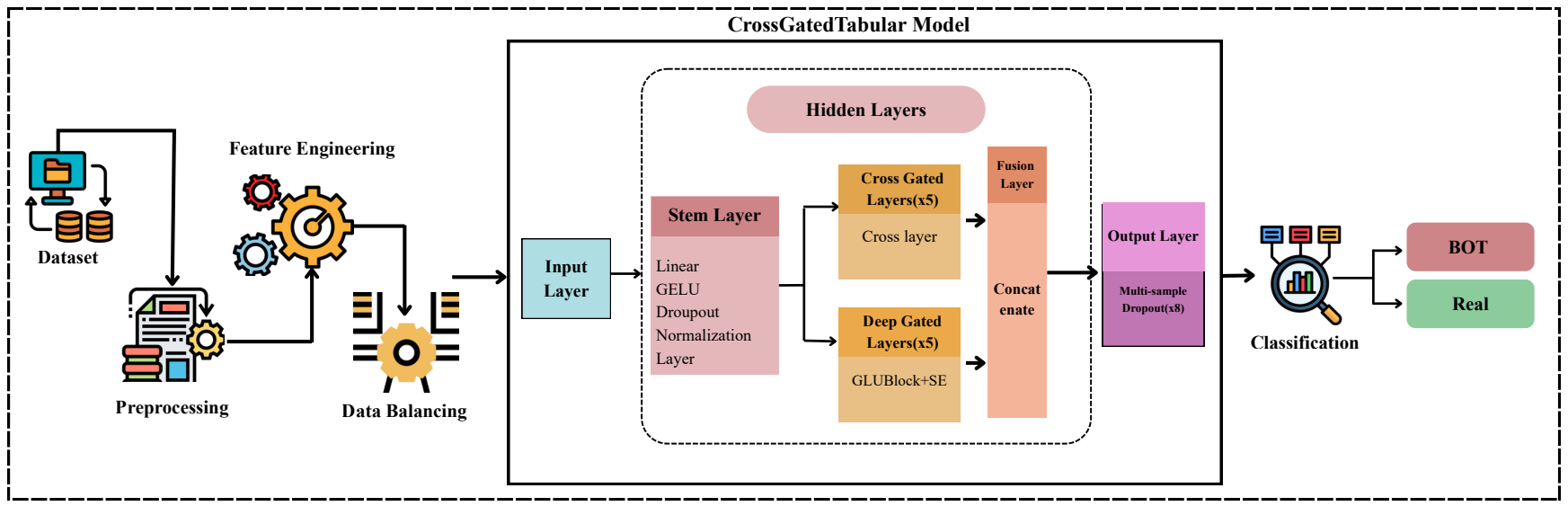
The growing presence of malicious bot accounts on social media poses a threat to the authenticity of online communities, as they amplify misinformation, spread spam, and manipulate engagement. Reliable detection of these accounts is therefore essential to protect the integrity of platforms such as Instagram. This study introduces a deep learning–based detection framework built on the CrossGatedTabular (CGT) architecture, designed to learn complex patterns in user activity. To strengthen evaluation, two publicly available datasets of Instagram accounts were merged into a comprehensive benchmark representing diverse user behaviors. Natural language processing (NLP) was applied to refine text... More >

Graphical Abstract

Enhancing Social Media Bot Detection with Cross-Feature Gating and Residual Learning
Open Access | Research Article | 25 November 2025 | Cited: Crossref logo  1 , Scopus 1
Fast and Robust Copy-Move Forgery Detection Using BRIEF, FAST, and SIFT Feature Matching
ICCK Transactions on Emerging Topics in Artificial Intelligence | Volume 3, Issue 1: 9-19, 2026 | DOI: 10.62762/TETAI.2025.152706
Abstract
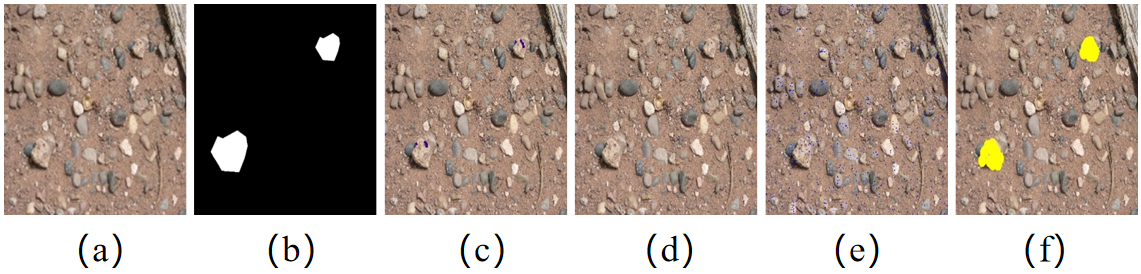
This paper presents a novel hybrid copy–move forgery detection method that combines the efficiency of FAST-BRIEF (for rapid keypoint detection and binary descriptors) with the robustness of SIFT (for scale- and rotation-invariant feature matching). The proposed framework employs g2NN matching for accurate feature correspondence, followed by morphological processing and LSC-SSIM superpixel segmentation for precise localization of tampered regions. The method is evaluated on 30 diverse test images from benchmark datasets comprising over 700 images, achieving a 95% F-measure with an average CPU time of 6.02 seconds. It demonstrates strong resilience to geometric transformations (rotation, sca... More >

Graphical Abstract
Fast and Robust Copy-Move Forgery Detection Using BRIEF, FAST, and SIFT Feature Matching
Open Access | Research Article | 12 November 2025 | Cited: Crossref logo  1 , Scopus 1
Hybrid Large Language Model and Rule-Based Framework for Automated PHI De-Identification in Clinical Notes
ICCK Transactions on Emerging Topics in Artificial Intelligence | Volume 3, Issue 1: 1-8, 2026 | DOI: 10.62762/TETAI.2025.518010
Abstract
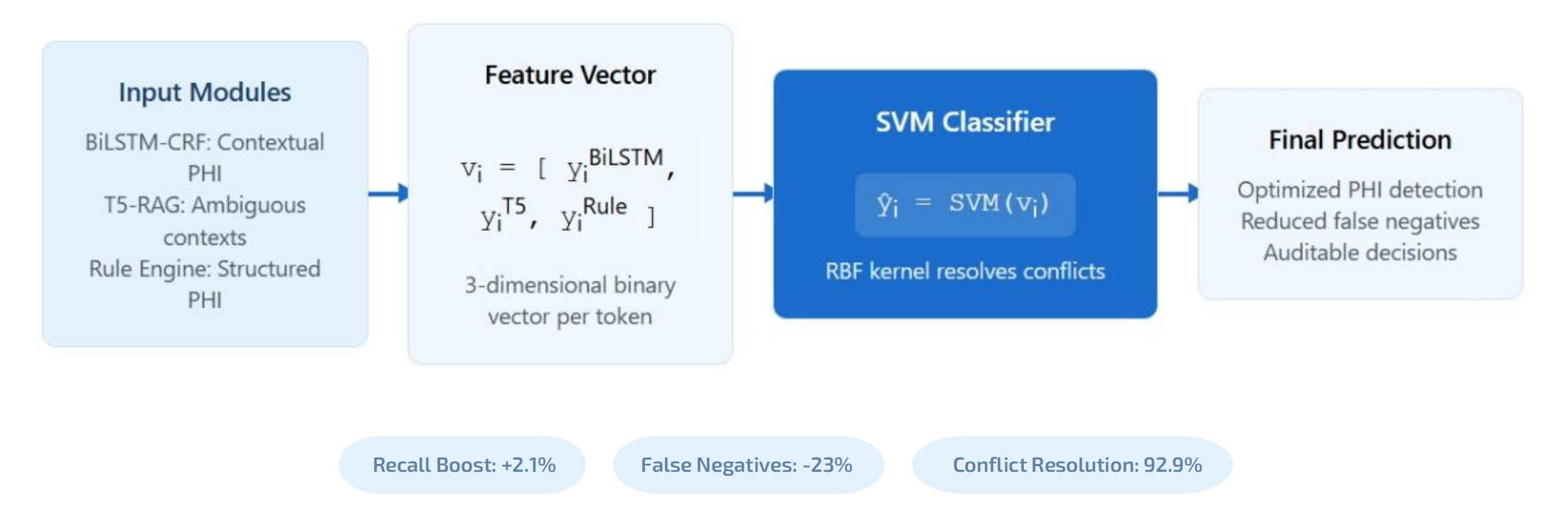
The growing demand for secondary use of electronic health records (EHRs) in clinical research has amplified the importance of effective de-identification of protected health information (PHI) to comply with privacy regulations such as HIPAA. Manual annotation remains error-prone, time-consuming, and inconsistent across healthcare institutions, while existing automated systems often face trade-offs between accuracy, interpretability, and computational cost. This study proposes a novel hybrid de-identification framework that integrates neural, statistical, and rule-based approaches to achieve high recall, operational efficiency, and deployment feasibility in real-world healthcare settings. More >

Graphical Abstract

Hybrid Large Language Model and Rule-Based Framework for Automated PHI De-Identification in Clinical Notes
Open Access | Research Article | 02 November 2025 | Cited: Crossref logo  1 , Scopus 1
Artificial Flirtation and Synthetic Affection: What Does Generation X Feel When a Conversational AI Flirts with Them?
ICCK Transactions on Emerging Topics in Artificial Intelligence | Volume 2, Issue 4: 220-228, 2025 | DOI: 10.62762/TETAI.2025.851867
Abstract
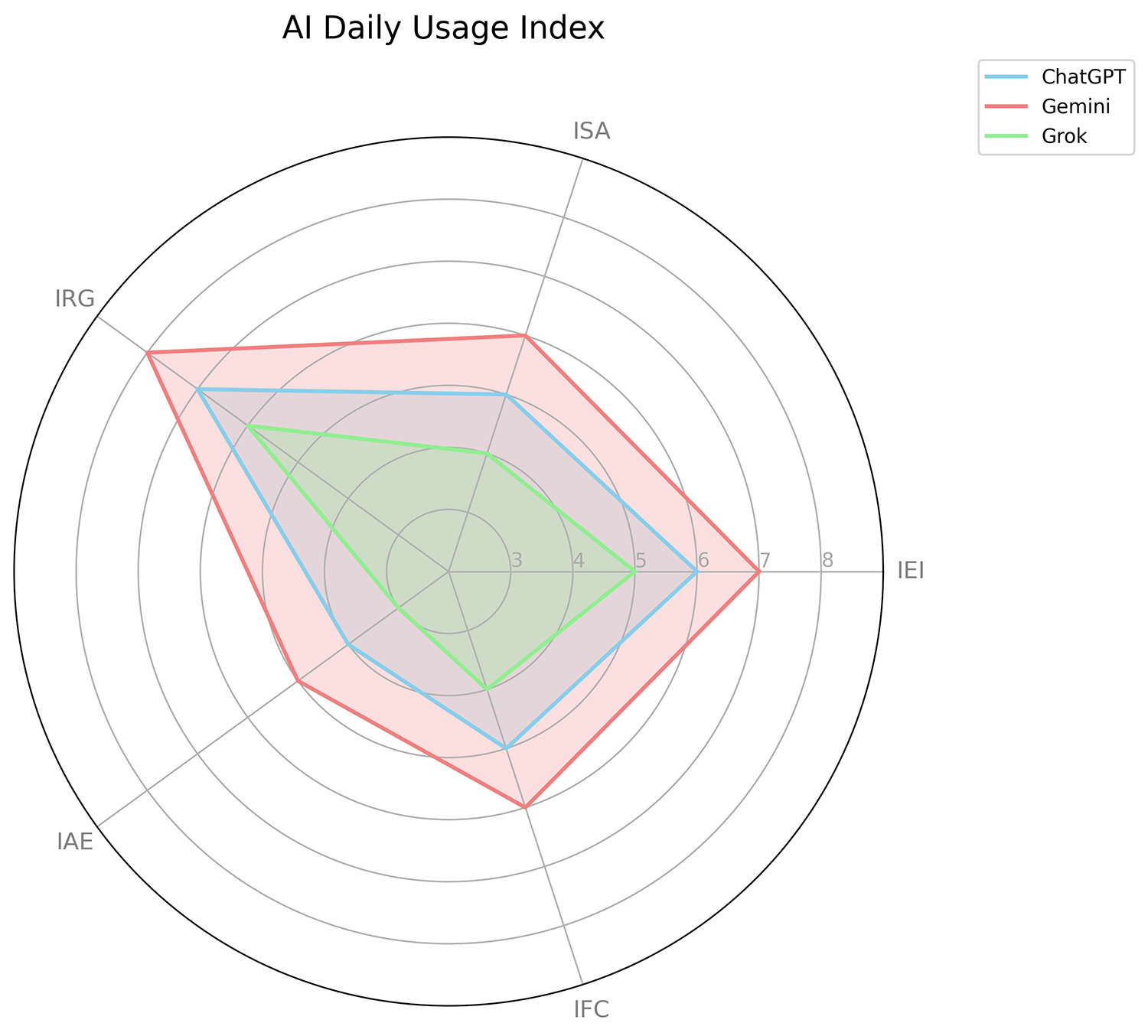
This innovative study analyzes the emotional reaction of 27 individuals from Generation X to flirtatious behaviors exhibited by conversational artificial intelligence. Using a quantitative methodology based on Sentiment Analysis, testimonies and experiences with three models—ChatGPT, Grok, and Gemini—were collected, focusing on phrases or linguistic gestures that could be considered seductive, empathetic, or emotionally warm. The results show that, although there is a clear awareness that no person is behind the AI, several responses generated feelings of companionship, affective validation, and even mild attachment, especially in moments of emotional vulnerability—very difficult to ex... More >

Graphical Abstract
Artificial Flirtation and Synthetic Affection: What Does Generation X Feel When a Conversational AI Flirts with Them?
Open Access | Research Article | 26 October 2025 | Cited: Crossref logo  2 , Scopus 1
AST-GNNFormer: Adaptive Spatio-Temporal Graph Neural Network with Layer-Aware Preservation for Traffic Flow Prediction
ICCK Transactions on Emerging Topics in Artificial Intelligence | Volume 2, Issue 4: 203-219, 2025 | DOI: 10.62762/TETAI.2025.387543
Abstract
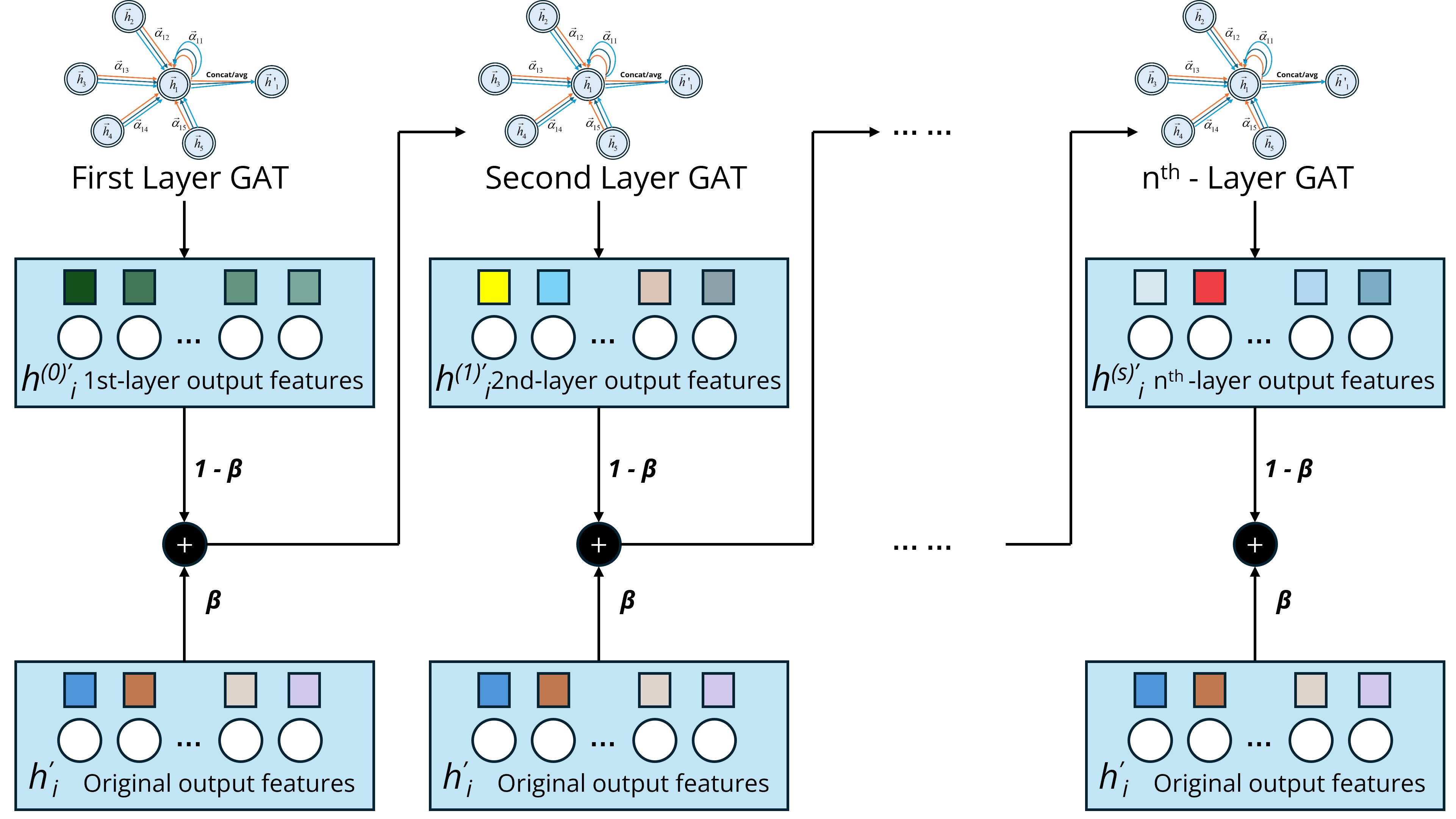
Accurate traffic flow prediction plays a critical role in intelligent transportation systems, providing essential support for urban planning, traffic control, and congestion mitigation. To address the challenges of spatial heterogeneity and temporal dynamics inherent in traffic data, this paper proposes AST-GNNFormer, an adaptive spatio-temporal graph neural network that integrates graph attention mechanisms with temporal convolution. The model introduces three key components to enhance predictive accuracy and generalization: (1) a Layer-aware Information Preservation mechanism that mitigates over-smoothing in deep GNNs by retaining original node features across layers; (2) an Inter-Layer At... More >

Graphical Abstract

AST-GNNFormer: Adaptive Spatio-Temporal Graph Neural Network with Layer-Aware Preservation for Traffic Flow Prediction
Open Access | Review Article | 23 October 2025 | Cited: Crossref logo  2 , Scopus 2
Efficient Object Detection in Images Using YOLO Algorithm: A Performance Evaluation
ICCK Transactions on Emerging Topics in Artificial Intelligence | Volume 2, Issue 4: 192-202, 2025 | DOI: 10.62762/TETAI.2025.654854
Abstract
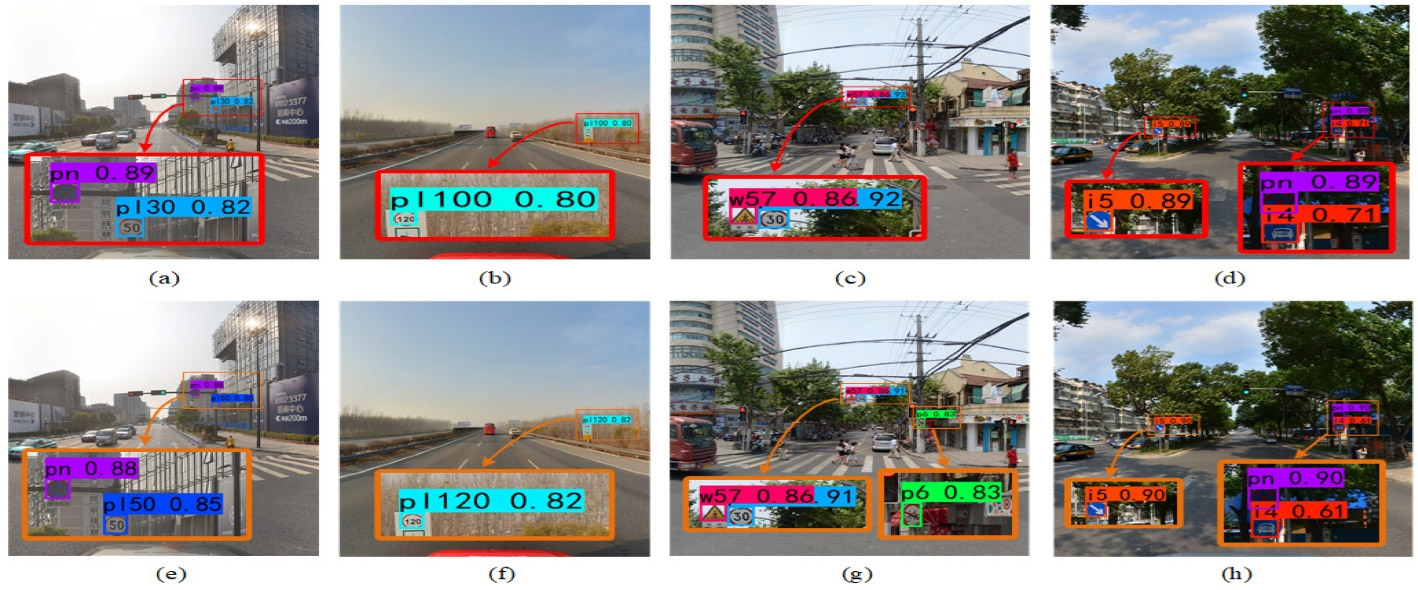
Object detection is a fundamental problem in computer vision, with applications spanning self-driving cars, surveillance systems, medical imaging, robotics, and smart cities. Among the myriad of algorithms developed for this task, the You Only Look Once (YOLO) family stands out for its ability to perform real-time and accurate object detection. This article provides a comprehensive analysis of the YOLO algorithm series, from YOLOv1 to YOLOv8, evaluating them across key performance metrics, including precision, recall, mean Average Precision (mAP), frames per second (FPS), and overall effectiveness. Unlike traditional two-stage detectors such as R-CNN, YOLO formulates object detection as a si... More >

Graphical Abstract
Efficient Object Detection in Images Using YOLO Algorithm: A Performance Evaluation
Open Access | Research Article | 15 September 2025 | Cited: Crossref logo  2 , Scopus 2
Performance Evaluation of ETo Prediction Methods: Dispersion Analysis and Accuracy Criteria Across Time Intervals
ICCK Transactions on Emerging Topics in Artificial Intelligence | Volume 2, Issue 4: 182-191, 2025 | DOI: 10.62762/TETAI.2025.125348
Abstract
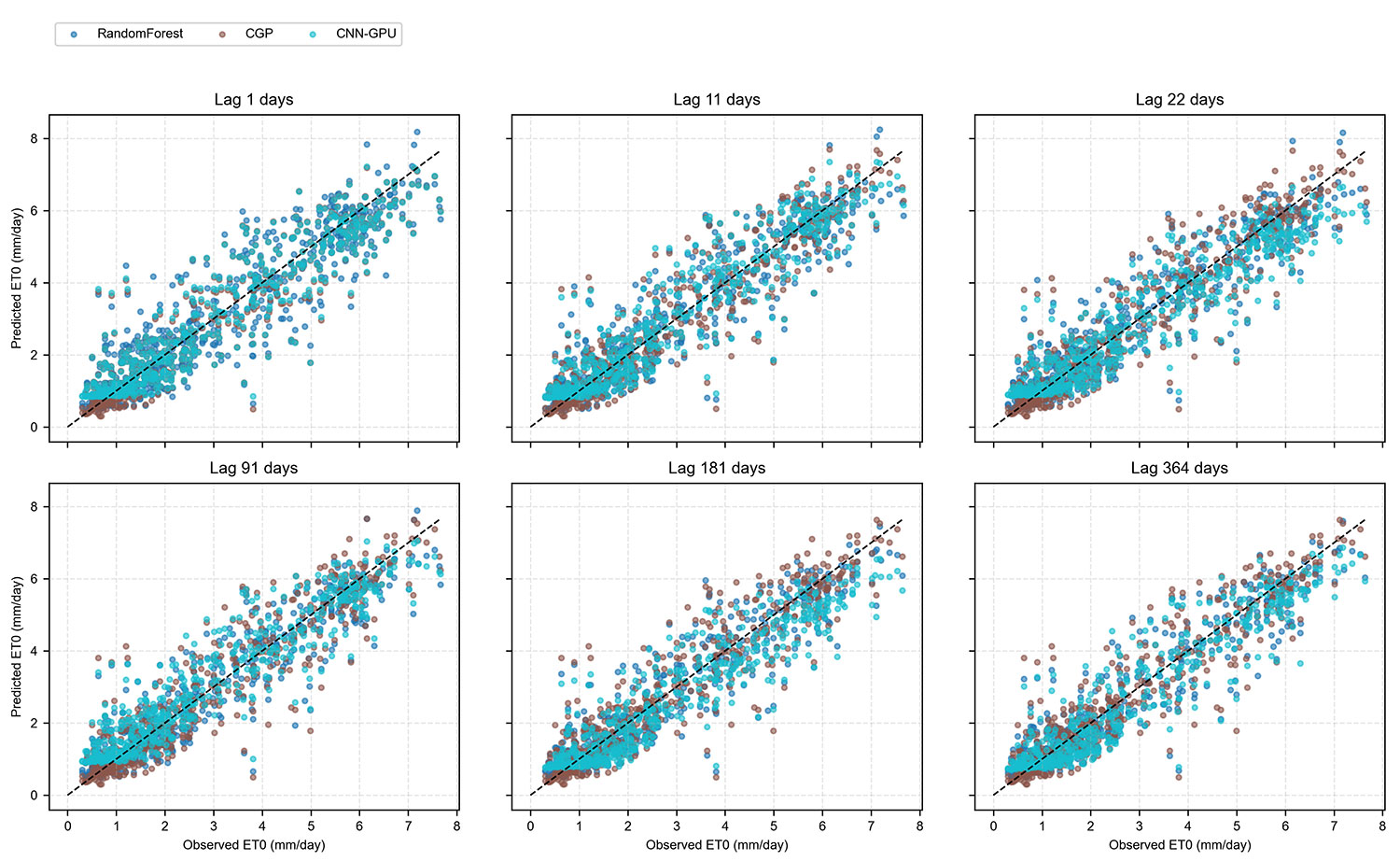
Accurate forecasting of reference evapotranspiration (ET$_o$) is essential for sustainable water resource management and precision agriculture, yet systematic comparisons across extended forecasting horizons remain limited. This study evaluates three ET$_o$ prediction methods---Random Forest (RF), Cartesian Genetic Programming (CGP), and Convolutional Neural Network accelerated by Graphics Processing Unit (CNN-GPU)---across six time intervals ranging from 1 to 364 days, using data from two semi-arid stations in northwestern Iran. Model performance was assessed via dispersion analysis (scatter and violin plots) and four accuracy metrics (RMSE, MAE, R$^2$, SI). Results indicate that RF and CNN... More >

Graphical Abstract

Performance Evaluation of ETo Prediction Methods: Dispersion Analysis and Accuracy Criteria Across Time Intervals
Open Access | Review Article | 14 September 2025 | Cited: Crossref logo  8 , Scopus 2
Reinforcement Learning for Prompt Optimization in Language Models: A Comprehensive Survey of Methods, Representations, and Evaluation Challenges
ICCK Transactions on Emerging Topics in Artificial Intelligence | Volume 2, Issue 4: 173-181, 2025 | DOI: 10.62762/TETAI.2025.790504
Abstract
The growing prominence of prompt engineering as a means of controlling large language models has given rise to a diverse set of methods, ranging from handcrafted templates to embedding-level tuning. Yet, as prompts increasingly serve not merely as input scaffolds but as adaptive interfaces between users and models, the question of how to systematically optimize them remains unresolved. Reinforcement learning, with its capacity for sequential decision-making and reward-driven adaptation, has been proposed as a possible framework for discovering effective prompting strategies. This survey explores the emerging intersection of RL and prompt engineering, organizing existing research along three... More >

Graphical Abstract
Reinforcement Learning for Prompt Optimization in Language Models: A Comprehensive Survey of Methods, Representations, and Evaluation Challenges

Journal Statistics

98
Authors
20
Countries / Regions
37
Articles
Scopus: 190
Citations
2024
Published Since
206,070
Article Views
38,372
Article Downloads
ICCK Transactions on Emerging Topics in Artificial Intelligence
eISSN: 3068-6652
Crossref
Crossref
Member of Crossref
Visit Crossref →