


ISSN: 3068-6652
Indexing: DOAJ Indexed
The ICCK Transactions on Emerging Topics in Artificial Intelligence (TETAI) is a peer-reviewed international journal publishing papers on emerging theories and methodologies of Artificial Intelligence.
DOI Prefix: 10.62762/TETAI

Journal Metrics

-
Impact Factor
-
CiteScore

Recent Articles

Open Access | Research Article | 12 January 2026
Deep Learning for U.S. Bond Yield Forecasting: An Enhanced LSTM–LagLasso Framework
ICCK Transactions on Emerging Topics in Artificial Intelligence | Volume 3, Issue 2: 61-75, 2026 | DOI: 10.62762/TETAI.2025.197745
Abstract
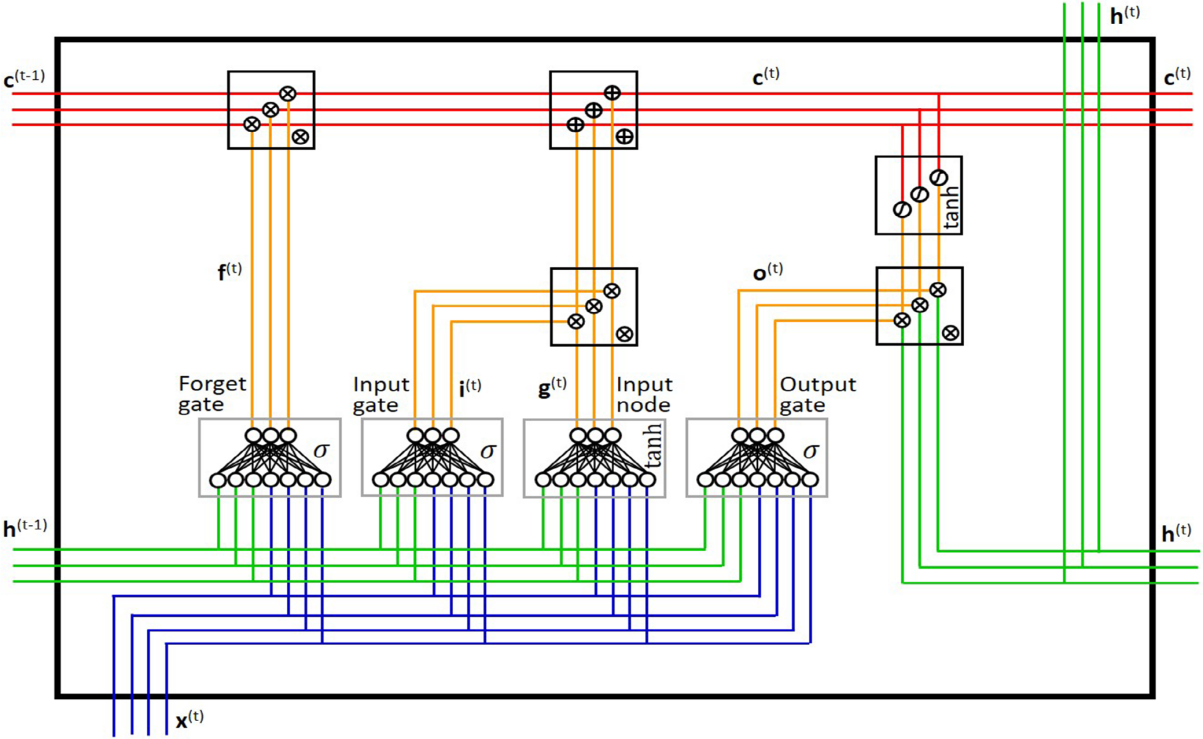
This paper advances a decision-aligned post-processing layer for government bond yield forecasts, turning competent sequence predictions into curve-consistent and economically calibrated outputs with minimal engineering burden. Starting from capacity-fair baselines in the LSTM, GRU and compact transformer families, used only to generate initial point forecasts for five, ten and thirty year maturities at short horizons, we add two model-agnostic stages. A curve consistency projection enforces monotone ordering across maturities and, when warranted, mild convexity while preserving local signal. An asymmetric economic calibration then learns a monotone mapping that down-weights the costlier sid... More >

Graphical Abstract
Deep Learning for U.S. Bond Yield Forecasting: An Enhanced LSTM–LagLasso Framework
Open Access | Research Article | 09 January 2026
Multi-Modal Fusion for Yield Optimization: Integrating Wafer Maps, Metrology, and Process Logs with Graph Models
ICCK Transactions on Emerging Topics in Artificial Intelligence | Volume 3, Issue 1: 45-60, 2026 | DOI: 10.62762/TETAI.2025.259226
Abstract
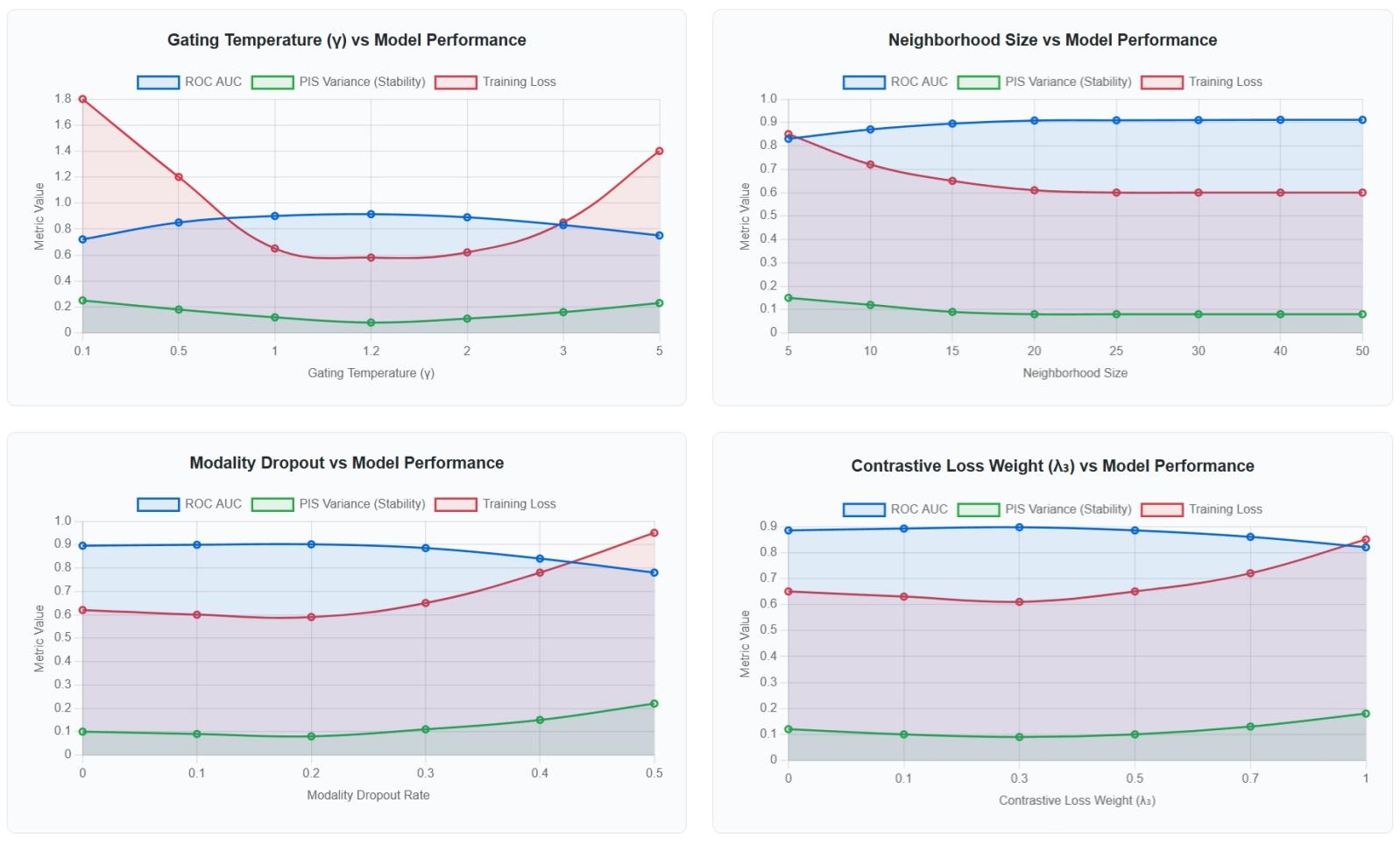
Yield optimization in advanced manufacturing rarely proceeds as a tidy pipeline; it arises from the gradual convergence of evidence across spatial wafer patterns, multivariate metrology, and asynchronous process and equipment events that interact in ways that are only partially observable. Prior studies often separate these modalities, assigning convolutional encoders to wafer maps, sequence models to metrology, and template based encoders to logs, an arrangement that can perform well locally yet struggles to sustain cross-modal alignment or to reason over the hierarchy that links defects to steps and equipment. Building on these observations, we introduce a manufacturing semantics oriented... More >

Graphical Abstract
Multi-Modal Fusion for Yield Optimization: Integrating Wafer Maps, Metrology, and Process Logs with Graph Models
Open Access | Research Article | 07 January 2026
A Decision Support System for Reverse Logistics Network Design: Integrating Multi-Factorial Forecasting of Solar Panel End-of-Life Assets
ICCK Transactions on Emerging Topics in Artificial Intelligence | Volume 3, Issue 1: 33-44, 2026 | DOI: 10.62762/TETAI.2025.782328
Abstract
The rapid global deployment of solar photovoltaic (PV) technology presents a significant and often overlooked challenge: the effective management of end-of-life (EoL) solar panels. This issue is particularly acute in developing and emerging economies, where established reverse logistics infrastructure is often lacking. A critical limitation in current academic literature is the oversimplified forecasting of EoL waste streams, which fails to account for the dynamic interplay of socio-economic, policy, and environmental variables. To bridge this gap, we propose a novel decision support system (DSS) for the design of a sustainable reverse logistics network. Our system uniquely integrates a hybr... More >

Graphical Abstract
A Decision Support System for Reverse Logistics Network Design: Integrating Multi-Factorial Forecasting of Solar Panel End-of-Life Assets
Open Access | Research Article | 02 January 2026
Enhancing Social Media Bot Detection with Cross-Feature Gating and Residual Learning
ICCK Transactions on Emerging Topics in Artificial Intelligence | Volume 3, Issue 1: 20-32, 2026 | DOI: 10.62762/TETAI.2025.791029
Abstract
The growing presence of malicious bot accounts on social media poses a threat to the authenticity of online communities, as they amplify misinformation, spread spam, and manipulate engagement. Reliable detection of these accounts is therefore essential to protect the integrity of platforms such as Instagram. This study introduces a deep learning–based detection framework built on the CrossGatedTabular (CGT) architecture, designed to learn complex patterns in user activity. To strengthen evaluation, two publicly available datasets of Instagram accounts were merged into a comprehensive benchmark representing diverse user behaviors. Natural language processing (NLP) was applied to refine text... More >

Graphical Abstract
Enhancing Social Media Bot Detection with Cross-Feature Gating and Residual Learning
Open Access | Research Article | 25 November 2025
Fast and Robust Copy-Move Forgery Detection Using BRIEF, FAST, and SIFT Feature Matching
ICCK Transactions on Emerging Topics in Artificial Intelligence | Volume 3, Issue 1: 9-19, 2026 | DOI: 10.62762/TETAI.2025.152706
Abstract
This paper presents a novel hybrid copy–move forgery detection method that combines the efficiency of FAST-BRIEF (for rapid keypoint detection and binary descriptors) with the robustness of SIFT (for scale- and rotation-invariant feature matching). The proposed framework employs g2NN matching for accurate feature correspondence, followed by morphological processing and LSC-SSIM superpixel segmentation for precise localization of tampered regions. The method is evaluated on 30 diverse test images from benchmark datasets comprising over 700 images, achieving a 95% F-measure with an average CPU time of 6.02 seconds. It demonstrates strong resilience to geometric transformations (rotation, sca... More >

Graphical Abstract
Fast and Robust Copy-Move Forgery Detection Using BRIEF, FAST, and SIFT Feature Matching
Open Access | Research Article | 12 November 2025
Hybrid Large Language Model and Rule-Based Framework for Automated PHI De-Identification in Clinical Notes
ICCK Transactions on Emerging Topics in Artificial Intelligence | Volume 3, Issue 1: 1-8, 2026 | DOI: 10.62762/TETAI.2025.518010
Abstract
The growing demand for secondary use of electronic health records (EHRs) in clinical research has amplified the importance of effective de-identification of protected health information (PHI) to comply with privacy regulations such as HIPAA. Manual annotation remains error-prone, time-consuming, and inconsistent across healthcare institutions, while existing automated systems often face trade-offs between accuracy, interpretability, and computational cost. This study proposes a novel hybrid de-identification framework that integrates neural, statistical, and rule-based approaches to achieve high recall, operational efficiency, and deployment feasibility in real-world healthcare settings. More >

Graphical Abstract
Hybrid Large Language Model and Rule-Based Framework for Automated PHI De-Identification in Clinical Notes
Open Access | Research Article | 02 November 2025
Artificial Flirtation and Synthetic Affection: What Does Generation X Feel When a Conversational AI Flirts with Them?
ICCK Transactions on Emerging Topics in Artificial Intelligence | Volume 2, Issue 4: 220-228, 2025 | DOI: 10.62762/TETAI.2025.851867
Abstract
This innovative study analyzes the emotional reaction of 27 individuals from Generation X to flirtatious behaviors exhibited by conversational artificial intelligence. Using a quantitative methodology based on Sentiment Analysis, testimonies and experiences with three models—ChatGPT, Grok, and Gemini—were collected, focusing on phrases or linguistic gestures that could be considered seductive, empathetic, or emotionally warm. The results show that, although there is a clear awareness that no person is behind the AI, several responses generated feelings of companionship, affective validation, and even mild attachment, especially in moments of emotional vulnerability—very difficult to ex... More >

Graphical Abstract
Artificial Flirtation and Synthetic Affection: What Does Generation X Feel When a Conversational AI Flirts with Them?
Open Access | Research Article | 26 October 2025
AST-GNNFormer: Adaptive Spatio-Temporal Graph Neural Network with Layer-Aware Preservation for Traffic Flow Prediction
ICCK Transactions on Emerging Topics in Artificial Intelligence | Volume 2, Issue 4: 203-219, 2025 | DOI: 10.62762/TETAI.2025.387543
Abstract
Accurate traffic flow prediction plays a critical role in intelligent transportation systems, providing essential support for urban planning, traffic control, and congestion mitigation. To address the challenges of spatial heterogeneity and temporal dynamics inherent in traffic data, this paper proposes AST-GNNFormer, an adaptive spatio-temporal graph neural network that integrates graph attention mechanisms with temporal convolution. The model introduces three key components to enhance predictive accuracy and generalization: (1) a Layer-aware Information Preservation mechanism that mitigates over-smoothing in deep GNNs by retaining original node features across layers; (2) an Inter-Layer At... More >

Graphical Abstract
AST-GNNFormer: Adaptive Spatio-Temporal Graph Neural Network with Layer-Aware Preservation for Traffic Flow Prediction
Open Access | Review Article | 23 October 2025
Efficient Object Detection in Images Using YOLO Algorithm: A Performance Evaluation
ICCK Transactions on Emerging Topics in Artificial Intelligence | Volume 2, Issue 4: 192-202, 2025 | DOI: 10.62762/TETAI.2025.654854
Abstract
Object detection is a fundamental problem in computer vision, with applications spanning self-driving cars, surveillance systems, medical imaging, robotics, and smart cities. Among the myriad of algorithms developed for this task, the You Only Look Once (YOLO) family stands out for its ability to perform real-time and accurate object detection. This article provides a comprehensive analysis of the YOLO algorithm series, from YOLOv1 to YOLOv8, evaluating them across key performance metrics, including precision, recall, mean Average Precision (mAP), frames per second (FPS), and overall effectiveness. Unlike traditional two-stage detectors such as R-CNN, YOLO formulates object detection as a si... More >

Graphical Abstract
Efficient Object Detection in Images Using YOLO Algorithm: A Performance Evaluation
Open Access | Research Article | 15 September 2025
Performance Evaluation of ETo Prediction Methods: Dispersion Analysis and Accuracy Criteria Across Time Intervals
ICCK Transactions on Emerging Topics in Artificial Intelligence | Volume 2, Issue 4: 182-191, 2025 | DOI: 10.62762/TETAI.2025.125348
Abstract
Accurate forecasting of reference evapotranspiration (ETo) is crucial for sustainable water resource management and precision agriculture. The present study evaluates three ETo prediction methods: Random Forest (RF), Cartesian Genetic Programming (CGP), and Convolutional Neural Network-Graphics Processing Unit (CNN-GPU) across time intervals of 1 to 364 days. Using dispersion analysis (scatter/violin plots) and accuracy metrics (RMSE, MAE, R^2, SI), it was seen that the RF and CNN-GPU models consistently outperform CGP, particularly at extended horizons. At 364 days, CNN-GPU achieved the highest accuracy (RMSE: 0.678 mm/day, R^2: 0.874), while RF maintained robust performance (RMSE: 0.683 mm... More >

Graphical Abstract
Performance Evaluation of ETo Prediction Methods: Dispersion Analysis and Accuracy Criteria Across Time Intervals
Open Access | Review Article | 14 September 2025
Reinforcement Learning for Prompt Optimization in Language Models: A Comprehensive Survey of Methods, Representations, and Evaluation Challenges
ICCK Transactions on Emerging Topics in Artificial Intelligence | Volume 2, Issue 4: 173-181, 2025 | DOI: 10.62762/TETAI.2025.790504
Abstract
The growing prominence of prompt engineering as a means of controlling large language models has given rise to a diverse set of methods, ranging from handcrafted templates to embedding-level tuning. Yet, as prompts increasingly serve not merely as input scaffolds but as adaptive interfaces between users and models, the question of how to systematically optimize them remains unresolved. Reinforcement learning, with its capacity for sequential decision-making and reward-driven adaptation, has been proposed as a possible framework for discovering effective prompting strategies. This survey explores the emerging intersection of RL and prompt engineering, organizing existing research along three... More >

Graphical Abstract
Reinforcement Learning for Prompt Optimization in Language Models: A Comprehensive Survey of Methods, Representations, and Evaluation Challenges
Open Access | Perspective | 13 September 2025
The Accountability Paradox: How Generative AI Challenges Our Notions of Responsibility
ICCK Transactions on Emerging Topics in Artificial Intelligence | Volume 2, Issue 3: 169-172, 2025 | DOI: 10.62762/TETAI.2025.549572
Abstract
The rapid advancement of generative AI has created a critical gap between technological innovation and responsibility frameworks. This article examines the comprehensive challenges posed by AI systems that can autonomously generate content and make decisions affecting crucial social domains. We analyze the failure of traditional accountability mechanisms in addressing AI's emergent behaviors and ``black box'' characteristics, and propose a multi-dimensional approach to responsibility allocation. The analysis covers five key areas: the primary responsibilities of technology developers throughout the AI lifecycle, the necessary paradigm shifts in legal frameworks including new concepts of algo... More >
Open Access | Research Article | 28 August 2025
Immune-Inspired AI: Adaptive Defense Models for Intelligent Edge Environments
ICCK Transactions on Emerging Topics in Artificial Intelligence | Volume 2, Issue 3: 157-168, 2025 | DOI: 10.62762/TETAI.2025.270695
Abstract
The rapid expansion of edge computing and Internet of Things (IoT) ecosystems has introduced new cybersecurity challenges, particularly in decentralized, resource-constrained environments where traditional security models often fall short. This paper proposes an immune-inspired artificial intelligence framework (I3AI) that draws on core principles of biological immune systems including self-organization, local learning, and immune memory to enable adaptive, privacy-preserving defense mechanisms across distributed edge nodes. The architecture incorporates federated learning to maintain a decentralized threat intelligence network while ensuring data privacy and minimal communication overhead.... More >

Graphical Abstract
Immune-Inspired AI: Adaptive Defense Models for Intelligent Edge Environments
Open Access | Review Article | 27 August 2025
Advances in Artificial Intelligence-Based Depression Diagnosis: A Systematic Review
ICCK Transactions on Emerging Topics in Artificial Intelligence | Volume 2, Issue 3: 148-156, 2025 | DOI: 10.62762/TETAI.2025.416797
Abstract
This study systematically reviews the current status and recent advances in intelligent depression detection, aiming to provide insights for applying artificial intelligence in mental health. Using a systematic review approach, we analyze detection methods based on multiple data types including voice, facial expressions, body signals, and social media texts, while examining how algorithms have evolved from traditional machine learning to deep learning. Results show that AI technology has clear benefits in improving detection accuracy, reducing costs, and enabling early warning systems. Current research still faces important challenges in data collection, technical reliability, clinical use,... More >
Open Access | Research Article | 16 August 2025
A Novel Interpretable Lightweight Ensemble Learning Method for Static and Dynamic Medical and Healthcare Data Classification
ICCK Transactions on Emerging Topics in Artificial Intelligence | Volume 2, Issue 3: 131-147, 2025 | DOI: 10.62762/TETAI.2025.713474
Abstract
In the medical field, efficient and accurate classification of sequential and structured data is crucially important and useful for early diagnosis and treatment. Traditional machine learning models struggle with the complexity and nonlinearity of dynamic datasets, whereas deep learning models, despite their effectiveness, require extensive resources and lack transparency. This paper proposes a novel lightweight ensemble framework integrating a parameterized SoftMax function with a non-parametric Random Forest method through a soft voting mechanism, supported by the Nonlinear AutoRegressive eXogenous (NARX) model and optimized using a forward orthogonal search and selection (FOSS) algorithm... More >

Graphical Abstract
A Novel Interpretable Lightweight Ensemble Learning Method for Static and Dynamic Medical and Healthcare Data Classification
Open Access | Research Article | 27 July 2025
GPT vs. Other Large Language Models for Topic Modeling: A Comprehensive Comparison
ICCK Transactions on Emerging Topics in Artificial Intelligence | Volume 2, Issue 3: 116-130, 2025 | DOI: 10.62762/TETAI.2025.871572
Abstract
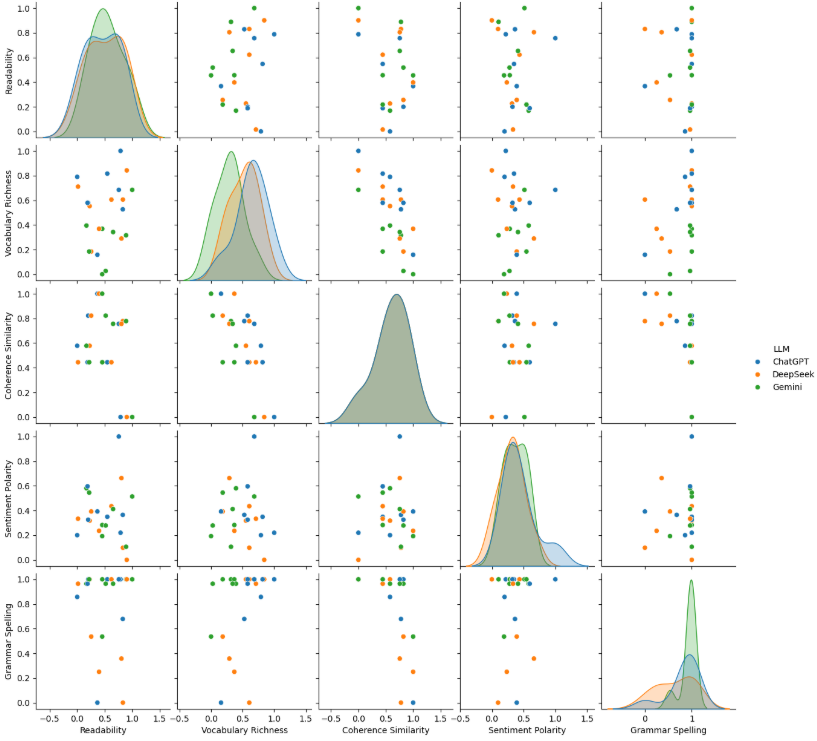
Topic modeling is a widely used unsupervised natural language processing (NLP) technique aimed at discovering latent themes within documents. Since traditional methods fall short in capturing contextual meaning, approaches based on large language models (LLMs)—such as BERTopic—hold the potential to generate more meaningful and diverse topics. However, systematic comparative studies of these models, especially in domains requiring high accuracy and interpretability such as healthcare, remain limited. This study compares ten different LLMs (GPT, Claude, Gemini, LLaMA, Qwen, Phi, Zephyr, DeepSeek, NVIDIA-LLaMA, Gemma) using a dataset of 9,320 medical article abstracts. Each model was tasked... More >

Graphical Abstract
GPT vs. Other Large Language Models for Topic Modeling: A Comprehensive Comparison
Open Access | Review Article | 27 June 2025 | Cited: 1 , Scopus 1
Federated Learning for Artificial Intelligence in Embedded Systems
ICCK Transactions on Emerging Topics in Artificial Intelligence | Volume 2, Issue 2: 91-115, 2025 | DOI: 10.62762/TETAI.2025.440076
Abstract
Federated Learning (FL) which eliminates the centralized data storage requirement by facilitating model training on diverse edge devices is now a promising paradigm for decentralized machine learning (ML). Applications involving privacy-preserving Artificial Intelligence (AI), including wearable technology, IoT networks, and smart healthcare appliances, can particularly benefit from this solution in embedded systems. By using on-device local data from devices such as sensors, embedded controllers, and smartphones, FL keeps confidential information local, minimizing the data transfer cost and privacy risks. Potentiality, challenges, and key applications of FL integration with embedded systems... More >

Graphical Abstract
Federated Learning for Artificial Intelligence in Embedded Systems
Open Access | Retraction | 23 June 2025
Retraction Notice to "Graph-Driven Multimodal Feature Learning Framework for Apparent Personality Assessment"
ICCK Transactions on Emerging Topics in Artificial Intelligence | Volume 2, Issue 2: 90-90, 2025 | DOI: 10.62762/TETAI.2025.060724
Abstract
This article [1] has been retracted by ICCK following an investigation conducted by the publisher. After publication, it was brought to the journal’s attention that some of the listed authors were unaware of the submission and had not provided their consent to be included as co-authors. In accordance with the COPE guidelines [2], the publisher initiated a formal investigation. It was confirmed that the author Shuyan Liu (School of Information Science and Technology, Yunnan University, Yunnan 650000, China) was unaware of the submission, did not contribute to the research or writing of the manuscript, and did not approve the final version for publication. As a result, the article is b... More >
Open Access | Review Article | 19 June 2025 | Cited: Scopus 1
Cloud-Based AI Solutions for Scalable and Intelligent Enterprise Modernization
ICCK Transactions on Emerging Topics in Artificial Intelligence | Volume 2, Issue 2: 81-89, 2025 | DOI: 10.62762/TETAI.2025.100106
Abstract
The integration of Artificial Intelligence (AI) with cloud computing has emerged as a pivotal strategy for enterprises seeking scalable and intelligent modernization. This paper explores how cloud-based AI solutions are transforming enterprise ecosystems by offering highly scalable, flexible, and cost-effective platforms for deploying intelligent applications. We examine the convergence of AI-as-a-Service (AIaaS), cloud-native architectures, and data-driven decision-making, and how these capabilities collectively drive operational efficiency, customer engagement, and innovation—particularly within sectors such as healthcare, finance, and manufacturing. The study investigates key enablers i... More >

Graphical Abstract
Cloud-Based AI Solutions for Scalable and Intelligent Enterprise Modernization
Open Access | Research Article | 21 May 2025 | Cited: 2 , Scopus 2
Anomaly Detection and Risk Early Warning System for Financial Time Series Based on the WaveLST-Trans Model
ICCK Transactions on Emerging Topics in Artificial Intelligence | Volume 2, Issue 2: 68-80, 2025 | DOI: 10.62762/TETAI.2025.191759
Abstract
Abnormal fluctuations in financial markets may signal significant risks or market manipulation, so efficient time series anomaly detection methods are crucial for risk management. However, traditional statistical methods (e.g., ARIMA, GARCH) are difficult to adapt to the nonlinear and multi-scale characteristics of financial data, while single deep learning models (e.g., LSTM, Transformer) have limitations in capturing long-term trends and short-term fluctuations. In this paper, we propose WaveLST-Trans, a financial time series anomaly detection model based on the combination of wavelet transform (WT), LSTM and Transformer. The model first uses wavelet transform to perform multi-scale decomp... More >

Graphical Abstract
Anomaly Detection and Risk Early Warning System for Financial Time Series Based on the WaveLST-Trans Model
Open Access | Research Article | 15 April 2025
RETRACTED: Graph-Driven Multimodal Feature Learning Framework for Apparent Personality Assessment
ICCK Transactions on Emerging Topics in Artificial Intelligence | Volume 2, Issue 2: 57-67, 2025 | DOI: 10.62762/TETAI.2025.279350
Abstract
Predicting personality traits automatically has emerged as a challenging problem in computer vision. This paper introduces an innovative multimodal feature learning framework for personality analysis in short video clips. For visual processing, we construct a facial graph and design a Geo-based two-stream network incorporating an attention mechanism, leveraging both Graph Convolutional Networks (GCN) and Convolutional Neural Networks (CNN) to capture static facial expressions. Additionally, ResNet18 and VGGFace networks are employed to extract global scene and facial appearance features at the frame level. To capture dynamic temporal information, we integrate a BiGRU with a temporal attentio... More >

Graphical Abstract
RETRACTED: Graph-Driven Multimodal Feature Learning Framework for Apparent Personality Assessment
Open Access | Research Article | 28 March 2025
NLP and AI for Public Health Intelligence: Automating Disease Surveillance from Unstructured Data
ICCK Transactions on Emerging Topics in Artificial Intelligence | Volume 2, Issue 1: 43-56, 2025 | DOI: 10.62762/TETAI.2025.222799
Abstract
Public health surveillance is crucial for early disease detection, outbreak prediction, and epidemic response. However, traditional surveillance systems primarily rely on structured clinical data, limiting their capacity to capture emerging health threats from diverse and unstructured sources. This study explores the integration of Natural Language Processing (NLP) and Artificial Intelligence (AI) to automate disease surveillance by analyzing unstructured data, including electronic health records (EHRs), social media posts, news reports, and online health forums. Leveraging state-of-the-art NLP techniques—such as transformer-based language models, named entity recognition (NER), sentiment... More >

Graphical Abstract
NLP and AI for Public Health Intelligence: Automating Disease Surveillance from Unstructured Data
Open Access | Editorial | 27 March 2025 | Cited: 1 , Scopus 1
Beyond Hallucination: Generative AI as a Catalyst for Human Creativity and Cognitive Evolution
ICCK Transactions on Emerging Topics in Artificial Intelligence | Volume 2, Issue 1: 36-42, 2025 | DOI: 10.62762/TETAI.2025.657559
Abstract
This editorial explores the transformative role of generative artificial intelligence (AI) in augmenting human creativity and catalyzing cognitive evolution. Tracing its historical lineage from symbolic AI to transformer-based architectures, this editorial argues that generative AI is not merely a computational tool but a cognitive partner that reshapes our understanding of creativity, perception, and epistemology. The phenomenon of AI hallucination—often dismissed as error—is reframed as a window into the dynamics of both artificial and human cognition. Through technical and philosophical analysis, the paper discusses generative AI’s impact on fields ranging from art and architecture... More >
Open Access | Research Article | 15 March 2025 | Cited: Scopus 11
Scaling AI with Limited Labeled Data: A Self-Supervised Learning Approach
ICCK Transactions on Emerging Topics in Artificial Intelligence | Volume 2, Issue 1: 26-35, 2025 | DOI: 10.62762/TETAI.2025.607708
Abstract
The scalability of modern AI is fundamentally limited by the availability of labeled data. While supervised learning achieves remarkable performance, it relies on large annotated datasets, which are expensive and time-consuming to acquire. This work explores self-supervised learning (SSL) as a promising solution to this challenge, enabling AI to scale effectively in data-scarce scenarios. This study demonstrates the effectiveness of the proposed SSL framework using the EuroSAT dataset, a benchmark for land cover classification where labeled data is limited and costly. The proposed approach integrates contrastive learning with multi-spectral augmentations, such as spectral jittering and band... More >

Graphical Abstract
Scaling AI with Limited Labeled Data: A Self-Supervised Learning Approach
Open Access | Research Article | 26 February 2025
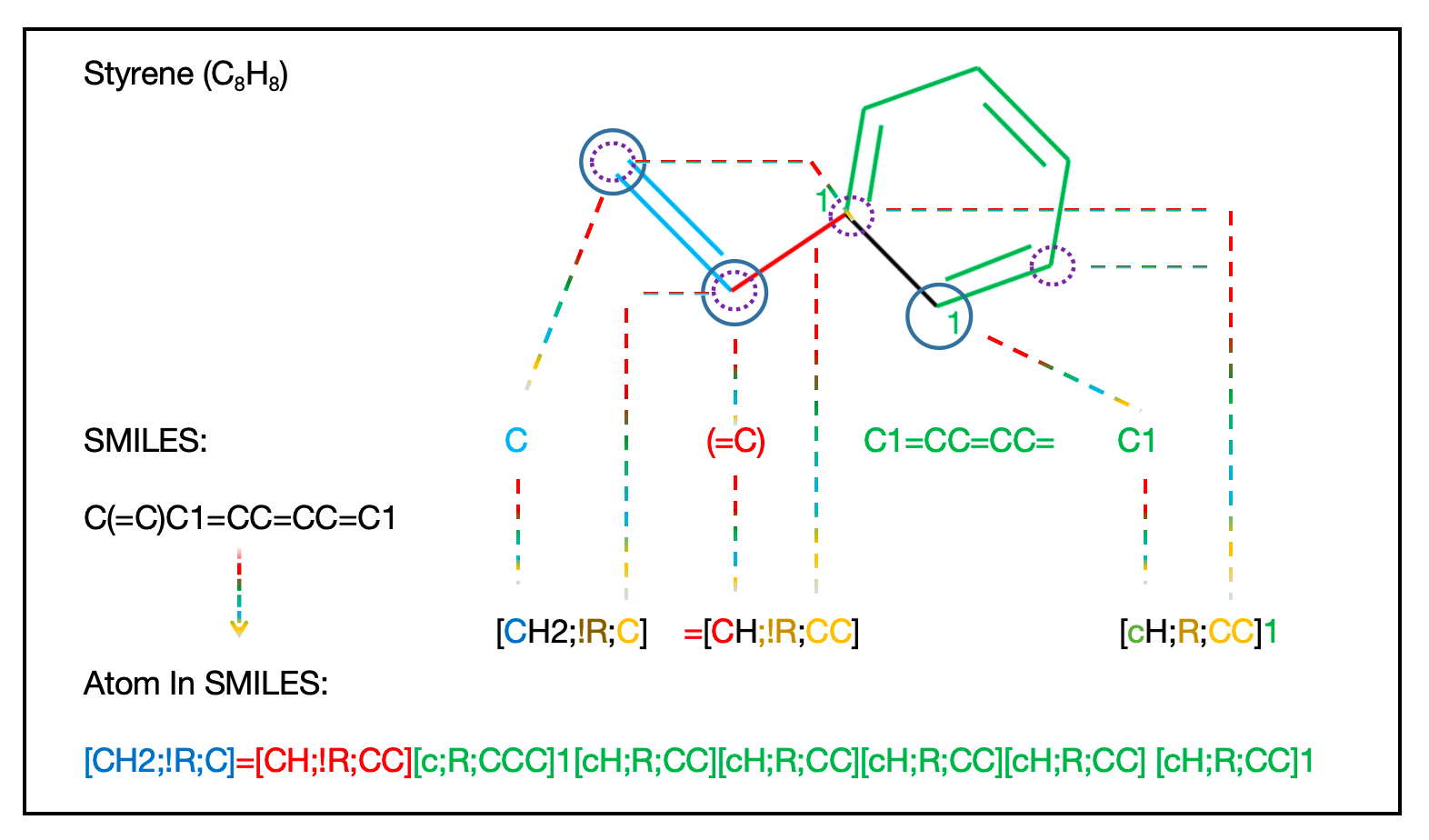
NMRGen: A Generative Modeling Framework for Molecular Structure Prediction from NMR Spectra
ICCK Transactions on Emerging Topics in Artificial Intelligence | Volume 2, Issue 1: 16-25, 2025 | DOI: 10.62762/TETAI.2024.277656
Abstract
Interpreting NMR spectra to accurately predict molecular structures remains a significant challenge in chemistry due to the complexity of spectral data and the need for precise structural elucidation. This study introduces NMRGen, a generative modeling framework that predicts molecular structures from NMR spectra and molecular formulas. The framework combines a SMILES autoencoder (GRU-based encoder-decoder) and an NMR encoder (CNN and DNN layers) to map spectral data to molecular representations. The SMILES autoencoder compresses and reconstructs SMILES strings, while the NMR encoder processes NMR spectra to generate latent vectors aligned with those from the SMILES encoder. Experiments were... More >

Graphical Abstract
NMRGen: A Generative Modeling Framework for Molecular Structure Prediction from NMR Spectra
Open Access | Research Article | 16 February 2025 | Cited: 12 , Scopus 13
Short and Long-Term Renewable Electricity Demand Forecasting Based on CNN-Bi-GRU Model
ICCK Transactions on Emerging Topics in Artificial Intelligence | Volume 2, Issue 1: 1-15, 2025 | DOI: 10.62762/TETAI.2024.532253
Abstract
With the increasing global focus on renewable energy and the growing proportion of renewable power in the energy mix, accurate forecasting of renewable power demand has become crucial. This study addresses this challenge by proposing a multimodal information fusion approach that integrates time series data and textual data to leverage complementary information from heterogeneous sources. We develop a hybrid predictive model combining CNN and Bi-GRU architectures. First, time series data (e.g., historical power generation) and textual data (e.g., policy documents) are preprocessed through normalization and tokenization. Next, CNNs extract spatial features from both data modalities, which are... More >

Graphical Abstract
Short and Long-Term Renewable Electricity Demand Forecasting Based on CNN-Bi-GRU Model
Open Access | Research Article | 20 November 2024 | Cited: 2 , Scopus 2
Automated Early Diabetic Retinopathy Detection Using a Deep Hybrid Model
ICCK Transactions on Emerging Topics in Artificial Intelligence | Volume 1, Issue 1: 71-83, 2024 | DOI: 10.62762/TETAI.2024.305743
Abstract
Recently, the primary reason for blindness in adults has been diabetic retinopathy (DR) disease. Therefore, there is an increasing demand for a real-time efficient classification and detection system for diabetic retinopathy (DR) to overcome fast-growing disease (DR). We introduced a novel deep hybrid model for auto-mated diabetic retinopathy (DR) disease recognition and classification. Our model leverages the power of CNN architectures: Inception V3 and VGG16 models by combining their strengths to cater to exact requirements. VGG16 model efficiently captures fine features and wide-ranging features such as textures and edges, crucial for classifying initial signs of DR. Similarly, Inception... More >

Graphical Abstract
Automated Early Diabetic Retinopathy Detection Using a Deep Hybrid Model
Code (Data) Available | Open Access | Research Article | 09 August 2024 | Cited: 4 , Scopus 6
LI3D-BiLSTM: A Lightweight Inception-3D Networks with BiLSTM for Video Action Recognition
ICCK Transactions on Emerging Topics in Artificial Intelligence | Volume 1, Issue 1: 58-70, 2024 | DOI: 10.62762/TETAI.2024.628205
Abstract
This paper proposes an improved video action recognition method, primarily consisting of three key components. Firstly, in the data preprocessing stage, we developed multi-temporal scale video frame extraction and multi-spatial scale video cropping techniques to enhance content information and standardize input formats. Secondly, we propose a lightweight Inception-3D networks (LI3D) network structure for spatio-temporal feature extraction and design a soft-association feature aggregation module to improve the recognition accuracy of key actions in videos. Lastly, we employ a bidirectional LSTM network to contextualize the feature sequences extracted by LI3D, enhancing the representation capa... More >

Graphical Abstract
LI3D-BiLSTM: A Lightweight Inception-3D Networks with BiLSTM for Video Action Recognition
Open Access | Research Article | 29 May 2024 | Cited: Scopus 2
CT-DETR and ReID-Guided Multi-Target Tracking Algorithm in Complex Scenes
ICCK Transactions on Emerging Topics in Artificial Intelligence | Volume 1, Issue 1: 44-57, 2024 | DOI: 10.62762/TETAI.2024.240529
Abstract
In the era of rapid technological advancement, the demand for sophisticated Multi-Object Tracking (MOT) systems in applications such as intelligent surveillance and autonomous navigation has become increasingly critical. However, existing models often struggle with accuracy and efficiency in densely populated or dynamically complex environments. Addressing these challenges, we introduce a novel deep learning-based MOT model that incorporates the latest CT-DETR detection technology and an advanced ReID module for improved pedestrian tracking. Experimental results demonstrate the model's superior performance in accurately identifying and tracking multiple targets across varied scenarios, signi... More >

Graphical Abstract
CT-DETR and ReID-Guided Multi-Target Tracking Algorithm in Complex Scenes
Open Access | Research Article | 21 May 2024 | Cited: 10 , Scopus 11
Improved Object Detection Algorithm Based on Multi-scale and Variability Convolutional Neural Networks
ICCK Transactions on Emerging Topics in Artificial Intelligence | Volume 1, Issue 1: 31-43, 2024 | DOI: 10.62762/TETAI.2024.115892
Abstract
This paper proposes an improved object detection algorithm based on a dynamically deformable convolutional network (D-DCN), aiming to solve the multi-scale and variability challenges in object detection tasks. First, we review traditional methods in the field of object detection and introduce the current research status of improved methods based on multi-scale and variability convolutional neural networks. Then, we introduce in detail our proposed improved algorithms, including an improved feature pyramid network and a dynamically deformable network. In the improved feature pyramid network, we introduce a multi-scale feature fusion mechanism to better capture target information at different... More >

Graphical Abstract
Improved Object Detection Algorithm Based on Multi-scale and Variability Convolutional Neural Networks

Journal Statistics

88
Authors
18
Countries / Regions
32
Articles
165
Citations
2024
Published Since
0
Special Issues
102,054
Article Views
19,558
Article Downloads
1 2
ICCK Transactions on Emerging Topics in Artificial Intelligence
eISSN: 3068-6652
Crossref
Crossref
Member of Crossref
Visit Crossref →