



ISSN: 3068-6652
Indexing: Scopus Indexed
The ICCK Transactions on Emerging Topics in Artificial Intelligence (TETAI) is a peer-reviewed international journal publishing papers on emerging theories and methodologies of Artificial Intelligence.
DOI Prefix: 10.62762/TETAI

Journal Metrics

-
Impact Factor
Indexed in: Scopus

Recent Articles

Open Access | Research Article | 02 November 2026
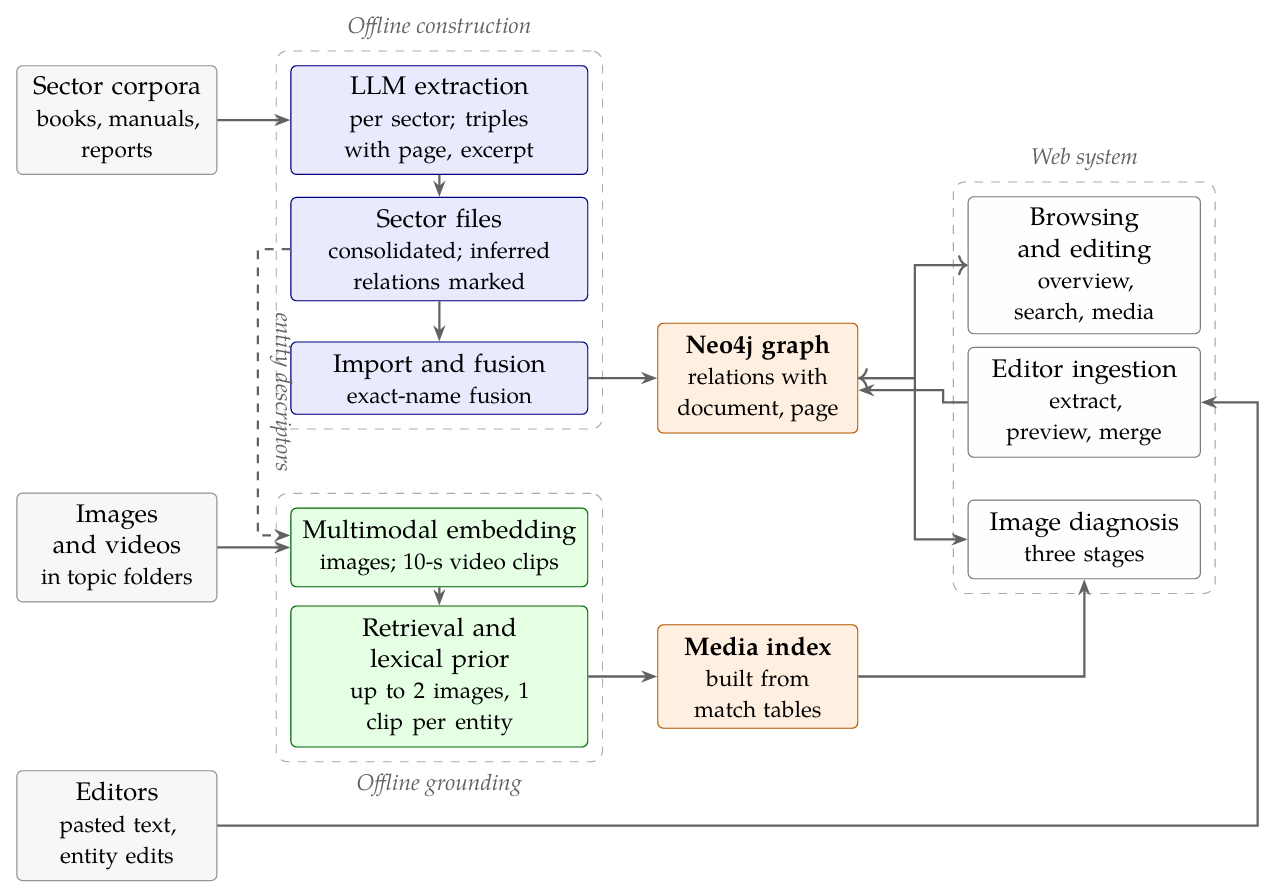
AgriEvoKG: Empirical Failure Modes and Remedies in LLM-Based Cross-Media Agricultural Knowledge Graph Construction
ICCK Transactions on Emerging Topics in Artificial Intelligence | Volume 3, Issue 4: 239-266, 2026 | DOI: 10.62762/TETAI.2026.882738
Abstract
Large language models (LLMs) make it possible to build knowledge graphs from professional literature at scale, but how such graphs fail at that scale is rarely measured. We built \sys{}, a cross-media knowledge graph of swine, aquaculture, tomato, maize and rice production, and analysed its 199,418 entities and 277,053 relations together with the web system that serves it. An LLM extracted typed triples from the professional literature of each sector; 74.9% of the relations carry an evidence record of document, page and excerpt, and a multimodal embedding model links 25,158 entities to images and 14,132 to video clips. We identified five failure modes of construction. First, the sector schem... More >

Graphical Abstract
AgriEvoKG: Empirical Failure Modes and Remedies in LLM-Based Cross-Media Agricultural Knowledge Graph Construction
Open Access | Research Article | 29 October 2026
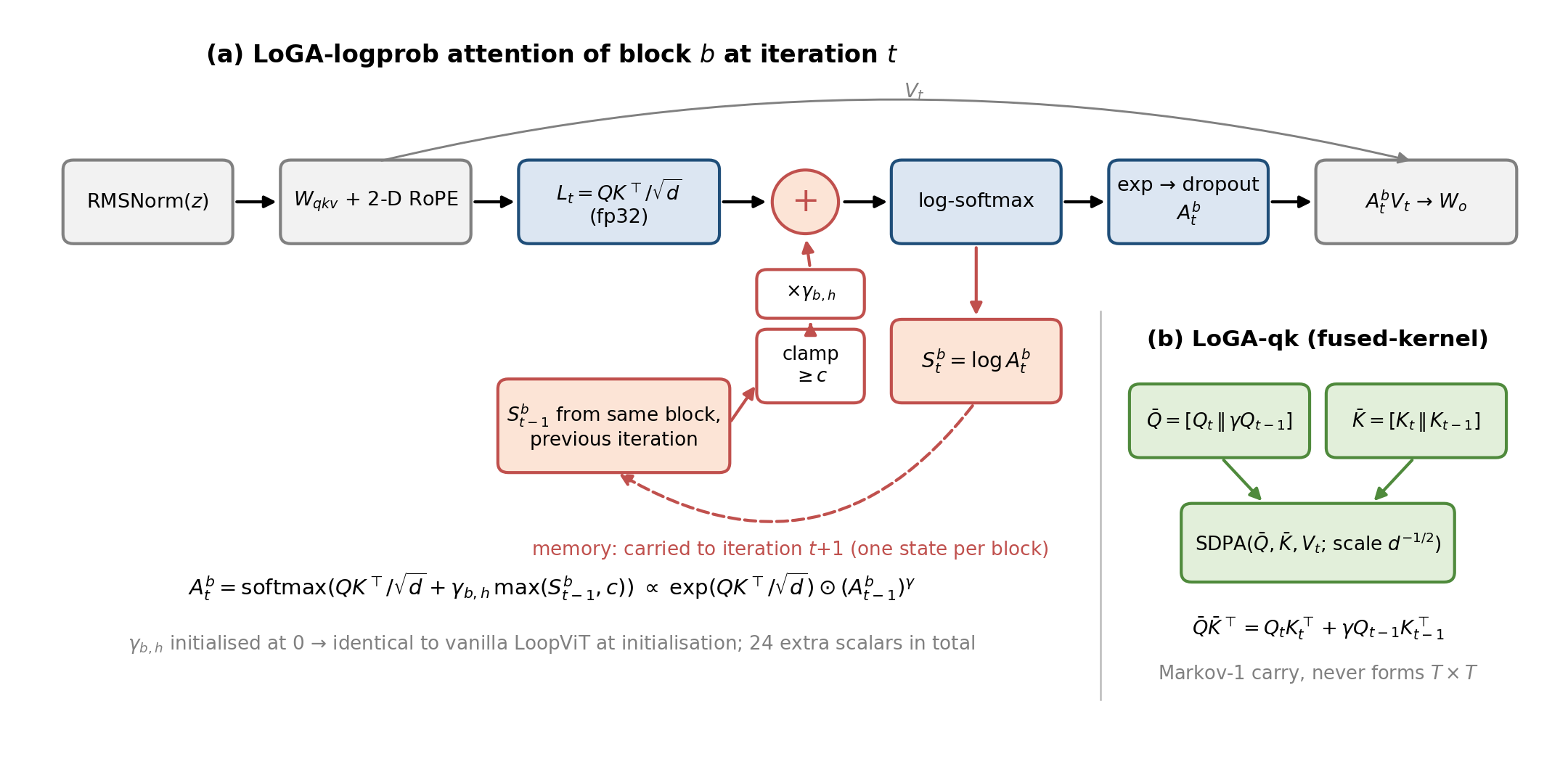
LoGA: Loop-Carried Graph Attention Based Looped Vision Transformers for Fine-Grained Plant Disease Classification
ICCK Transactions on Emerging Topics in Artificial Intelligence | Volume 3, Issue 4: 218-238, 2026 | DOI: 10.62762/TETAI.2026.672726
Abstract
Fine-grained plant disease classification requires separating classes of the same crop that often differ only in small, sparse lesion patterns. Looped Vision Transformers (LoopViTs) obtain depth by applying a small stack of weight-tied blocks repeatedly, yet each block rebuilds its attention graph from scratch at every iteration, although the same block has just computed a graph over the same tokens. We propose LoGA, a looped vision transformer with Loop-Carried Graph Attention, in which the attention graph of each block at iteration $t$ is biased by the graph the same block produced at iteration $t-1$, used as a tempered prior. In its log-prob form the update $A_t \propto \exp(QK^\top/\sqrt... More >

Graphical Abstract
LoGA: Loop-Carried Graph Attention Based Looped Vision Transformers for Fine-Grained Plant Disease Classification
Open Access | Research Article | 27 September 2026
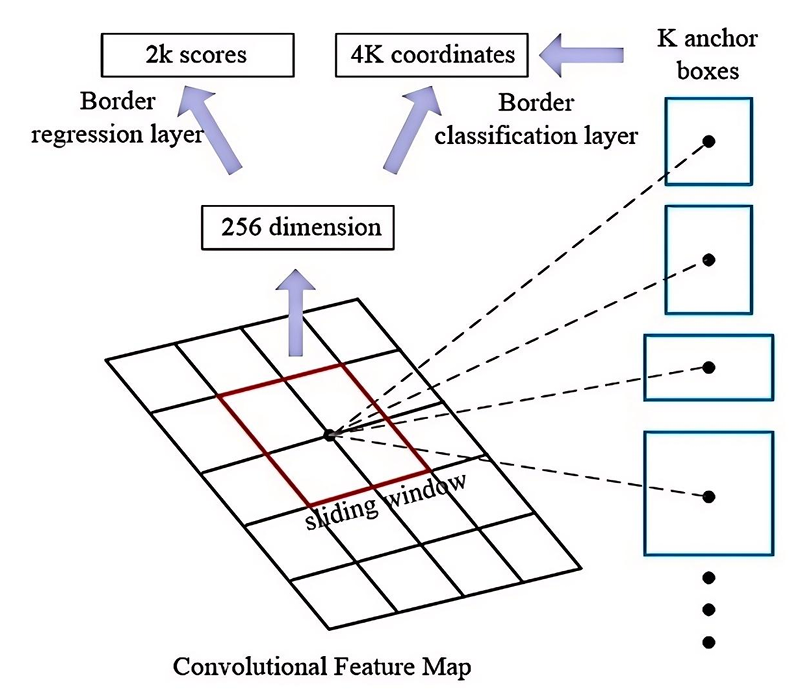
Text Localization and Recognition of Chinese Characters in Natural Scenes Based on Improved Faster Region-Based Convolutional Neural Network
ICCK Transactions on Emerging Topics in Artificial Intelligence | Volume 3, Issue 3: 202-217, 2026 | DOI: 10.62762/TETAI.2026.620822
Abstract
To solve the problems faced by Chinese character recognition, such as complex shapes and diverse structures, this paper adopts the Visual Geometry Group 16 (VGG-16) model for feature extraction and introduces a two-layer bidirectional Long Short-Term Memory (LSTM) network. It improves the Faster Region-based Convolutional Neural Network (Faster R-CNN) by using a Region Proposal Network (RPN) to extract candidate boxes and adjust the positions of candidate regions. The improved model, namely Faster BLSTM-CNN, is tested through three types of experiments: validation of feature extraction effectiveness, comparative analysis of the algorithm before and after improvement, and comparison with trad... More >

Graphical Abstract
Text Localization and Recognition of Chinese Characters in Natural Scenes Based on Improved Faster Region-Based Convolutional Neural Network
Open Access | Research Article | 22 September 2026
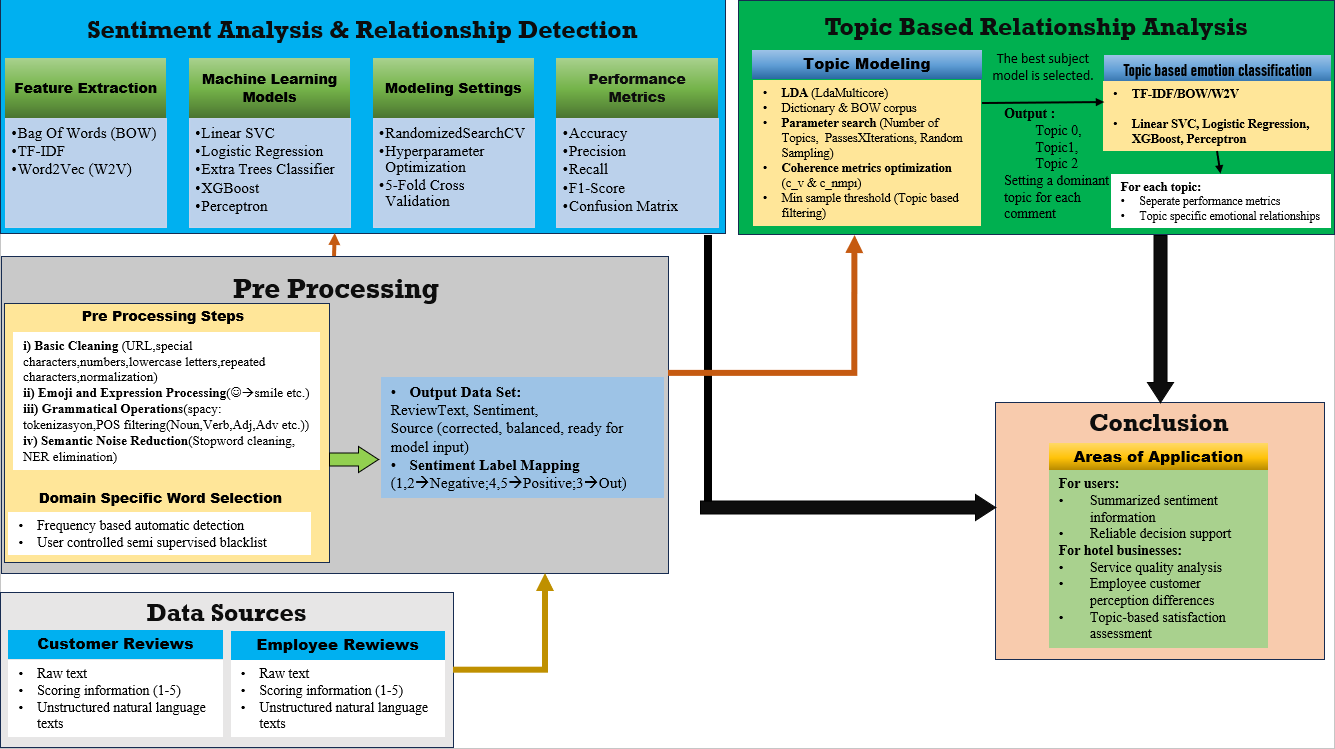
Detecting Sentiment Analysis Correlation Between Hotel Employee and Customer Reviews Using Machine Learning Algorithms
ICCK Transactions on Emerging Topics in Artificial Intelligence | Volume 3, Issue 3: 188-201, 2026 | DOI: 10.62762/TETAI.2026.991738
Abstract
Analyzing heterogeneous online reviews from multiple stakeholder groups represents an emerging challenge in AI-driven service intelligence. This study proposes a two-stage sentiment correlation detection framework and applies it to customer and employee reviews of the Istanbul Marriott \c{S}i\c{s}li hotel. During dataset construction, a semi-supervised domain-specific blacklisting approach was developed alongside standard preprocessing steps to improve sentiment signal quality. In the first phase, customer and employee reviews were treated as separate datasets, and 5-fold cross-validation was applied using TF-IDF, BOW, and Word2Vec representations with multiple classifiers, achieving 99.8% a... More >

Graphical Abstract
Detecting Sentiment Analysis Correlation Between Hotel Employee and Customer Reviews Using Machine Learning Algorithms
Open Access | Research Article | 06 August 2026 | Cited: Scopus 2
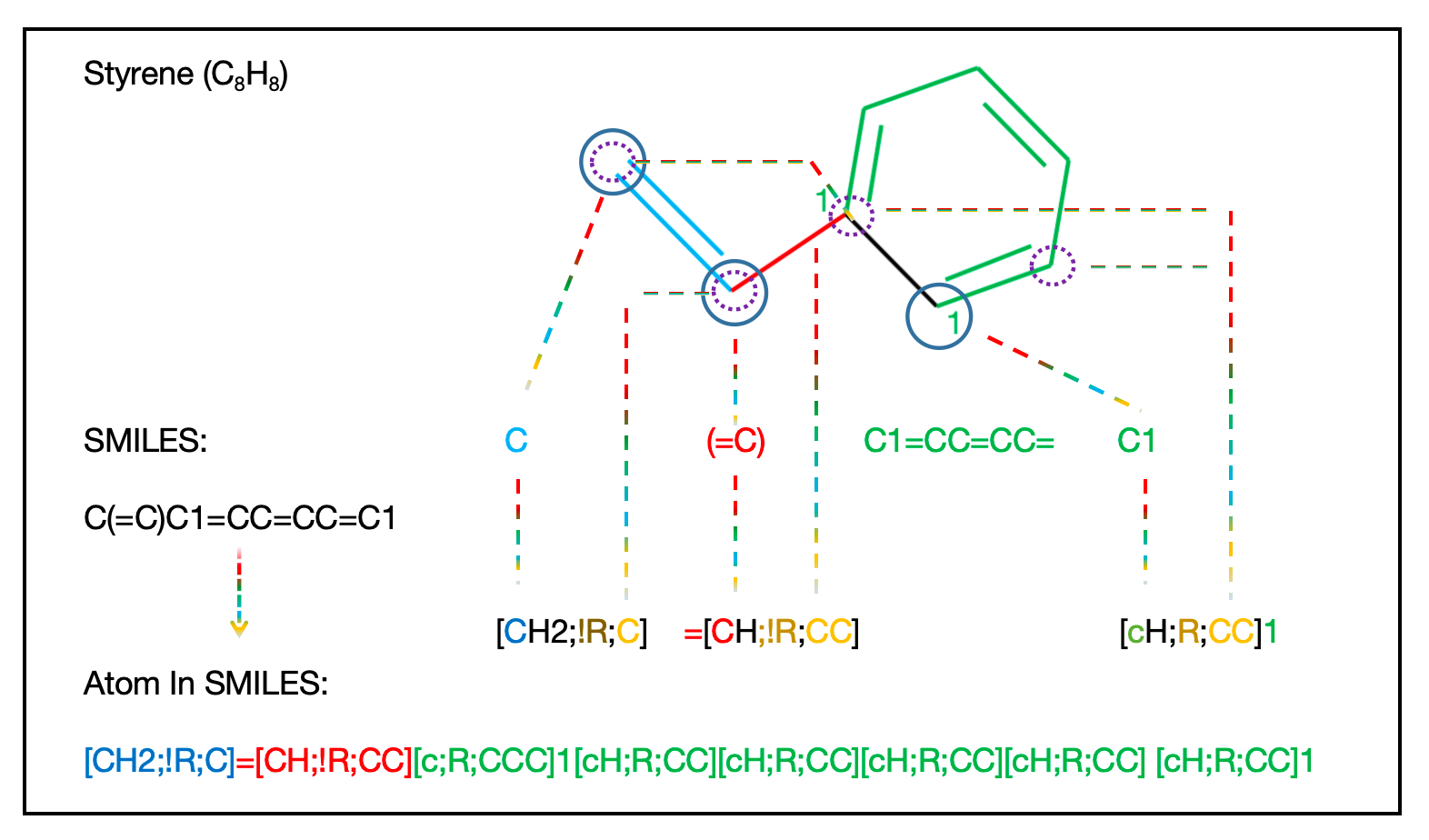
Ensemble Model with BERT, RoBERTa and XLNet for Molecular Property Prediction
ICCK Transactions on Emerging Topics in Artificial Intelligence | Volume 3, Issue 3: 170-187, 2026 | DOI: 10.62762/TETAI.2026.604672
Abstract
Molecular property prediction is a fundamental task in drug discovery and materials science, yet most high-performing approaches depend on large-scale pretraining that demands substantial computational resources. This work proposes a pretraining-free ensemble framework that trains multiple Transformer-based architectures—BERT, RoBERTa, and XLNet—from random initialization using the Atom-in-SMILES (AIS) molecular representation, which provides richer atomic-level semantics than conventional SMILES. The three Transformer encoders are coupled with BiLSTM prediction heads and integrated via a BaggingRegressor to reduce variance and improve generalization. Experiments on the ZINC250k and ZINC... More >

Graphical Abstract
Ensemble Model with BERT, RoBERTa and XLNet for Molecular Property Prediction
Open Access | Perspective | 01 June 2026 | Cited: Crossref logo  1
Ethical Concerns in Medical and Health-Related AI
ICCK Transactions on Emerging Topics in Artificial Intelligence | Volume 3, Issue 3: 160-169, 2026 | DOI: 10.62762/TETAI.2026.613827
Abstract
This perspective introduces the range of ethical concerns entailed by the widespread adoption of AI, particularly as they impact human health. It begins by (1) illustrating risks associated with all large-scale AI systems, then moves to (2) corporate and governmental applications of AI that affect human health. It overviews the ways (3) that patient usage of AI has affected human health; (4) that “passive” medical AI (like recording documents) and (5) “active” medical AI (like diagnosing and prescribing) may affect human health. It concludes with (6) reflections on reporting, responsibility, and regulation, wherein international cooperation and governance systems appear essential for... More >
Open Access | Research Article | 26 May 2026 | Cited: Crossref logo  1 , Scopus
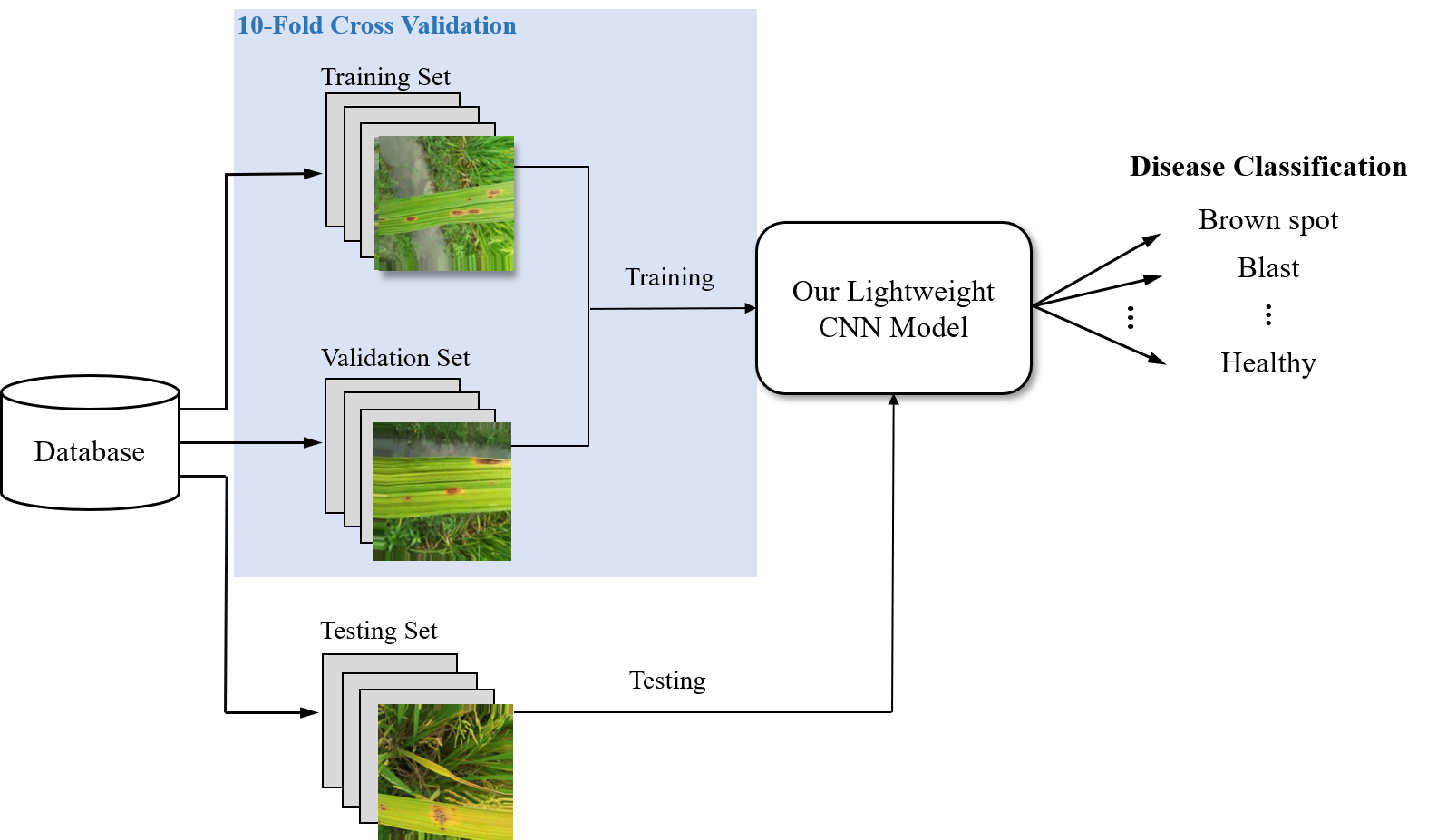
Classification of Rice Leaf Diseases Based on Lightweight Deep Learning Model
ICCK Transactions on Emerging Topics in Artificial Intelligence | Volume 3, Issue 2: 142-159, 2026 | DOI: 10.62762/TETAI.2025.878660
Abstract
Traditional methods for classifying plant diseases usually depend on manual observation, which is time-consuming, labor-intensive, and prone to human error. The rise of deep learning has greatly advanced this field by enabling more accurate and efficient classification techniques. In this paper, we introduce a novel lightweight deep learning framework that builds on the RegNetY convolutional neural network architecture by incorporating a modified Efficient Channel Attention module. This enhancement is specifically designed to improve the classification of various rice leaf diseases. Our experiments on a publicly available dataset show that the proposed approach not only boosts classification... More >

Graphical Abstract
Classification of Rice Leaf Diseases Based on Lightweight Deep Learning Model
Open Access | Research Article | 06 March 2026 | Cited: Crossref logo  4 , Scopus 4
SEFF-Net: A Hybrid Feature Fusion Network for Accurate Segmentation of Breast Ultrasound Images
ICCK Transactions on Emerging Topics in Artificial Intelligence | Volume 3, Issue 2: 128-141, 2026 | DOI: 10.62762/TETAI.2026.494190
Abstract
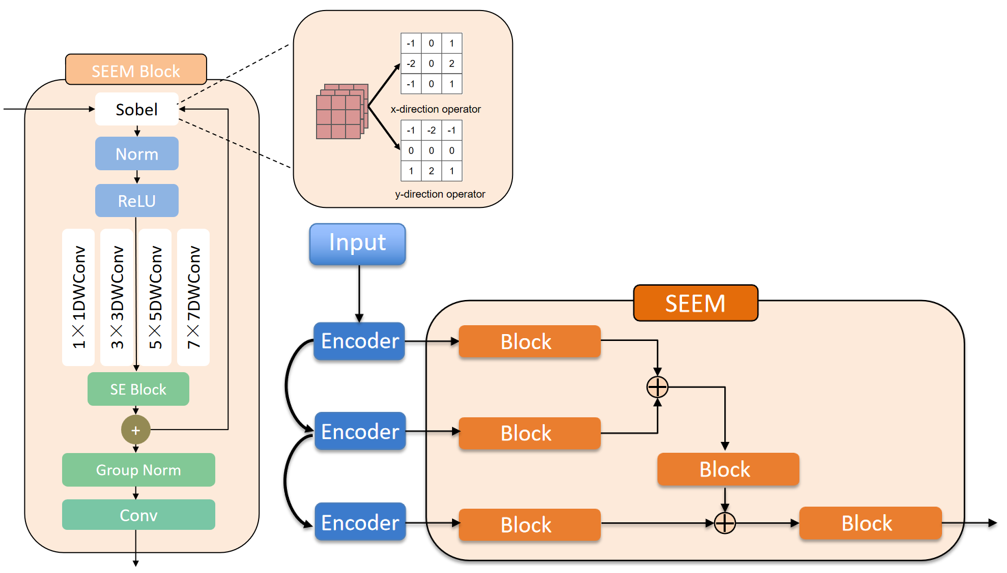
Breast ultrasound imaging plays a crucial role in early breast cancer screening and diagnosis due to its noninvasive nature and cost-effectiveness. However, accurate lesion segmentation remains challenging because of severe speckle noise, low contrast, and blurred tumor boundaries. To address these issues, this paper proposes SEFF-Net, a novel edge-aware feature fusion network with a U-shaped encoder–decoder architecture to capture multi-level semantic representations for breast ultrasound image segmentation task. To enhance boundary perception, a Self-learning Edge Enhancement Module is embedded in the shallow encoding stages, while a Spatial Feature Fusion Module is introduced to effecti... More >

Graphical Abstract
SEFF-Net: A Hybrid Feature Fusion Network for Accurate Segmentation of Breast Ultrasound Images

Journal Statistics

112
Authors
21
Countries / Regions
42
Articles
238
Scopus Citations
78.6% Cited
2024
Published Since
237,969
Article Views
45,877
Article Downloads
ICCK Transactions on Emerging Topics in Artificial Intelligence
eISSN: 3068-6652
Crossref
Crossref
Member of Crossref
Visit Crossref →