


ISSN: 3068-6652
Indexing: Scopus Indexed
The ICCK Transactions on Emerging Topics in Artificial Intelligence (TETAI) is a peer-reviewed international journal publishing papers on emerging theories and methodologies of Artificial Intelligence.
DOI Prefix: 10.62762/TETAI

Journal Metrics

-
Impact Factor
Indexed in: Scopus

Recent Articles

Open Access | Review Article | 23 October 2025 | Cited: Crossref logo  2 , Scopus 4
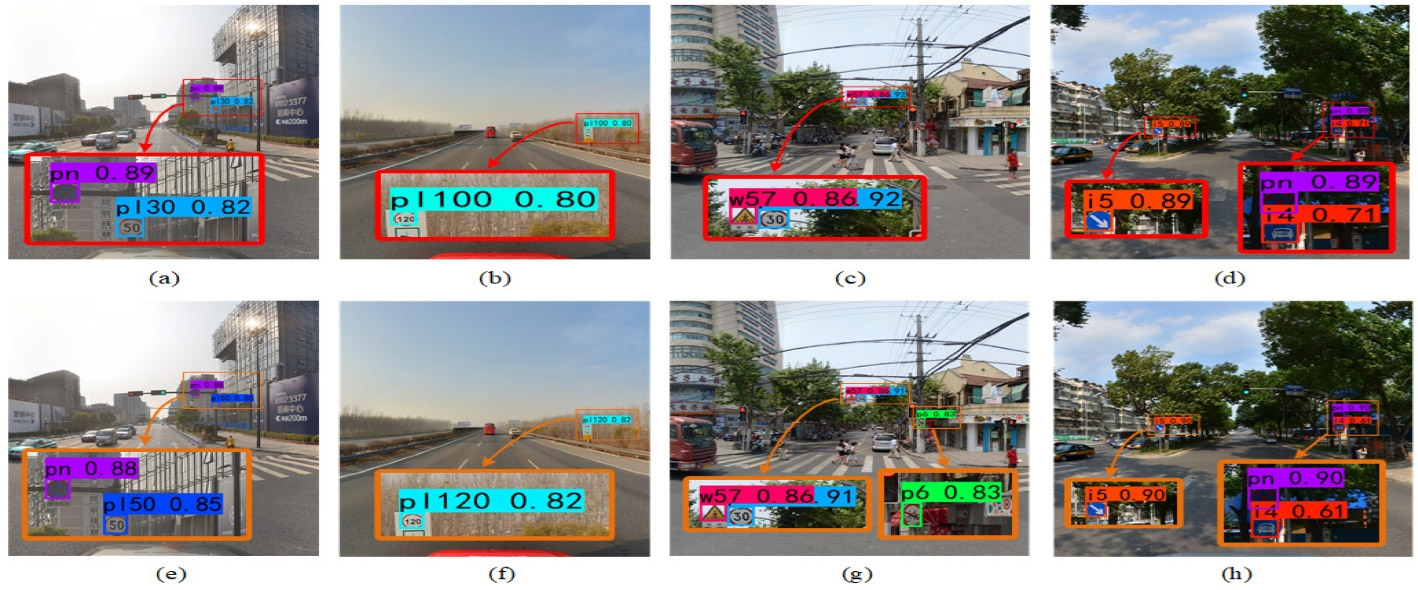
Efficient Object Detection in Images Using YOLO Algorithm: A Performance Evaluation
ICCK Transactions on Emerging Topics in Artificial Intelligence | Volume 2, Issue 4: 192-202, 2025 | DOI: 10.62762/TETAI.2025.654854
Abstract
Object detection is a fundamental problem in computer vision, with applications spanning self-driving cars, surveillance systems, medical imaging, robotics, and smart cities. Among the myriad of algorithms developed for this task, the You Only Look Once (YOLO) family stands out for its ability to perform real-time and accurate object detection. This article provides a comprehensive analysis of the YOLO algorithm series, from YOLOv1 to YOLOv8, evaluating them across key performance metrics, including precision, recall, mean Average Precision (mAP), frames per second (FPS), and overall effectiveness. Unlike traditional two-stage detectors such as R-CNN, YOLO formulates object detection as a si... More >

Graphical Abstract
Efficient Object Detection in Images Using YOLO Algorithm: A Performance Evaluation
Open Access | Research Article | 15 September 2025 | Cited: Crossref logo  2 , Scopus 2
Performance Evaluation of ETo Prediction Methods: Dispersion Analysis and Accuracy Criteria Across Time Intervals
ICCK Transactions on Emerging Topics in Artificial Intelligence | Volume 2, Issue 4: 182-191, 2025 | DOI: 10.62762/TETAI.2025.125348
Abstract
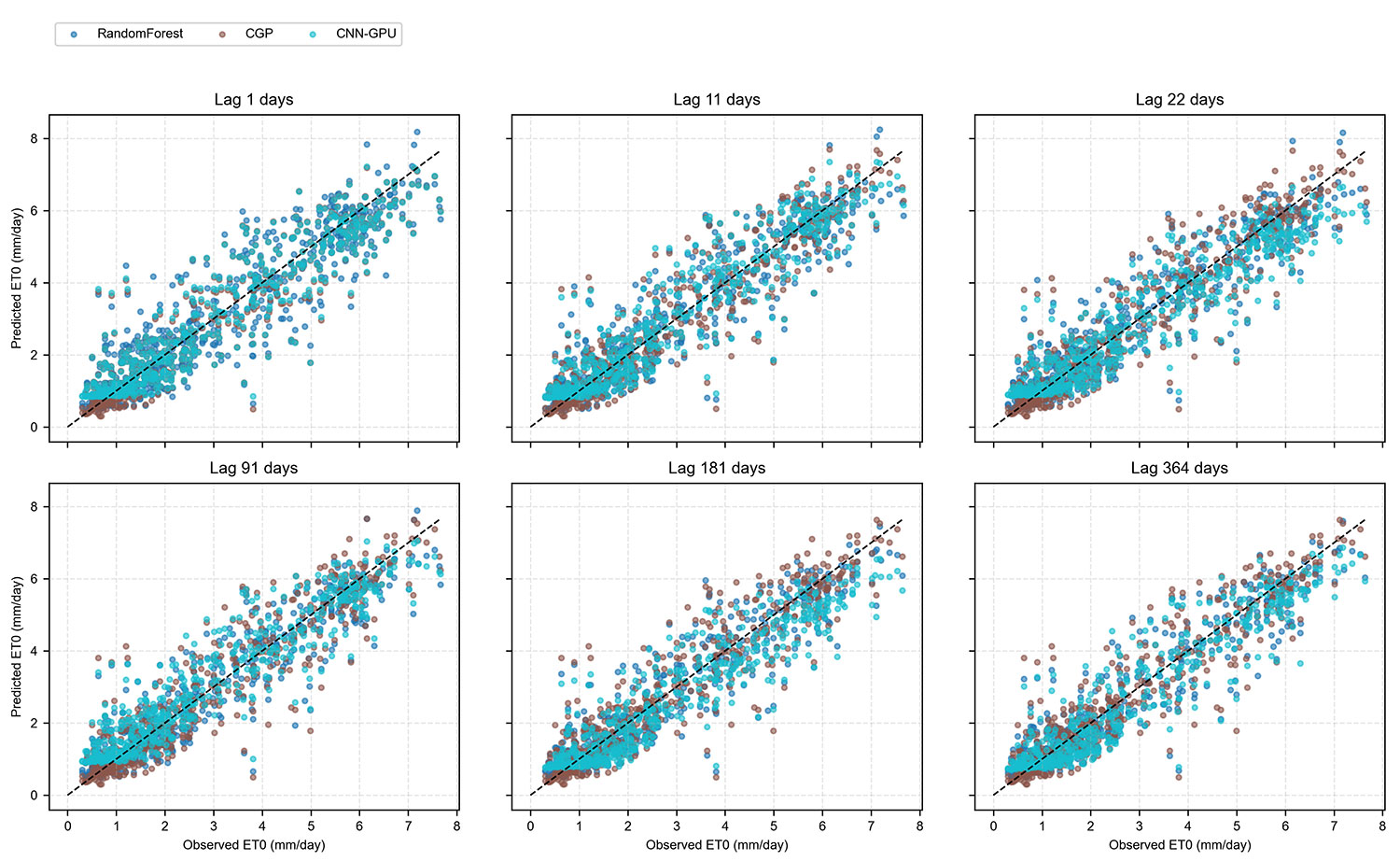
Accurate forecasting of reference evapotranspiration (ET$_o$) is essential for sustainable water resource management and precision agriculture, yet systematic comparisons across extended forecasting horizons remain limited. This study evaluates three ET$_o$ prediction methods---Random Forest (RF), Cartesian Genetic Programming (CGP), and Convolutional Neural Network accelerated by Graphics Processing Unit (CNN-GPU)---across six time intervals ranging from 1 to 364 days, using data from two semi-arid stations in northwestern Iran. Model performance was assessed via dispersion analysis (scatter and violin plots) and four accuracy metrics (RMSE, MAE, R$^2$, SI). Results indicate that RF and CNN... More >

Graphical Abstract

Performance Evaluation of ETo Prediction Methods: Dispersion Analysis and Accuracy Criteria Across Time Intervals
Open Access | Review Article | 14 September 2025 | Cited: Crossref logo  8 , Scopus 2
Reinforcement Learning for Prompt Optimization in Language Models: A Comprehensive Survey of Methods, Representations, and Evaluation Challenges
ICCK Transactions on Emerging Topics in Artificial Intelligence | Volume 2, Issue 4: 173-181, 2025 | DOI: 10.62762/TETAI.2025.790504
Abstract
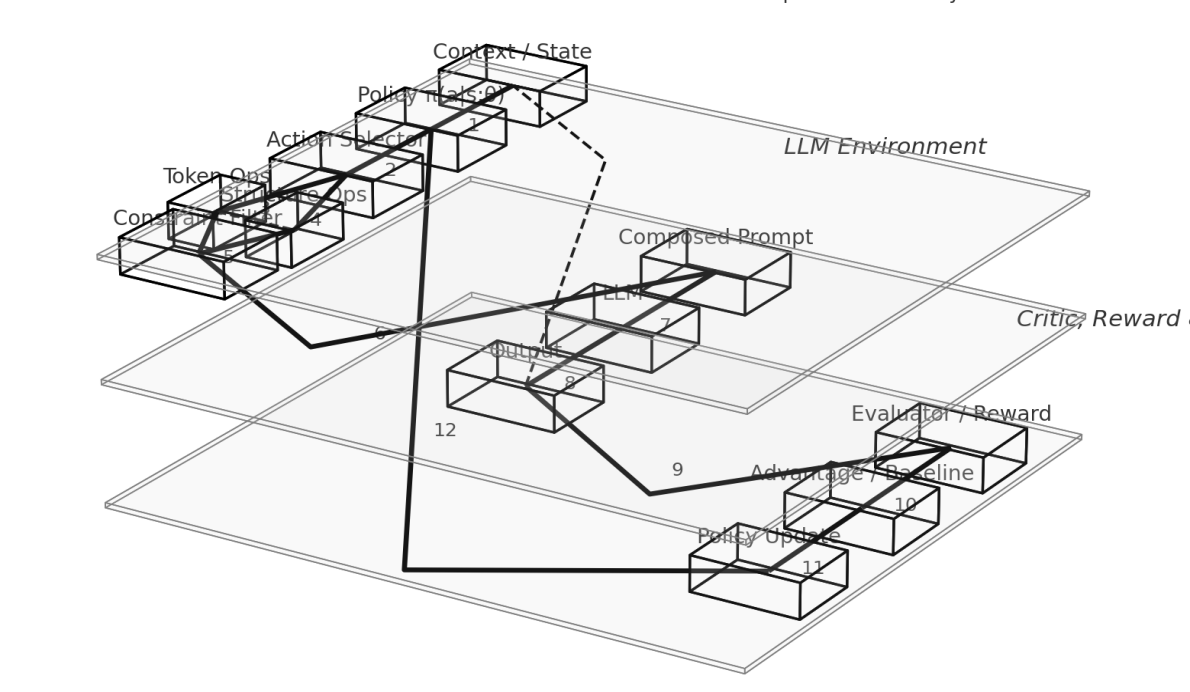
The growing prominence of prompt engineering as a means of controlling large language models has given rise to a diverse set of methods, ranging from handcrafted templates to embedding-level tuning. Yet, as prompts increasingly serve not merely as input scaffolds but as adaptive interfaces between users and models, the question of how to systematically optimize them remains unresolved. Reinforcement learning, with its capacity for sequential decision-making and reward-driven adaptation, has been proposed as a possible framework for discovering effective prompting strategies. This survey explores the emerging intersection of RL and prompt engineering, organizing existing research along three... More >

Graphical Abstract
Reinforcement Learning for Prompt Optimization in Language Models: A Comprehensive Survey of Methods, Representations, and Evaluation Challenges
Open Access | Perspective | 13 September 2025 | Cited: Crossref logo  4 , Scopus 1
The Accountability Paradox: How Generative AI Challenges Our Notions of Responsibility
ICCK Transactions on Emerging Topics in Artificial Intelligence | Volume 2, Issue 3: 169-172, 2025 | DOI: 10.62762/TETAI.2025.549572
Abstract
The rapid advancement of generative AI has created a critical gap between technological innovation and accountability frameworks. Traditional responsibility mechanisms fail structurally when confronted with AI's black box nature, emergent behaviors, and capacity for autonomous decision-making—characteristics that sever the causal chains upon which legal and ethical liability depends. This Perspective argues that resolving this accountability paradox requires not a single regulatory fix but a distributed responsibility model spanning four interconnected domains: the proactive obligations of technology developers across the AI lifecycle, the paradigm shifts required in legal frameworks inclu... More >
Open Access | Research Article | 28 August 2025 | Cited: Crossref logo  8 , Scopus 8
Immune-Inspired AI: Adaptive Defense Models for Intelligent Edge Environments
ICCK Transactions on Emerging Topics in Artificial Intelligence | Volume 2, Issue 3: 157-168, 2025 | DOI: 10.62762/TETAI.2025.270695
Abstract
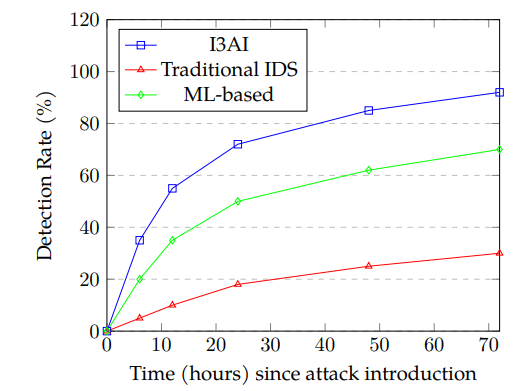
The rapid expansion of edge computing and Internet of Things (IoT) ecosystems has introduced new cybersecurity challenges, particularly in decentralized, resource-constrained environments where traditional security models often fall short. This paper proposes an immune-inspired artificial intelligence framework (I3AI) that draws on core principles of biological immune systems including self-organization, local learning, and immune memory to enable adaptive, privacy-preserving defense mechanisms across distributed edge nodes. The architecture incorporates federated learning to maintain a decentralized threat intelligence network while ensuring data privacy and minimal communication overhead.... More >

Graphical Abstract
Immune-Inspired AI: Adaptive Defense Models for Intelligent Edge Environments
Open Access | Review Article | 27 August 2025 | Cited: Crossref logo  2 , Scopus 2
Advances in Artificial Intelligence-Based Depression Diagnosis: A Systematic Review
ICCK Transactions on Emerging Topics in Artificial Intelligence | Volume 2, Issue 3: 148-156, 2025 | DOI: 10.62762/TETAI.2025.416797
Abstract
Depression affects approximately 280 million people worldwide, yet remains substantially underdiagnosed due to the limitations of clinical assessment tools. This systematic review synthesizes 38 studies (2013--2025) on AI-based depression detection across voice, facial expression, physiological signals, and social media modalities, following PRISMA 2020 guidelines. Multimodal fusion consistently outperforms unimodal approaches, with reported F1 gains of 5-15% on benchmark datasets; however, no reviewed system has undergone prospective clinical validation, and reported accuracy figures should be interpreted as upper bounds on clinical utility. Critical open challenges include cross-cultural... More >
Open Access | Research Article | 16 August 2025 | Cited: Crossref logo  4 , Scopus 4
A Novel Interpretable Lightweight Ensemble Learning Method for Static and Dynamic Medical and Healthcare Data Classification
ICCK Transactions on Emerging Topics in Artificial Intelligence | Volume 2, Issue 3: 131-147, 2025 | DOI: 10.62762/TETAI.2025.713474
Abstract
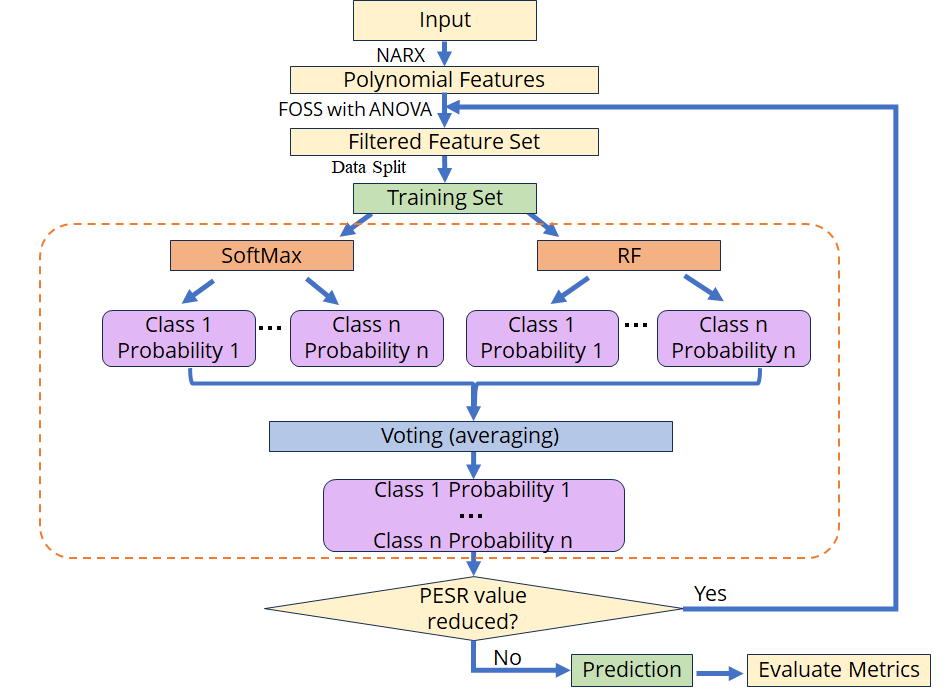
In the medical field, efficient and accurate classification of sequential and structured data is crucially important and useful for early diagnosis and treatment. Traditional machine learning models struggle with the complexity and nonlinearity of dynamic datasets, whereas deep learning models, despite their effectiveness, require extensive resources and lack transparency. This paper proposes a novel lightweight ensemble framework integrating a parameterized SoftMax function with a non-parametric Random Forest method through a soft voting mechanism, supported by the Nonlinear AutoRegressive eXogenous (NARX) model and optimized using a forward orthogonal search and selection (FOSS) algorithm... More >

Graphical Abstract
A Novel Interpretable Lightweight Ensemble Learning Method for Static and Dynamic Medical and Healthcare Data Classification
Open Access | Research Article | 27 July 2025 | Cited: Crossref logo  3 , Scopus 4
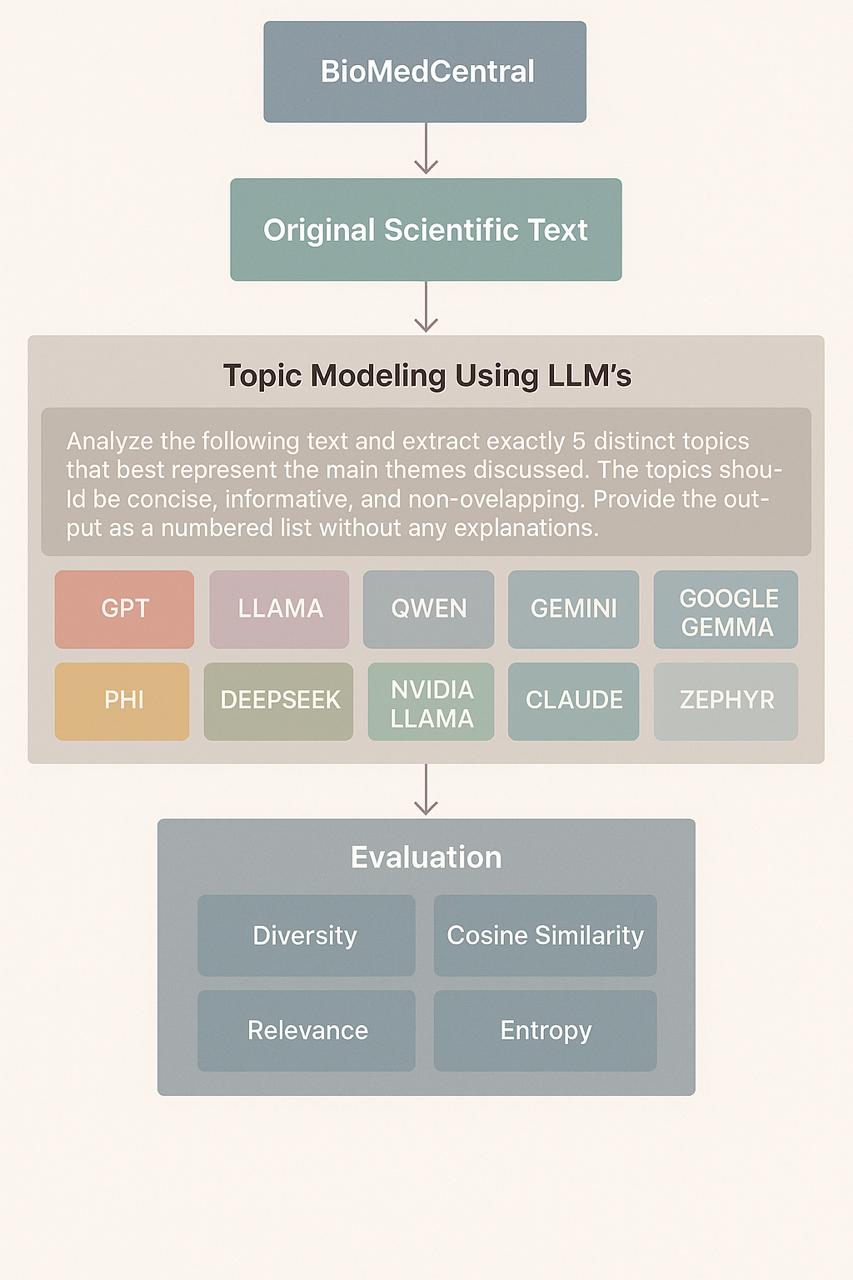
GPT vs. Other Large Language Models for Topic Modeling: A Comprehensive Comparison
ICCK Transactions on Emerging Topics in Artificial Intelligence | Volume 2, Issue 3: 116-130, 2025 | DOI: 10.62762/TETAI.2025.871572
Abstract
Topic modeling is a widely used unsupervised natural language processing (NLP) technique aimed at discovering latent themes within documents. Since traditional methods fall short in capturing contextual meaning, approaches based on large language models (LLMs)—such as BERTopic—hold the potential to generate more meaningful and diverse topics. However, systematic comparative studies of these models, especially in domains requiring high accuracy and interpretability such as healthcare, remain limited. This study compares ten different LLMs (GPT, Claude, Gemini, LLaMA, Qwen, Phi, Zephyr, DeepSeek, NVIDIA-LLaMA, Gemma) using a dataset of 9,320 medical article abstracts. Each model was tasked... More >

Graphical Abstract
GPT vs. Other Large Language Models for Topic Modeling: A Comprehensive Comparison

Journal Statistics

105
Authors
20
Countries / Regions
40
Articles
227
Scopus Citations
82.5% Cited
2024
Published Since
228,430
Article Views
43,504
Article Downloads
ICCK Transactions on Emerging Topics in Artificial Intelligence
eISSN: 3068-6652
Crossref
Crossref
Member of Crossref
Visit Crossref →