

Journal of Chemical Engineering and Renewable Fuels

Publishing Model:
ISSN:
ISSN: 3070-1058
Journal of Chemical Engineering and Renewable Fuels is a peer-reviewed journal dedicated to publishing original research and critical reviews in the fields of chemical engineering and renewable energy.
DOI Prefix: 10.62762/JCERF

Journal Metrics

-
Impact Factor
-
CiteScore

Recent Articles

Open Access | Research Article | 02 June 2026
Investigation on the Feasibility to Produce Jet-A1 Aviation Fuel by Co-hydroprocessing Petroleum Kerosene with POME and Cardanol
Journal of Chemical Engineering and Renewable Fuels | Volume 2, Issue 3: 71-77, 2026 | DOI: 10.62762/JCERF.2026.810053
Abstract
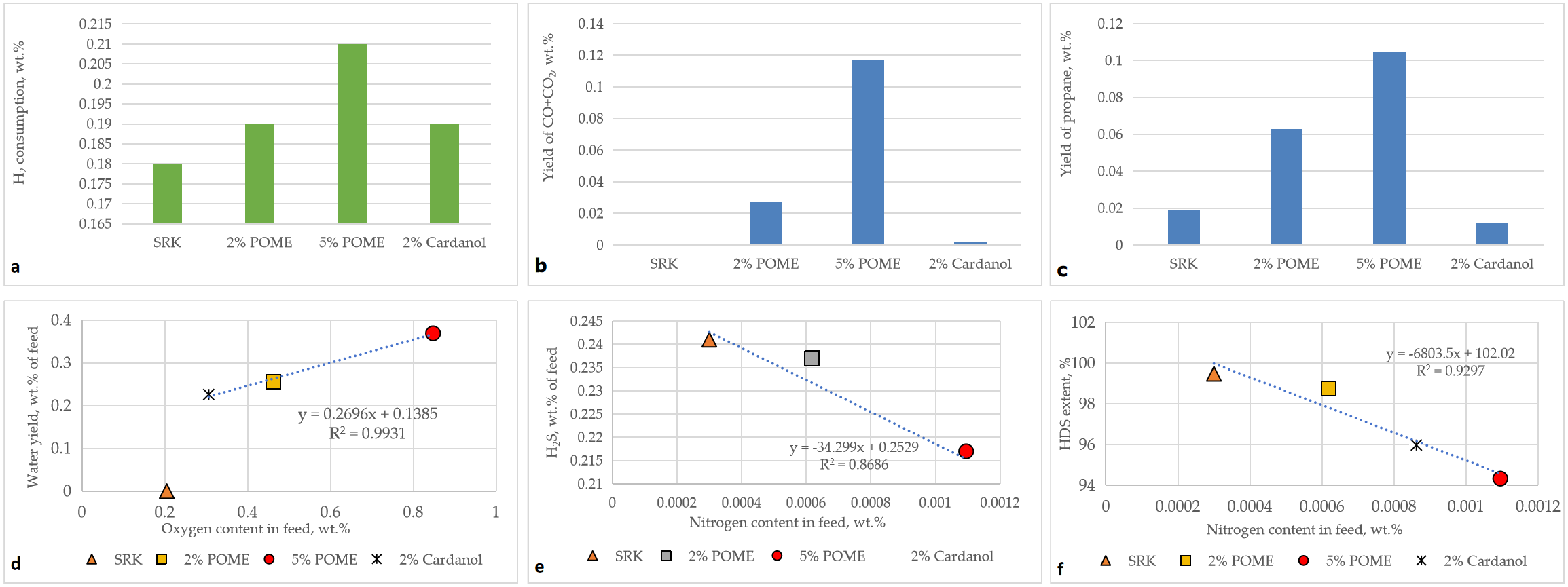
Petroleum kerosene (SRK) and its blends with the bio-components palm oil mill effluent (POME) and cardanol in amount of 2 and 5\% were hydrotreated on commercial Co-Mo catalyst in a laboratory trickle bed reactor at temperature of 290°C, liquid hourly space velocity (LHSV) of 1.28 h$^{-1}$, total pressure of 3.0 MPa, H$_2$/Oil ratio of 290 Nm$^3$/Nm$^3$ to simulate co-processing aiming at production of sustainable aviation fuel (SAF) in the existing hydrotreating technology employed to manufacture petroleum based Jet-A1 aviation fuel. It was found that increased hydrogen consumption during co-processing bio-feeds was mainly related to hydrodeoxygenation reaction leading to production of H$_... More >

Graphical Abstract

Investigation on the Feasibility to Produce Jet-A1 Aviation Fuel by Co-hydroprocessing Petroleum Kerosene with POME and Cardanol
Open Access | Research Article | 28 May 2026
Phenol Photodegradation over Ni/MCM-41: Effect of the Ni Incorporation Method
Journal of Chemical Engineering and Renewable Fuels | Volume 2, Issue 2: 65-70, 2026 | DOI: 10.62762/JCERF.2026.349345
Abstract
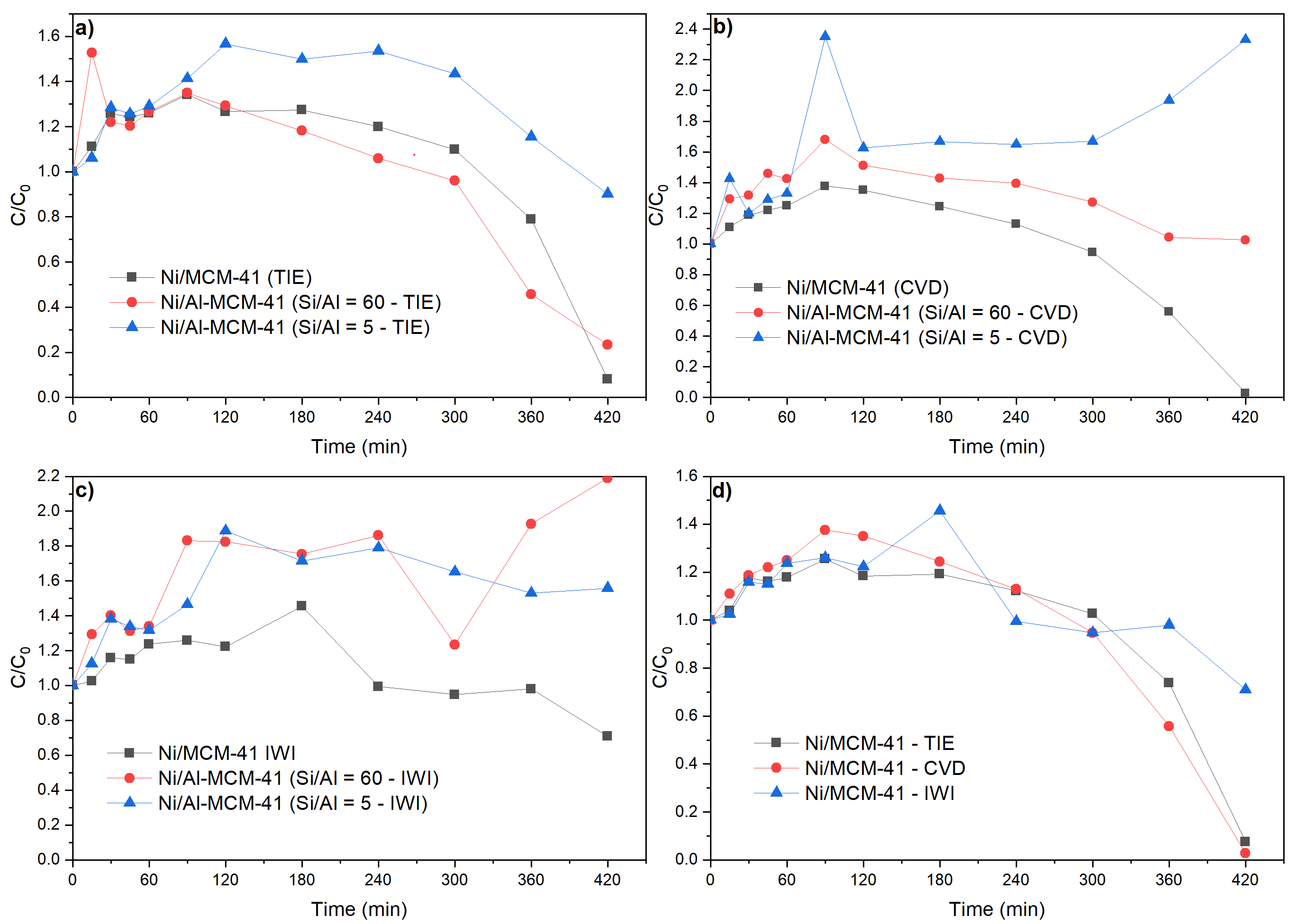
This study explores the synthesis and application of Ni-based photocatalysts supported on MCM-41 and Al-MCM-41 for phenol degradation. Three preparation methods were evaluated and compared: Chemical Vapor Deposition (CVD), Incipient Wet Impregnation (IWI), and Template Ion Exchange (TIE). The influence of the Si/Al ratio of 5 and 60 on phenol photodegradation was also examined. The results showed that the Ni/MCM-41 photocatalyst prepared by CVD achieved the highest degradation efficiency (97.28%), while the TIE method proved to be the most versatile overall. Notably, the TIE method was the only synthesis method capable of exhibiting photocatalytic activity in phenol degradation on all suppor... More >

Graphical Abstract
Phenol Photodegradation over Ni/MCM-41: Effect of the Ni Incorporation Method
Open Access | Review Article | 26 April 2026
Prospects for Gasoline and Petrochemical Production in the Context of the Energy Transition
Journal of Chemical Engineering and Renewable Fuels | Volume 2, Issue 2: 46-64, 2026 | DOI: 10.62762/JCERF.2026.391646
Abstract
Environmental commitments related to fuel production make it imperative that new forms of propulsion be developed in the future. This review discusses the most salient aspects related to recent alternative fuels, such as biofuels and electric fuels, considered low-carbon fuels, as well as zero-emission fuels, such as battery electric vehicles (BEVs), as part of the actions that are already foreseeable for the future replacement of fossil fuels. A section is related to the challenges that existing fossil fuels are facing during this energy transition. Petrochemical production is another important issue discussed in this document, addressing first the most relevant aspects related to the petro... More >

Graphical Abstract

Prospects for Gasoline and Petrochemical Production in the Context of the Energy Transition
Open Access | Perspective | 20 April 2026
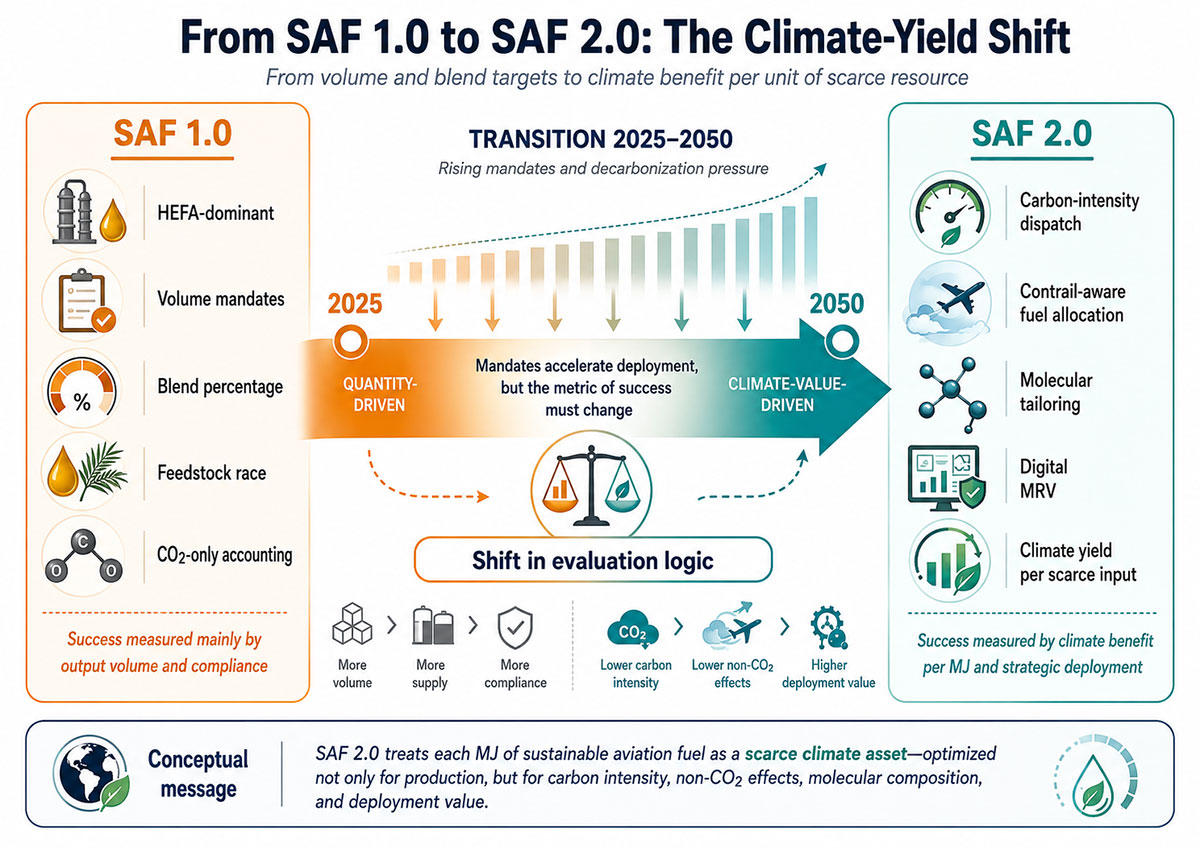
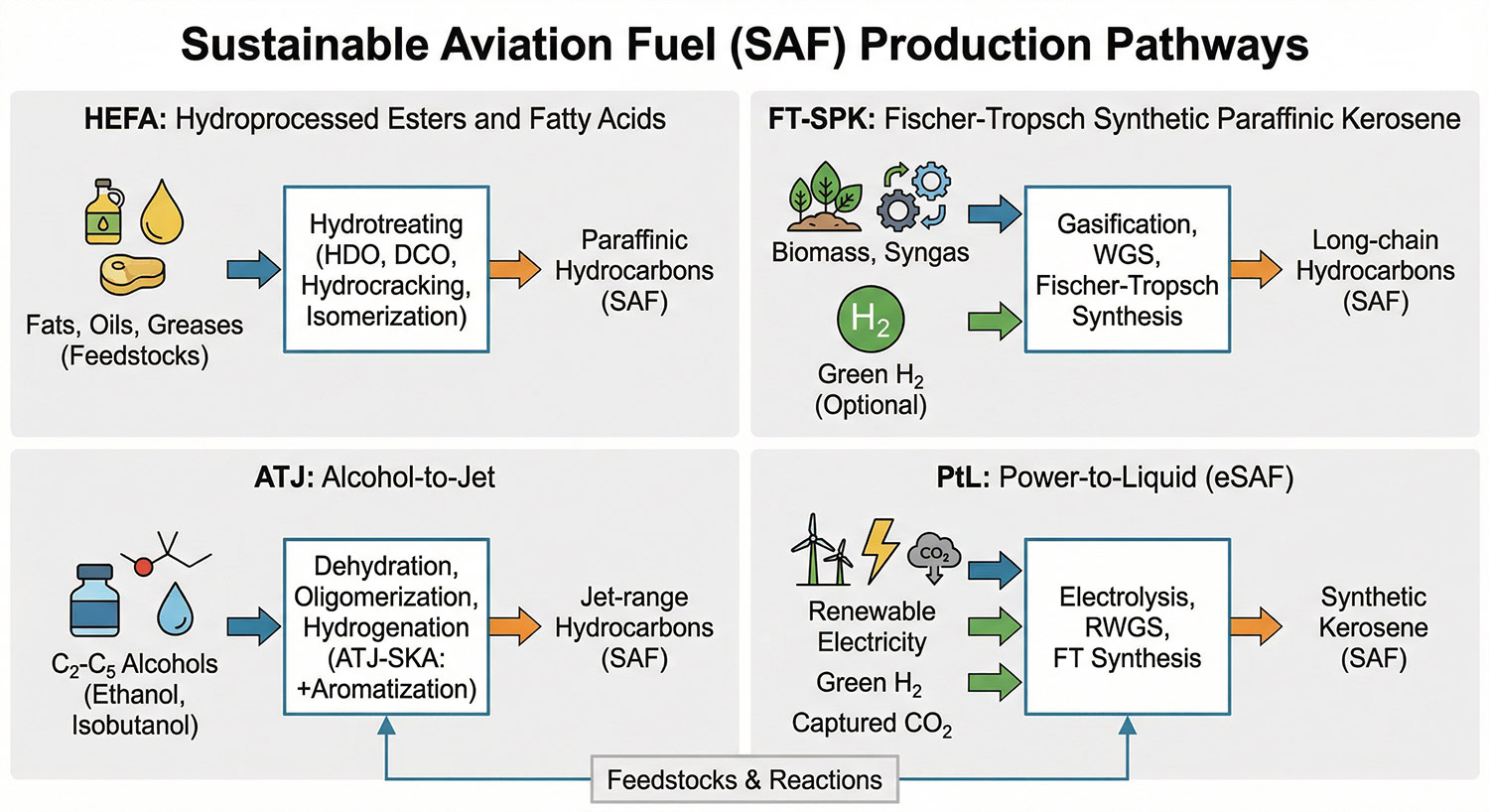
Feedstock Quality and Conversion Efficiency as Key Determinants of Sustainable Aviation Fuel Production: Pathways, Reactions, and Challenges
Journal of Chemical Engineering and Renewable Fuels | Volume 2, Issue 2: 39-45, 2026 | DOI: 10.62762/JCERF.2026.241704
Abstract
Sustainable Aviation Fuel is the most viable near-term strategy for decarbonizing commercial aviation. Its performance depends fundamentally on the quality of the feedstock and conversion efficiency. This paper examines the four principal ASTM-certified pathways: Hydroprocessed Esters and Fatty Acids (HEFA), Fischer-Tropsch Synthetic Paraffinic Kerosene (FT-SPK), Alcohol-to-Jet (ATJ), and Power-to-Liquid (PtL/eSAF). Additionally, it highlights how feedstock chemical composition, contaminants, moisture content, and carbon intensity affect conversion outcomes, including fuel yield, catalyst performance, minimum fuel selling price, and lifecycle greenhouse gas reduction. Feedstock cost accounts... More >

Graphical Abstract
Feedstock Quality and Conversion Efficiency as Key Determinants of Sustainable Aviation Fuel Production: Pathways, Reactions, and Challenges
Open Access | Perspective | 08 April 2026
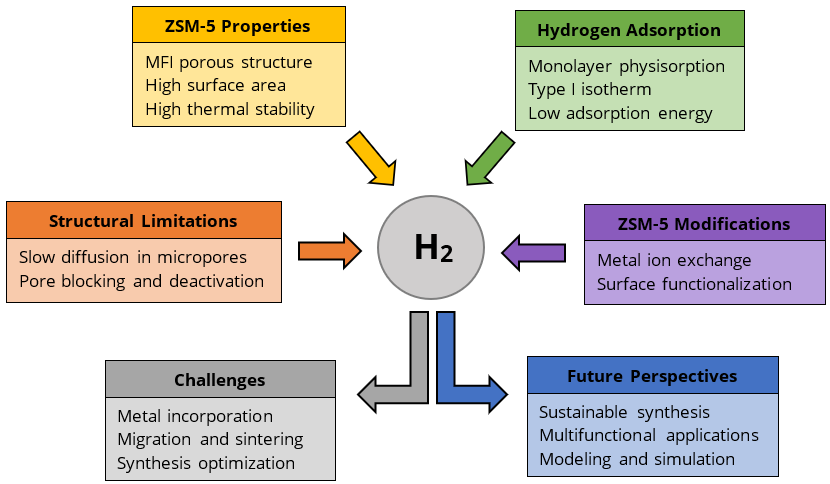
Hydrogen Storage in ZSM-5: Advances and Challenges
Journal of Chemical Engineering and Renewable Fuels | Volume 2, Issue 2: 34-38, 2026 | DOI: 10.62762/JCERF.2026.576089
Abstract
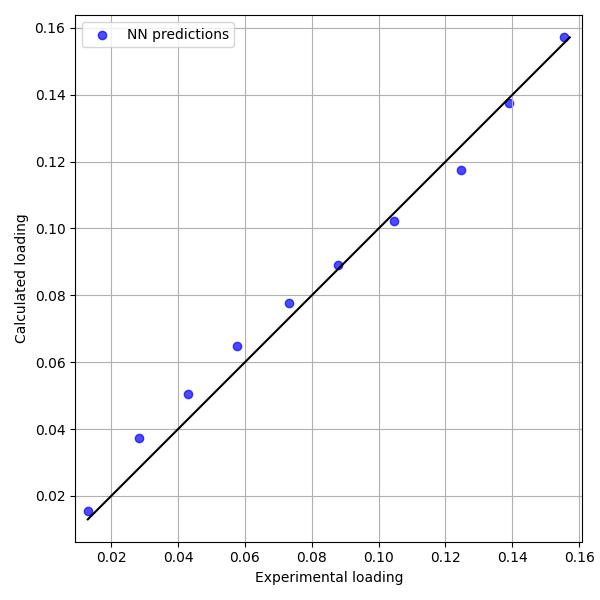
ZSM-5 zeolite possesses a three-dimensional network of microporous channels formed by oxygen-linked Si and Al tetrahedra, which confers a high surface area, stability, and hydrophobic properties that increase with the Si/Al ratio. These characteristics make ZSM-5 a suitable material for the adsorption of gases such as hydrogen. In pure ZSM-5, hydrogen storage occurs primarily through physisorption in the micropores, exhibiting type I isotherms and an adsorption capacity that increases with pressure, especially at low temperatures. The relatively low adsorption energy indicates weak interactions that keep the hydrogen in a molecular state and allow for its reversible release. However, the sto... More >

Graphical Abstract
Hydrogen Storage in ZSM-5: Advances and Challenges
Open Access | Perspective | 07 February 2026
Biodiesel in the Era of Renewable Transition: Critical Advances, Limitations and Future Engineering Pathways
Journal of Chemical Engineering and Renewable Fuels | Volume 2, Issue 2: 28-33, 2026 | DOI: 10.62762/JCERF.2025.436781
Abstract
Biodiesel has evolved from a niche alternative fuel into a strategic component of global decarbonization and energy diversification efforts. Its compatibility with existing engines, low sulfur content, and potential integration within circular bioeconomy frameworks position biodiesel as a relevant contributor to renewable energy transitions, particularly in regions with strong agricultural and agro-industrial sectors. Despite substantial progress in feedstock diversification, catalytic innovation, and process intensification, biodiesel production continues to face persistent challenges related to cost competitiveness, sustainability metrics, land use pressures, and scalability. This Perspect... More >
Open Access | Perspective | 09 December 2025
Role of Model Compounds in Advancing Aquathermolysis-Based Technologies for Heavy Oil Upgrading
Journal of Chemical Engineering and Renewable Fuels | Volume 2, Issue 1: 23-27, 2026 | DOI: 10.62762/JCERF.2025.239270
Abstract
Using model compounds to study the aquathermolysis reaction mechanism has been a cornerstone in understanding the complex chemistry underlying in-reservoir upgrading of unconventional oil resources, including oil shale, bitumen, and heavy and extra-heavy crude oils. These compounds, often selected to represent key structural features such as alkyl or polyaromatic hydrocarbons and heteroatom-containing molecules, act as simplified analogs of the chemically complex constituents present in real oil systems. Their use in controlled experimental setups enables the isolation and analysis of specific reaction pathways, providing mechanistic insights that are difficult to extract from real oil resou... More >
Open Access | Research Article | 08 December 2025
Oxygen Insertion in Propylene to Make Propylene Oxide Over a Highly Stable and Efficient Titanium Silicate Catalyst
Journal of Chemical Engineering and Renewable Fuels | Volume 2, Issue 1: 13-22, 2026 | DOI: 10.62762/JCERF.2025.147821
Abstract
Propylene oxide (PO) is a crucial intermediate in the chemical industry, serving as a precursor for polyether polyols, propylene glycol, and various polymers. Traditional industrial PO production methods, such as the chlorohydrin and hydroperoxide routes, are hampered by significant environmental concerns and the generation of undesirable by-products. This study explores the direct transformation of propylene to PO using titanium silicate (TS-1) catalyst. The catalyst (TS-1) was synthesized and characterized by BET surface analysis, X-ray diffraction (XRD), scanning and transmission electron microscopy (SEM/TEM), and X-ray photoelectron spectroscopy (XPS). These analyses confirmed the format... More >

Graphical Abstract
Oxygen Insertion in Propylene to Make Propylene Oxide Over a Highly Stable and Efficient Titanium Silicate Catalyst

Journal Statistics

37
Authors
5
Countries / Regions
16
Articles
Scopus: 1
Citations
2025
Published Since
13,716
Article Views
5,031
Article Downloads
Journal of Chemical Engineering and Renewable Fuels
eISSN: 3070-1058
Crossref
Crossref
Member of Crossref
Visit Crossref →