
Volume 2, Issue 3 (In Progress)


In Progress
Citations: Crossref logo 0,   0   |   Viewed: 1682, Download: 576

Table of Contents

Open Access | Research Article | 09 September 2026
Smart Environmental Monitoring and Management System for Water Quality Using Web-Based Data Analysis
Next-Generation Computing Systems and Technologies | Volume 2, Issue 3: 109-122, 2026 | DOI: 10.62762/NGCST.2026.715140
Abstract
In India, a large population depends on local water bodies such as ponds for daily use, yet the quality of these small, community-level sources is rarely monitored or made publicly accessible, even though contamination from waste disposal, human and animal faecal matter, plastic pollution, and poor sanitation makes timely monitoring essential for reducing public-health and environmental risks. This paper presents a smart environmental monitoring and management system that combines laboratory-based water quality testing with a web-based data-analysis platform. Twenty water samples were collected from ponds and public sources in Berhampur, Odisha, and analysed for pH, dissolved oxygen, chlorin... More >

Graphical Abstract
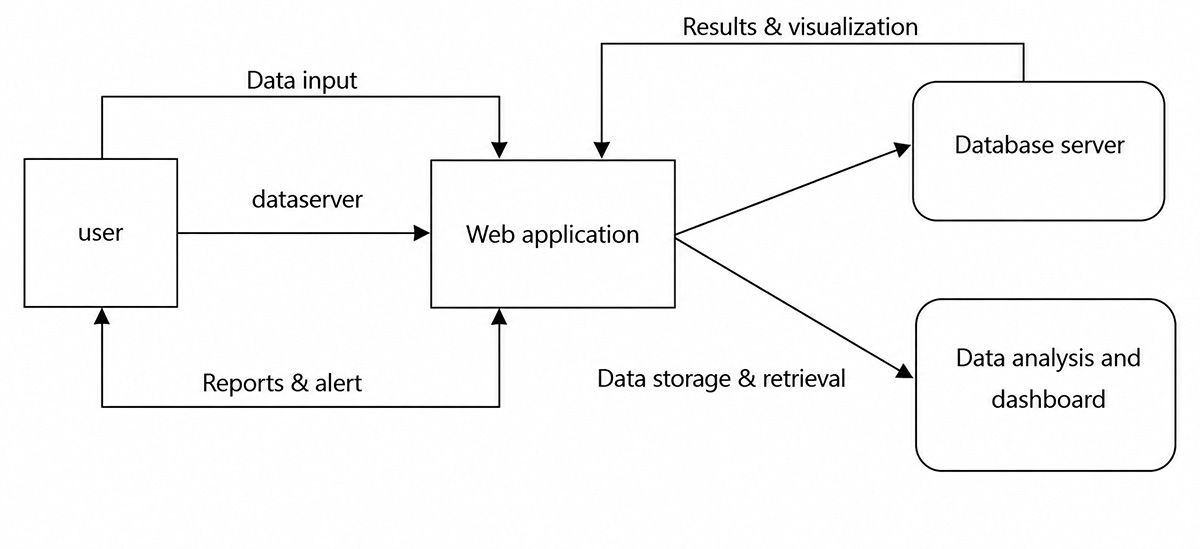
Smart Environmental Monitoring and Management System for Water Quality Using Web-Based Data Analysis
Open Access | Research Article | 05 September 2026
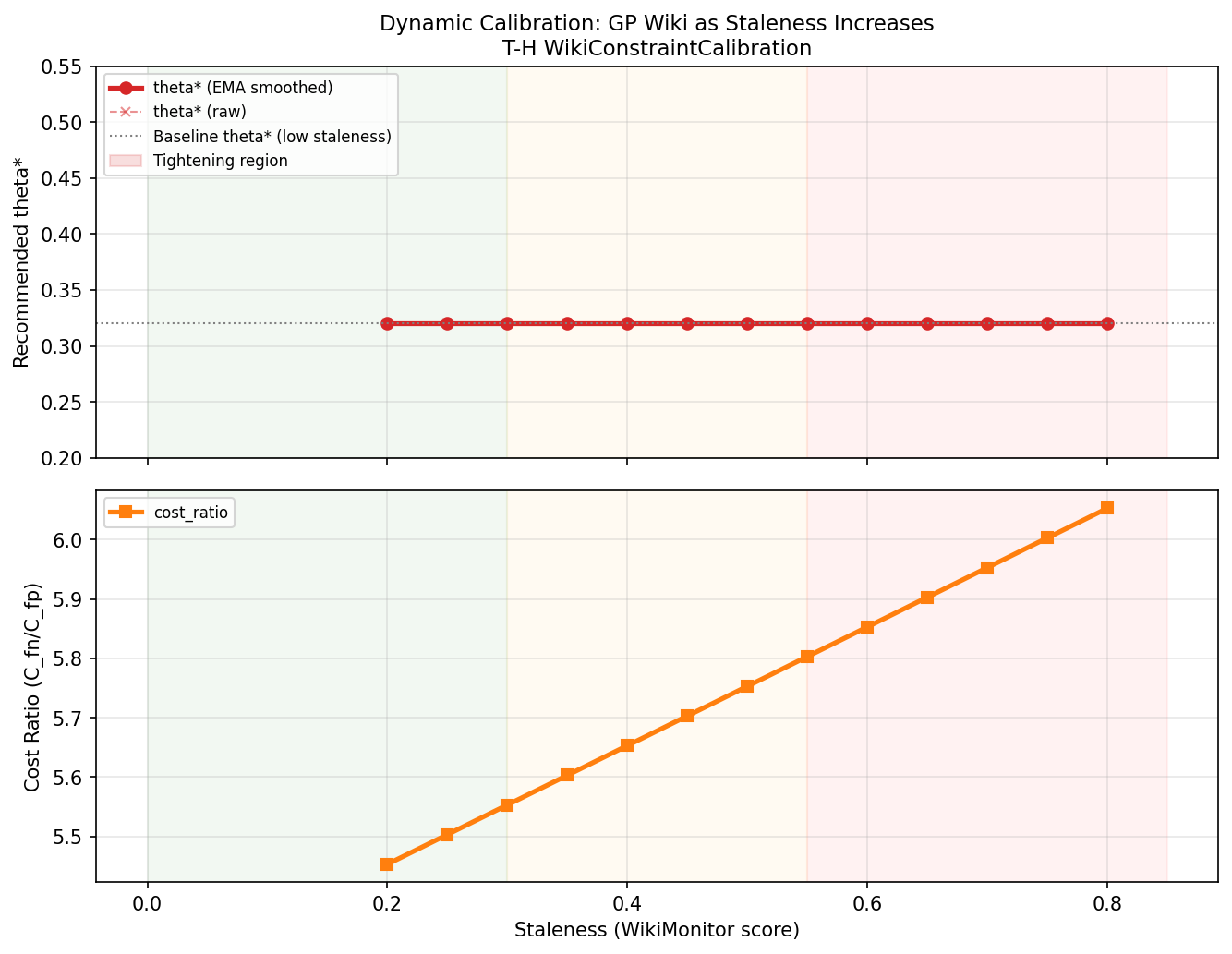
WikiConstraintCalibration: Content-Aware Cost Preference Estimation for Constraint Threshold Selection in Wiki-Grounded LLM Agents
Next-Generation Computing Systems and Technologies | Volume 2, Issue 3: 99-108, 2026 | DOI: 10.62762/NGCST.2026.503855
Abstract
Wiki-grounded LLM agents enforce output constraints through safety rules and scope boundaries derived from structured knowledge bases, yet selecting an appropriate constraint scorer threshold $\theta$ remains challenging. Since outputs are blocked when $s(o) \geq \theta$, a low threshold may over-restrict safe responses, whereas a high threshold may admit dangerous outputs. Existing approaches largely rely on manual, domain-agnostic tuning without systematically incorporating wiki content. This paper proposes WikiConstraintCalibration, a framework that extracts eight wiki-derived features spanning hazard indicators (dangerous assertion density, immediate-action fraction, domain risk prior, a... More >

Graphical Abstract
WikiConstraintCalibration: Content-Aware Cost Preference Estimation for Constraint Threshold Selection in Wiki-Grounded LLM Agents
Open Access | Research Article | 03 September 2026
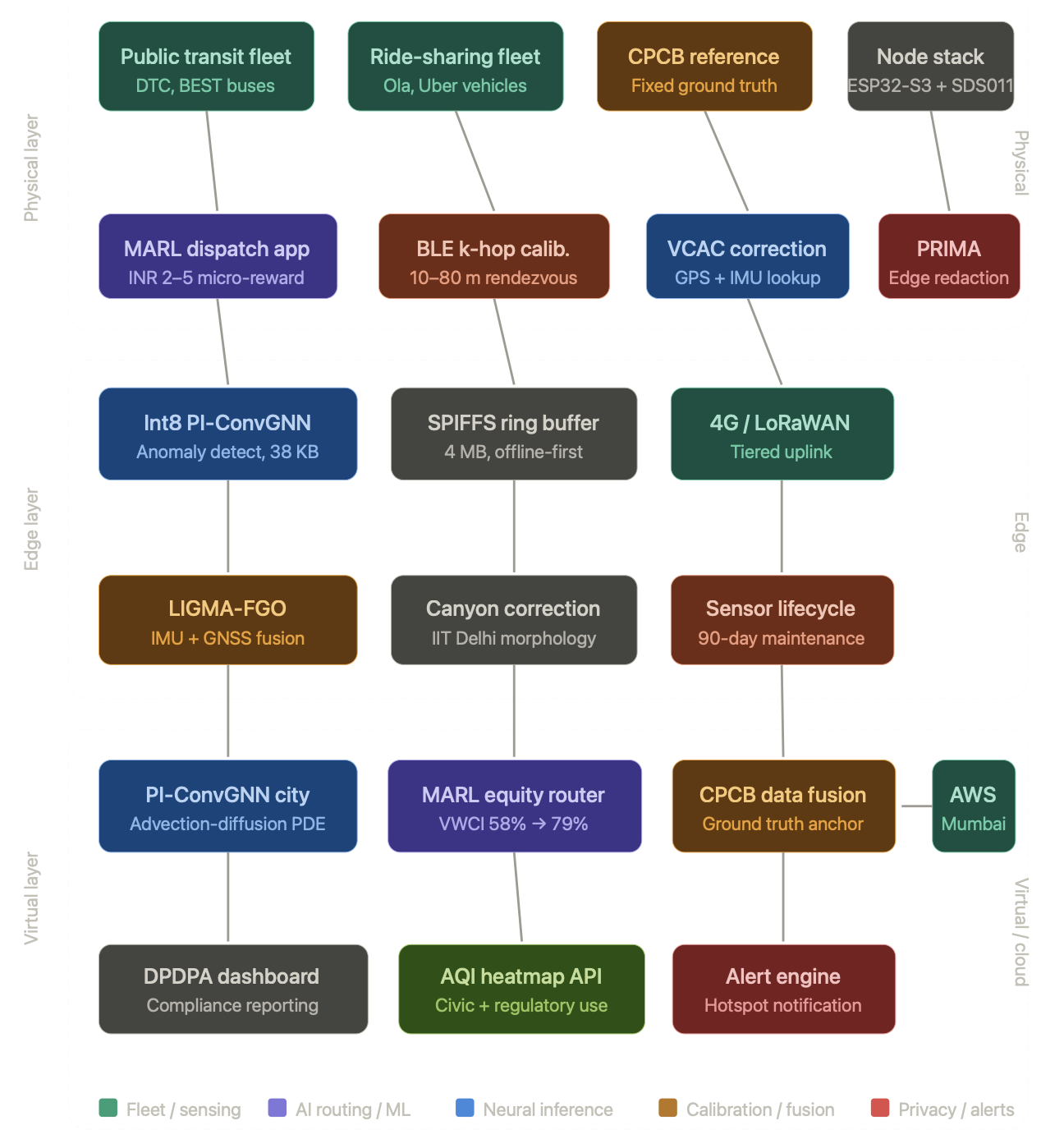
EcoPulse-India: An AIoT Framework for Scalable, Privacy-Compliant Urban Air Quality Monitoring on Public Transit Fleets
Next-Generation Computing Systems and Technologies | Volume 2, Issue 3: 89-98, 2026 | DOI: 10.62762/NGCST.2026.429196
Abstract
India's stationary air-quality monitoring network remains sparse, particularly in underserved urban and peri-urban areas. EcoPulse-India addresses this limitation by using public transit buses as mobile sensing platforms within an integrated artificial intelligence of things (AIoT) framework. The framework integrates velocity-compensated aerodynamic correction (VCAC), a physics-informed convolutional graph neural network (PI-ConvGNN), multi-agent reinforcement learning (MARL)-based coverage optimisation, and privacy-respecting inference and masking architecture (PRIMA). VCAC compensates for motion-related measurement bias using vehicle kinematic and environmental information, while the quant... More >

Graphical Abstract
EcoPulse-India: An AIoT Framework for Scalable, Privacy-Compliant Urban Air Quality Monitoring on Public Transit Fleets
Open Access | Research Article | 02 September 2026
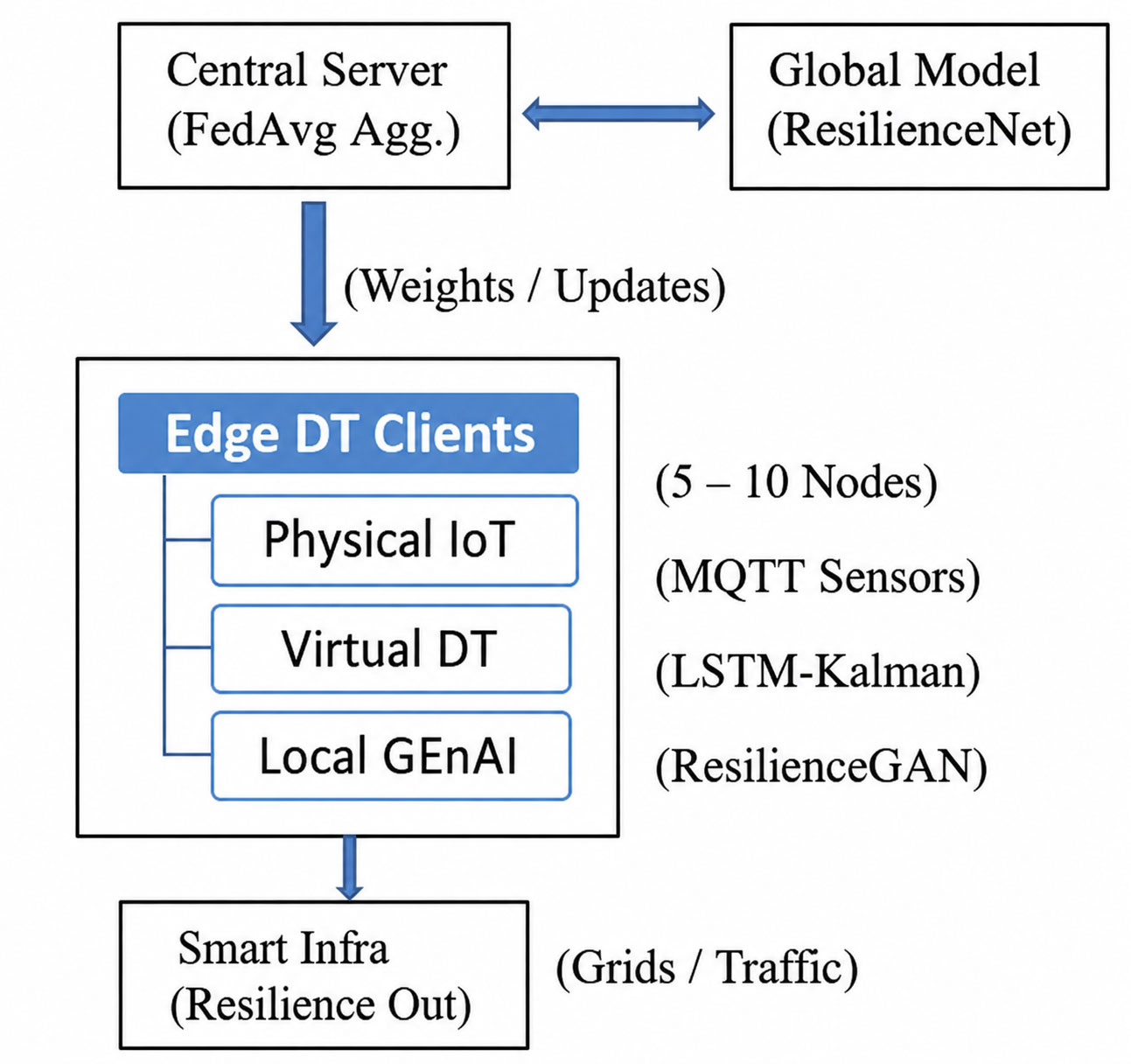
GenAI-Enhanced Federated Digital Twins for Predictive Resilience in IoT-Enabled Sustainable Smart Infrastructure
Next-Generation Computing Systems and Technologies | Volume 2, Issue 3: 76-88, 2026 | DOI: 10.62762/NGCST.2026.306047
Abstract
This study introduces GenAI-FDT (GenFedTwin Resilience), a decentralized architecture designed to address the growing vulnerability of IoT-enabled smart infrastructures to climate change, particularly in the context of data silos, strict privacy regulations, and the scarcity of ground-truth data for rare catastrophic events such as floods in Maharashtra. Unlike traditional centralized digital twins, which struggle with data heterogeneity and excessive communication costs, the proposed framework integrates quantized diffusion-based Generative AI, semi-supervised federated learning (FedProx), and lightweight LSTM-CNN digital twins deployed on resource-constrained edge devices like Raspberry Pi... More >

Graphical Abstract
GenAI-Enhanced Federated Digital Twins for Predictive Resilience in IoT-Enabled Sustainable Smart Infrastructure
Open Access | Research Article | 25 August 2026
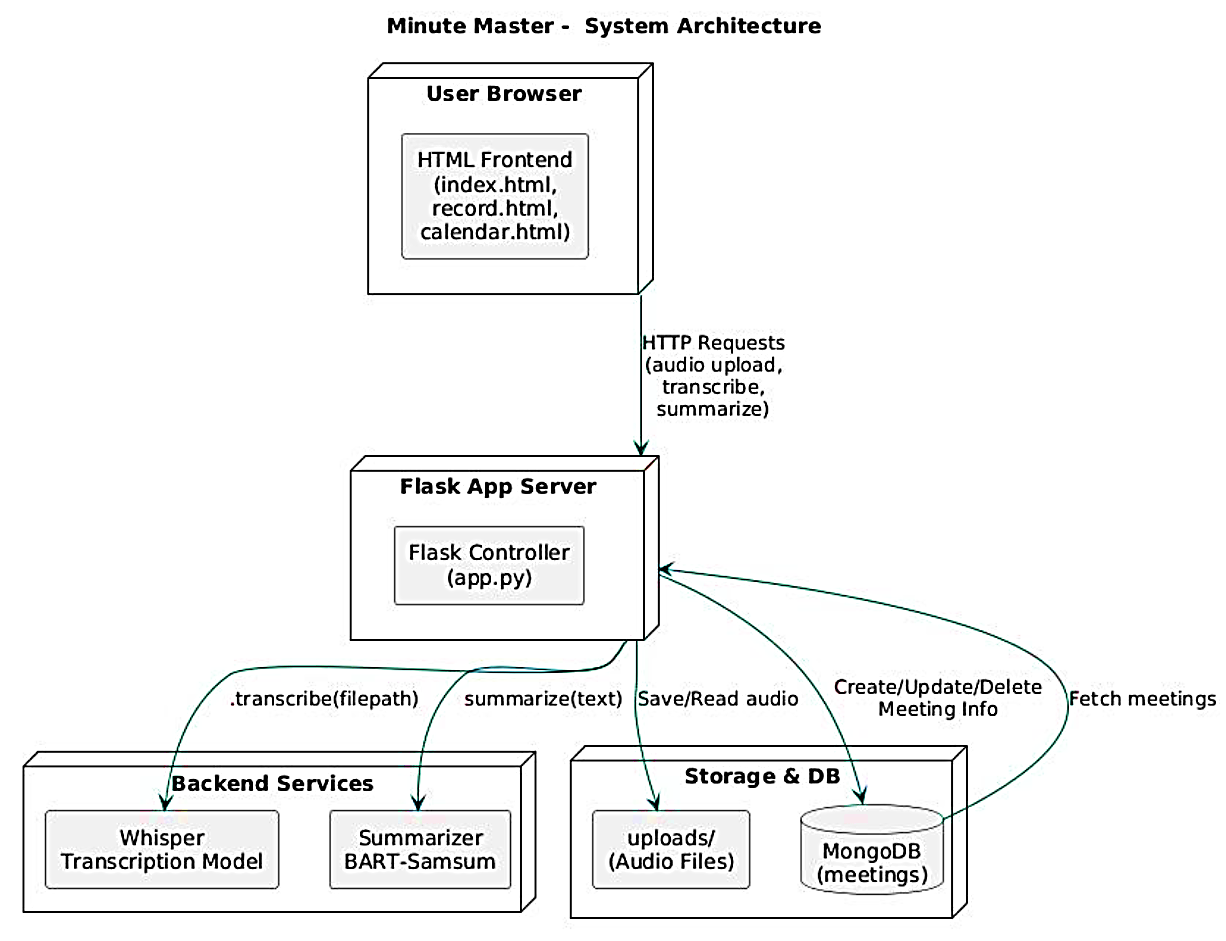
MinuteMaster: An AI-Powered Meeting Transcription and Scheduling System
Next-Generation Computing Systems and Technologies | Volume 2, Issue 3: 70-75, 2026 | DOI: 10.62762/NGCST.2026.350184
Abstract
Taking notes during meetings sounds easy, but in reality, people often miss key points—especially when multiple people are talking. Managing follow-ups in separate apps only adds to the hassle. MinuteMaster was built to simplify this. It's a web app that brings transcription, speaker identification, summarization, and scheduling into one place. It uses Whisper for multilingual speech-to-text, pyannote.audio to identify who's speaking, and BART to turn long transcripts into clear, short summaries. A built-in calendar helps users manage meetings without switching apps. We tested it on 30 recordings across English, Hindi, Telugu, Tamil, and mixed languages. Transcription accuracy ranged from... More >

Graphical Abstract
MinuteMaster: An AI-Powered Meeting Transcription and Scheduling System