


Next-Generation Computing Systems and Technologies

Publishing Model:
ISSN:
ISSN: 3070-3328
Next-Generation Computing Systems and Technologies is a peer-reviewed journal dedicated to publishing cutting-edge research in the field of advanced computing systems, emerging technologies, and their applications.
DOI Prefix: 10.62762/NGCST

Journal Metrics

-
Impact Factor
-
CiteScore

Recent Articles

Open Access | Review Article | 22 December 2025
A Comprehensive Review of Diffusion Models, Gaussian Splatting and Their Integration in Augmented and Virtual Reality
Next-Generation Computing Systems and Technologies | Volume 1, Issue 2: 102-112, 2025 | DOI: 10.62762/NGCST.2025.477710
Abstract
The new progress in text-to-3D technology has greatly changed and improved the artificial intelligence (AI) applications in augmented and virtual reality (AR/VR) environments. Many different techniques in 2024-2025 like diffusion models, Gaussian splatting, and physics aware models have helped the text-to-3D much better by improving the visual fidelity, semantic coherence, and generation efficiency. Some models like Turbo3D, Dive3D and Instant3D are deigned to make the 3D generation faster by improving the working process of diffusion models. Other frameworks like LAYOUTDREAMER, PhiP-G and CompGS focus on creating scenes that are well organized and structured. Dream Reward and Coheren Dream... More >

Graphical Abstract
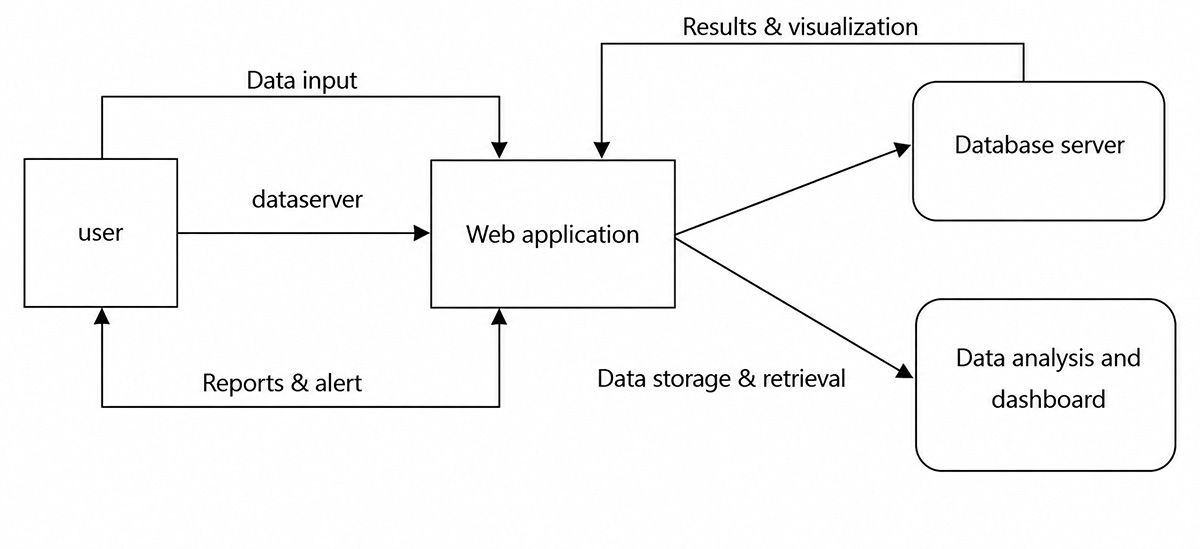
A Comprehensive Review of Diffusion Models, Gaussian Splatting and Their Integration in Augmented and Virtual Reality
Open Access | Research Article | 21 December 2025
A Framework for Secure and Interoperable Clinical Summarization Using the Model Context Protocol: Integrating MIMIC-III and FHIR with TinyLlama
Next-Generation Computing Systems and Technologies | Volume 1, Issue 2: 91-101, 2025 | DOI: 10.62762/NGCST.2025.784852
Abstract
This research presents a new framework for clinical summarization that combines the TinyLlama model with MIMIC-III and FHIR data using the Model Context Protocol (MCP). Unlike cloud-based models like Med-PaLM, our approach uses local processing to cut costs and protect patient data with AES-256 encryption and strict access controls, meeting HIPAA and GDPR standards. It retrieves FHIR-compliant data from public servers (e.g., \texttt{hapi.fhir.org}) for interoperability across hospital systems. Tested on discharge summaries, it achieves ROUGE-L F1 scores of 0.96 for MIMIC-III and 0.84 for FHIR, beating baselines like BioBERT (0.61, p < 0.001) due to efficient preprocessing and MCP’s accurat... More >

Graphical Abstract
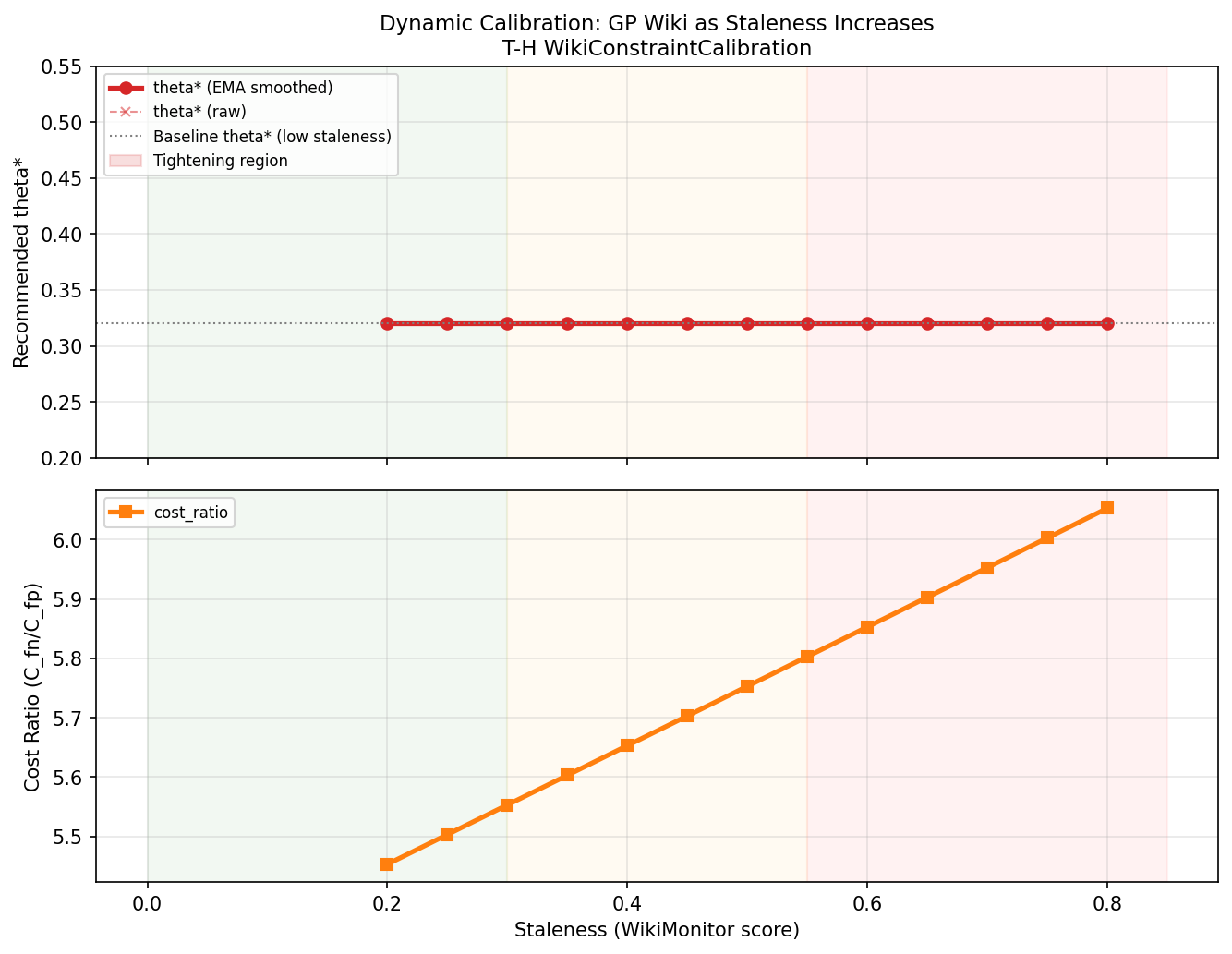
A Framework for Secure and Interoperable Clinical Summarization Using the Model Context Protocol: Integrating MIMIC-III and FHIR with TinyLlama
Open Access | Review Article | 14 December 2025
A Review on Privacy and Security in Dynamic Social Networks: Techniques, Challenges, and Future Directions
Next-Generation Computing Systems and Technologies | Volume 1, Issue 2: 79-90, 2025 | DOI: 10.62762/NGCST.2025.232051
Abstract
Owing to their dynamic user interactions, ever-changing structure, and real-time content changes, dynamic social networks pose significant privacy and security risks. The state of security and privacy-preserving techniques in these developing platforms is thoroughly examined in this study. We highlight the benefits and drawbacks of various approaches as we review recent studies on privacy-preserving tactics, security updates, and anonymisation methods. Important findings indicate that present approaches often fail in dynamic situations, even when they operate well in static network conditions. Beyond common problems, we also point out important security aspects influenced by hierarchical sys... More >

Graphical Abstract
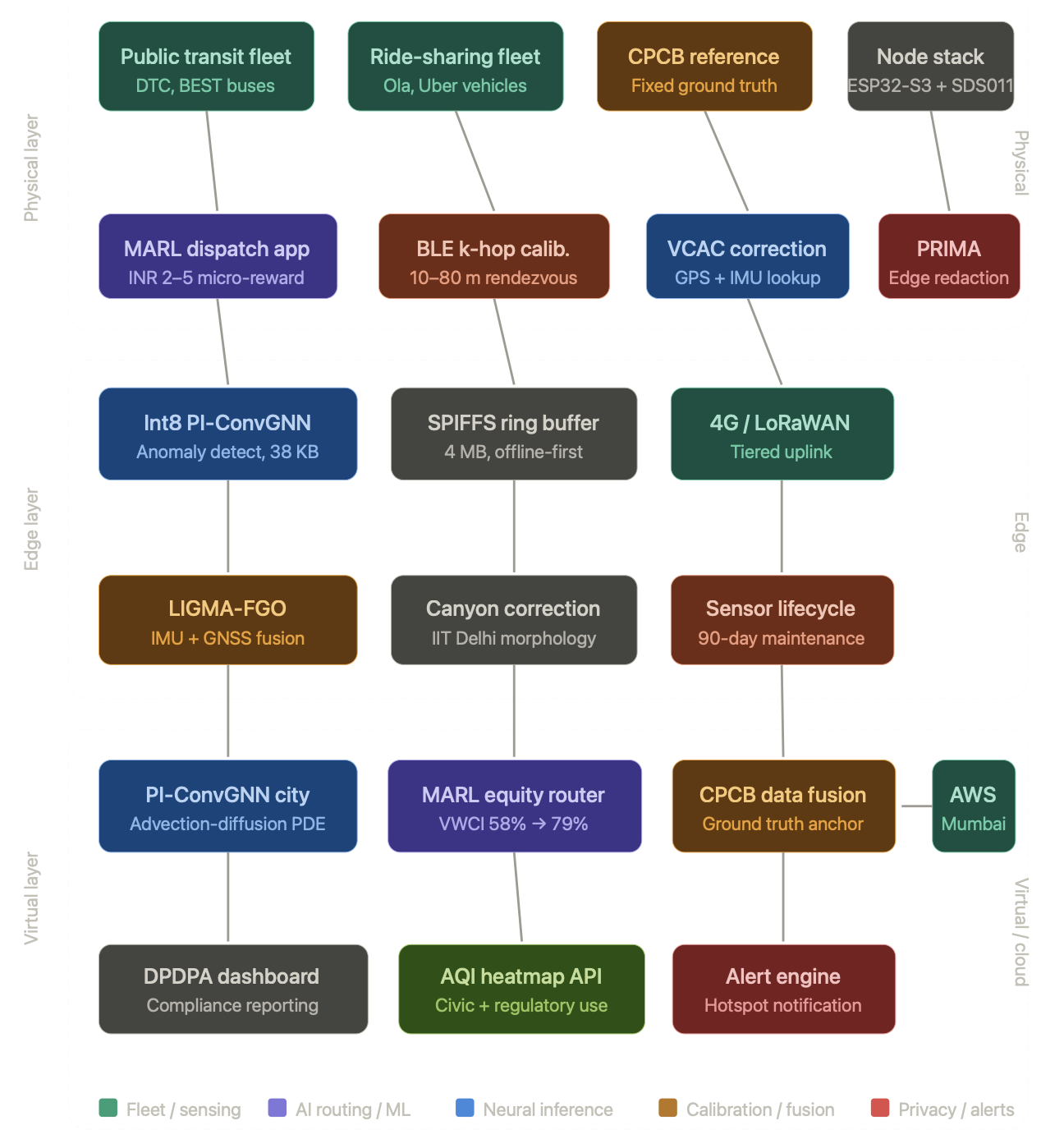
A Review on Privacy and Security in Dynamic Social Networks: Techniques, Challenges, and Future Directions
Open Access | Research Article | 08 December 2025
Dynamic Hybrid Recommendation Approach for Improving Accuracy in E-Commerce with Limited User Data
Next-Generation Computing Systems and Technologies | Volume 1, Issue 2: 62-78, 2025 | DOI: 10.62762/NGCST.2025.832339
Abstract
The 'Cold Start' problem, characterized by insufficient transaction history leading to inefficient personalization, represents one of the frequent challenges encountered in e-commerce systems. This issue, along with data sparsity resulting from limited product interactions, further complicates the reliability of conventional recommendation engines. The objective of this research is to design a novel hybridized recommendation system that enhances both security and suggestion accuracy by dynamically adapting to user interactions in digital environments. By leveraging contextual information and sequential user behavior patterns, the proposed method addresses gaps left by traditional recommender... More >

Graphical Abstract
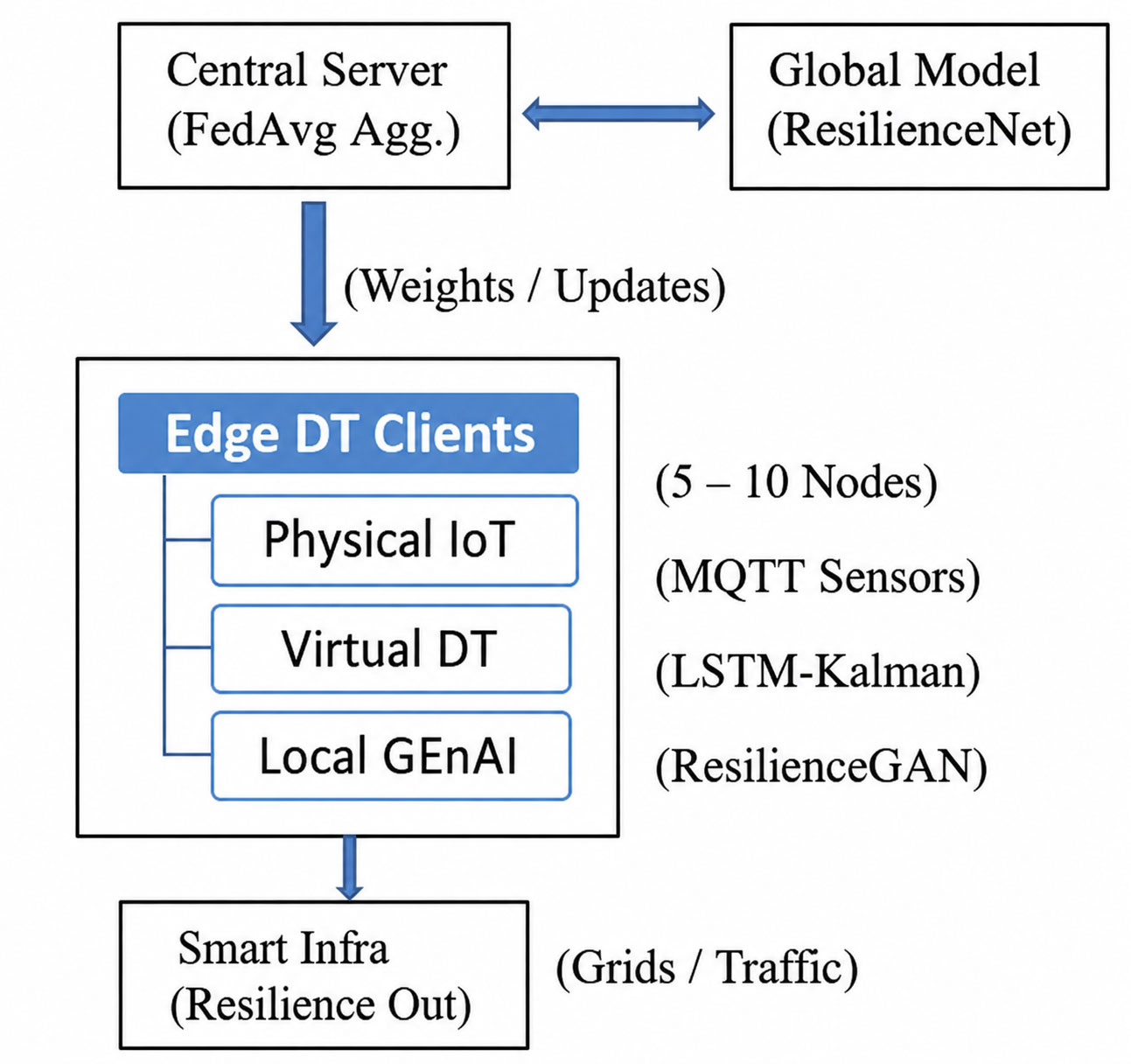
Dynamic Hybrid Recommendation Approach for Improving Accuracy in E-Commerce with Limited User Data
Open Access | Research Article | 07 December 2025
AI-driven Data Management of Traditional Tunisian Nutritional Dishes: A Cultural Heritage Conservation
Next-Generation Computing Systems and Technologies | Volume 1, Issue 2: 54-61, 2025 | DOI: 10.62762/NGCST.2025.714702
Abstract
The potential loss of traditional Tunisian dishes threatens the sustainability of valuable cultural and nutritional traditions. To help preserve this rich heritage, a conversational AI system has been developed that employs advanced language processing and machine learning techniques to bring Tunisia’s culinary traditions to life in a digital space. Multilingual transformer models have been adapted to understand Tunisian dialects and combined with a detailed Food Heritage Knowledge Graph, allowing personalized, interactive access to authentic recipes and the stories behind them. A hybrid dialogue system operated by a chatbot has been implemented to ensure smooth, meaningful conversations t... More >

Graphical Abstract
AI-driven Data Management of Traditional Tunisian Nutritional Dishes: A Cultural Heritage Conservation
Open Access | Research Article | 23 October 2025
Development of an Intelligent Agricultural Decision Support System for Crop Recommendation Using Machine Learning Techniques
Next-Generation Computing Systems and Technologies | Volume 1, Issue 1: 43-53, 2025 | DOI: 10.62762/NGCST.2025.340075
Abstract
Agriculture plays a fundamental role in sustaining the global economy and ensuring food security, yet farmers often rely on intuition and traditional practices for crop selection, leading to inefficiencies in yield and resource utilization. This research proposes a machine learning-based system for smart crop prediction and recommendation, aimed at enhancing precision agriculture through data-driven decision-making. The study integrates historical datasets containing soil parameters (pH, nitrogen, phosphorus, potassium) and climatic factors (temperature, humidity, rainfall) with real-time environmental data fetched via APIs. Multiple machines learning models, including Decision Trees, Suppor... More >

Graphical Abstract
Development of an Intelligent Agricultural Decision Support System for Crop Recommendation Using Machine Learning Techniques
Open Access | Research Article | 22 October 2025
AI-Powered Detection and Quantification of Local Date Varieties Using YOLO: Toward Intelligent Supply Chain Integration in Agri-Food Technology
Next-Generation Computing Systems and Technologies | Volume 1, Issue 1: 33-42, 2025 | DOI: 10.62762/NGCST.2025.936740
Abstract
This study presents an AI-powered approach to enhance quality control and traceability in the agri-food sector, focusing on the automated detection and classification of two Tunisian date varieties: Deglet Nour and "Bsir". The main objective is to develop a smart system that can quantitatively and qualitatively determine the proportion of any contamination of one variety by the other within a batch. To achieve this, state-of-the-art object detection YOLO models, v8 and v12, have been employed, trained on a custom annotated dataset which includes a wide range of real-world images, capturing the variability in the studied date fruit size, shape, and presentation. Both YOLO models were fine-tun... More >

Graphical Abstract

AI-Powered Detection and Quantification of Local Date Varieties Using YOLO: Toward Intelligent Supply Chain Integration in Agri-Food Technology
Open Access | Research Article | 13 October 2025
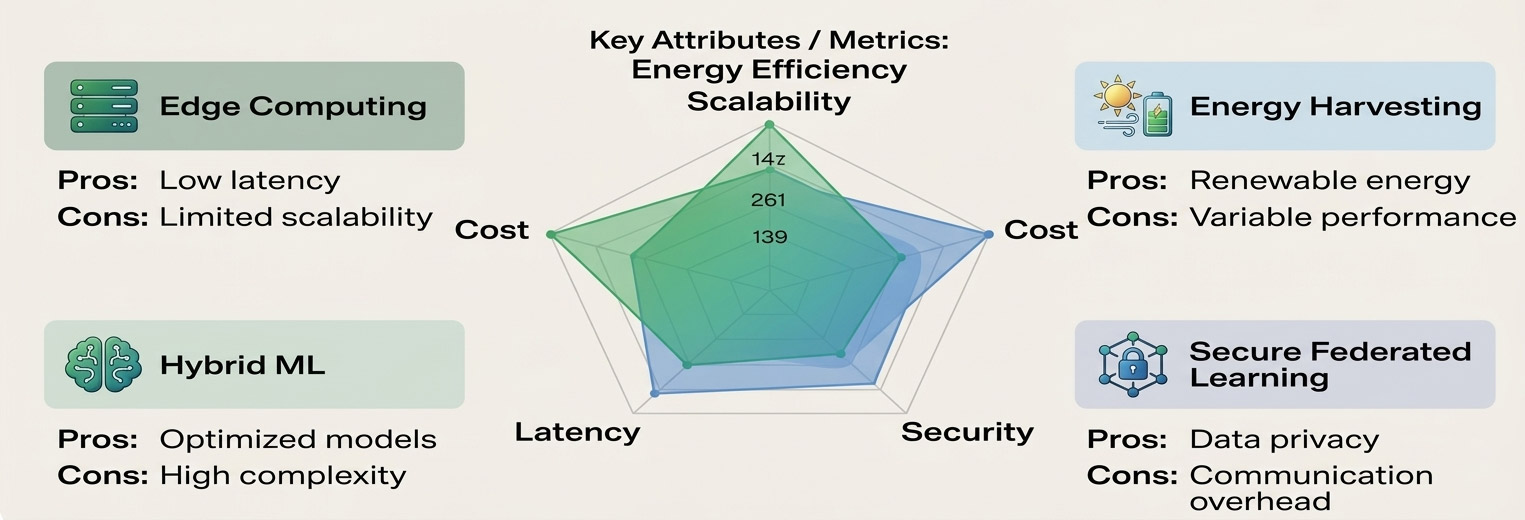
A Graph-Aware Attention-Driven Ensemble Model for Robust Anomaly Detection in 6G-Enabled Wireless Sensor Networks
Next-Generation Computing Systems and Technologies | Volume 1, Issue 1: 18-32, 2025 | DOI: 10.62762/NGCST.2025.333764
Abstract
The integration of sixth-generation (6G) networks with Wireless Sensor Networks (WSNs) creates unprecedented opportunities for developing secure and scalable smart city infrastructures. However, the proliferation of heterogeneous devices and exponential data growth demand more robust security solutions. While existing hybrid deep learning approaches combining convolutional, recurrent, and attention-based architectures show promise in attack detection, they face limitations including high false-positive rates, inadequate modeling of topological dependencies, and vulnerability to adversarial attacks. This paper presents an enhanced intrusion detection framework that integrates Graph Neural Net... More >

Graphical Abstract
A Graph-Aware Attention-Driven Ensemble Model for Robust Anomaly Detection in 6G-Enabled Wireless Sensor Networks
Open Access | Review Article | 11 October 2025
A Comprehensive Review on Techniques in Sentiment Analysis for Improving Teaching and Learning through Students’ Feedback
Next-Generation Computing Systems and Technologies | Volume 1, Issue 1: 11-17, 2025 | DOI: 10.62762/NGCST.2025.927566
Abstract
Getting feedback from the students in education is the key to improving the learning experience in education, but reading through hundreds of feedback forms can be overwhelming. Sentiment Analysis (SA), which is a NLP (Natural Language Processing) technique, comes in interprets the emotions and opinions behind their feedback. This review explores how various technologies like machine learning and NLP are being used to understand student opinions about teaching quality, course materials, assignments, exams, instructional behavior and overall learning experience. Sentiment analysis helps educators understand student concerns, thereby improving the learning experience and promoting a student-ce... More >

Graphical Abstract

A Comprehensive Review on Techniques in Sentiment Analysis for Improving Teaching and Learning through Students’ Feedback
Open Access | Review Article | 09 October 2025
Next-Generation Computing Technology for Electric Vehicle Manufacturing – Concept, Challenges and Future Research
Next-Generation Computing Systems and Technologies | Volume 1, Issue 1: 1-10, 2025 | DOI: 10.62762/NGCST.2025.183832
Abstract
The electric vehicle (EV) manufacturing industry rapidly progresses from Industry 4.0 to Industry 5.0, next-generation computing technologies are emerging as disruptive enablers. This paper explores about the advanced computing paradigms to improve efficiency, robustness and adaptation across EV manufacturing ecosystems in the revolved vehicle industry in order to satisfy the increasing needs of intelligent automation, real-time decision-making and sustainable production. Through the integration of industrial case studies, literature reviews and rigorous technology mapping, the paper work validates the potential of these technologies to optimize resource utilization, speed up computer operat... More >

Graphical Abstract
Next-Generation Computing Technology for Electric Vehicle Manufacturing – Concept, Challenges and Future Research

Journal Statistics

26
Authors
2
Countries / Regions
10
Articles
0
Citations
2025
Published Since
0
Special Issues
5,814
Article Views
1,963
Article Downloads
Next-Generation Computing Systems and Technologies
eISSN: 3070-3328
Crossref
Crossref
Member of Crossref
Visit Crossref →