

ICCK Transactions on Intelligent Systematics

Publishing Model:
ISSN:
Online ISSN: 3068-5079 | Print ISSN: 3069-003X
Indexing: Google Scholar, Dimensions, Lens, ResearchGate, OpenAlex, WorldCat
ICCK Transactions on Intelligent Systematics is a peer-reviewed academic journal dedicated to advancing the theory, methodology, and innovative applications of intelligent systems.
DOI Prefix: 10.62762/TIS

Journal Metrics

-
Impact Factor
-
CiteScore

Recent Articles

Free Access | Research Article | 23 September 2024 | Cited: Crossref logo  8 , Scopus 5
Signal Strength-Based Alien Drone Detection and Containment in Indoor UAV Swarm Simulations
ICCK Transactions on Intelligent Systematics | Volume 1, Issue 2: 69-78, 2024 | DOI: 10.62762/TIS.2024.807714
Abstract
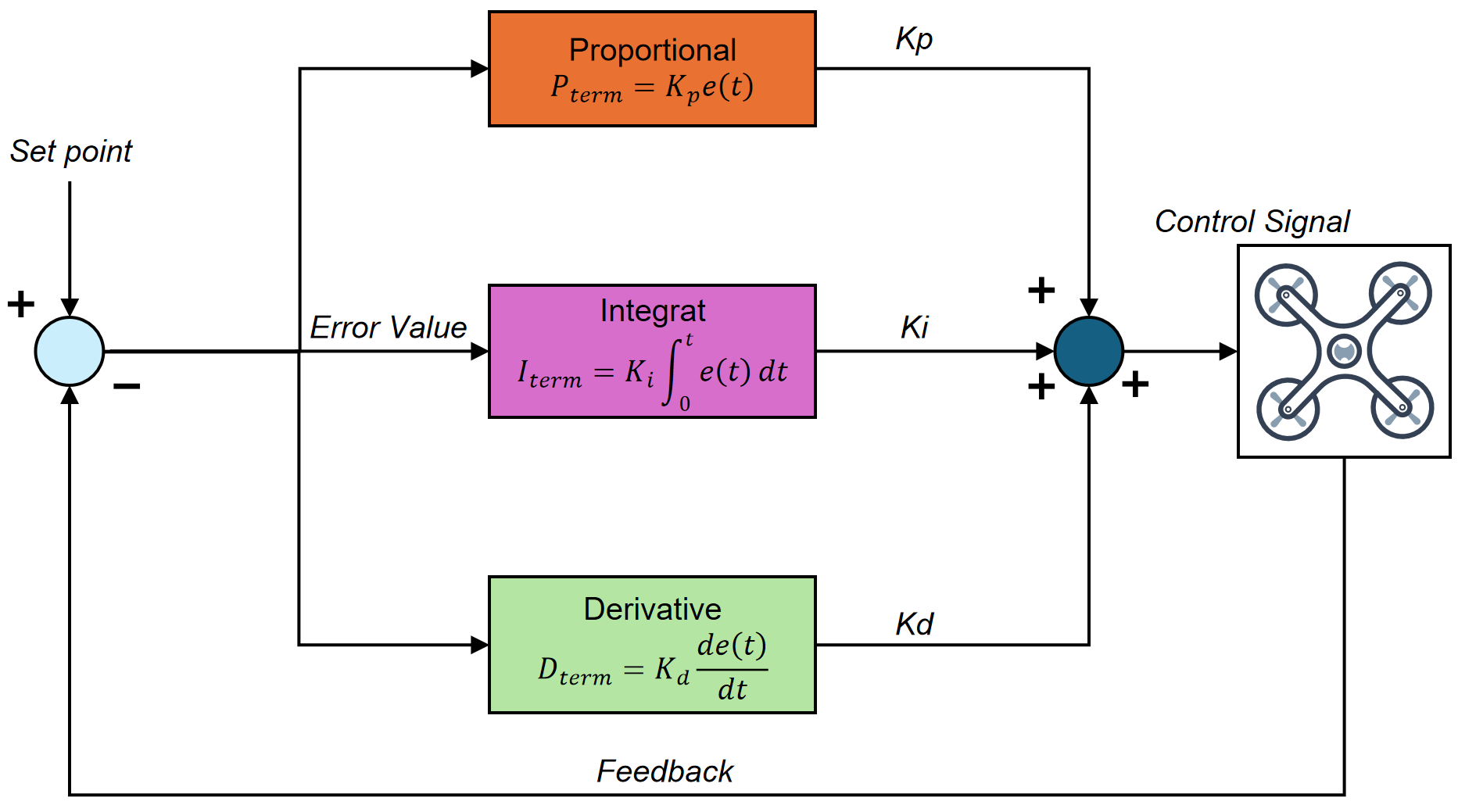
A Novel simulation framework using autonomous drones is used to locate and reduce unauthorized drones in interior environments. The recommended method uses Received Signal Strength Indicator (RSSI) to identify an alien agent drone, which has different signal characteristics than the approved swarm of UAVs. Real-time threat detection is possible with this technology. After detecting the drone, the swarm organizes itself to encircle and contain it for 20 seconds, rendering it immobilized, before the swarm returns to its original formation. This unique solution uses RSSI to quickly identify and mitigate enclosed area concerns. It provides a reliable and effective indoor drone security solution.... More >

Graphical Abstract

Signal Strength-Based Alien Drone Detection and Containment in Indoor UAV Swarm Simulations
Free Access | Review Article | 23 September 2024 | Cited: Crossref logo  9 , Scopus 9
Modeling Brain Functional Networks Using Graph Neural Networks: A Review and Clinical Application
ICCK Transactions on Intelligent Systematics | Volume 1, Issue 2: 58-68, 2024 | DOI: 10.62762/TIS.2024.680959
Abstract
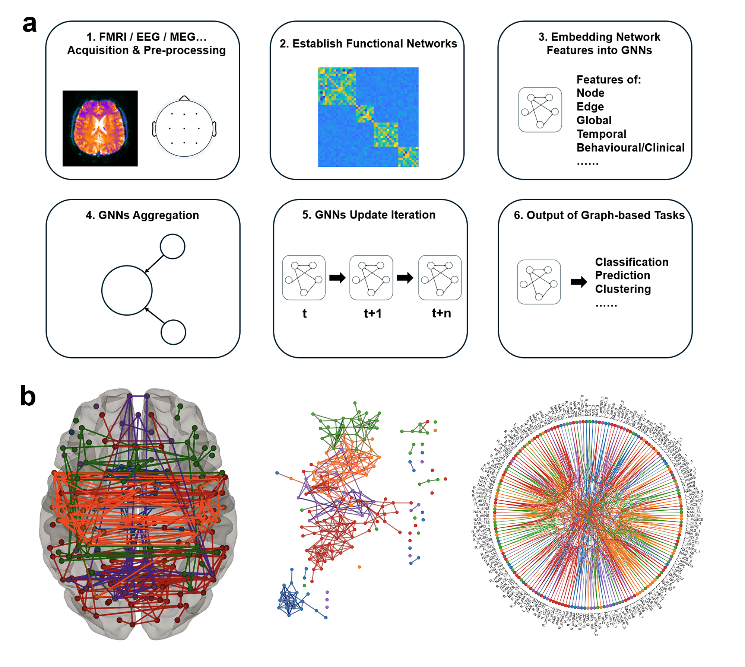
The integration of graph neural networks (GNNs) with brain functional network analysis is an emerging field that combines neuroscience and machine learning to enhance our understanding of complex brain dynamics. The review first briefly introduces the fundamentals of brain functional networks, followed by an overview of Graph Neural Network principles and architectures. The review then focuses on the applications of these networks and address current challenges in the field, such as the need for interpretable models and effective integration of multi-modal neuroimaging data. We also highlight the potential of GNNs in clinical areas such as perimenopausal depression research, demonstrating th... More >

Graphical Abstract

Modeling Brain Functional Networks Using Graph Neural Networks: A Review and Clinical Application
Free Access | Research Article | 20 September 2024 | Cited: Crossref logo  7 , Scopus 5
A Cyber-Physical System Based on On-Board Diagnosis (OBD-II) for Smart City
ICCK Transactions on Intelligent Systematics | Volume 1, Issue 2: 49-57, 2024 | DOI: 10.62762/TIS.2024.329126
Abstract
This paper proposes designing and structuring a Cyber-Physical System (CPS) with a specific focus on vehicles equipped with on-board diagnosis (OBD-II). The purpose of the CPS is to collect and assess data pertaining to the vehicle's Electronic Control Unit (ECU), such as engine RPM, speed, and other relevant parameters. The OBD-II scanner utilizes the obtained data on mass airflow (MAF) and vehicle speed to compute $CO_{2}$ gas emissions and fuel consumption. The data is wirelessly communicated using a GSM module to a Semantic Web. The CPS also uses GPS tracking to ascertain the vehicle's whereabouts. A Semantic Web is utilized to construct a database management system that stores and manag... More >

Graphical Abstract

A Cyber-Physical System Based on On-Board Diagnosis (OBD-II) for Smart City
Free Access | Research Article | 29 May 2024 | Cited: Crossref logo  23 , Scopus 23
Parameter Adaptive Non-Model-Based State Estimation Combining Attention Mechanism and LSTM
ICCK Transactions on Intelligent Systematics | Volume 1, Issue 1: 40-48, 2024 | DOI: 10.62762/TIS.2024.137329
Abstract
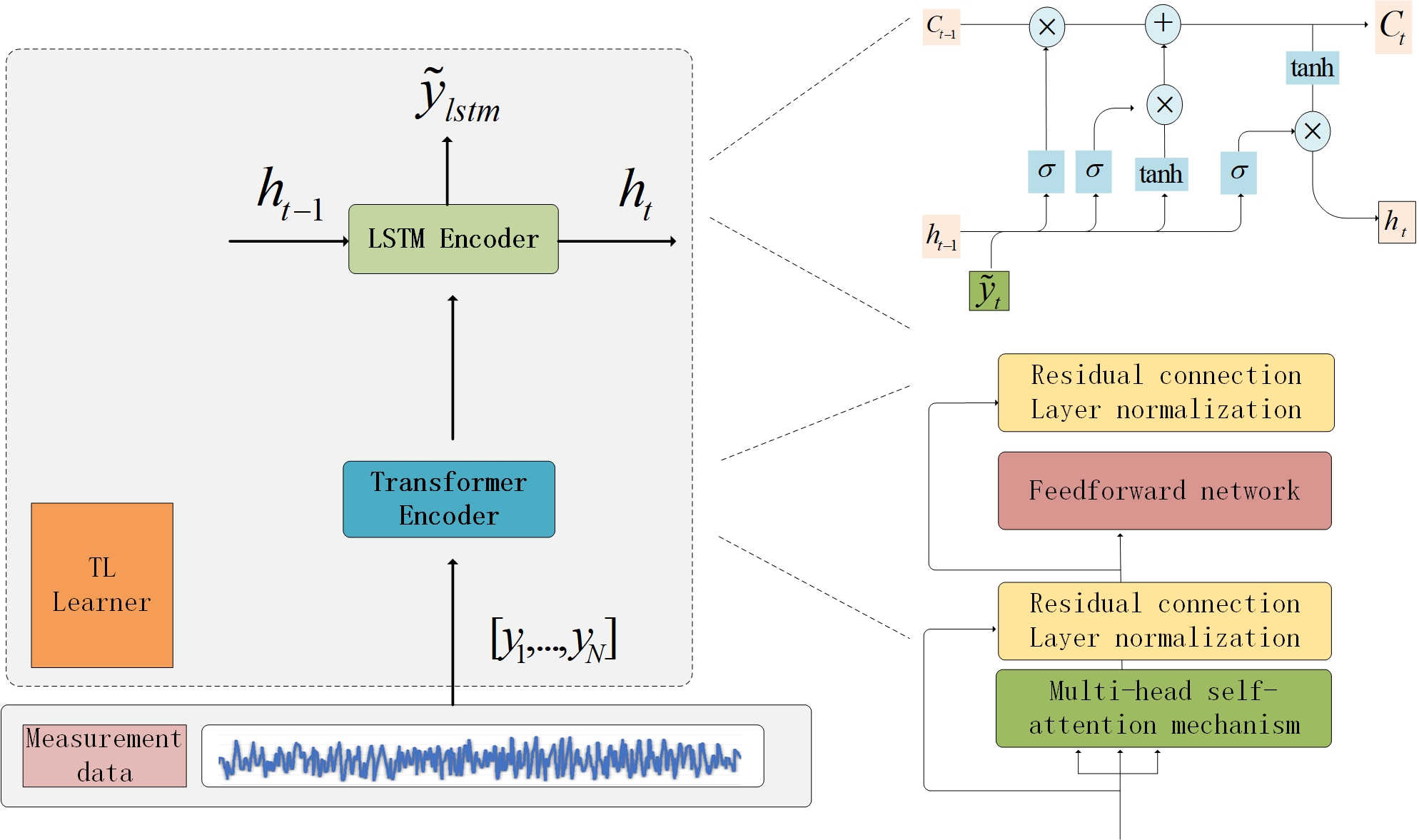
Nowadays, state estimation is widely used in fields such as autonomous driving and drone navigation. However, in practical applications, it is difficult to obtain accurate target motion models and noise covariance. This leads to a decrease in the estimation accuracy of traditional Kalman filters. To address this issue, this paper proposes an adaptive model free state estimation method based on attention parameter learning module. This method combines Transformer's encoder with Long Short Term Memory Network (LSTM), and obtains the system's operational characteristics through offline learning of measurement data without modeling the system dynamics and measurement characteristics. In addition... More >

Graphical Abstract
Parameter Adaptive Non-Model-Based State Estimation Combining Attention Mechanism and LSTM
Free Access | Research Article | 27 May 2024 | Cited: Crossref logo  17 , Scopus 16
YOLOv7-Bw: A Dense Small Object Efficient Detector Based on Remote Sensing Image
ICCK Transactions on Intelligent Systematics | Volume 1, Issue 1: 30-39, 2024 | DOI: 10.62762/TIS.2024.137321
Abstract
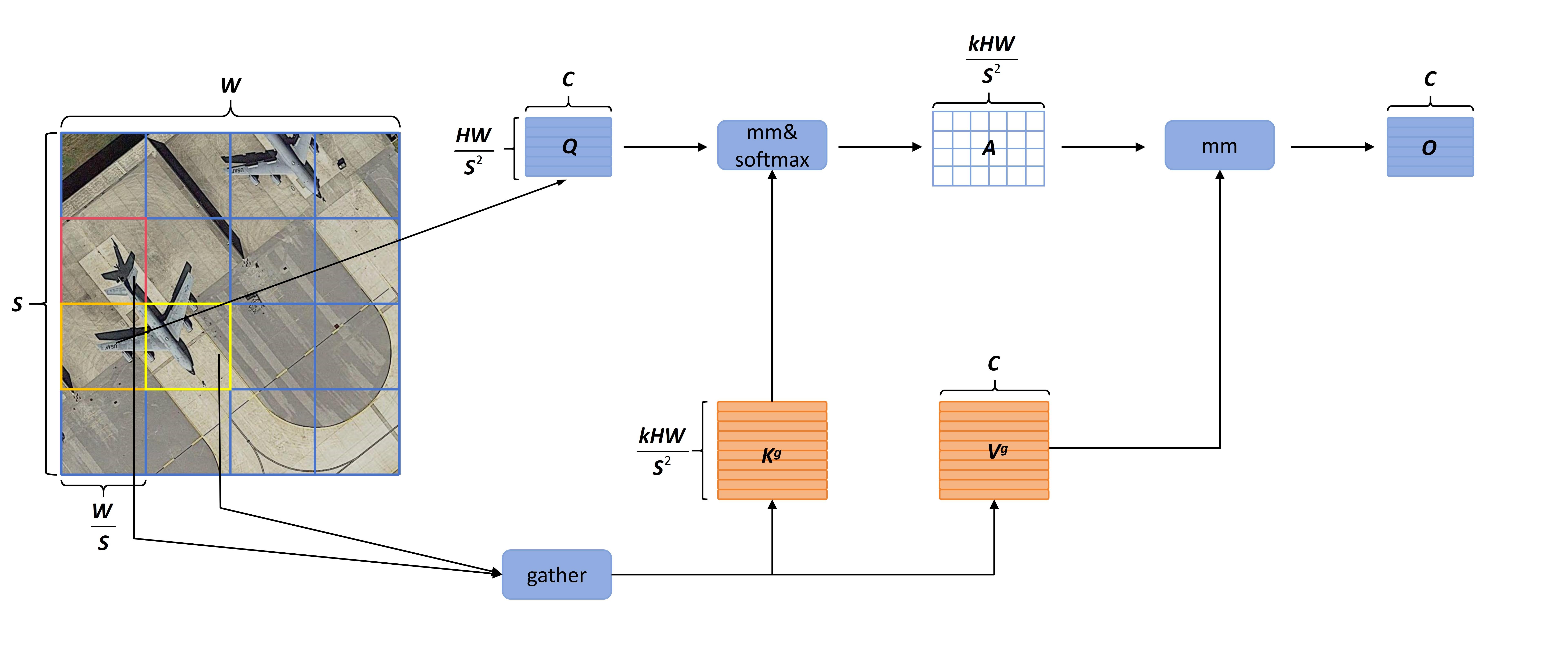
In recent years, deep learning techniques have been increasingly applied to the detection of remote sensing images. However, the substantial size variation and dense distribution of objects in these images present significant challenges to detection algorithms. Current methods often suffer from low efficiency, missed detections, and inaccurate bounding boxes. To address these issues, this paper presents an improved YOLO algorithm, YOLOv7-bw, designed for efficient remote sensing image detection, thereby advancing object detection applications in the remote sensing industry. YOLOv7-bw enhances the original SPPCSPC pooling pyramid network by incorporating a Bi-level Routing Attention module, w... More >

Graphical Abstract

YOLOv7-Bw: A Dense Small Object Efficient Detector Based on Remote Sensing Image
Free Access | Research Article | Feature Paper | 26 May 2024 | Cited: Crossref logo  5 , Scopus 4
Pedestrian Trajectory Reconstruction for Indoor Movement Based on Foot-Mounted IMU
ICCK Transactions on Intelligent Systematics | Volume 1, Issue 1: 19-29, 2024 | DOI: 10.62762/TIS.2024.136995
Abstract
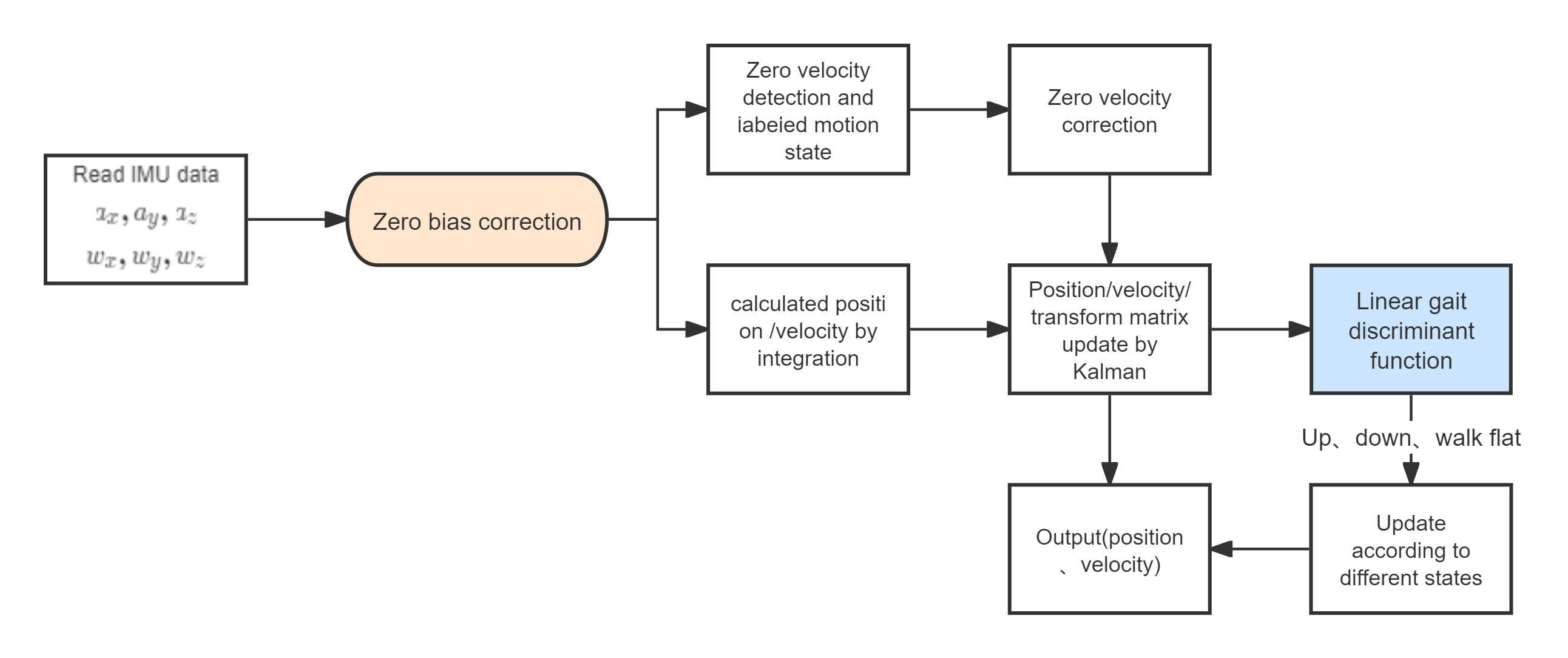
A pedestrian navigation system (PNS) that only relies on the foot-mounted IMU is useful for various applications, especially under some severe conditions, such as tracking of firefighters and miners. Due to the complexity of the indoor environment, signal occlusion problems could lead to the failure of certain positioning methods. In complex environments such as fire rescue and emergency rescue, the barometric altimeter fails because of the influence of air pressure and temperature. This paper used an improved zero velocity detection algorithm to improve the accuracy of gait detection. Then, combine the Kalman filter with the zero velocity update algorithm to recognize gait accurately and ta... More >

Graphical Abstract

Pedestrian Trajectory Reconstruction for Indoor Movement Based on Foot-Mounted IMU
Free Access | Research Article | 25 May 2024 | Cited: Crossref logo  13 , Scopus 13
Deep Prediction Network Based on Covariance Intersection Fusion for Sensor Data
ICCK Transactions on Intelligent Systematics | Volume 1, Issue 1: 10-18, 2024 | DOI: 10.62762/TIS.2024.136898
Abstract
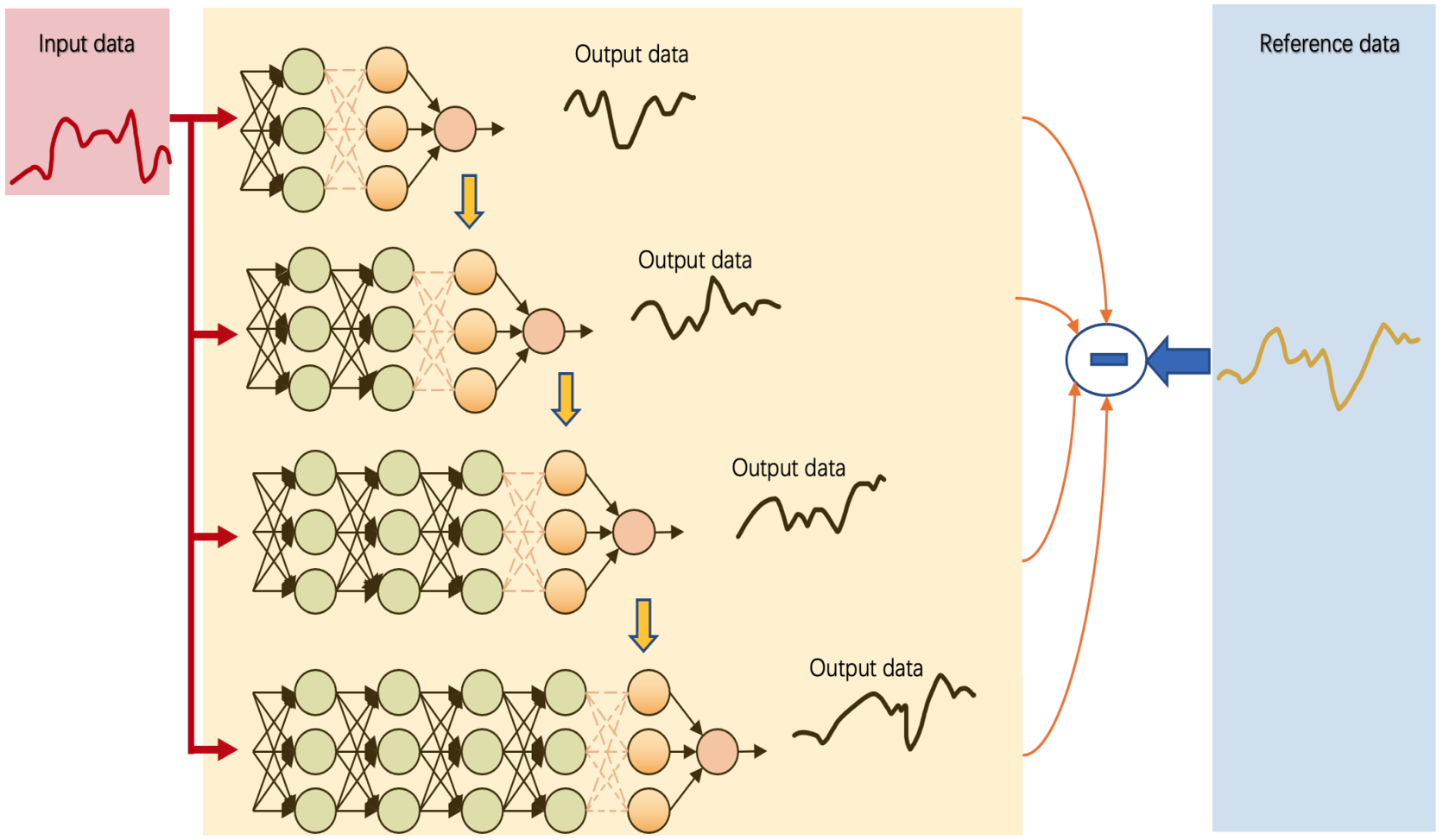
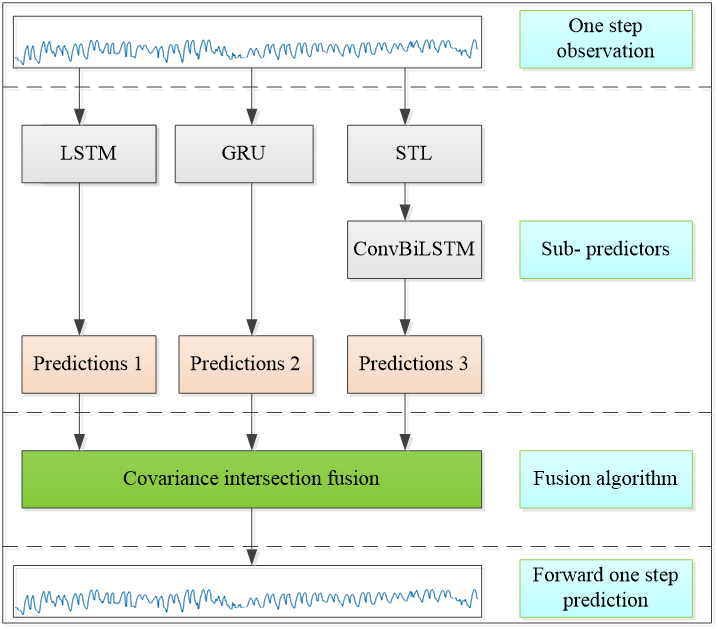
To predict future trends based on the data from sensors is an important technology for many applications, such as the Internet of Things, smart cities, etc. Based on the predicted results, further decisions and system controls can be made. Raw sensor data sets are often complex non-linear data with noise, which results in the difficulty of accurate prediction. This paper proposes a distributed deep prediction network based on a covariance intersection (CI) fusion algorithm in which the deep learning networks, such as long short-term memory networks (LSTM) and gated recurrent unit networks (GRU) are fused by CI fusion algorithm to effectively improve the performance of prediction. Moreover, t... More >

Graphical Abstract
Deep Prediction Network Based on Covariance Intersection Fusion for Sensor Data
Free Access | Research Article | 15 May 2024 | Cited: Crossref logo  15 , Scopus 16
Visual Feature Extraction and Tracking Method Based on Corner Flow Detection
ICCK Transactions on Intelligent Systematics | Volume 1, Issue 1: 3-9, 2024 | DOI: 10.62762/TIS.2024.136895
Abstract
Front-end feature tracking based on vision is the process in which a robot captures images of its surrounding environment using a camera while in motion. Each frame of the image is then analyzed to extract feature points, which are subsequently matched between pairwise frames to estimate the robot’s pose changes by solving for the variations in these points. While feature matching methods that rely on descriptor-based approaches perform well in cases of significant lighting and texture variations, the addition of descriptors increases computational cost and introduces instability. Therefore, in this paper, a novel approach is proposed that combines sparse optical flow tracking with Shi-Tom... More >

Graphical Abstract

Visual Feature Extraction and Tracking Method Based on Corner Flow Detection

Journal Statistics

181
Authors
21
Countries / Regions
49
Articles
Scopus: 302
Citations
2024
Published Since
184,797
Article Views
36,004
Article Downloads
ICCK Transactions on Intelligent Systematics
eISSN: 3068-5079 | pISSN: 3069-003X
Crossref
Crossref
Member of Crossref
Visit Crossref →