ICCK

Fida Muhammad Khan

Department of Computer Science, Qurtuba University of Science & Information Technology, 25000 Peshawar, Pakistan

Section 01

Academic Profile

Fida Muhammad Khan is currently pursuing a Ph.D. in Computer Science at Qurtuba University of Science and Information Technology, Peshawar, Pakistan. He did his MS in Computer Science at the University of Science and Technology, Bannu, Pakistan. His research interests include Data Mining, Cybersecurity, IoT, Machine Learning, Deep Learning, and Natural Language Processing (NLP).

Section 02

Editorial Roles

This user currently does not serve as an editor for any ICCK journals.

Section 03

ICCK Publications

Open Access | Research Article | 29 August 2025 | Cited: Crossref logo  8 , Scopus 9
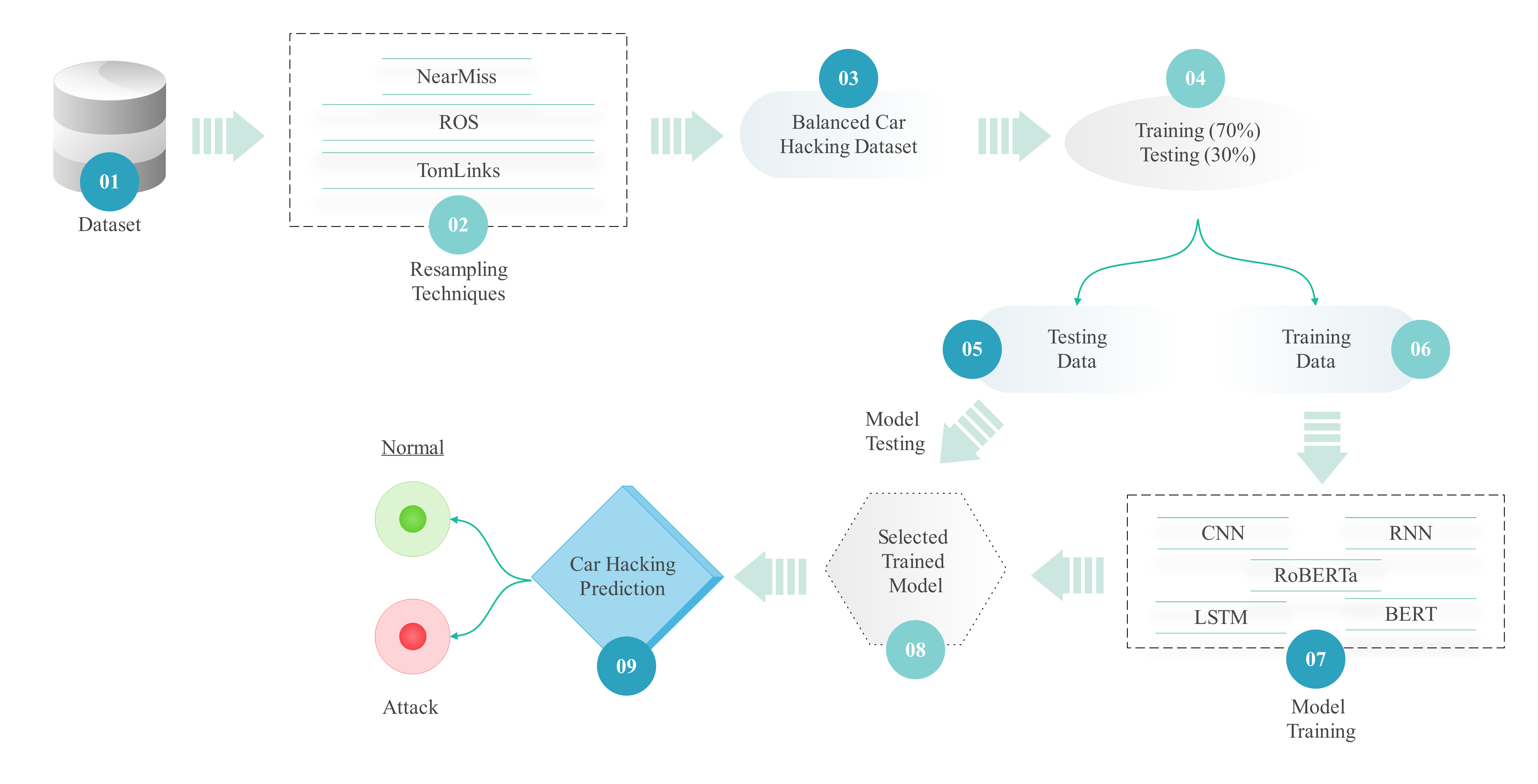
Intelligent Cyber-Attack Detection for Autonomous Vehicles Using Advanced Deep Learning Models
ICCK Transactions on Advanced Computing and Systems | Volume 1, Issue 3: 180-192, 2025 | DOI: 10.62762/TACS.2025.952297
Abstract
The Internet of Vehicles (IoV) has greatly influenced transportation by allowing autonomous vehicles to interact and communicate with other cars as well as with the surrounding traffic system. Even so, being interconnected comes with risks in terms of cyber attacks, for example, by injecting messages or fooling sensors through CAN systems. The study, consequently, suggests an Intrusion Detection System (IDS) that uses Convolutional Neural Networks (CNN), Recurrent Neural Networks (RNN), Long Short-Term Memory (LSTM), Bidirectional Encoder Representations from Transformers (BERT), and RoBERTa, to properly detect and handle these cyber threats. To solve the problem of unbalanced data, we use R... More >

Graphical Abstract
Intelligent Cyber-Attack Detection for Autonomous Vehicles Using Advanced Deep Learning Models
Open Access | Research Article | 30 June 2025 | Cited: Scopus 1
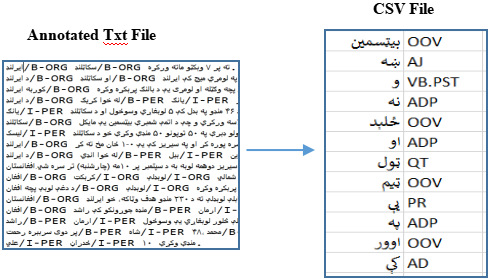
Comparison of Machine Learning and Deep Learning Models for Part-of-Speech Tagging
ICCK Transactions on Advanced Computing and Systems | Volume 1, Issue 2: 106-116, 2025 | DOI: 10.62762/TACS.2025.493945
Abstract
Part-of-speech (POS) tagging—the automatic assignment of grammatical categories to every token in a text corpus—is a foundational preprocessing step for AI-driven language applications such as machine translation, sentiment analysis, and information retrieval. For morphologically complex, low-resource languages such as Pashto, the scarcity of annotated data and standardised tools makes this task particularly challenging. This paper presents a systematic comparative evaluation of six machine learning (ML) and deep learning (DL) algorithms—Support Vector Machine (SVM), Decision Tree (DT), Random Forest (RF), K-Nearest Neighbor (KNN), Multi-Layer Perceptron (MLP), and Naïve Bayes (NB)—... More >

Graphical Abstract

Comparison of Machine Learning and Deep Learning Models for Part-of-Speech Tagging
Open Access | Research Article | 25 May 2025 | Cited: Crossref logo  1 , Scopus 2
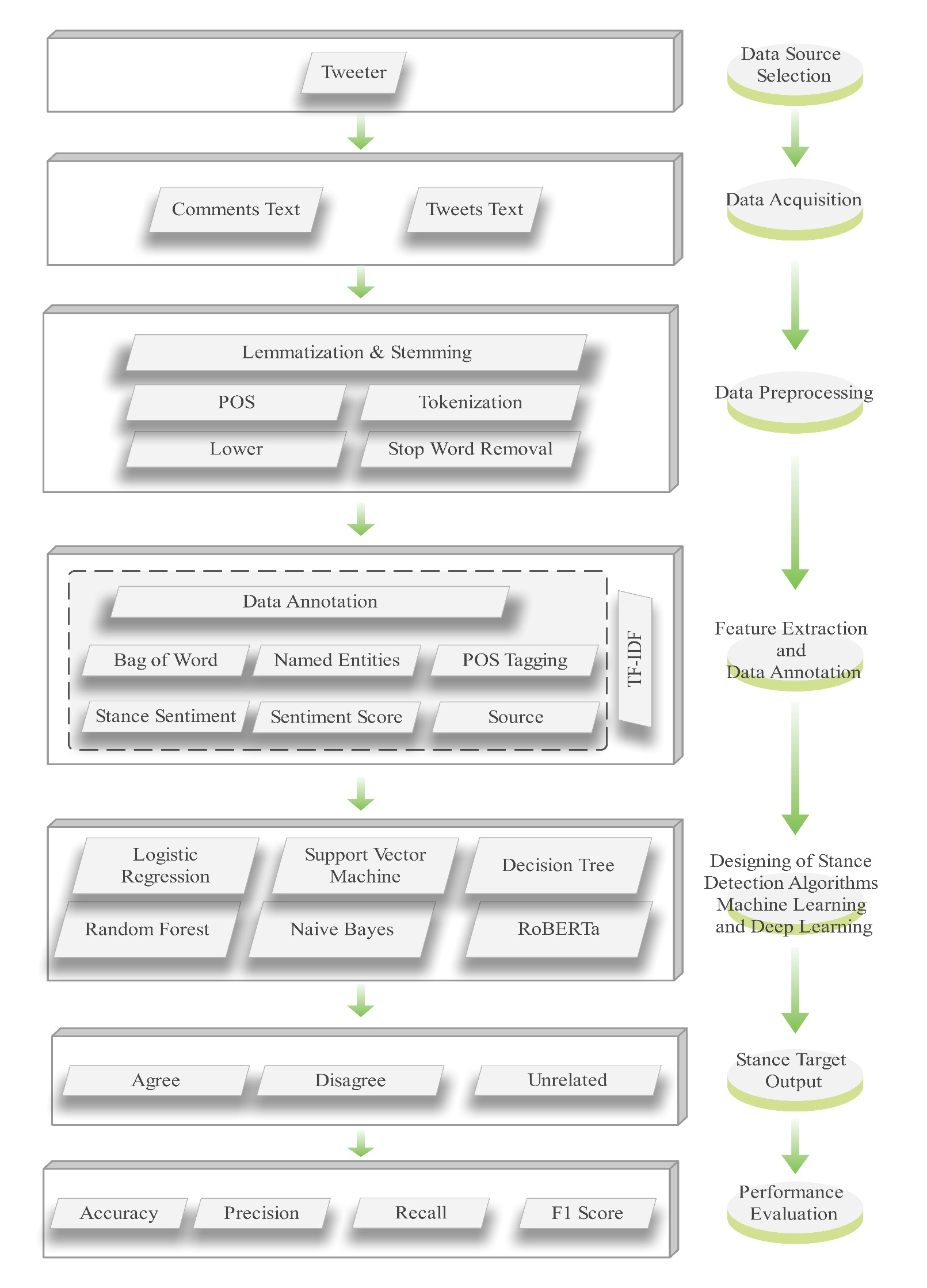
Comparing Fine-Tuned RoBERTa with Traditional Machine Learning Models for Stance Detection in Political Tweets
ICCK Transactions on Advanced Computing and Systems | Volume 1, Issue 2: 78-96, 2024 | DOI: 10.62762/TACS.2025.928069
Abstract
Stance detection identifies a text’s position or attitude toward a given subject. A major challenge in Roman Urdu is the lack of a publicly available dataset for political stance detection. To address this gap, we constructed a high-quality dataset of 8,374 political tweets and comments using the Twitter API, annotated with stance labels: agree, disagree, and unrelated. The dataset captures diverse political viewpoints and user interactions. For feature representation, we employed TF-IDF due to its effectiveness in handling high-dimensional, context-sensitive Roman Urdu text. Several machine learning classifiers were evaluated, with Random Forest achieving the highest accuracy of 95%. Addi... More >

Graphical Abstract

Comparing Fine-Tuned RoBERTa with Traditional Machine Learning Models for Stance Detection in Political Tweets
Free Access | Research Article | 19 May 2025 | Cited: Crossref logo  13 , Scopus 14
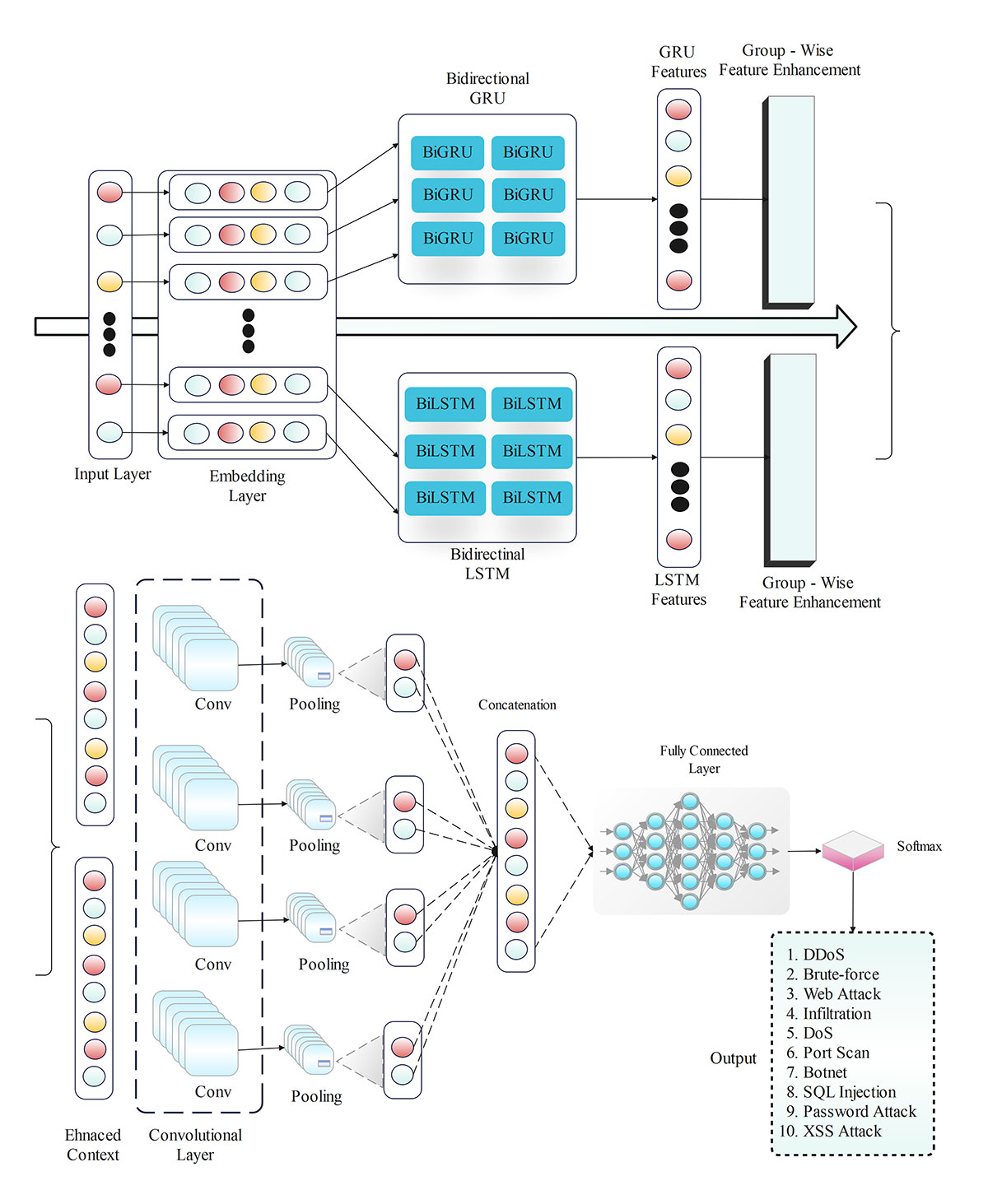
Optimizing Cloud Security with a Hybrid BiLSTM-BiGRU Model for Efficient Intrusion Detection
ICCK Transactions on Sensing, Communication, and Control | Volume 2, Issue 2: 106-121, 2025 | DOI: 10.62762/TSCC.2024.433246
Abstract
To address evolving security challenges in cloud computing, this study proposes a hybrid deep learning architecture integrating Bidirectional Long Short-Term Memory (BiLSTM) and Bidirectional Gated Recurrent Units (BiGRU) for cloud intrusion detection. The BiLSTM-BiGRU model synergizes BiLSTM's long-term dependency modeling with BiGRU's efficient gating mechanisms, achieving a detection accuracy of 96.7% on the CIC-IDS 2018 dataset. It outperforms CNN-LSTM baselines by 2.2% accuracy, 3.3% precision, 3.6% recall, and 3.6% F1-score, demonstrating consistently superior performance across all evaluation metrics. The architecture demonstrates operational efficiency through 20% reduced computation... More >

Graphical Abstract
Optimizing Cloud Security with a Hybrid BiLSTM-BiGRU Model for Efficient Intrusion Detection
Open Access | Research Article | 31 March 2025 | Cited: Crossref logo  9 , Scopus 12
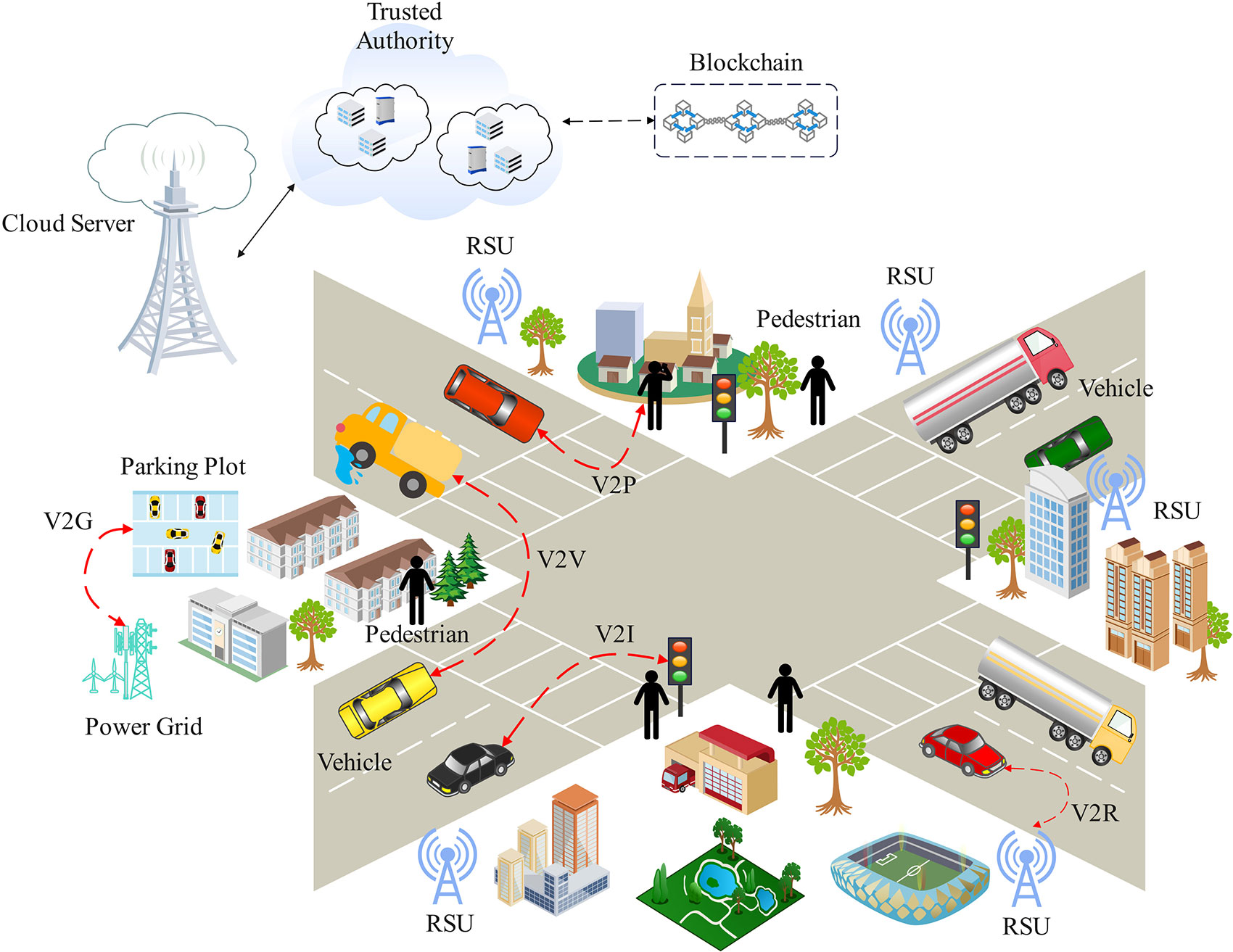
Enhancing Authentication Security in Internet of Vehicles: A Blockchain-Driven Approach for Trustworthy Communication
ICCK Transactions on Advanced Computing and Systems | Volume 1, Issue 1: 48-62, 2025 | DOI: 10.62762/TACS.2025.835144
Abstract
The Internet of Vehicles (IoVs) is an emerging technology that enhances transportation systems by enabling interactions between vehicles, infrastructure, and other entities. Securing IoV networks from cyber threats like eavesdropping, data tampering, and intrusions is a major challenge. This research presents a Blockchain-Enabled Secure Authentication Protocol for IoVs (BESA-IOV), which leverages blockchain’s decentralized and tamper-resistant nature for secure communication in vehicular networks. By utilizing ECC-based lightweight cryptography and blockchain-based public key management, it ensures strong authentication, confidentiality, and integrity. The results show that BESA-IOV signif... More >

Graphical Abstract
Enhancing Authentication Security in Internet of Vehicles: A Blockchain-Driven Approach for Trustworthy Communication
  • 1
  • 2