





Journal of Geo-Energy and Environment

Partner Journal of The International Mine Safety And Emergency Rescue Association

Publishing Model:
ISSN:
ISSN: 3069-3268
Indexing: Chemical Abstracts Service (CAS)
Journal of Geo-Energy and Environment (JGEE) is an international, peer-reviewed scholarly journal committed to advancing high-quality, innovative research across the full spectrum of geo-energy and environmental sciences.
DOI Prefix: 10.62762/JGEE

Journal Metrics

-
Impact Factor
-
CiteScore

Recent Articles

Open Access | Research Article | 07 August 2026 | Cited: Crossref logo  4 , Scopus 3
Displacement and Pressure Control for Reaming of Blocked Horizontal Shale Gas Wells
Journal of Geo-Energy and Environment | Volume 2, Issue 4: 265-275, 2026 | DOI: 10.62762/JGEE.2026.569527
Abstract
Shale gas horizontal wells in the Hongxing Block are challenged by long horizontal sections, narrow annular clearances, well-developed fractures, and the coexistence of lost circulation and wellbore collapse. Complexities such as pipe sticking, pump surging, annular blockage, and cuttings accumulation frequently occur during reaming, severely affecting operational safety and efficiency. To overcome the drawbacks of conventional empirical methods, this paper establishes four quantitative models: displacement-pressure coupling, bottomhole Equivalent Circulating Density (ECD) constraint, critical cuttings transport displacement, and drill string safety loading. An integrated reaming technology... More >

Graphical Abstract
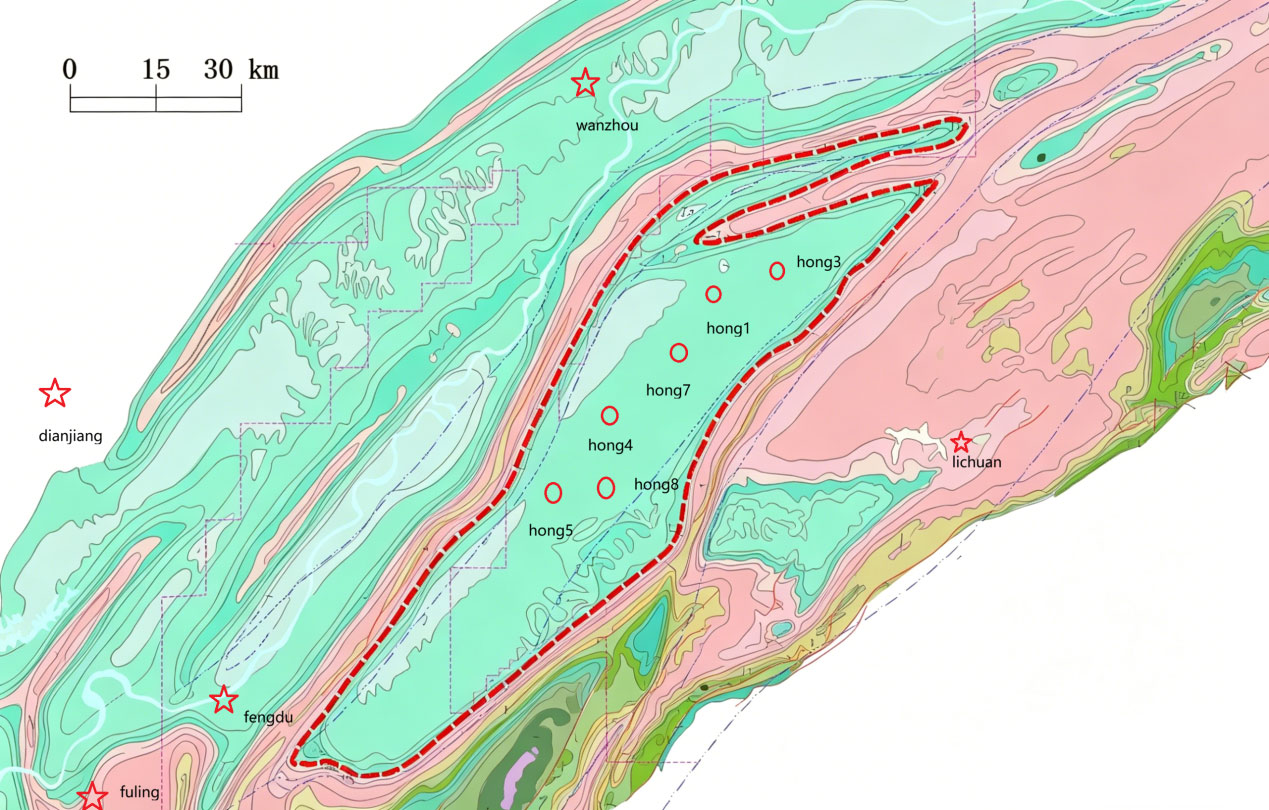
Displacement and Pressure Control for Reaming of Blocked Horizontal Shale Gas Wells
Open Access | Research Article | 09 July 2026 | Cited: Crossref logo  9 , Scopus 7
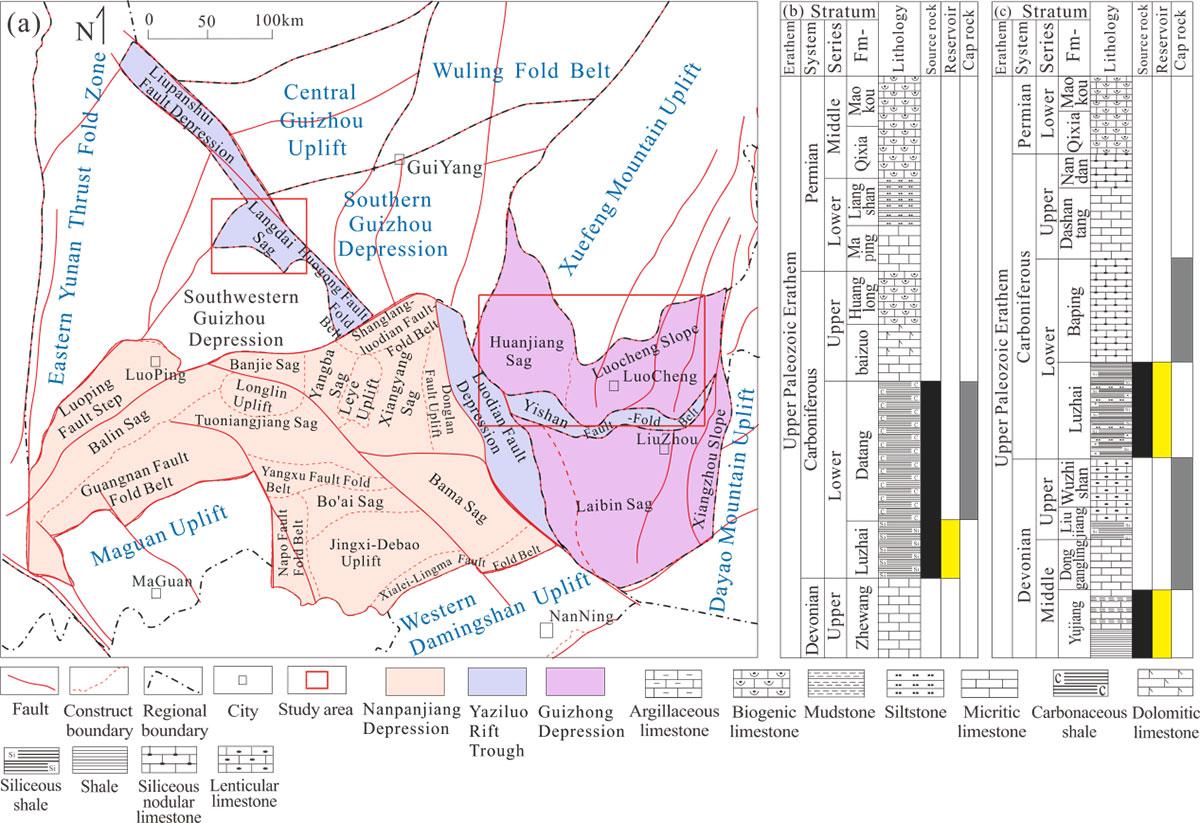
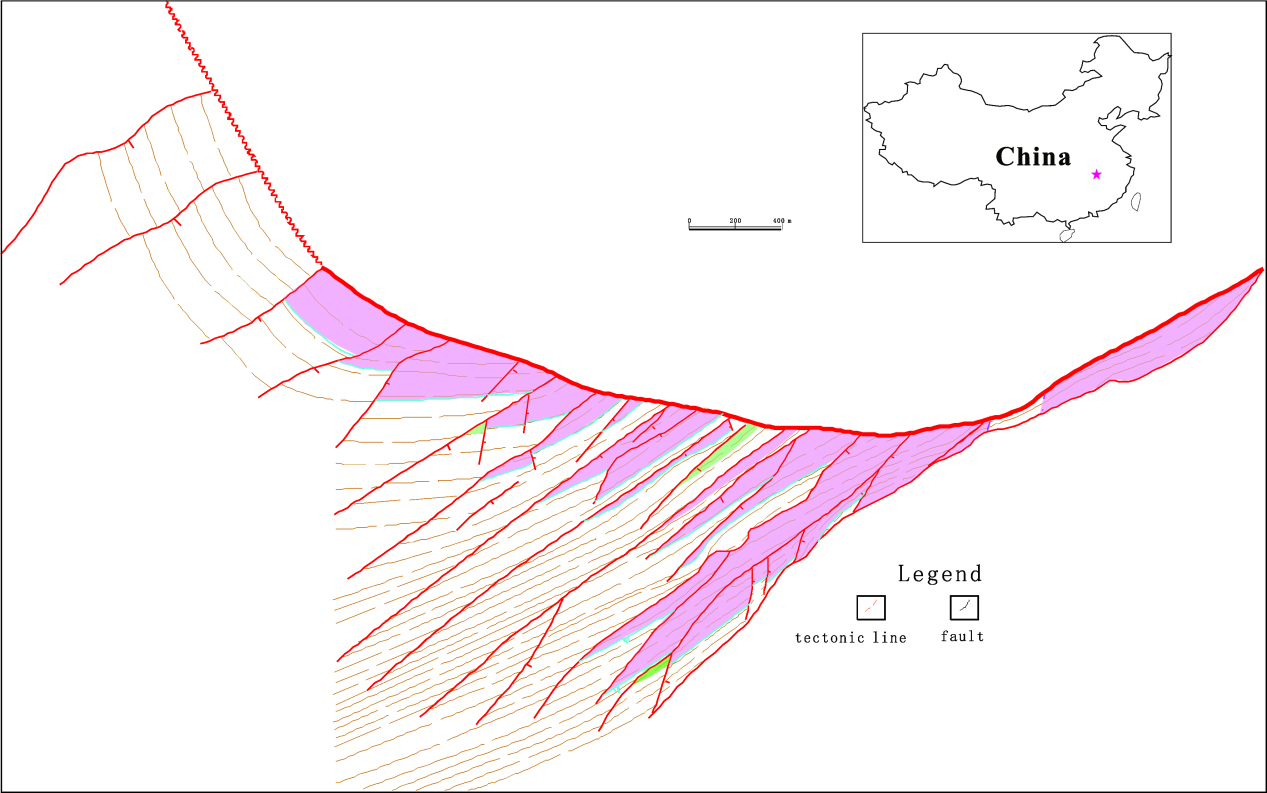
Evaluation of Structural Preservation Conditions for Shale Gas in Relict Syncline: A Case Study of Devonian-Carboniferous Strata in the Guizhou-Guangxi Area
Journal of Geo-Energy and Environment | Volume 2, Issue 4: 244-264, 2026 | DOI: 10.62762/JGEE.2026.303617
Abstract
This study investigates the key factors controlling marine shale gas preservation in Devonian–Carboniferous strata, focusing on four representative synclines in the Nanpanjiang Basin and the northern margin of the Guizhong Depression: Langdai, Xinzhai, West Yizhou, and North Yizhou. Through tectonic characterization and balanced cross-section restoration, we clarify the effects of structural style, tectonic deformation intensity, and fault properties on shale gas preservation. Wide-gentle bidirectional thrust synclines (Xinzhai and West Yizhou) offer the most favorable preservation conditions, followed by the wide-gentle unidirectional thrust syncline (Langdai); the wide-gentle nappe-type... More >

Graphical Abstract
Evaluation of Structural Preservation Conditions for Shale Gas in Relict Syncline: A Case Study of Devonian-Carboniferous Strata in the Guizhou-Guangxi Area
Open Access | Research Article | 01 July 2026 | Cited: Crossref logo  2 , Scopus 1
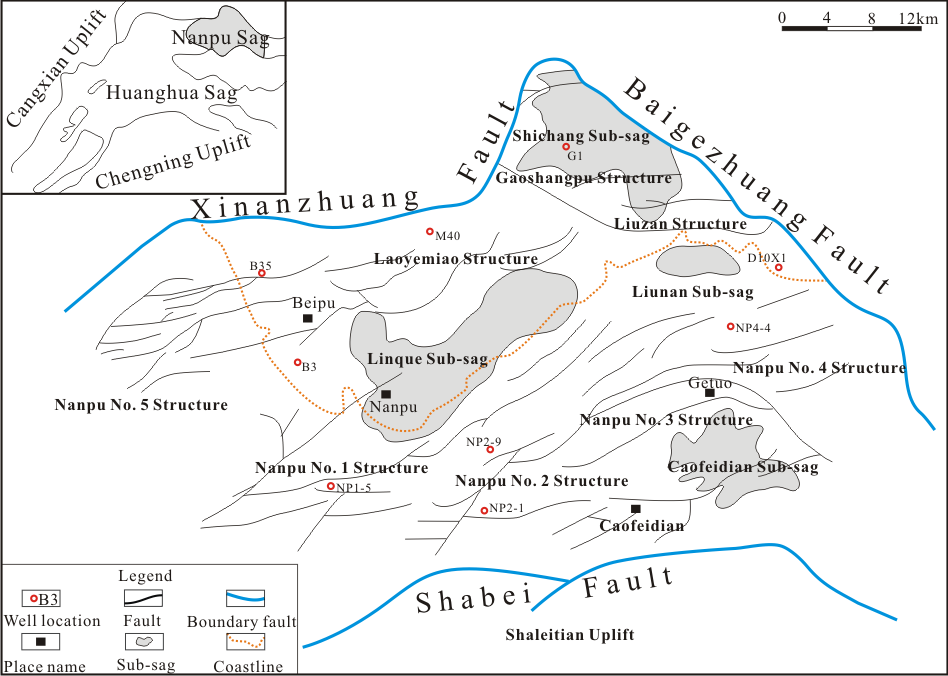
Water-Quality Thresholds and Formation-Damage Mechanisms during Water Injection in the Southern Area of the Deep Reservoir in the Gaoshangpu Oilfield
Journal of Geo-Energy and Environment | Volume 2, Issue 3: 230-243, 2026 | DOI: 10.62762/JGEE.2026.411772
Abstract
Injected water quality critically determines waterflooding effectiveness. The southern area of Gaoshen, a major deep reservoir block of the Gaoshangpu Oilfield (Jidong Oilfield), faces severe injection-well plugging, increased injection pressure, failing injection rates, and rapid production decline—necessitating urgent water-quality optimization. This study conducts reservoir sensitivity evaluation, injected water–reservoir compatibility analysis, and single-factor experiments on the effects of solid particles, suspended oil, and bacteria on permeability. Results show: (1) The reservoir exhibits moderately strong water sensitivity (critical salinity: 6000--10000~mg/L); current injected-... More >

Graphical Abstract
Water-Quality Thresholds and Formation-Damage Mechanisms during Water Injection in the Southern Area of the Deep Reservoir in the Gaoshangpu Oilfield
Open Access | Research Article | 25 June 2026 | Cited: Crossref logo  2 , Scopus 2
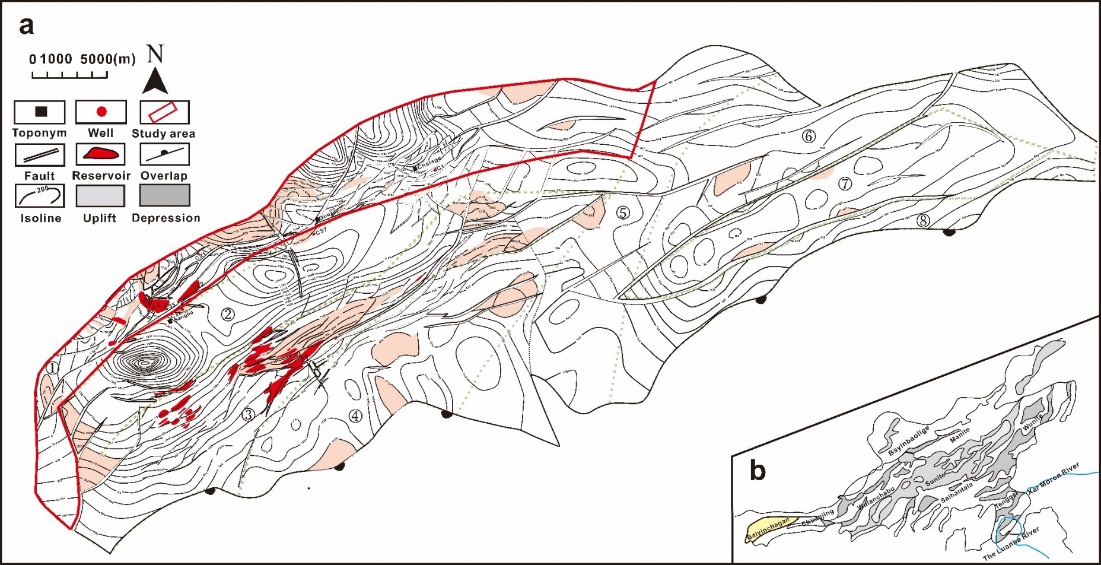
Saline Lacustrine Dolomitization and Reservoir Significance of the Tengger Formation in the Baiyinchagan Sag
Journal of Geo-Energy and Environment | Volume 2, Issue 3: 219-229, 2026 | DOI: 10.62762/JGEE.2026.787396
Abstract
Continental saline lacustrine dolomite reservoirs remain less understood than their marine analogs. This study investigates the lower Cretaceous Tengger Formation in the western Baiyinchagan Sag, Erlian Basin, using core, thin section, SEM, XRD, isotope and petrophysical analyses. The dark muddy dolomitic rocks are composed mainly of ankerite, albite and natrolite with low clay content, indicating a mixed origin of saline lake evaporation and deep-sourced fluids. Two dolomitization types control reservoir quality: penecontemporaneous dolomitization creates intercrystalline pores, whereas burial dolomitization forms cements that block pores. Dissolution pores and high-angle fractures constitu... More >

Graphical Abstract
Saline Lacustrine Dolomitization and Reservoir Significance of the Tengger Formation in the Baiyinchagan Sag
Open Access | Research Article | 15 June 2026 | Cited: Crossref logo  5 , Scopus 6
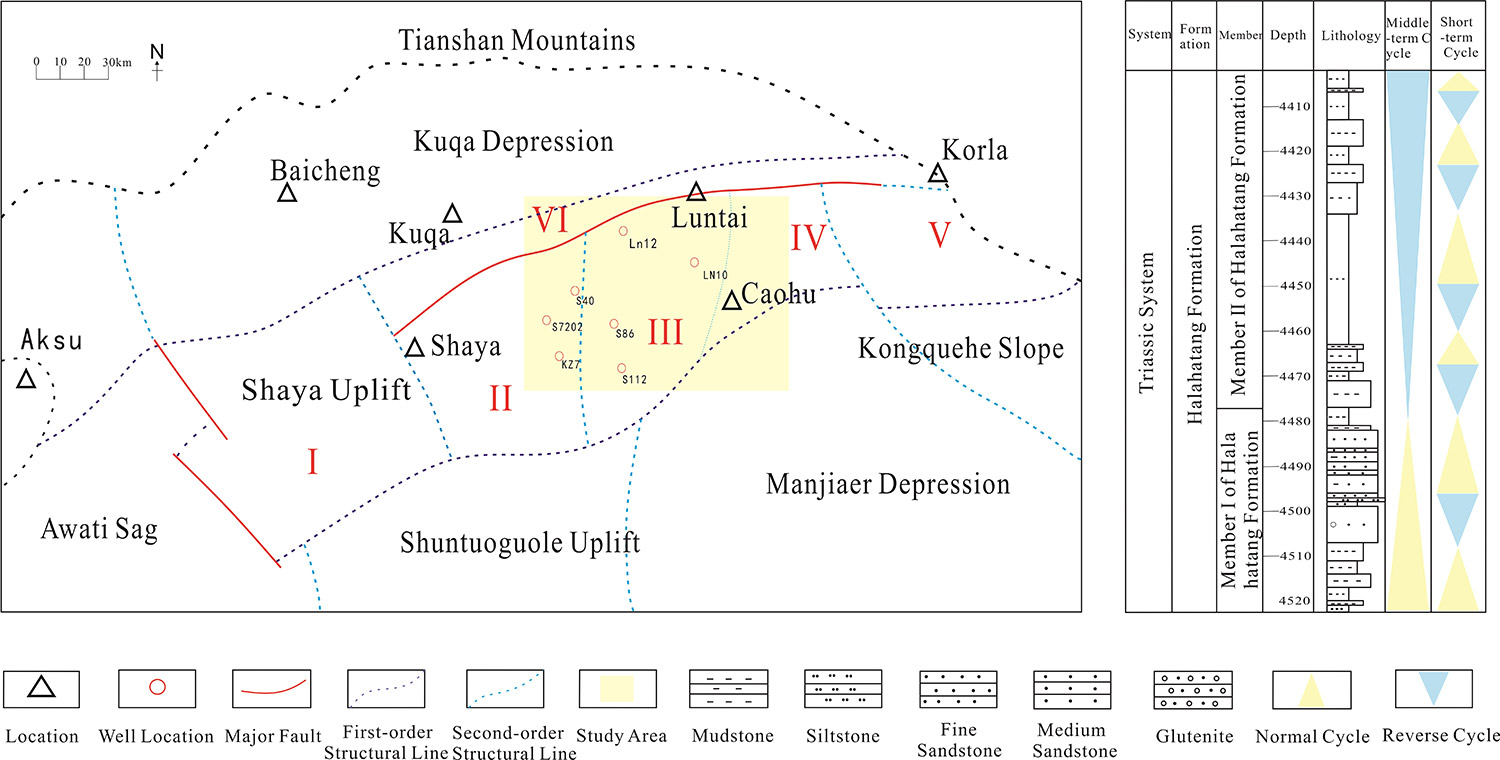
Sedimentary Evolution and Controlling Mechanisms of Fluvial–lacustrine Systems in the Triassic Halahatang Formation, Tahe Oilfield, Tarim Basin, China
Journal of Geo-Energy and Environment | Volume 2, Issue 3: 203-218, 2026 | DOI: 10.62762/JGEE.2026.916754
Abstract
The Triassic Halahatang Formation in the Tahe Oilfield, Tarim Basin, records a complex transition from fluvial to lacustrine depositional systems, yet its depositional architecture, evolutionary process, and controlling mechanisms remain insufficiently constrained. In this study, core observations, thin-section analysis, well-log interpretation, seismic attributes, heavy-mineral assemblages, palynological data, paleotopographic restoration, and sequence stratigraphic analysis were integrated to clarify sedimentary facies types, provenance directions, sandbody stacking patterns, and depositional evolution. The study area developed braided river, meandering river, and shore–shallow lacustrin... More >

Graphical Abstract
Sedimentary Evolution and Controlling Mechanisms of Fluvial–lacustrine Systems in the Triassic Halahatang Formation, Tahe Oilfield, Tarim Basin, China
Open Access | Research Article | 12 June 2026 | Cited: Crossref logo  4 , Scopus 4
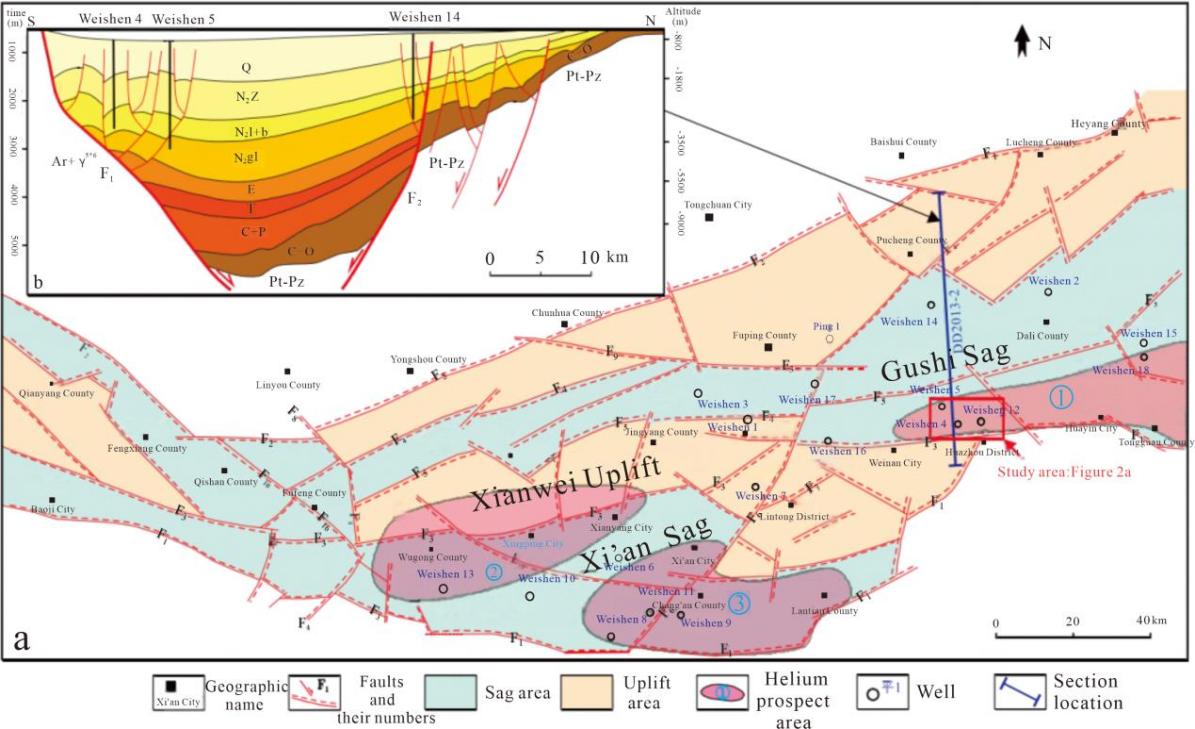
Coupling Mechanisms of Qualitative-Quantitative and Macro-Micro Analyses for Helium Reservoir Characteristics in Northern Huazhou Area, Weihe Basin
Journal of Geo-Energy and Environment | Volume 2, Issue 3: 185-202, 2026 | DOI: 10.62762/JGEE.2026.503413
Abstract
The North Huazhou area in Weihe Basin, a transition zone between the Ordos Block and Qinling Orogenic Belt, hosts multiple Cenozoic reservoirs critical for helium, geothermal, and tight oil/gas exploration. Based on Well H1 core, logging, and laboratory data, multi-scale analyses of the Sanmen, Zhangjiapo, Lantian-Bahe Formations, and Gaoling Group reveal significant lithological differentiations: the Zhangjiapo Formation is a medium-porosity, medium-permeability reservoir, whereas the Lantian-Bahe Formation exhibits low porosity and permeability. X-ray diffraction confirms dominant siliceous minerals with clay fluctuations reflecting strong hydrodynamic environments. Moderately strong veloc... More >

Graphical Abstract
Coupling Mechanisms of Qualitative-Quantitative and Macro-Micro Analyses for Helium Reservoir Characteristics in Northern Huazhou Area, Weihe Basin
Open Access | Perspective | 09 June 2026 | Cited: Crossref logo  2 , Scopus 2
The Application Prospects of Embodied Intelligence in Oil and Gas Field Laboratories
Journal of Geo-Energy and Environment | Volume 2, Issue 3: 178-184, 2026 | DOI: 10.62762/JGEE.2026.553515
Abstract
Oil and gas testing laboratories have long encountered structural challenges including unclear functional roles, the disconnection between research and testing, and ongoing talent attrition, necessitating an intelligent transformation. Embodied intelligence, as an emerging paradigm integrating AI and robotics, features a local inference model of "cloud-device collaboration" that overcomes the limitations of traditional AI detached from the physical environment. Embodied intelligence enables laboratories to transition from "passive testing" to "proactive, intelligence-driven operations". Nonetheless, current deployment remains constrained by high costs and limited technological maturity. A p... More >

Graphical Abstract
The Application Prospects of Embodied Intelligence in Oil and Gas Field Laboratories
Open Access | Research Article | 26 May 2026 | Cited: Crossref logo  2 , Scopus 3
Effect of Water Injection Rate on the Distribution of Water-driven Oil in the Tankou Oilfield
Journal of Geo-Energy and Environment | Volume 2, Issue 2: 163-177, 2026 | DOI: 10.62762/JGEE.2026.867883
Abstract
Supplementing formation energy through water injection is the main way to develop old oil fields. However, formation non-homogeneity leads to the uncertainty of waterline advancement, which generates residual oil. In order to study the effect of water injection rate on the distribution of water-driven oil, we carried out water injection simulation experiments using the Tankou oilfield as an example. The oil saturation contour maps of several time points in the water-driven oil process were plotted by determining the trend of resistance value changes. We studied the drive path during the water-driven oil process, determined the location of residual oil distribution in the plane and longitudin... More >

Graphical Abstract
Effect of Water Injection Rate on the Distribution of Water-driven Oil in the Tankou Oilfield

Journal Statistics

141
Authors
8
Countries / Regions
35
Articles
251
Scopus Citations
85.7% Cited
2025
Published Since
79,401
Article Views
17,002
Article Downloads
Journal of Geo-Energy and Environment
eISSN: 3069-3268
Crossref
Crossref
Member of Crossref
Visit Crossref →