


ICCK Transactions on Sensing, Communication, and Control

Publishing Model:
ISSN:
Online ISSN: 3068-9287 | Print ISSN: 3068-9279
Indexing: Scopus Indexed
ICCK Transactions on Sensing, Communication, and Control is a peer-reviewed international academic journal dedicated to exploring the latest advancements in sensing technologies, communication systems, and control methodologies.
DOI Prefix: 10.62762/TSCC

Journal Metrics

-
Impact Factor
Indexed in: Scopus

Recent Articles

Free Access | Research Article | 17 September 2026
FocusNet: Feature Oriented Contextual Understanding via Bidirectional Supervision for Surface Defect Detection
ICCK Transactions on Sensing, Communication, and Control | Volume 3, Issue 3: 160-175, 2026 | DOI: 10.62762/TSCC.2026.978086
Abstract
Surface defect segmentation in metallic materials presents significant challenges due to irregular defect shapes, extreme scale variations ranging from small blowholes to large uneven regions, and low contrast with complex background textures. While Convolutional Neural Networks excel at local feature extraction, their limited receptive fields hinder effective global context modeling. Conversely, Vision Transformers capture long-range dependencies but struggle with fine-grained boundary details critical for accurate defect localization. To address these limitations, we propose FocusNet, a novel architecture integrating multi-scale feature refinement, hybrid attention mechanisms, and progress... More >

Graphical Abstract
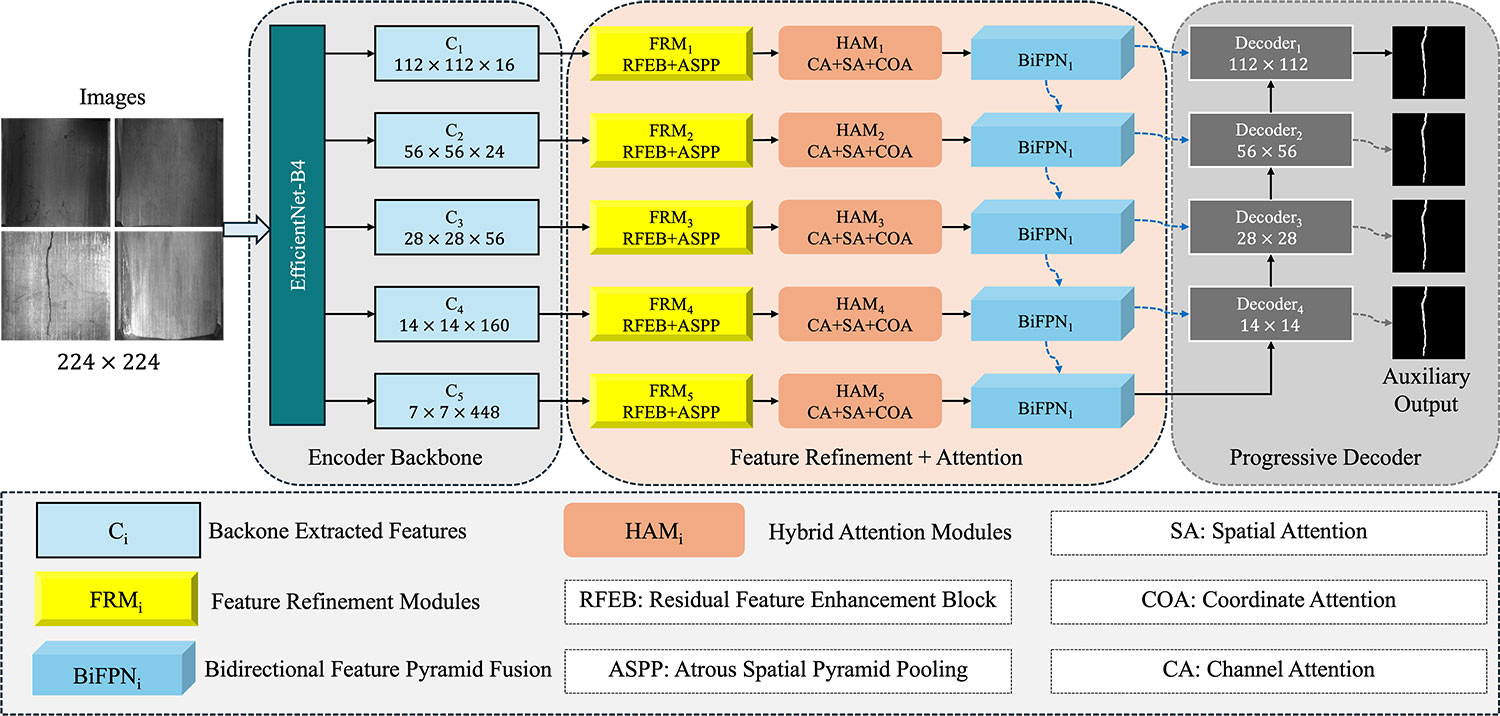
FocusNet: Feature Oriented Contextual Understanding via Bidirectional Supervision for Surface Defect Detection
Free Access | Review Article | 10 September 2026
Semantic Fidelity for Intelligent 6G Communication: A Taxonomic Deep Dive into Knowledge-Driven Architectures, Benchmarks, and Challenges
ICCK Transactions on Sensing, Communication, and Control | Volume 3, Issue 3: 139-159, 2026 | DOI: 10.62762/TSCC.2026.286812
Abstract
Cognitive-semantic communication encodes task-relevant meaning rather than raw bits, improving 6G spectral efficiency and reducing latency, yet evidence remains fragmented across methods, evaluations, and deployments. This PRISMA-based review screens 782 records (2019-2025) from seven databases, retaining 73 studies organized into five method families: neural semantic codecs, KG-based pipelines, LLM-assisted codecs, cross-modal encoders, and semantic relays. We examine how goal-oriented semantics, knowledge graphs, and LLMs shape representation, compression, and task quality under rate and latency constraints across UAVs, NTNs, ISAC, Metaverse, and IoT. Reported gains include bandwidth reduc... More >

Graphical Abstract
Semantic Fidelity for Intelligent 6G Communication: A Taxonomic Deep Dive into Knowledge-Driven Architectures, Benchmarks, and Challenges
Free Access | Research Article | 30 June 2026
MAFNet: Multi-level Attention Fusion Network for Precise Prominence Analysis in Visual Sensing Systems
ICCK Transactions on Sensing, Communication, and Control | Volume 3, Issue 2: 124-138, 2026 | DOI: 10.62762/TSCC.2025.390515
Abstract
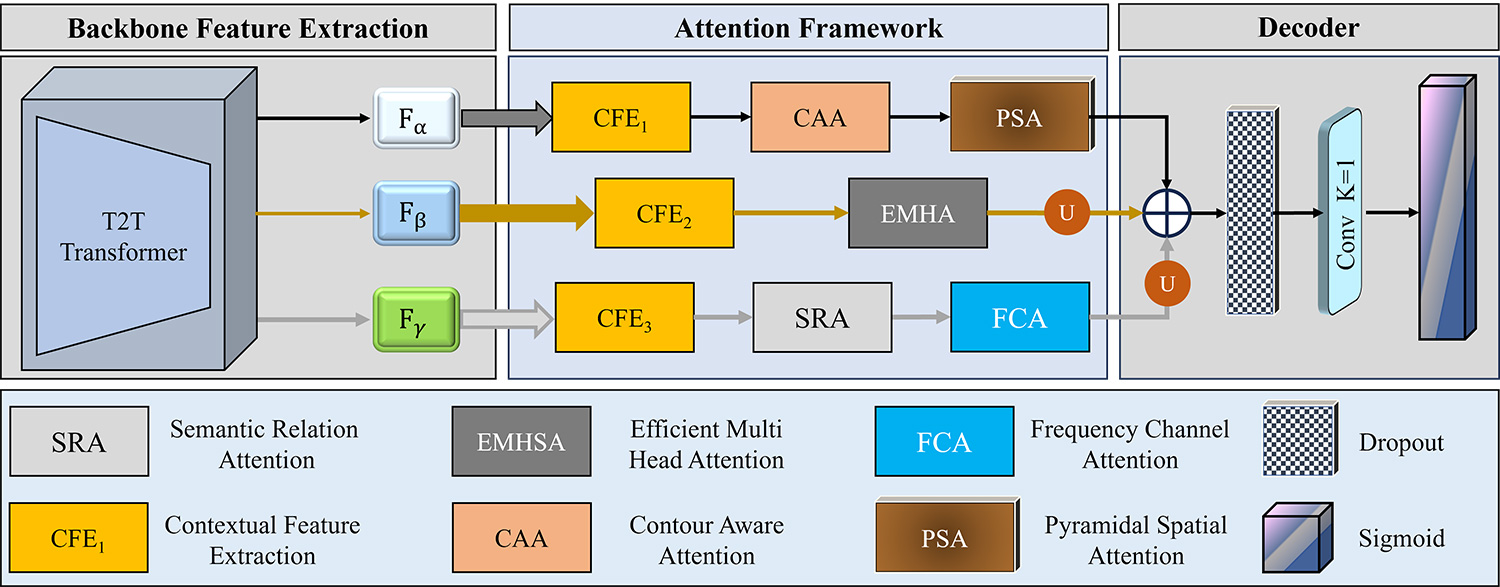
Salient object detection aims to identify and segment the most visually prominent objects in images. Despite significant advances in deep learning, existing methods struggle to balance global context modeling, boundary preservation, and multi-scale feature integration. To address these limitations, we propose MAFNet (Multi-level Attention Fusion Network), a novel attention-driven framework that leverages specialized attention mechanisms tailored to different semantic levels. Our approach employs a Tokens-to-Token (T2T) Transformer backbone for hierarchical feature extraction, capturing both local structural details and global contextual relationships. The core contribution lies in a comprehe... More >

Graphical Abstract
MAFNet: Multi-level Attention Fusion Network for Precise Prominence Analysis in Visual Sensing Systems
Free Access | Research Article | 28 June 2026
Scale-Specific Visual Sensing for Colonoscopy Polyp Segmentation via Hybrid CNN-Transformer Attention
ICCK Transactions on Sensing, Communication, and Control | Volume 3, Issue 2: 109-123, 2026 | DOI: 10.62762/TSCC.2026.664028
Abstract
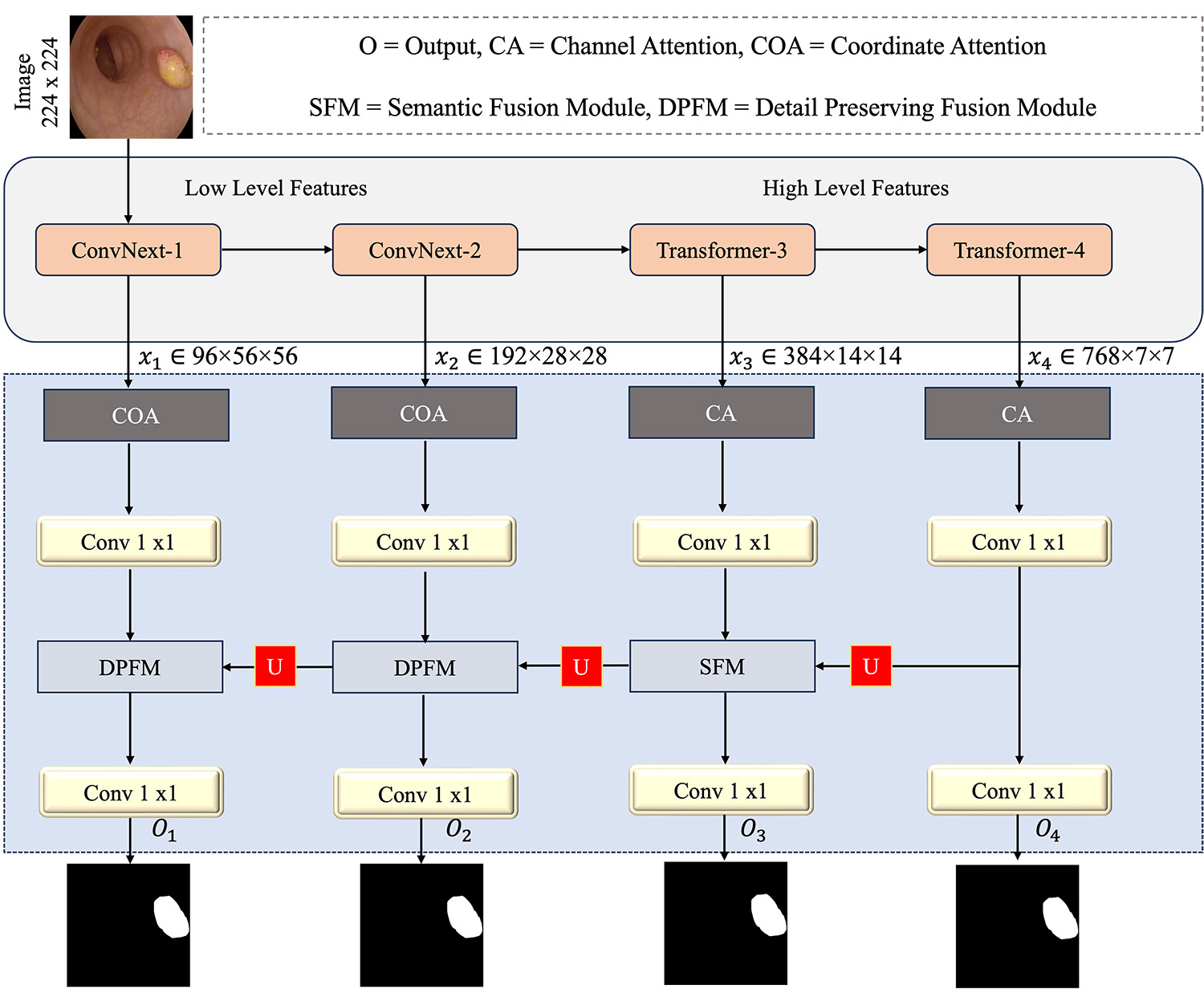
Precise segmentation of colorectal polyps in colonoscopy images is essential for timely cancer diagnosis and prevention. Nevertheless, current segmentation methods contend with intrinsic variability in polyp appearance, differences in size, shape, and texture, while preserving computational efficiency necessary for clinical implementation. In this paper, we present a novel segmentation architecture that integrates scale-specific attention mechanisms within a hybrid CNN-Transformer backbone to address these challenges. Our model employs Coordinate Attention for high-resolution feature maps to preserve spatial details essential for boundary delineation, and Channel Attention for deep semantic... More >

Graphical Abstract
Scale-Specific Visual Sensing for Colonoscopy Polyp Segmentation via Hybrid CNN-Transformer Attention
Free Access | Review Article | 27 June 2026
Visual Intelligence for Automated Fall Sensing: A Systematic Review of Architectures, Datasets, and Evaluation Gaps
ICCK Transactions on Sensing, Communication, and Control | Volume 3, Issue 2: 90-108, 2026 | DOI: 10.62762/TSCC.2026.604481
Abstract
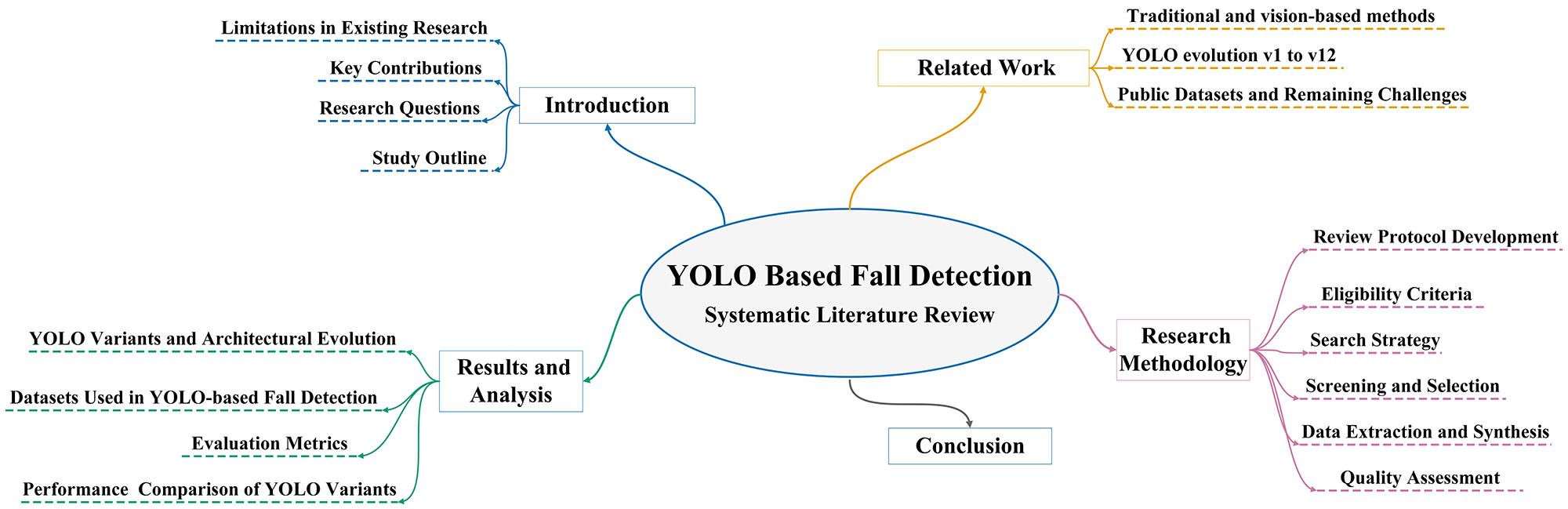
Falls are a major cause of injury, hospitalization, and loss of independence among older adults, spurring interest in visual intelligence-based automated fall detection for timely response and continuous monitoring. This article presents a systematic review of such systems, focusing on YOLO-based approaches. Following PRISMA guidelines, the review covers 2016–2025 literature, identifying 637 records and including 63 studies after screening. We examine datasets, preprocessing strategies, evaluation protocols, metrics, and hardware platforms, comparing reported accuracy, efficiency, and real-time feasibility across different designs. Evidence is strongest for YOLOv3 through YOLOv9, while evi... More >

Graphical Abstract
Visual Intelligence for Automated Fall Sensing: A Systematic Review of Architectures, Datasets, and Evaluation Gaps
Free Access | Research Article | 12 May 2026 | Cited: Crossref logo  5 , Scopus 2
Visual Sensing via Multiscale Edge-Aware Learning with Hybrid Attention for Camouflaged Object Detection
ICCK Transactions on Sensing, Communication, and Control | Volume 3, Issue 2: 76-89, 2026 | DOI: 10.62762/TSCC.2025.439821
Abstract
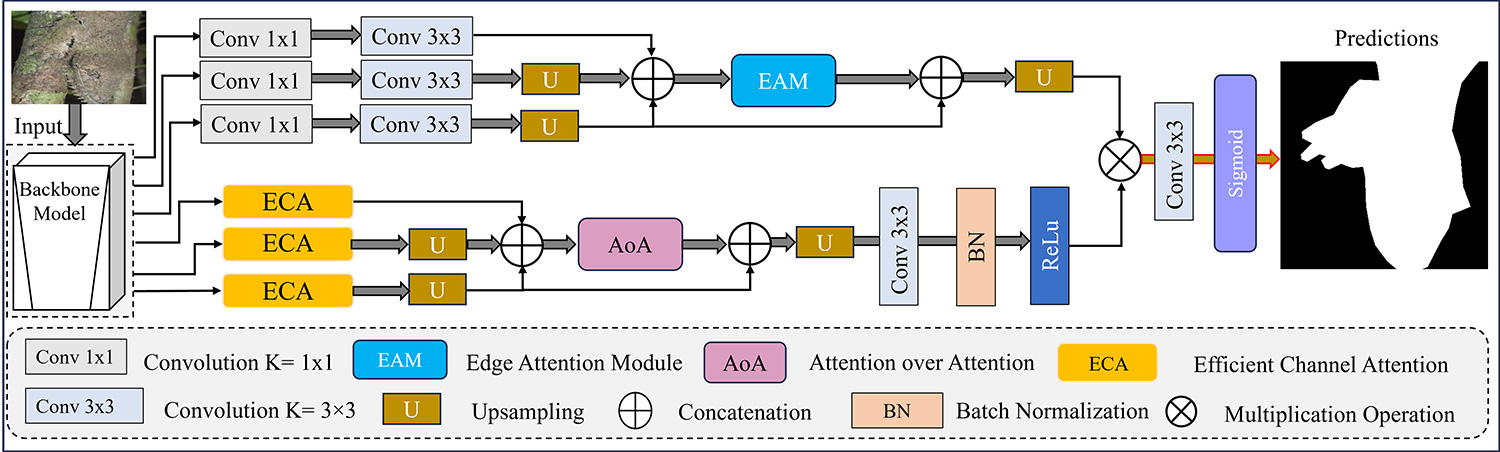
Camouflaged object detection (COD) remains a significant challenge in computer vision. Existing approaches struggle to address both body immersion and structural ambiguity simultaneously, leading to inaccurate boundary delineations. This paper presents a novel Visual Sensing framework via Multiscale Edge-Aware Learning with Hybrid Attention. The proposed framework integrates hierarchical feature extraction, adaptive attention mechanisms, and progressive multi-scale fusion to achieve robust COD. We employ EfficientNetB7 as the backbone network to extract six-scale hierarchical features, capturing both fine-grained spatial details and high-level semantic representations. Initial shallow featur... More >

Graphical Abstract
Visual Sensing via Multiscale Edge-Aware Learning with Hybrid Attention for Camouflaged Object Detection
Free Access | Research Article | 23 April 2026 | Cited: Crossref logo  3 , Scopus 2
MS-CADNet: A Multi-Scale Context Attention Network for Efficient Object Detection in UAV Imagery
ICCK Transactions on Sensing, Communication, and Control | Volume 3, Issue 2: 64-75, 2026 | DOI: 10.62762/TSCC.2026.214827
Abstract
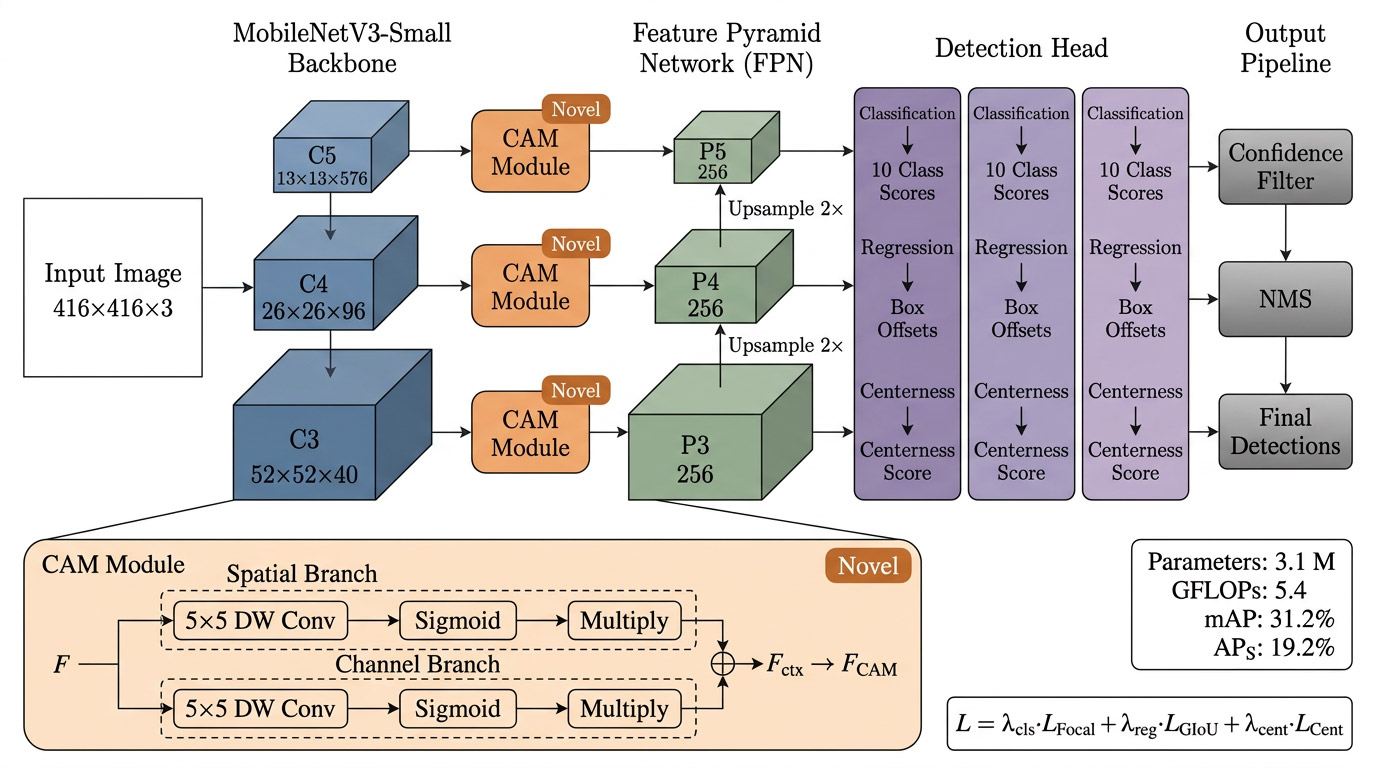
With the rapid advancement of unmanned aerial vehicle (UAV) technology, there is a need for lightweight and accurate object detection on resource-constrained platforms. This paper proposes MS-CADNet, an anchor-free network for small object detection in aerial imagery. It uses a MobileNetV3-Small backbone and a two-branch gated Context Attention Module (CAM) to enhance feature quality. On the VisDrone-DET benchmark, it achieves 31.2% mAP, surpassing YOLOv8-Small and CEASC. The model attains 19.2% AP for small objects with only 3.1M parameters and 5.4 GFLOPs, making it suitable for real-time UAV deployment. More >

Graphical Abstract
MS-CADNet: A Multi-Scale Context Attention Network for Efficient Object Detection in UAV Imagery
Free Access | Research Article | 17 March 2026 | Cited: Crossref logo  1 , Scopus 1
A Safety-Critical Control Scheme for Spacecraft Relative Motion Tracking Based on the Fully Actuated System Approach and Offline QP Solutions
ICCK Transactions on Sensing, Communication, and Control | Volume 3, Issue 1: 54-63, 2026 | DOI: 10.62762/TSCC.2025.553018
Abstract
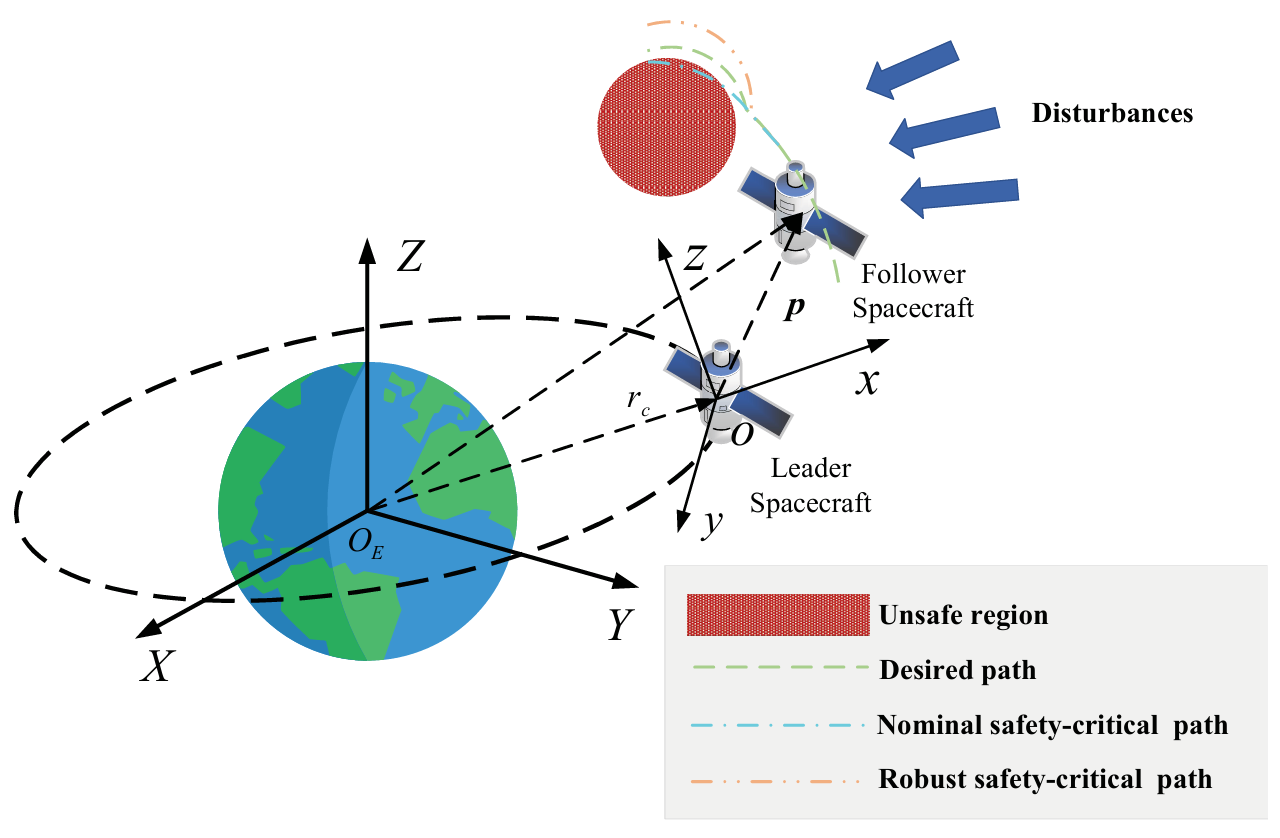
A safety-critical control scheme based on fully actuated system approach (FASA) framework is developed for spacecraft relative motion tracking under external disturbances and multiple forbidden regions. For tracking performance, the nominal controller is designed by using the FASA framework, such that the controller design process can be simplified. For safety constraints, a disturbance-tolerant control barrier function incorporating low-pass filtered disturbance compensation is introduced to mitigate interference effects. Furthermore, a sequential correction strategy is developed to resolve safety constraints through offline-computed quadratic program (QP) solutions, which can eliminate dep... More >

Graphical Abstract
A Safety-Critical Control Scheme for Spacecraft Relative Motion Tracking Based on the Fully Actuated System Approach and Offline QP Solutions

Journal Statistics

138
Authors
17
Countries / Regions
43
Articles
270
Scopus Citations
88.4% Cited
2024
Published Since
171,680
Article Views
24,559
Article Downloads
ICCK Transactions on Sensing, Communication, and Control
eISSN: 3068-9287 | pISSN: 3068-9279
Crossref
Crossref
Member of Crossref
Visit Crossref →