



ICCK Transactions on Sensing, Communication, and Control

Publishing Model:
ISSN:
  ISSN:  3068-9287 (online)  |  3068-9279 (print)
Indexing: Google Scholar, Dimensions, Lens, ResearchGate, OpenAlex, WorldCat
ICCK Transactions on Sensing, Communication, and Control is a peer-reviewed international academic journal dedicated to exploring the latest advancements in sensing technologies, communication systems, and control methodologies.
E-mail:[email protected]  DOI Prefix: 10.62762/TSCC
-
Impact Factor
-
CiteScore

Recent Articles

Free Access | Research Article | 30 December 2025
Dual-Pathway Sensing with Optimized Attention Network for Video Summarization in Surveillance Systems
ICCK Transactions on Sensing, Communication, and Control | Volume 2, Issue 4: 276-289, 2025 | DOI: 10.62762/TSCC.2025.308540
Abstract
Video summarization (VS) aims to generate concise representations of long videos by extracting the most informative frames while maintaining essential content. Existing methods struggle to capture multi-scale dependencies and often rely on suboptimal feature representations, limiting their ability to model complex inter-frame relationships. To address these issues, we propose a multi-scale sensing network that incorporates three key innovations to improve VS. First, we introduce multi-scale dilated convolution blocks with progressively increasing dilation rates to capture temporal context at multiple levels, enabling the network to understand both local transitions and long-range dependencie... More >

Graphical Abstract
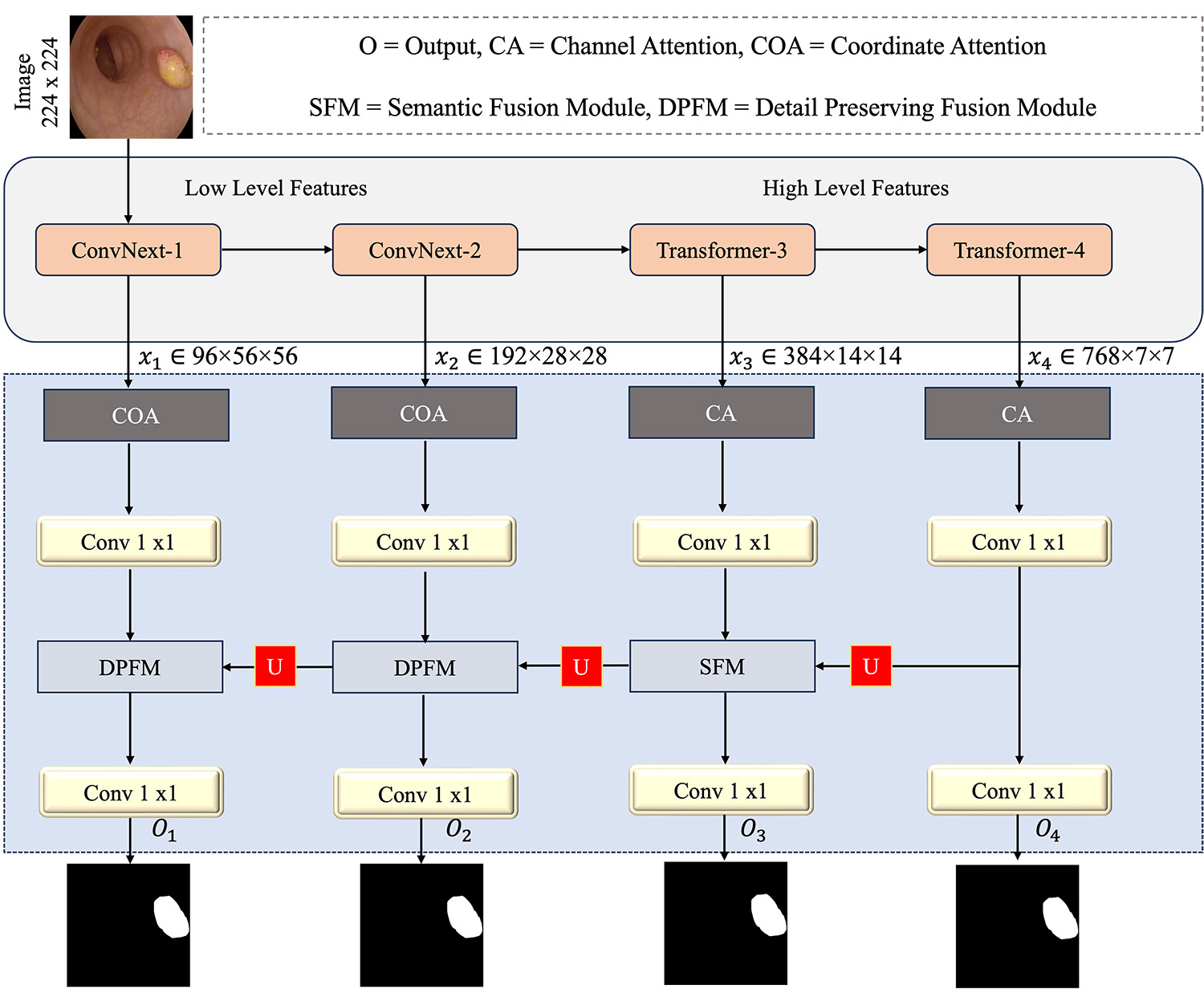
Dual-Pathway Sensing with Optimized Attention Network for Video Summarization in Surveillance Systems

Free Access | Research Article | 20 December 2025
Strip Pooling Coordinate Attention with Directional Learning for Intelligent Fire Recognition in Smart Cities
ICCK Transactions on Sensing, Communication, and Control | Volume 2, Issue 4: 263-275, 2025 | DOI: 10.62762/TSCC.2025.675097
Abstract
Fire detection in smart cities requires intelligent visual recognition systems capable of distinguishing fire from visually similar phenomena while maintaining real-time performance under diverse environmental conditions. Existing deep learning approaches employ attention mechanisms that aggregate spatial information isotropically, failing to capture the inherently directional characteristics of fire and smoke patterns. This paper presents DirFireNet, a novel fire detection framework that exploits directional fire dynamics through Strip Pooling Coordinate Attention (SPCA). Unlike conventional attention mechanisms, DirFireNet explicitly models vertical flame propagation and horizontal smoke d... More >

Graphical Abstract
Strip Pooling Coordinate Attention with Directional Learning for Intelligent Fire Recognition in Smart Cities

Free Access | Research Article | 18 December 2025
LAE-GSDetect: A Lightweight Fusion Framework for Robust Small-Face Detection in Low-Light Conditions
ICCK Transactions on Sensing, Communication, and Control | Volume 2, Issue 4: 250-262, 2025 | DOI: 10.62762/TSCC.2025.972040
Abstract
In response to the challenges of insufficient accuracy in face detection and missed small targets under low-light conditions, this paper proposes a detection scheme that combines image preprocessing and detection model optimization. Firstly, Zero-DCE low-light enhancement is introduced to adaptively restore image details and contrast, providing high-quality inputs for subsequent detection. Secondly, YOLOv11n is enhanced through the following improvements: a P2 small-target detection layer is added while the P5 layer is removed, addressing the original model's deficiency in detecting small targets and streamlining the computational process to balance model complexity and efficiency; the P2 up... More >

Graphical Abstract
LAE-GSDetect: A Lightweight Fusion Framework for Robust Small-Face Detection in Low-Light Conditions

Free Access | Research Article | 30 November 2025
RUL Prediction of the Injection Lance in Copper Top-Blown Smelting Using KPCA and TSO-Optimized LSSVM
ICCK Transactions on Sensing, Communication, and Control | Volume 2, Issue 4: 238-249, 2025 | DOI: 10.62762/TSCC.2025.978286
Abstract
As the core component of the copper top-blown smelting, the service life of the injection lance critically affects production stability. To monitor the operating condition of the injection lance, a data-driven model is proposed to predict the Remaining Useful Life (RUL) or service life, namely, the DKT-LSSVM model. Firstly, to reduce noise interference, the Daubechies wavelet with four vanishing moments (DB4) denoising is used to process the raw data. Then, the Kernel Principal Component Analysis (KPCA) method is utilized to extract the principal components from the denoised data, which retains at least 90% information content (18 principal components are obtained). These principal component... More >

Graphical Abstract
RUL Prediction of the Injection Lance in Copper Top-Blown Smelting Using KPCA and TSO-Optimized LSSVM

Free Access | Research Article | 28 November 2025
Federated Learning Privacy Protection via Training Randomness
ICCK Transactions on Sensing, Communication, and Control | Volume 2, Issue 4: 226-237, 2025 | DOI: 10.62762/TSCC.2025.779613
Abstract
Federated learning is a collaborative machine learning paradigm that trains models across multiple computing nodes while aiming to preserve the privacy of local data held by participants. However, because of the open network environment, federated learning faces severe privacy and security challenges. Studies have shown that attackers can reconstruct original training data by intercepting gradients transmitted across the network, thereby posing a serious threat to user privacy. One representative attack is the Deep Leakage from Gradients (DLG), which iteratively recovers training data by optimizing dummy inputs to match the observed gradients. To address this challenge, this paper proposes a... More >

Graphical Abstract
Federated Learning Privacy Protection via Training Randomness

Free Access | Perspective | 23 September 2025
Primary Thought on Artificial Intelligence (AI) Enhanced Control Engineering Education
ICCK Transactions on Sensing, Communication, and Control | Volume 2, Issue 3: 215-225, 2025 | DOI: 10.62762/TSCC.2025.254228
Abstract
This study briefly discusses the primary AI’s roles in enhancing control engineering education (CEE), which has the potential to revolutionise the teaching-learning framework by making complex concepts and methodologies more intuitive, interactive, and application-driven. While understanding the potential benefits of these AI tools, such as assisting with problem-solving in education, some of the concerns about their use are summarised. An example is discussed how AI enhances CEE in MATLAB \& Simulink. The centre point in the brief paper is that AI should be a tool to enhance teaching-learning, rather than a shortcut to avoid it. More >

Graphical Abstract
Primary Thought on Artificial Intelligence (AI) Enhanced Control Engineering Education

Free Access | Research Article | 28 August 2025
Fixed-Time Adaptive Optimal Parameter Estimation Subject to Dead-Zone and Control of Servo Systems
ICCK Transactions on Sensing, Communication, and Control | Volume 2, Issue 3: 200-214, 2025 | DOI: 10.62762/TSCC.2025.143677
Abstract
A fixed-time adaptive optimal parameter estimation (FxT-AOPE) scheme is proposed to address the difficulties in estimating dead zone parameters and slow convergence speed of tracking errors in permanent magnet synchronous motor systems. First, the continuous piecewise linear neural network is used to model the nonlinear dead zone dynamics. Second, an auxiliary filter is constructed to extract estimation errors, and this filter is used to drive an adaptive law with time-varying gain, minimizing the cost function of estimation errors and achieving adaptive optimal parameter estimation (AOPE). Then, the AOPE method is introduced into the fixed-time non-singular terminal sliding mode control (Fx... More >

Graphical Abstract
Fixed-Time Adaptive Optimal Parameter Estimation Subject to Dead-Zone and Control of Servo Systems

Free Access | Review Article | 28 July 2025
Strain Sensing Technologies: Recent Developments in Materials, Performance, and Applications
ICCK Transactions on Sensing, Communication, and Control | Volume 2, Issue 3: 168-199, 2025 | DOI: 10.62762/TSCC.2025.665257
Abstract
Strain sensors have become fundamental to contemporary sensing technology driven by the growing demand for flexible, sensitive, and durable sensors, transforming across a broad range of applications including medical care, robotics, structural monitoring, human-machine interface and robotics. The swift progress in the fields of materials and nanotechnology has facilitated the fabrication of very flexible, resilient, and ultra-sensitive strain sensors, enabling the emergence of next-generation electronic devices. This mini review covers sensors, strain sensors' fundamentals, classifications, innovative materials utilized, applications overall provide an in-depth analysis of the latest develop... More >

Graphical Abstract
Strain Sensing Technologies: Recent Developments in Materials, Performance, and Applications

Free Access | Research Article | 23 July 2025
Optimizing Collaborative Task Allocation in Internet of Vehicles (IoV) through Blockchain-Enabled Incentive Mechanisms
ICCK Transactions on Sensing, Communication, and Control | Volume 2, Issue 3: 147-167, 2025 | DOI: 10.62762/TSCC.2025.962030
Abstract
The Internet of Vehicles (IoV) is a core component of smart transportation systems, making it feasible to exchange information among vehicles, infrastructure, and central systems in real time. However, the effective use of resources and the efficient distribution of tasks in these dynamic environments is a challenging task. This paper presents a blockchain-based collaborative task allocation framework method that can solve these problems by using a greedy algorithm for general task allocation and adopting a dynamic collaboration scheduling algorithm for emergent tasks. Employing the blockchain-based reward mechanism, the transparency, fairness, and security in dynamic mobile crowdsensing (MC... More >

Graphical Abstract
Optimizing Collaborative Task Allocation in Internet of Vehicles (IoV) through Blockchain-Enabled Incentive Mechanisms

Free Access | Research Article | 20 July 2025
Primary Thought on the Incorporation of Intelligent Control and U-control (I-U-control)
ICCK Transactions on Sensing, Communication, and Control | Volume 2, Issue 3: 132-146, 2025 | DOI: 10.62762/TSCC.2025.880778
Abstract
This study explains the main idea and structure of a What-How intelligent control (WH-I-control) system and a universal control (U-control) system. The system has two control layers. The bottom layer uses the U-control framework to manage 'How' to control within a universal framework. The top layer uses intelligent control (I-control) to coordinate and guide 'What' to achieve both global and local control goals. This study also reviews the configurations, functions, and integration of these two control layers in analysis, design, and applications. More >

Graphical Abstract
Primary Thought on the Incorporation of Intelligent Control and U-control (I-U-control)

Open Access | Research Article | 30 June 2025
IoT-Enabled Food Freshness Detection Using Multi-Sensor Data Fusion and Mobile Sensing Interface
ICCK Transactions on Sensing, Communication, and Control | Volume 2, Issue 2: 122-131, 2025 | DOI: 10.62762/TSCC.2025.401245
Abstract
Ensuring the freshness of food products is essential for both acute and chronic health outcomes. However, significant health risks can be triggered by dietary resources subjected to improper storage protocols. Current methods are often unreliable and unfeasible for detecting food freshness. This research proposes an IoT-based food freshness detection system that uses biosensors and gas sensors to monitor perishable items like meat, produce, and dairy. The system is integrated with a mobile application that allows users to analyze food quality in real-time, based on predefined degradation thresholds. This study assists in providing valuable insights for future research and improving food safe... More >

Graphical Abstract
IoT-Enabled Food Freshness Detection Using Multi-Sensor Data Fusion and Mobile Sensing Interface

Free Access | Research Article | 19 May 2025
Optimizing Cloud Security with a Hybrid BiLSTM-BiGRU Model for Efficient Intrusion Detection
ICCK Transactions on Sensing, Communication, and Control | Volume 2, Issue 2: 106-121, 2025 | DOI: 10.62762/TSCC.2024.433246
Abstract
To address evolving security challenges in cloud computing, this study proposes a hybrid deep learning architecture integrating Bidirectional Long Short-Term Memory (BiLSTM) and Bidirectional Gated Recurrent Units (BiGRU) for cloud intrusion detection. The BiLSTM-BiGRU model synergizes BiLSTM's long-term dependency modeling with BiGRU's efficient gating mechanisms, achieving a detection accuracy of 96.7% on the CIC-IDS 2018 dataset. It outperforms CNN-LSTM baselines by 2.2% accuracy, 3.3% precision, 3.6% recall, and 3.6% F1-score while maintaining 0.03% false positive rate. The architecture demonstrates operational efficiency through 20% reduced computational latency and 15% lower memory foo... More >

Graphical Abstract
Optimizing Cloud Security with a Hybrid BiLSTM-BiGRU Model for Efficient Intrusion Detection

Free Access | Research Article | 18 May 2025
Computational Experimental Test on PID Controlled Fixed Wing Aircraft Systems
ICCK Transactions on Sensing, Communication, and Control | Volume 2, Issue 2: 95-105, 2025 | DOI: 10.62762/TSCC.2025.731885
Abstract
This paper focuses on the implementation of a control framework for a fixed wing aircraft system and the simulation demonstrations. The aim is to develop several Proportional Integral Derivative (PID) controllers to stabilise the altitude and attitude in a 2D environment by regulating the engine power, the pitch angle, and height in flight operation. In technique, a dynamic mathematical model is established by considering the degrees of freedom and the dynamics of motion of a fixed wing aircraft, which provide a foundation for design and simulation. A simplified aircraft dynamic model is tailored for testing the formed control systems, which can be flexibly modified with different aircraft c... More >

Graphical Abstract
Computational Experimental Test on PID Controlled Fixed Wing Aircraft Systems

Free Access | Research Article | 08 May 2025
3D Holography Advertisement On Vehicle Using IoT
ICCK Transactions on Sensing, Communication, and Control | Volume 2, Issue 2: 85-94, 2025 | DOI: 10.62762/TSCC.2024.554721
Abstract
3D holographic displays on vehicles are a new out-of-home (OOH) advertisement technology offering an interactive and dynamic means of engaging consumers. They enhance advertisement visibility and viewer interaction through the projection of colorful, three-dimensional images in public areas. An Internet of Things (IoT) based holographic advertisement system is presented, integrating remote content management and personalized advertising control. The system includes an Android application that allows users to select and schedule ads displayed on moving vehicles. A GPS module provides real-time vehicle tracking, supporting security and targeted advertisements. Cloud-based storage ensures remot... More >

Graphical Abstract
3D Holography Advertisement On Vehicle Using IoT

Free Access | Research Article | 30 April 2025
Parameter Estimation for the Tuned Liquid Damper Model Based on Robust Extended Kalman Filter
ICCK Transactions on Sensing, Communication, and Control | Volume 2, Issue 2: 75-84, 2025 | DOI: 10.62762/TSCC.2025.663633
Abstract
The Tuned Liquid Damper (TLD) method offers a practical and cost-effective solution for seismic design. Accurate modeling of the TLD system’s dynamic behavior is crucial for optimizing its performance. In this study, the nonlinear dynamics of the TLD system are characterized using the Housner model, with parameters estimated via a nonlinear state estimation approach. To address challenges associated with model discretization and unknown noise processes, we introduce a Robust Extended Kalman Filter (REKF) that incrementally incorporates uncertainties to more accurately capture system dynamics. The proposed method is evaluated through real-time hybrid simulation, employing seismic input sign... More >

Graphical Abstract
Parameter Estimation for the Tuned Liquid Damper Model Based on Robust Extended Kalman Filter

Free Access | Research Article | 15 April 2025
Smart Ground Robot for Real-Time Detection of Tomato Diseases Using Deep Learning and IoT Technologies
ICCK Transactions on Sensing, Communication, and Control | Volume 2, Issue 2: 66-74, 2025 | DOI: 10.62762/TSCC.2024.593301
Abstract
This study presents an intelligent automated system for real-time detection and classification of tomato diseases using a Convolutional Neural Network (CNN) integrated within an Internet of Things (IoT) based unmanned ground vehicle (UGV). The CNN was trained and evaluated using a dataset comprising over 20,000 images of tomato leaves categorized into ten distinct diseases—Late Blight, Early Blight, Septoria Leaf Spot, Tomato Yellow Leaf Curl Virus, Bacterial Spot, Target Spot, Tomato Mosaic Virus, Leaf Mold, Spider Mites Two-Spotted Spider Mite, Powdery Mildew—and healthy leaves. The developed CNN architecture, optimized for lightweight deployment on edge devices like Raspberry Pi 4, ac... More >

Graphical Abstract
Smart Ground Robot for Real-Time Detection of Tomato Diseases Using Deep Learning and IoT Technologies

Free Access | Review Article | 27 March 2025
Navigating Ethical Challenges in 6G-Enabled Smart Cities: Privacy, Equity, and Governance
ICCK Transactions on Sensing, Communication, and Control | Volume 2, Issue 1: 48-65, 2025 | DOI: 10.62762/TSCC.2025.291581
Abstract
The rapid urbanization and technological advancements have driven the development of smart cities, envisioned as sustainable, efficient, and interconnected urban spaces. The integration of sixth-generation (6G) wireless technology in smart cities promises unprecedented opportunities in connectivity, low-latency communication, and data management, which transforms urban living. However, this evolution raises critical ethical concerns related to privacy, inclusion, transparency, accountability, and environmental sustainability. This paper explores the ethical considerations inherent in designing smart cities with 6G, emphasizing data governance, equity, and human-centric approaches. It delves... More >

Graphical Abstract
Navigating Ethical Challenges in 6G-Enabled Smart Cities: Privacy, Equity, and Governance

Free Access | Research Article | 25 March 2025
Comparative Analysis of Automated Knee Osteoarthritis Severity Classification from X-Ray Images Using CNNs and VGG16 Architecture
ICCK Transactions on Sensing, Communication, and Control | Volume 2, Issue 1: 36-47, 2025 | DOI: 10.62762/TSCC.2025.378503
Abstract
Osteoarthritis (OA) is a degenerative joint disease that primarily affects the knee, causing cartilage deterioration and discomfort. Early diagnosis is crucial for effective management, as it can slow disease progression and improve the quality of life. This study proposes a deep learning approach to automatically classify knee OA severity from X-ray images using Convolutional Neural Networks (CNNs) and the VGG16 model. The models were trained on a dataset of knee X-ray images, and performance was evaluated using accuracy, precision, recall, and F1-score. The proposed CNNs model achieved 99% training accuracy and 80% testing accuracy after 50 epochs, while the VGG16 model, after fine-tuning... More >

Graphical Abstract
Comparative Analysis of Automated Knee Osteoarthritis Severity Classification from X-Ray Images Using CNNs and VGG16 Architecture

Free Access | Research Article | 20 March 2025
Visual Intelligence in Neuro-Oncology: Effective Brain Tumor Detection through Optimized Convolutional Neural Networks
ICCK Transactions on Sensing, Communication, and Control | Volume 2, Issue 1: 25-35, 2025 | DOI: 10.62762/TSCC.2024.964451
Abstract
Brain tumor detection (BTD) is a crucial task, as early detection can save lives. Medical professionals require visual intelligence assistance to efficiently and accurately identify brain tumors. Conventional methods often result in misrecognition, highlighting a critical research gap. To address this, a novel BTD system is proposed to predict the presence of a tumor in a given MRI image. The system leverages a convolutional neural network (CNN) architecture, combined with a multi-layer perceptron (MLP) for feature extraction and understanding complex pixel patterns. An extensive ablation study was conducted to empirically analyze and identify the optimal model for the task. The findings dem... More >

Graphical Abstract
Visual Intelligence in Neuro-Oncology: Effective Brain Tumor Detection through Optimized Convolutional Neural Networks

Free Access | Research Article | 05 March 2025
Attention-Guided Wheat Disease Recognition Network through Multi-Scale Feature Optimization
ICCK Transactions on Sensing, Communication, and Control | Volume 2, Issue 1: 11-24, 2025 | DOI: 10.62762/TSCC.2025.435806
Abstract
Accurate and timely detection of wheat diseases remains crucial for sustainable agriculture, particularly in major wheat-producing regions. Wheat diseases pose a significant threat to global food security, need precise and timely detection to promote sustainable agriculture. Existing approaches consistently employ single-scale features with shallow-layered convolutional neural networks (CNNs). To bridge the research gaps, we introduce a novel Multi-Scale Wheat Disease Network (MSWDNet) with feature collaboration for wheat disease recognition supported by a comprehensive dataset collected from wheat fields. This study fills research gaps by introducing a novel technique to improve detection a... More >

Graphical Abstract
Attention-Guided Wheat Disease Recognition Network through Multi-Scale Feature Optimization

Free Access | Research Article | 10 February 2025
High-Voltage Power Supply: Design Considerations and Optimization Techniques
ICCK Transactions on Sensing, Communication, and Control | Volume 2, Issue 1: 1-10, 2025 | DOI: 10.62762/TSCC.2024.741277
Abstract
The main goal of this study is to design and develop a half-bridge inverter architecture specifically for high-voltage power supply applications. An effective, small, and affordable system that converts direct current (DC) to alternating current(AC) can be built, thanks to the IR2151 chip’s dependable characteristics and performance. To get the desired output voltage, the transformer first increases the voltage and then the voltage is increased with a voltage-doubling rectifier (VDR) circuit. The study emphasizes how crucial it is to choose components carefully and simulate the circuit design and implementation process to guarantee dependable performance. The experimental results validate... More >

Graphical Abstract
High-Voltage Power Supply: Design Considerations and Optimization Techniques

Free Access | Research Article | 31 December 2024 | Cited: 1 , Scopus 1
Vehicular Network Security Through Optimized Deep Learning Model with Feature Selection Techniques
ICCK Transactions on Sensing, Communication, and Control | Volume 1, Issue 2: 136-153, 2024 | DOI: 10.62762/TSCC.2024.626147
Abstract
In recent years, vehicular ad hoc networks (VANETs) have faced growing security concerns, particularly from Denial of Service (DoS) and Distributed Denial of Service (DDoS) attacks. These attacks flood the network with malicious traffic, disrupting services and compromising resource availability. While various techniques have been proposed to address these threats, this study presents an optimized framework leveraging advanced deep-learning models for improved detection accuracy. The proposed Intrusion Detection System (IDS) employs Convolutional Neural Networks (CNN), Long Short-Term Memory (LSTM), and Deep Belief Networks (DBN) alongside robust feature selection techniques, Random Projecti... More >

Graphical Abstract
Vehicular Network Security Through Optimized Deep Learning Model with Feature Selection Techniques

Free Access | Research Article | 18 December 2024 | Cited: 3 , Scopus 3
Adaptive Tunable Predefined-Time Backstepping Control for Uncertain Robotic Manipulators
ICCK Transactions on Sensing, Communication, and Control | Volume 1, Issue 2: 126-135, 2024 | DOI: 10.62762/TSCC.2024.672831
Abstract
In engineering applications, high-precision tracking control is crucial for robotic manipulators to successfully complete complex operational tasks. To achieve this goal, this study proposes an adaptive tunable predefined-time backstepping control strategy for uncertain robotic manipulators with external disturbances and model uncertainties. By establishing a novel practical predefined-time stability criterion, a tunable predefined-time backstepping controller is systematically presented, allowing the upper bound of tracking error settling time to be precisely determined by adjusting only one control parameter. To accurately address lumped uncertainty, two updating laws are designed: a fuzz... More >

Graphical Abstract
Adaptive Tunable Predefined-Time Backstepping Control for Uncertain Robotic Manipulators

Free Access | Review Article | 27 November 2024
Next-Generation Technologies for Secure Future Communication-based Social-Media 3.0 and Smart Environment
ICCK Transactions on Sensing, Communication, and Control | Volume 1, Issue 2: 101-125, 2024 | DOI: 10.62762/TSCC.2024.322898
Abstract
Smart Environment is rapidly growing with the inclusion of Artificial Intelligence of Things (AIoT) when it connects to future communication and social media networks. Security and privacy are significant challenges, including data integrity, account hijacking, cybersecurity, and cyberbullying. To mitigate these challenges, Social Media 3.0 is utilized with advanced emerging technologies such as Blockchain, Federated Learning (FL), and others and offers solutions in existing research. This article comprehensively reviews and proposes Next-Generation Technologies for Secure Future Communication Service Scenario for Smart Environment and Social-Media 3.0. We discuss existing attacks with their... More >

Graphical Abstract
Next-Generation Technologies for Secure Future Communication-based Social-Media 3.0 and Smart Environment

Free Access | Research Article | 30 October 2024 | Cited: 1 , Scopus 1
Enhanced Recognition for Finger Gesture-Based Control in Humanoid Robots Using Inertial Sensors
ICCK Transactions on Sensing, Communication, and Control | Volume 1, Issue 2: 89-100, 2024 | DOI: 10.62762/TSCC.2024.805710
Abstract
Humanoid robots have much weight in many fields. Their efficient and intuitive control input is critically important and, in many cases, requires remote operation. In this paper, we investigate the potential advantages of inertial sensors as a key element of command signal generation for humanoid robot control systems. The goal is to use inertial sensors to detect precisely when the user is moving which enables precise control commands. The finger gestures are initially captured as signals coming from the inertial sensor. Movement commands are extracted from these signals using filtering and recognition. These commands are subsequently translated into robot movements according to the attitud... More >

Graphical Abstract
Enhanced Recognition for Finger Gesture-Based Control in Humanoid Robots Using Inertial Sensors

Free Access | Review Article | 29 October 2024 | Cited: 5 , Scopus 5
Synergistic UAV Motion: A Comprehensive Review on Advancing Multi-Agent Coordination
ICCK Transactions on Sensing, Communication, and Control | Volume 1, Issue 2: 72-88, 2024 | DOI: 10.62762/TSCC.2024.211408
Abstract
Collective motion has been a pivotal area of research, especially due to its substantial importance in Unmanned Aerial Vehicle (UAV) systems for several purposes, including path planning, formation control, and trajectory tracking. UAVs significantly enhance coordination, flexibility, and operational efficiency in practical applications such as search-and-rescue operations, environmental monitoring, and smart city construction. Notwithstanding the progress in UAV technology, significant problems persist, especially in attaining dependable and effective coordination in intricate, dynamic, and unexpected settings. This study offers a comprehensive examination of the fundamental principles, mod... More >

Graphical Abstract
Synergistic UAV Motion: A Comprehensive Review on Advancing Multi-Agent Coordination

Free Access | Research Article | 25 October 2024 | Cited: 1 , Scopus 1
Spatio-temporal Feature Soft Correlation Concatenation Aggregation Structure for Video Action Recognition Networks
ICCK Transactions on Sensing, Communication, and Control | Volume 1, Issue 1: 60-71, 2024 | DOI: 10.62762/TSCC.2024.212751
Abstract
The efficient extraction and fusion of video features to accurately identify complex and similar actions has consistently remained a significant research endeavor in the field of video action recognition. While adept at feature extraction, prevailing methodologies for video action recognition frequently exhibit suboptimal performance in the context of complex scenes and similar actions. This shortcoming arises primarily from their reliance on uni-dimensional feature extraction, thereby overlooking the interrelations among features and the significance of multi-dimensional fusion. To address this issue, this paper introduces an innovative framework predicated upon a soft correlation strategy... More >

Graphical Abstract
Spatio-temporal Feature Soft Correlation Concatenation Aggregation Structure for Video Action Recognition Networks

Free Access | Research Article | 21 October 2024 | Cited: 3 , Scopus 3
RF Planning And Optimization Of 5G On The City Campus (MUST) of Mirpur, Pakistan
ICCK Transactions on Sensing, Communication, and Control | Volume 1, Issue 1: 52-59, 2024 | DOI: 10.62762/TSCC.2024.670663
Abstract
As we know, the world is rapidly moving towards 5G and B5G technology to achieve high data rates, massive communication capacity, connectivity, and low latency. 5G offers a latency of less than 1 ms and extremely high data volume compared to previous technologies. The main challenge is the complex nature of 5G network deployment, especially at high frequencies (3–300 GHz) on a university campus with varied building structures. In this paper, we will discuss a scenario for deploying 5G at the Mirpur University of Science and Technology (MUST) in Mirpur, Pakistan so that telecom operators and vendors who wish to deploy a 5G network on the campus in the future can draw on our research finding... More >

Graphical Abstract
RF Planning And Optimization Of 5G On The City Campus (MUST) of Mirpur, Pakistan

Free Access | Review Article | 15 October 2024 | Cited: 2 , Scopus 2
Recommender System: A Comprehensive Overview of Technical Challenges and Social Implications
ICCK Transactions on Sensing, Communication, and Control | Volume 1, Issue 1: 30-51, 2024 | DOI: 10.62762/TSCC.2024.898503
Abstract
The proliferation of Recommender Systems (RecSys), driven by their expanding application domains, explosive data growth, and exponential advancements in computing capabilities, has cultivated a dynamic and evolving research landscape. This paper comprehensively reviews the foundational concepts, methodologies, and challenges associated with RecSys from technological and social scientific lenses. Initially, it categorizes personalized RecSys technical solutions into five paradigms: collaborative filtering, scenario-aware, knowledge & data co-driven approaches, large language models, and hybrid models integrating diverse data sources. Subsequently, the paper analyses the key challenges and fut... More >

Graphical Abstract
Recommender System: A Comprehensive Overview of Technical Challenges and Social Implications

Free Access | Review Article | 12 October 2024 | Cited: 12 , Scopus 13
Innovations in 3D Object Detection: A Comprehensive Review of Methods, Sensor Fusion, and Future Directions
ICCK Transactions on Sensing, Communication, and Control | Volume 1, Issue 1: 3-29, 2024 | DOI: 10.62762/TSCC.2024.989358
Abstract
This review paper offers a thorough assessment of three-dimensional object recognition methods, an essential element in the perception frameworks of autonomous systems. This analysis emphasises the integration of LiDAR and camera sensors, providing a distinctive contrast with more economical alternatives like camera-only or camera-Radar combinations. This study objectively evaluates performance and practical implementation issues, such as cost and operational efficiency, thereby elucidating the limitations of existing systems and proposing avenues for further research. The insights provided render it a significant asset for enhancing 3D object recognition and autonomy in intelligent systems. More >

Graphical Abstract
Innovations in 3D Object Detection: A Comprehensive Review of Methods, Sensor Fusion, and Future Directions
Journal Statistics
105
Authors
15
Author Distribution (Countries/Regions)
31
Articles
33
Citations
2024
Published Since
0
Special Issues
71720
Article Views
8759
Article Downloads
1 2
ICCK Transactions on Sensing, Communication, and Control

ICCK Transactions on Sensing, Communication, and Control

eISSN: 3068-9287 | pISSN: 3068-9279

Email: [email protected]

Crossref

Crossref

Member of Crossref
https://www.crossref.org