

Biomedical Informatics and Smart Healthcare

Publishing Model:
ISSN:
ISSN: 3068-5524
Biomedical Informatics and Smart Healthcare focuses on the integration of advanced informatics techniques with healthcare technologies to enhance patient care, improve clinical decision-making, and advance medical research.
DOI Prefix: 10.62762/BISH

Journal Metrics

-
Impact Factor
-
CiteScore

Recent Articles

Open Access | Research Article | 09 August 2026
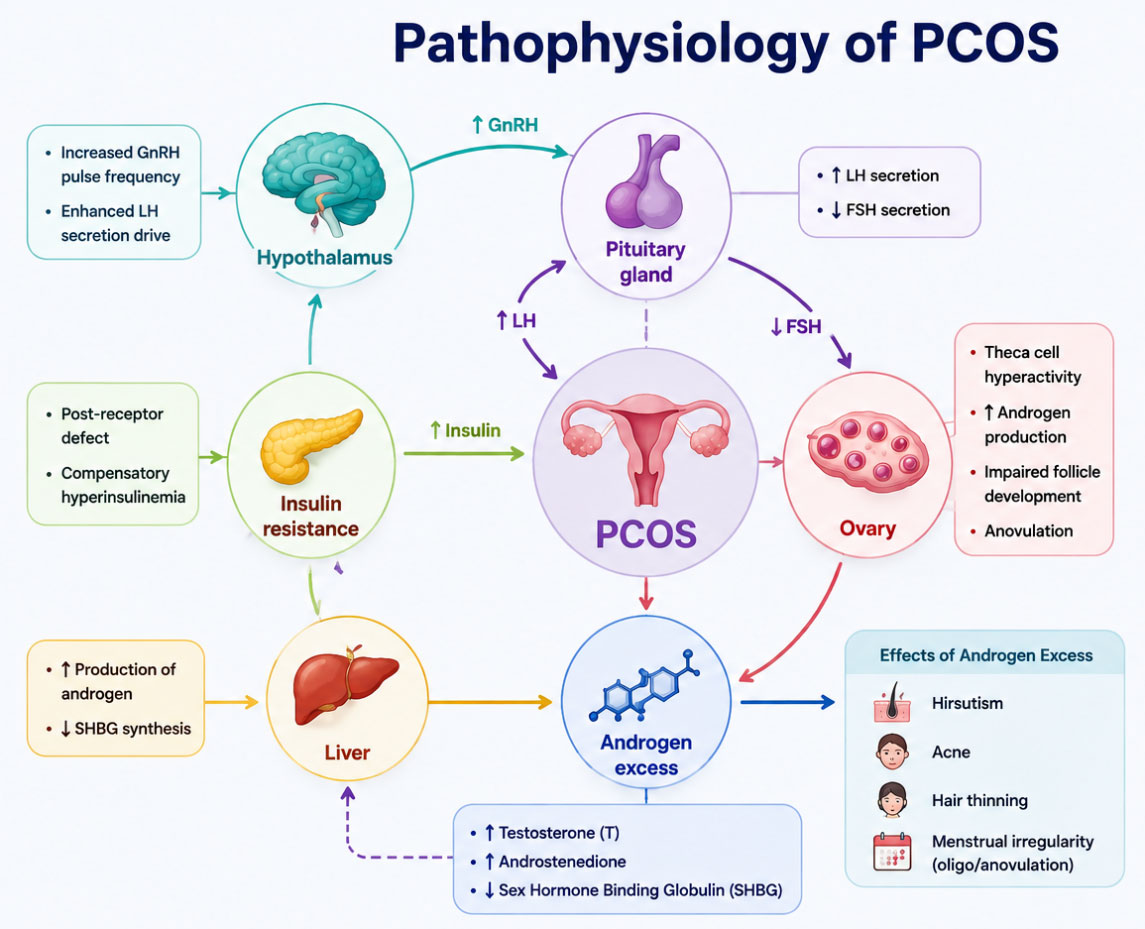
Automated PCOS Disease Detection Using Clinical and Diagnostic Features
Biomedical Informatics and Smart Healthcare | Volume 2, Issue 3: 108-128, 2026 | DOI: 10.62762/BISH.2026.255887
Abstract
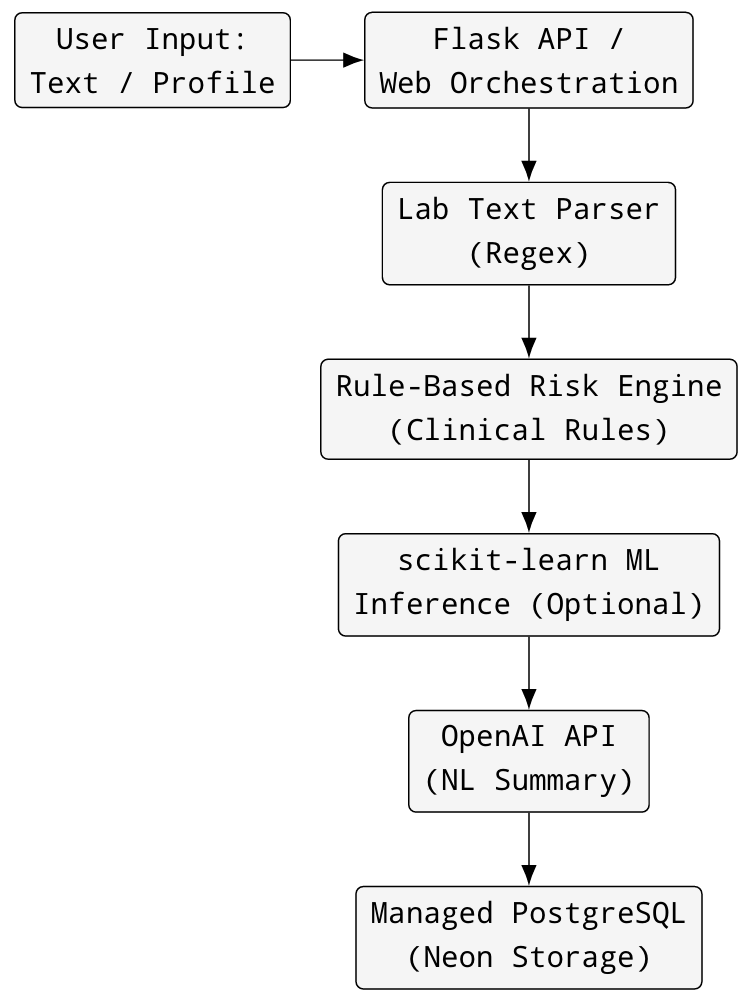
Polycystic Ovary Syndrome (PCOS) is a prevalent endocrine disorder affecting reproductive-age women, leading to infertility, hormonal imbalance, insulin resistance, and cardiovascular complications. Early diagnosis remains challenging due to heterogeneous manifestations, overlapping symptoms, and lack of automated screening tools. To address these issues, this study presents a comprehensive comparative framework for PCOS prediction using machine learning and deep learning on a public dataset of 541 patient records. The framework incorporates missing value imputation, feature standardization, SMOTE class balancing, and correlation-based feature selection. Five machine learning algorithms (Dec... More >

Graphical Abstract
Automated PCOS Disease Detection Using Clinical and Diagnostic Features
Open Access | Research Article | 29 June 2026
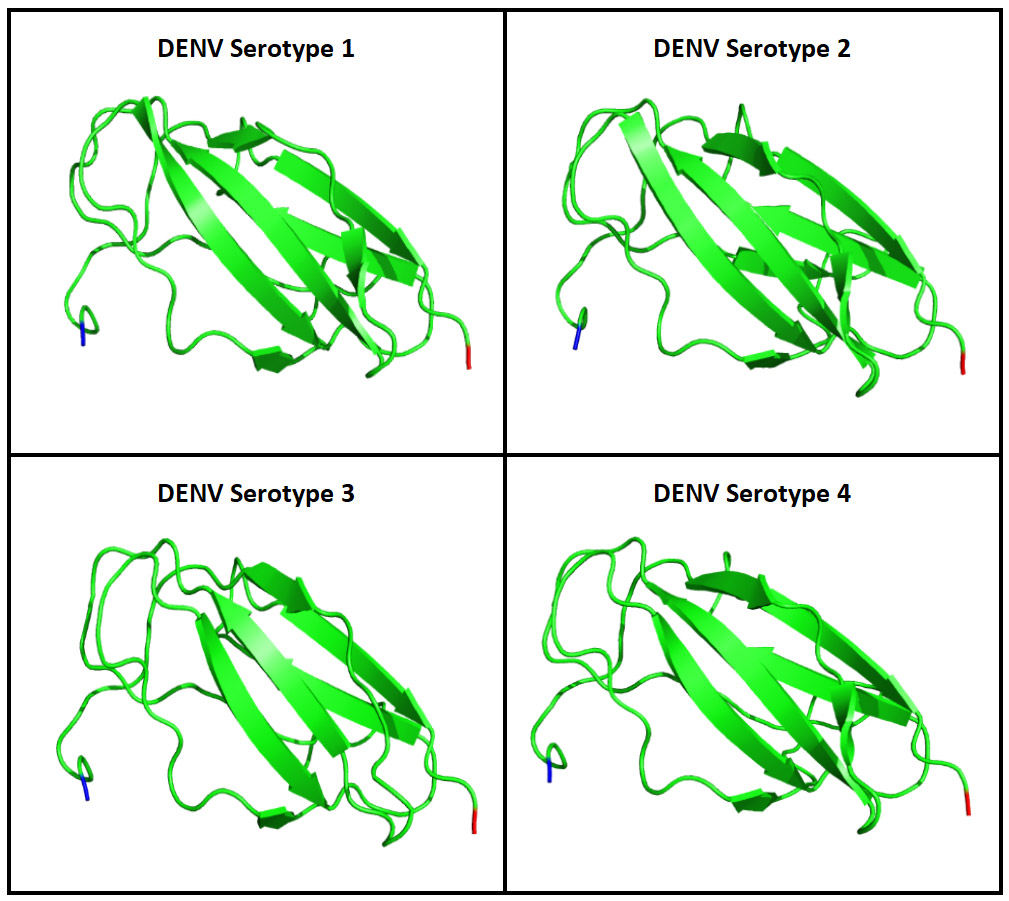
A Comparative Analysis of the Gene Sequences, Structural Models and Identification of Candidate Epitope of Dengue Envelope Protein Domain III
Biomedical Informatics and Smart Healthcare | Volume 2, Issue 2: 98-107, 2026 | DOI: 10.62762/BISH.2026.340536
Abstract
Dengue is a major public health concern in tropical and subtropical regions worldwide. The World Health Organization (WHO) classifies dengue as an endemic disease in more than 125 countries, with approximately 75% of the affected population residing in the Asia-Pacific region, including the Philippines. This study aimed to compare and analyze the four-dengue virus (DENV) serotypes in terms of gene and protein sequence alignment, structural modeling, and identification of candidate epitopes within envelope protein domain III (E-DIII). The DENV E-DIII region plays a critical role in host-cell interaction and is considered a promising immunogenic target for the development of dengue subunit vac... More >

Graphical Abstract
A Comparative Analysis of the Gene Sequences, Structural Models and Identification of Candidate Epitope of Dengue Envelope Protein Domain III
Open Access | Research Article | 27 June 2026
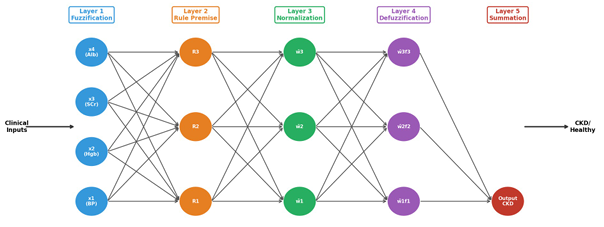
ANFIS-PSO: A Particle Swarm Optimized Adaptive Neuro-Fuzzy Inference System for Early Diagnosis and Risk Stratification of Chronic Kidney Disease
Biomedical Informatics and Smart Healthcare | Volume 2, Issue 2: 86-97, 2026 | DOI: 10.62762/BISH.2026.692582
Abstract
Chronic Kidney Disease (CKD) affects 697.5 million people globally, with \~{}115 million in India. Early detection is clinically challenging as the disease remains asymptomatic through stages 1–3, particularly in resource-limited rural settings like Madhya Pradesh. While high-accuracy black-box models (SVM, Random Forest, DNN) achieve 91.5–98% accuracy on the UCI CKD benchmark, they lack interpretability—creating a Transparency Gap that hinders clinical adoption. This paper proposes ANFIS-PSO, a Particle Swarm Optimization-tuned Adaptive Neuro-Fuzzy Inference System for early CKD diagnosis. A five-stage pipeline incorporating KNN imputation and Min-Max normalization was applied to the... More >

Graphical Abstract
ANFIS-PSO: A Particle Swarm Optimized Adaptive Neuro-Fuzzy Inference System for Early Diagnosis and Risk Stratification of Chronic Kidney Disease
Open Access | Research Article | 27 May 2026
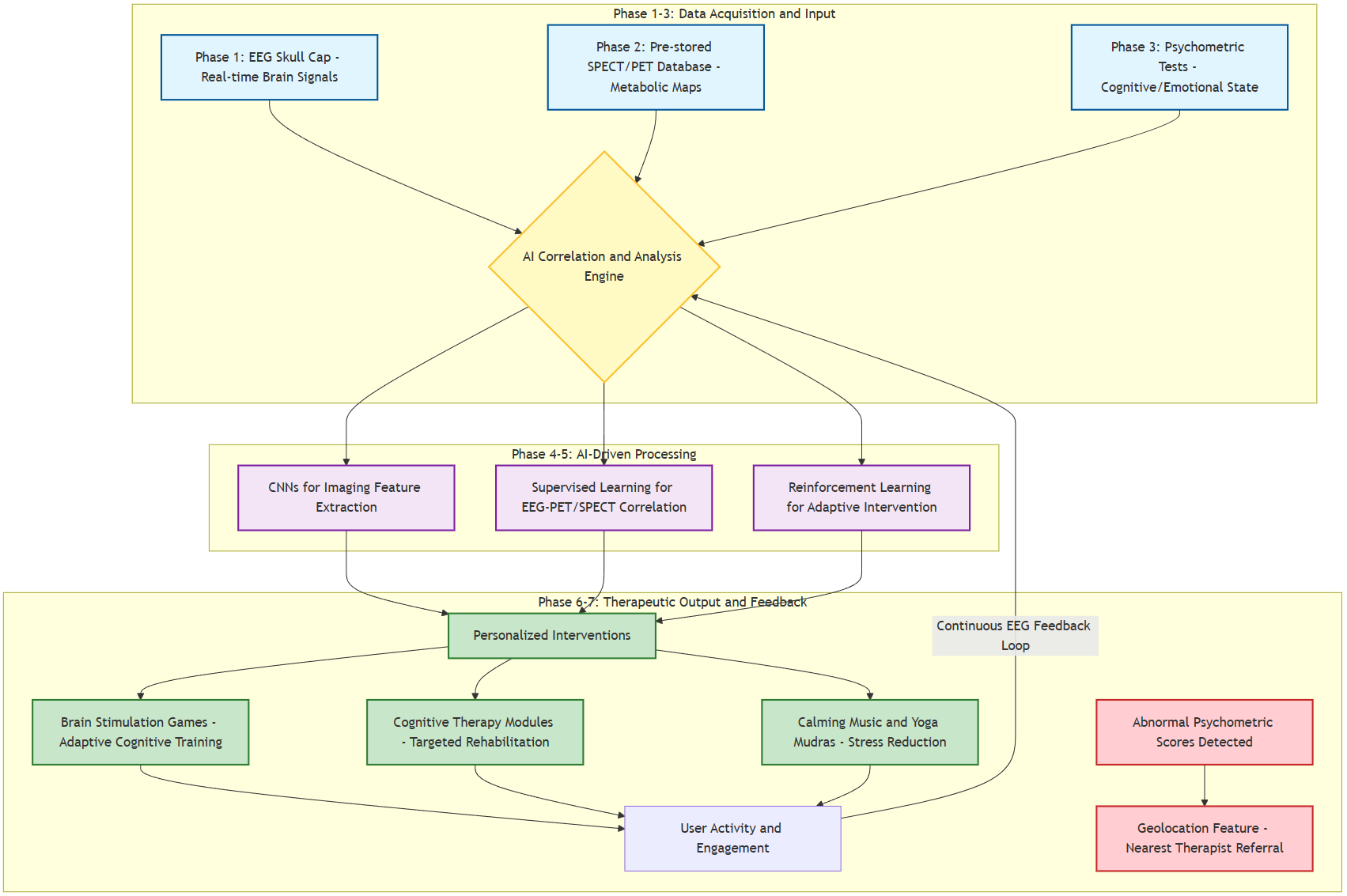
IRENIC: A Prototype and a Review for Developing a Non-invasive Device Revolutionizing the Neuro-diagnostics and Cognitive Therapy
Biomedical Informatics and Smart Healthcare | Volume 2, Issue 2: 79-85, 2026 | DOI: 10.62762/BISH.2026.779754
Abstract
Mental health disorders pose a significant global burden, yet integrated non-invasive tools for simultaneous neurodiagnosis and therapy remain limited. This paper introduces IRENIC, a wearable prototype integrating an EEG skull cap for real-time brain monitoring, pre-stored SPECT/PET databases, AR visualization, psychometric tools, AI algorithms — including CNNs and reinforcement learning — that correlate EEG with neuroimaging data including brain stimulation games, cognitive therapy, calming music, and yoga mudras. The validated conceptual design enables EEG acquisition, AI-powered multi-modal correlation, psychometric evaluation, and closed-loop therapy delivery within a single platfor... More >

Graphical Abstract

IRENIC: A Prototype and a Review for Developing a Non-invasive Device Revolutionizing the Neuro-diagnostics and Cognitive Therapy
Open Access | Research Article | 27 March 2026
Automated Brain Tumor Analysis from MRI Using Deep Learning
Biomedical Informatics and Smart Healthcare | Volume 2, Issue 1: 62-78, 2026 | DOI: 10.62762/BISH.2026.687557
Abstract
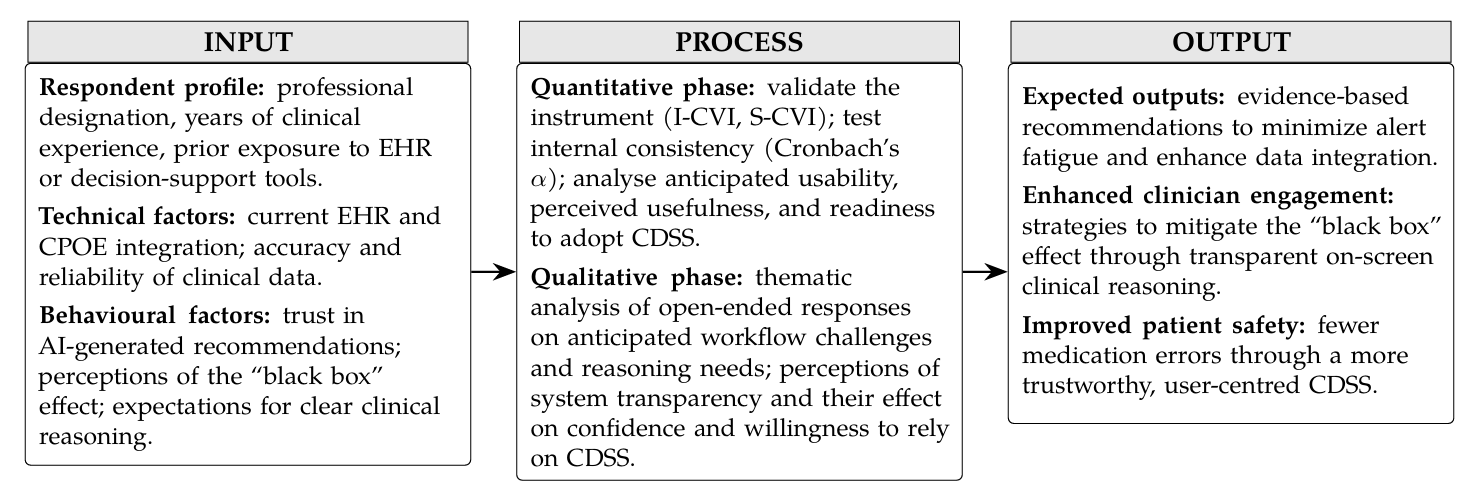
Accurate brain tumor classification from MRI remains essential for computer-assisted diagnosis, yet manual interpretation is time-consuming and variable. This study presents an EfficientNet-B0-based convolutional neural network for multi-class classification of glioma, meningioma, pituitary tumors, and no-tumor cases. The model was trained and evaluated on a public MRI dataset of 7023 images using a strict patient-level split to ensure unbiased assessment. A fixed EfficientNet-B0 backbone with a lightweight classification head reduces overfitting while maintaining stable learning. Performance was assessed via accuracy, precision, recall, F1-score, and specificity. The model achieved class-wi... More >

Graphical Abstract
Automated Brain Tumor Analysis from MRI Using Deep Learning
Open Access | Research Article | 21 March 2026
A Data-driven Framework for Modeling Environmental Exposure Mixtures, Biological Aging Acceleration, and Chronic Disease Risk in U.S. Adults
Biomedical Informatics and Smart Healthcare | Volume 2, Issue 1: 38-61, 2026 | DOI: 10.62762/BISH.2026.503823
Abstract
Environmental exposure biomarkers (EEBs) reflect the internal burden of pollutants, yet the joint effects of multiple exposures on biological aging and chronic disease risk remain insufficiently characterized. We analyzed 8,582 adults from the 2013-2016 National Health and Nutrition Examination Survey (NHANES). Mixed exposure was characterized using 74 EEBs. Phenotypic age acceleration and biological age acceleration were used as aging outcomes. Weighted quantile sum (WQS) regression, Bayesian kernel machine regression (BKMR), and LASSO regression were applied to identify key exposure components associated with aging acceleration. Logistic and Cox regression models were then used to evaluate... More >

Graphical Abstract
A Data-driven Framework for Modeling Environmental Exposure Mixtures, Biological Aging Acceleration, and Chronic Disease Risk in U.S. Adults
Open Access | Research Article | 12 March 2026 | Cited: Crossref logo  1
Bridging Predictive Modeling and Clinical Interpretability: An Explainable AI Approach to Parkinson’s Disease Detection
Biomedical Informatics and Smart Healthcare | Volume 2, Issue 1: 20-37, 2026 | DOI: 10.62762/BISH.2026.470997
Abstract
Parkinson’s disease (PD) is the second most common neurodegenerative disorder worldwide, predominantly affecting older adults. Early detection is crucial, as subtle motor and non-motor symptoms frequently overlap with other conditions, often resulting in delayed diagnosis. Many existing models rely on costly and less accessible imaging modalities such as MRI or PET scans, limiting their applicability in resource-constrained settings where only routine clinical data are available. This study develops interpretable AI models for early PD detection using structured clinical variables, incorporating feature selection techniques. Feature selection was conducted via Random Forest (RF) importance... More >

Graphical Abstract
Bridging Predictive Modeling and Clinical Interpretability: An Explainable AI Approach to Parkinson’s Disease Detection
Open Access | Research Article | 10 March 2026
A Tongue Image Dataset with Pathological Annotations for AI-assisted Diagnosis in Traditional Chinese Medicine
Biomedical Informatics and Smart Healthcare | Volume 2, Issue 1: 5-19, 2026 | DOI: 10.62762/BISH.2026.303296
Abstract
Tongue diagnosis is a core component of Traditional Chinese Medicine (TCM) with important clinical application value, yet its standardization is severely hampered by the subjectivity of manual interpretation and the lack of unified imaging acquisition protocols. Worse still, the scarcity of large-scale annotated datasets has become a key bottleneck restricting the development of artificial intelligence (AI)-assisted TCM tongue diagnosis technology. To address these critical issues, this study constructs a high-quality standardized dataset dedicated to AI-driven TCM tongue diagnosis research. The dataset contains 6,719 high-resolution tongue images collected under strictly standardized condit... More >

Graphical Abstract
A Tongue Image Dataset with Pathological Annotations for AI-assisted Diagnosis in Traditional Chinese Medicine

Journal Statistics

69
Authors
10
Countries / Regions
24
Articles
20
Scopus Citations
33.3% Cited
2025
Published Since
59,618
Article Views
15,417
Article Downloads
Biomedical Informatics and Smart Healthcare
eISSN: 3068-5524
Crossref
Crossref
Member of Crossref
Visit Crossref →