




Chinese Journal of Information Fusion

Partner Journal of The Chinese Society of Aeronautics and Astronautics

Publishing Model:
ISSN:
Online ISSN: 2998-3371 | Print ISSN: 2998-3363
Indexing: Google Scholar, Dimensions, J-Gate, OpenAIRE, Lens, ResearchGate, OpenAlex, WorldCat, EuroPub
Chinese Journal of Information Fusion is a peer-reviewed academic journal reflecting the achievements of cutting-edge research and application of information fusion technology, mainly publishing academic papers in the field of information fusion.
DOI Prefix: 10.62762/CJIF

Journal Metrics

-
Impact Factor
-
CiteScore

Recent Articles

Open Access | Research Article | 21 September 2025 | Cited: Crossref logo  4 , Scopus 5
Self-supervised Segmentation Feature Alignment for Infrared and Visible Image Fusion
Chinese Journal of Information Fusion | Volume 2, Issue 3: 223-236, 2025 | DOI: 10.62762/CJIF.2025.822280
Abstract
Existing deep learning-based methods for infrared and visible image fusion typically operate independently of other high-level vision tasks, overlooking the potential benefits these tasks could offer. For instance, semantic features from image segmentation could enrich the fusion results by providing detailed target information. However, segmentation focuses on target-level semantic feature information (e.g., object categories), while fusion focuses more on pixel-level detail feature information (e.g., local textures), creating a feature representation gap. To address this challenge, we propose a self-supervised segmentation feature alignment fusion network (SegFANet), which aligns target-le... More >

Graphical Abstract
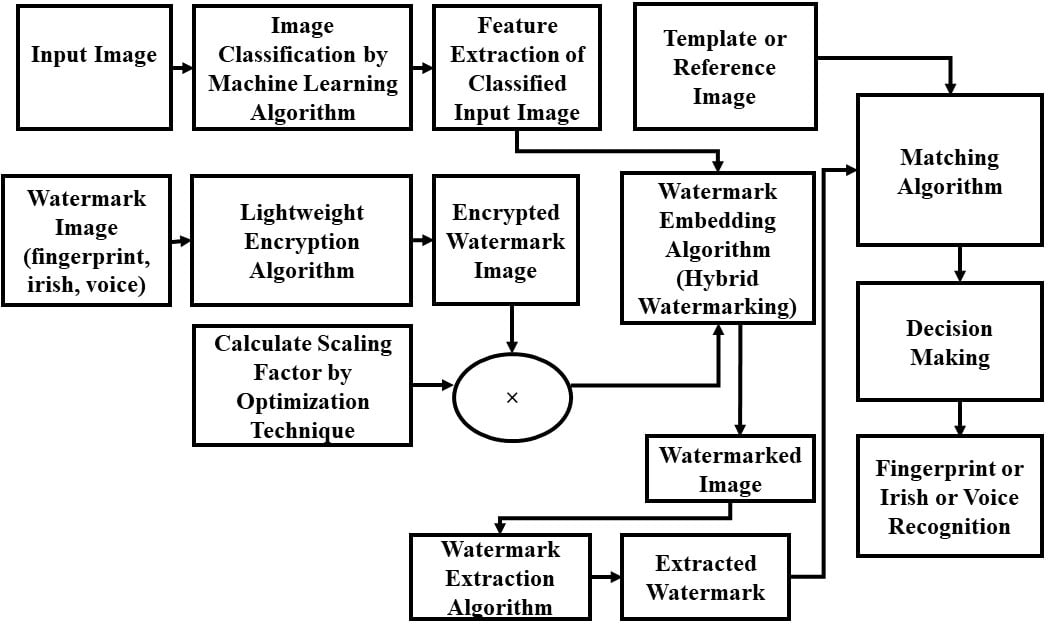
Self-supervised Segmentation Feature Alignment for Infrared and Visible Image Fusion
Open Access | Research Article | 18 September 2025 | Cited: Crossref logo  1 , Scopus 1
Cross and Relative Entropies of Mass Functions Inspired by the Plausibility Entropy
Chinese Journal of Information Fusion | Volume 2, Issue 3: 212-222, 2025 | DOI: 10.62762/CJIF.2025.592789
Abstract
Related concepts of entropy play a very important role in dealing with uncertainty in terms of Shannon's information theory. However, for uncertain information involving epistemic uncertainty, which is usually modelled by using Dempster-Shafer theory, the concepts of cross entropy and relative entropy are still not well defined currently. Facing this issue, by reviewing and importing existing related work, this study gives new definitions of cross entropy and relative entropy of mass functions, which are respectively named as cross plausibility entropy and relative plausibility entropy since they are both based on an uncertainty measure called plausibility entropy. The properties of cross an... More >

Graphical Abstract
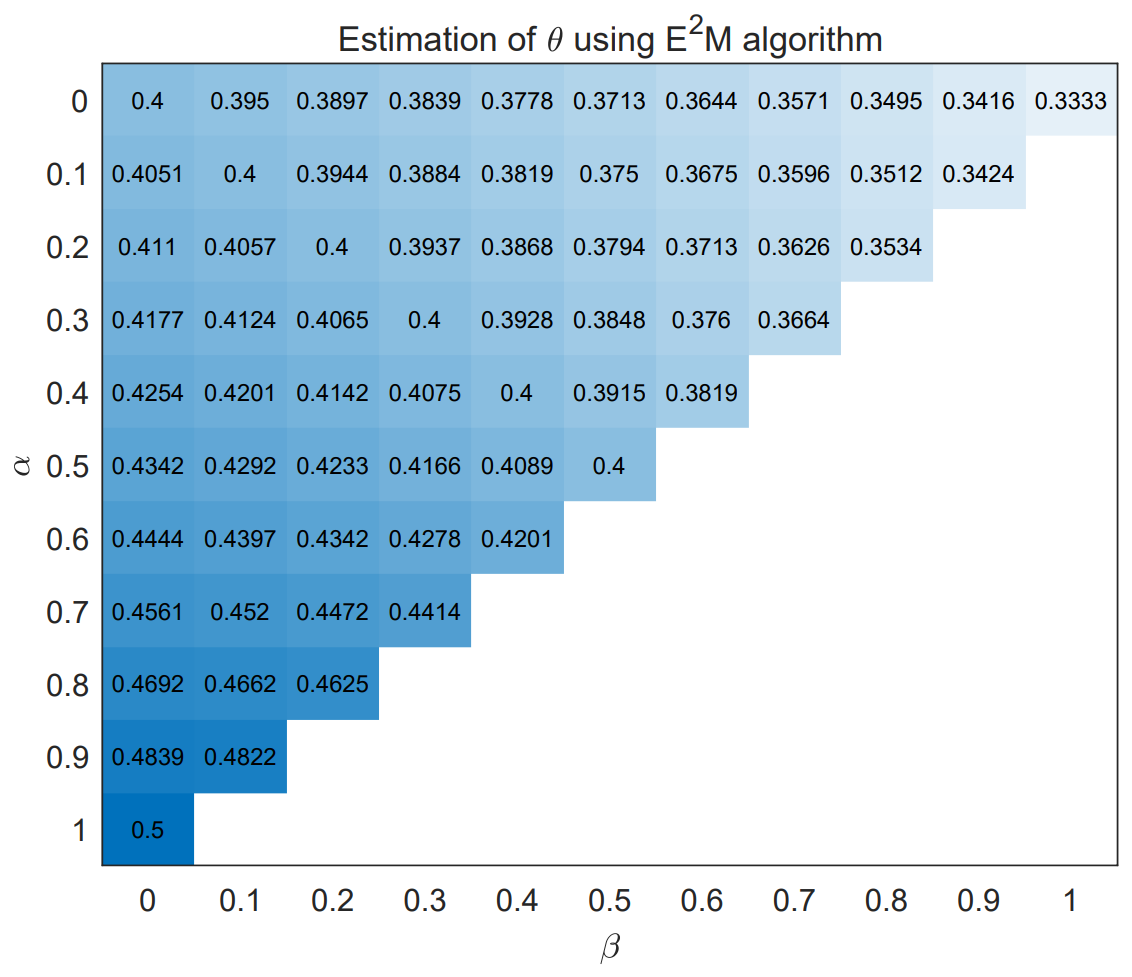
Cross and Relative Entropies of Mass Functions Inspired by the Plausibility Entropy
Open Access | Research Article | 20 July 2025
Distributed Group Target Tracking under Limited Field-of-View Sensors Using Belief Propagation
Chinese Journal of Information Fusion | Volume 2, Issue 3: 194-211, 2025 | DOI: 10.62762/CJIF.2025.314716
Abstract
This paper considers the distributed group target tracking (DGTT) problem under sensors with limited and different field of views (FoVs). Usually, for the tracking of groups, targets within groups are closely spaced and move in a coordinated manner. These groups can split or merge, and the numbers of targets in groups may be large, which lead to more challenging issues related to data association, filtering and computational complexities. Particularly, these challenges may be further complicated in distributed fusion system architectures. To deal with these difficulties, we propose a consensus-based DGTT method within the belief propagation (BP) framework, which introduces undetected targets... More >

Graphical Abstract
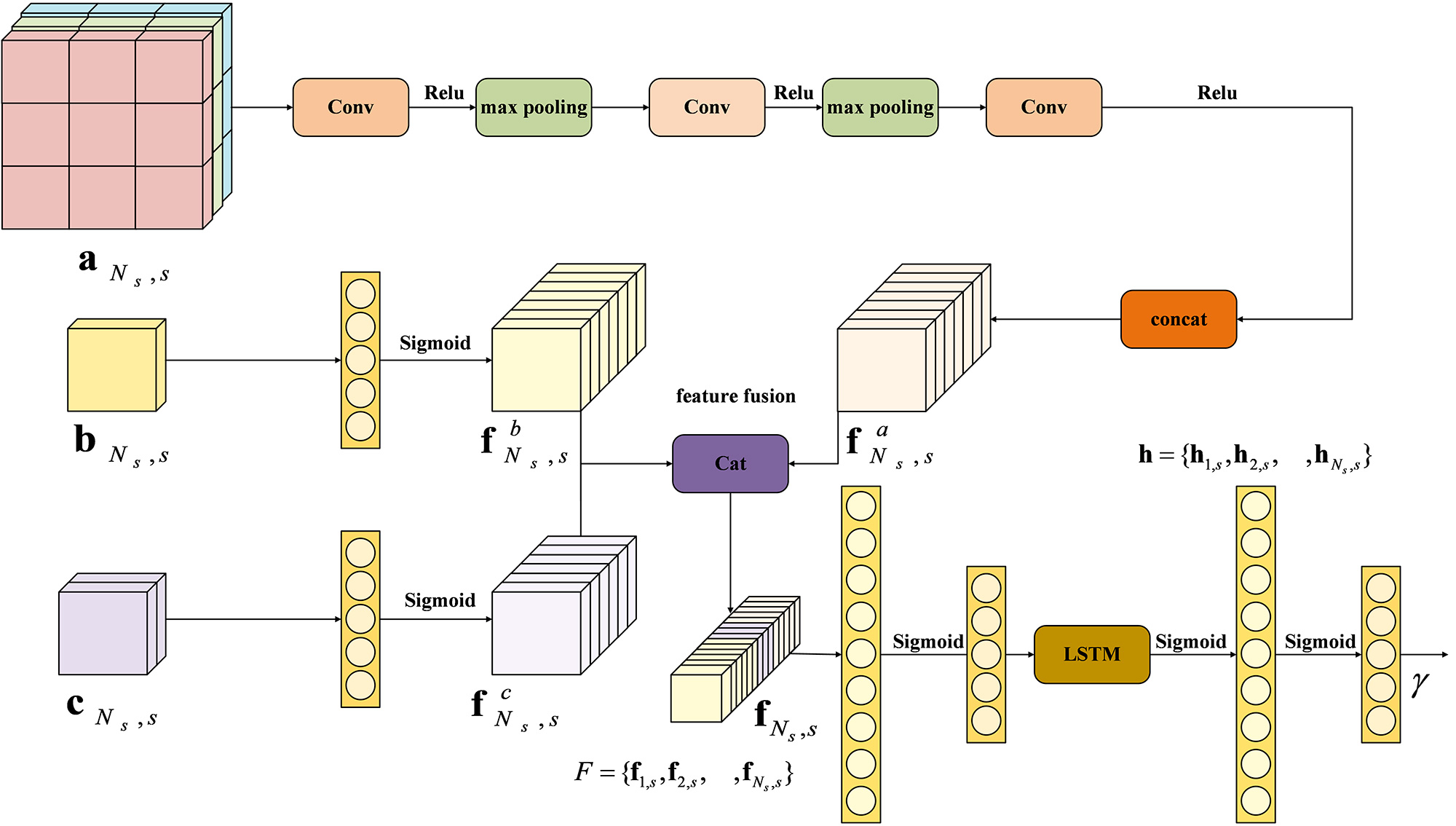
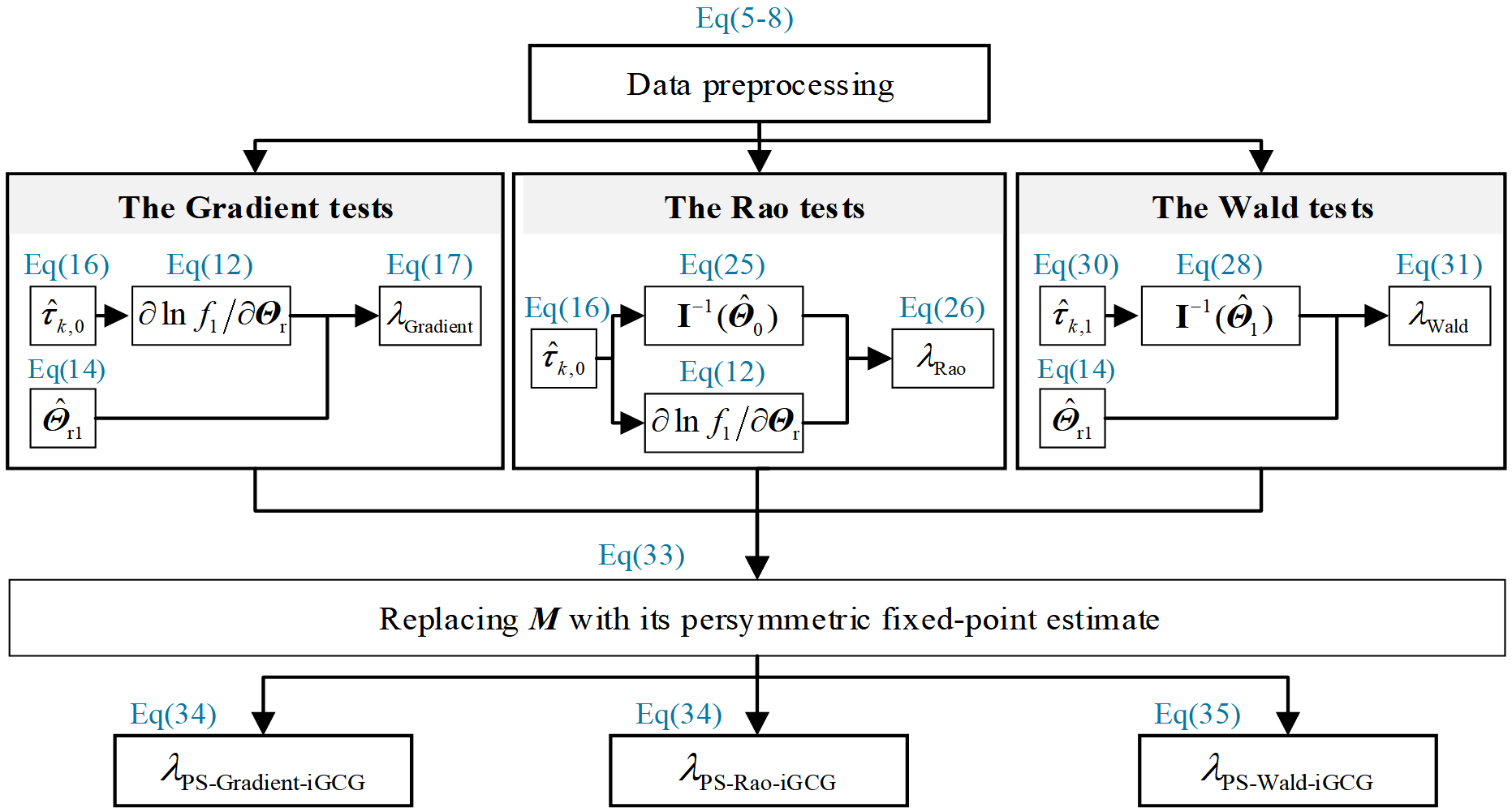
Distributed Group Target Tracking under Limited Field-of-View Sensors Using Belief Propagation
Open Access | Research Article | 28 June 2025 | Cited: Crossref logo  1 , Scopus 1
Particle Swarm Optimization-Based Joint Integrated Probabilistic Data Association Filter for Multi-Target Tracking
Chinese Journal of Information Fusion | Volume 2, Issue 2: 182-193, 2025 | DOI: 10.62762/CJIF.2025.506643
Abstract
The joint integrated probabilistic data association (JIPDA) filter is effective for automatic multi-target tracking in cluttered environments. However, it is well-known that when targets are closely spaced, the JIPDA filter encounters the track coalescence problem, leading to inaccurate state estimations. This paper proposes a novel particle swarm optimization-based JIPDA (PSO-JIPDA) algorithm, which improves the state estimation accuracy by optimizing the posterior probability density, effectively addressing the information fusion challenge in multi-target tracking scenarios with closely spaced targets. The trace of the covariance matrix of the posterior density serves as the objective func... More >

Graphical Abstract

Particle Swarm Optimization-Based Joint Integrated Probabilistic Data Association Filter for Multi-Target Tracking
Open Access | Research Article | 25 June 2025 | Cited: Crossref logo  1 , Scopus 1
A Track Splitting Determination Method for Elliptical Extended Targets Based on Spatio Temporal Similarity
Chinese Journal of Information Fusion | Volume 2, Issue 2: 171-181, 2025 | DOI: 10.62762/CJIF.2025.519610
Abstract
Extended target tracking in occlusion scenarios often suffers from split errors due to sensor limitations and complex target interactions, leading to degraded tracking performance for autonomous vehicles and surveillance systems. To address this issue, in this paper, we propose a Gaussian Wasserstein distance-enhanced spatio-temporal similarity method for split error correction. We first analyze the spatio-temporal characteristics of split extended targets and model their geometric uncertainties via elliptical Gaussian distributions. Then, we integrate the Gaussian Wasserstein distance into the clue-aware trajectory similarity calculation framework to simultaneously capture positional and sh... More >

Graphical Abstract

A Track Splitting Determination Method for Elliptical Extended Targets Based on Spatio Temporal Similarity
Open Access | Research Article | 24 June 2025 | Cited: Crossref logo  3 , Scopus 2
Multi-Source Information Fusion for Anomaly Detection in Smart Grids Using Federated Learning
Chinese Journal of Information Fusion | Volume 2, Issue 2: 157-170, 2025 | DOI: 10.62762/CJIF.2025.220738
Abstract
The wide-ranging expansion of smart grid networks has resulted in insurmountable difficulties that must be overcome to ensure the security and reliability of crucial energy infrastructures. The information system can be subjected to threats such as cyber-attacks or hardware malfunctioning resulting in a data integrity compromise which implies that the system will consequently not operate correctly. Anomaly detection methods that are relying on centralized data aggregation are problematic to the issues of data privacy and scalability resulting from such approaches. In this paper, we present a completely distinct approach that is based on federated learning that is employed in anomaly detectio... More >

Graphical Abstract
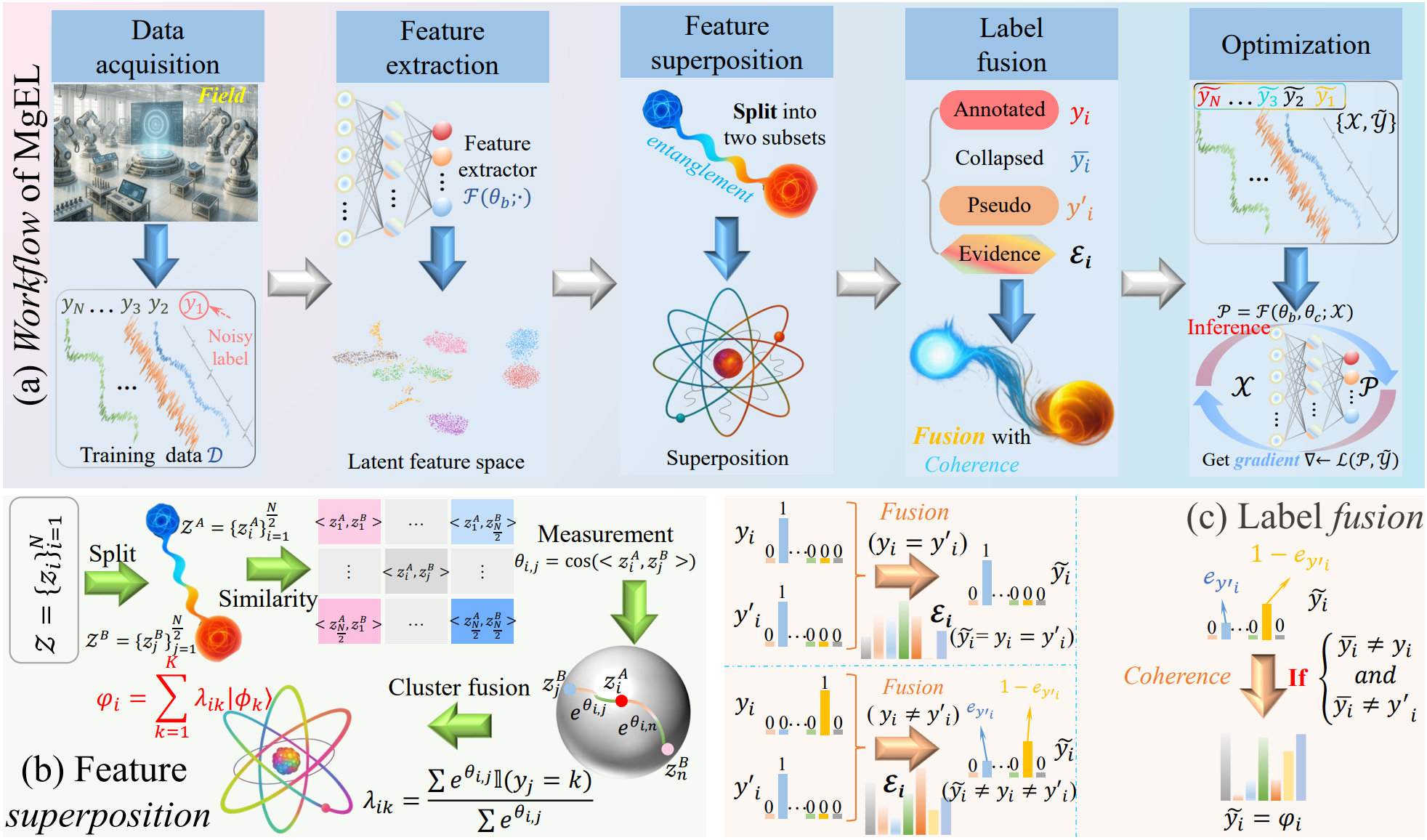
Multi-Source Information Fusion for Anomaly Detection in Smart Grids Using Federated Learning
Open Access | Research Article | 25 May 2025
Knowledge Graph Reasoning with Quantum-Inspired Reinforcement Learning
Chinese Journal of Information Fusion | Volume 2, Issue 2: 144-156, 2025 | DOI: 10.62762/CJIF.2025.552445
Abstract
Knowledge reasoning is a critical task in information fusion systems, and its core step is reasoning missing information from existing facts to improve the knowledge graphs. Embedding-based reasoning methods and path-based reasoning methods are two mainstream knowledge reasoning methods. Embedding-based reasoning methods enable fast and direct reasoning but are limited to simple relationships between entities and exhibit poor performance in reasoning complex logical relationships. Path-based reasoning methods perform better in complex reasoning tasks, but suffer from high computational complexity, a large number of model parameters, and low reasoning efficiency. To address the aforementioned... More >

Graphical Abstract
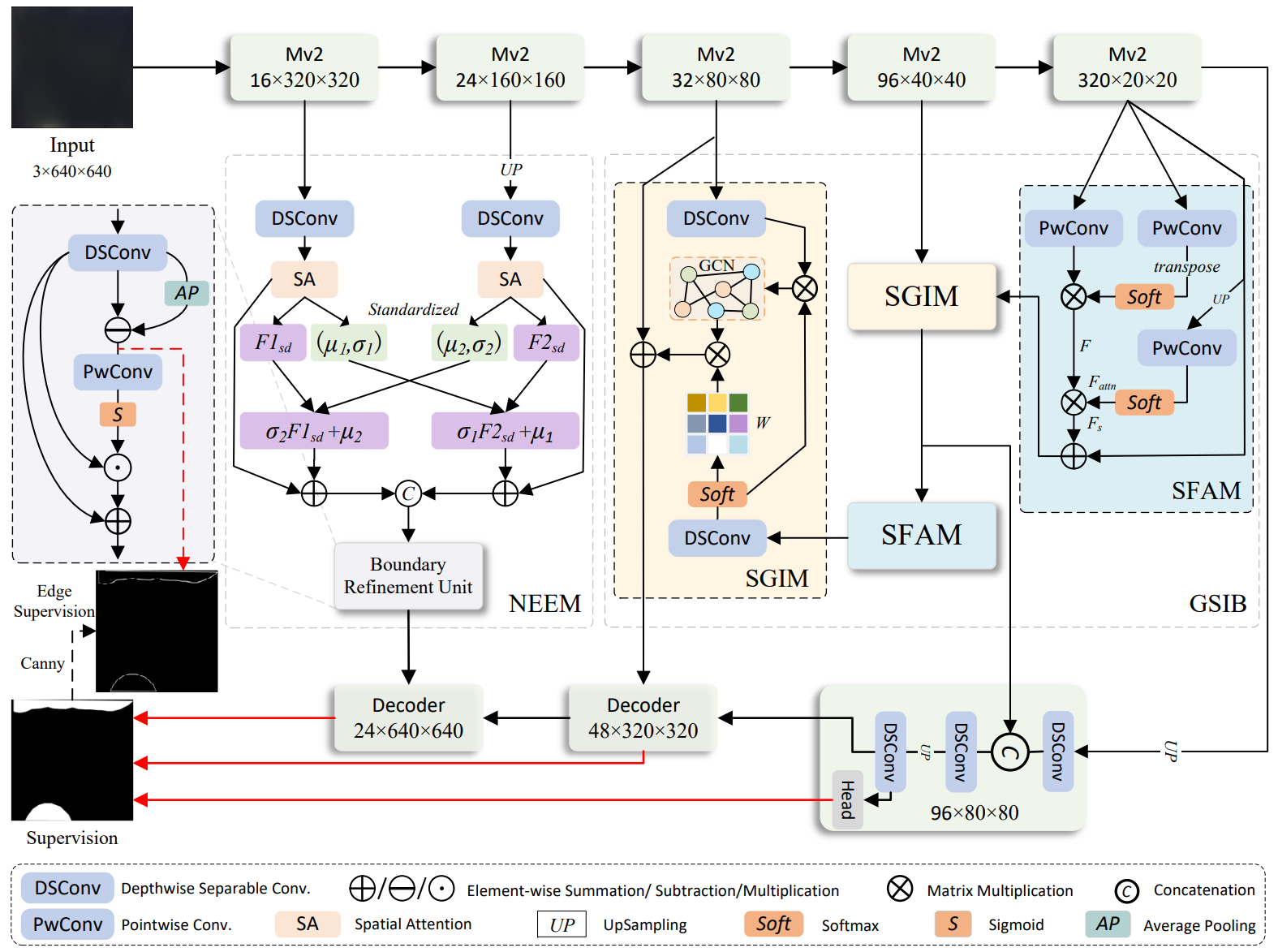
Knowledge Graph Reasoning with Quantum-Inspired Reinforcement Learning
Open Access | Research Article | 27 April 2025 | Cited: Crossref logo  3 , Scopus 3
EFSOD: Enhanced Feature based Small Object Detection Network in Remote Sensing Images
Chinese Journal of Information Fusion | Volume 2, Issue 2: 127-143, 2025 | DOI: 10.62762/CJIF.2025.845143
Abstract
Due to the poor imaging quality of remote sensing images and the small size of targets, remote sensing small target detection has become a current research difficulty and hotspot. Recent years have seen many new algorithms. Remote sensing small target detection methods based on image super-resolution reconstruction have attracted many researchers due to their excellent performance. However, these algorithms still have problems such as weak feature extraction capability and insufficient feature fusion. Then, we propose Enhanced Feature based Small Target Detection Network in Remote Sensing Images (EFSOD), which includes a Edge Enhancement Super-Resolution Reconstruction Module (EESRM) and a C... More >

Graphical Abstract
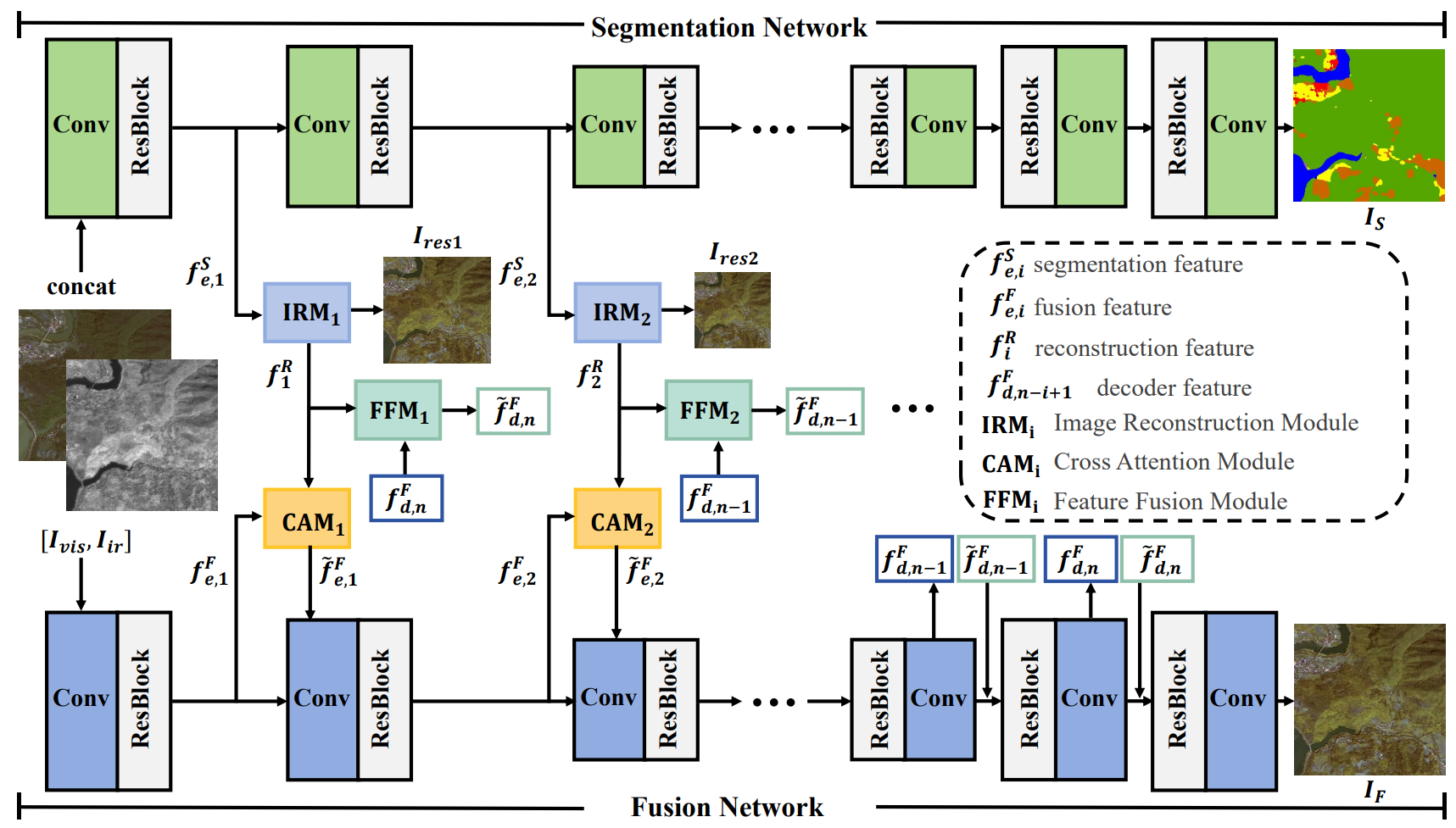
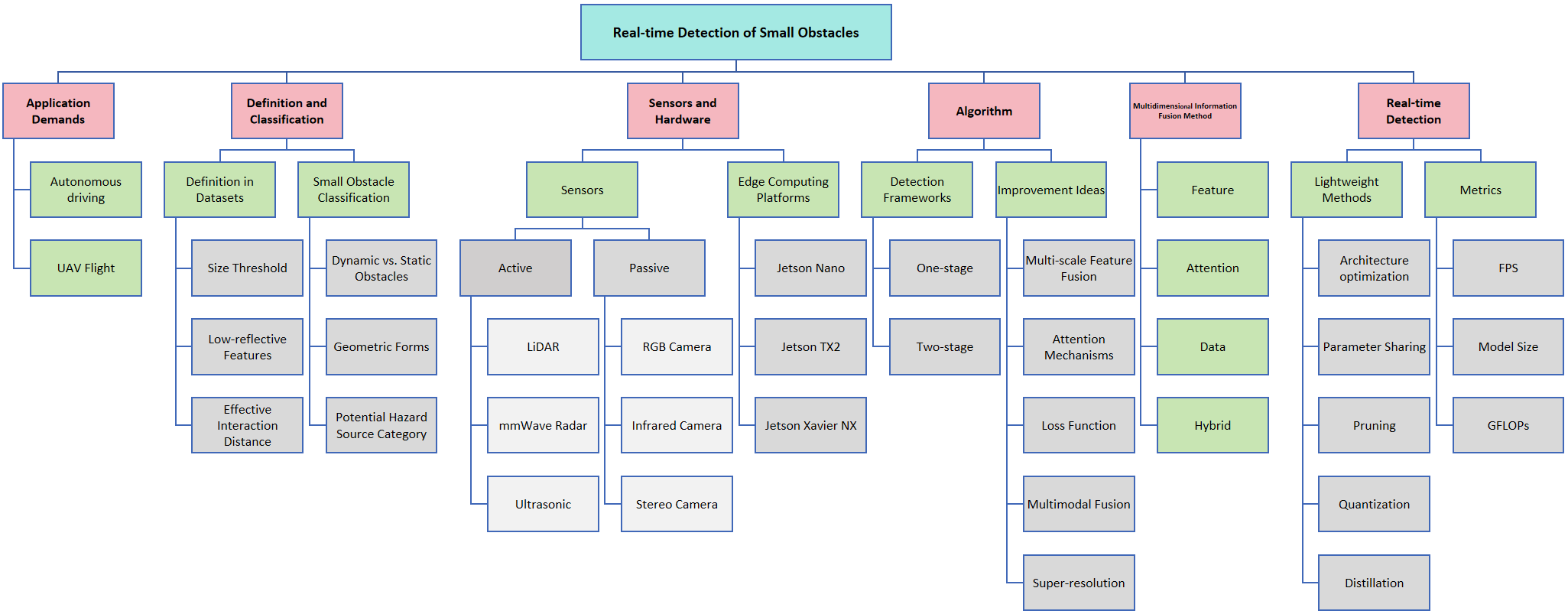
EFSOD: Enhanced Feature based Small Object Detection Network in Remote Sensing Images

Journal Statistics

196
Authors
16
Countries / Regions
49
Articles
Scopus: 143
Citations
2024
Published Since
205,194
Article Views
32,728
Article Downloads
Chinese Journal of Information Fusion
eISSN: 2998-3371 | pISSN: 2998-3363
Crossref
Crossref
Member of Crossref
Visit Crossref →
Portico
Portico
All published articles are preserved here permanently
View Archive →