





ICCK Transactions on Advanced Computing and Systems

Publishing Model:
ISSN:
ISSN: 3068-7969
Indexing: DOAJ Indexed
ICCK Transactions on Advanced Computing and Systems is a peer-reviewed journal dedicated to publishing innovative research in the field of advanced computing and systems.
DOI Prefix: 10.62762/TACS

Journal Metrics

-
Impact Factor
-
CiteScore

Recent Articles

Open Access | Research Article | 30 June 2025 | Cited: Scopus 1
Comparison of Machine Learning and Deep Learning Models for Part-of-Speech Tagging
ICCK Transactions on Advanced Computing and Systems | Volume 1, Issue 2: 106-116, 2025 | DOI: 10.62762/TACS.2025.493945
Abstract
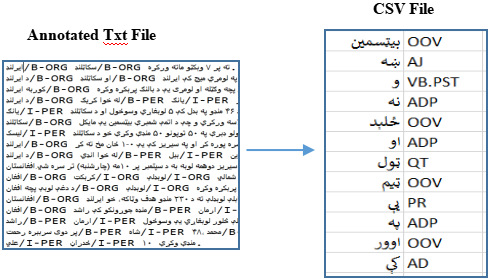
The process of assigning grammatical categories, such as ``Noun'' and ``Verb,'' to every word in a text corpus is known as part-of-speech (POS) tagging. This technique is widely used in applications like sentiment analysis, machine translation, and other linguistic and computational tasks. However, the unique features of the Pashto language and its limited resources present significant challenges for POS tagging. This study explores the critical role of POS tagging in the Pashto language by employing six popular deep-learning and machine-learning techniques. Experimental results demonstrate machine learning methods' effectiveness in capturing Pashto text's grammatical patterns. The evaluatio... More >

Graphical Abstract
Comparison of Machine Learning and Deep Learning Models for Part-of-Speech Tagging
Open Access | Review Article | 27 May 2025 | Cited: Crossref logo  1
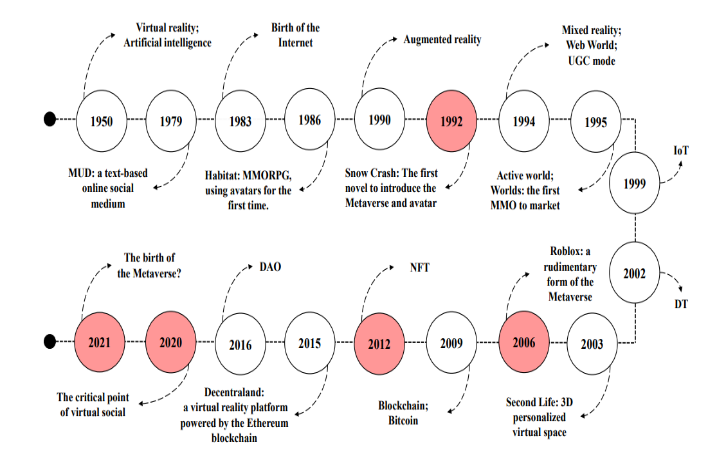
Metaverse Journey Exploring Requirements, Architectural Frameworks, Standards, Challenges and Vision
ICCK Transactions on Advanced Computing and Systems | Volume 1, Issue 2: 97-105, 2025 | DOI: 10.62762/TACS.2024.309607
Abstract
The Metaverse represents a virtual realm that is progressively supplanting the digital world, offering a unified, immersive, and enduring 3D virtual space. Its potential for transforming various aspects of human life is immense, spanning work, leisure, and everyday activities. It delves into the essential elements of the metaverse, including its prerequisites, structure, standards, challenges, and potential solutions. Bitcoin and the rise of NFTs also attract attention to the blockchain ecosystem. This increased focus on blockchain prompted discussions about the metaverse. Mark Zuckerberg, the CEO of Facebook, announced the company's transformation into a metaverse-focused entity and its ren... More >

Graphical Abstract
Metaverse Journey Exploring Requirements, Architectural Frameworks, Standards, Challenges and Vision
Open Access | Research Article | 25 May 2025 | Cited: Scopus 1
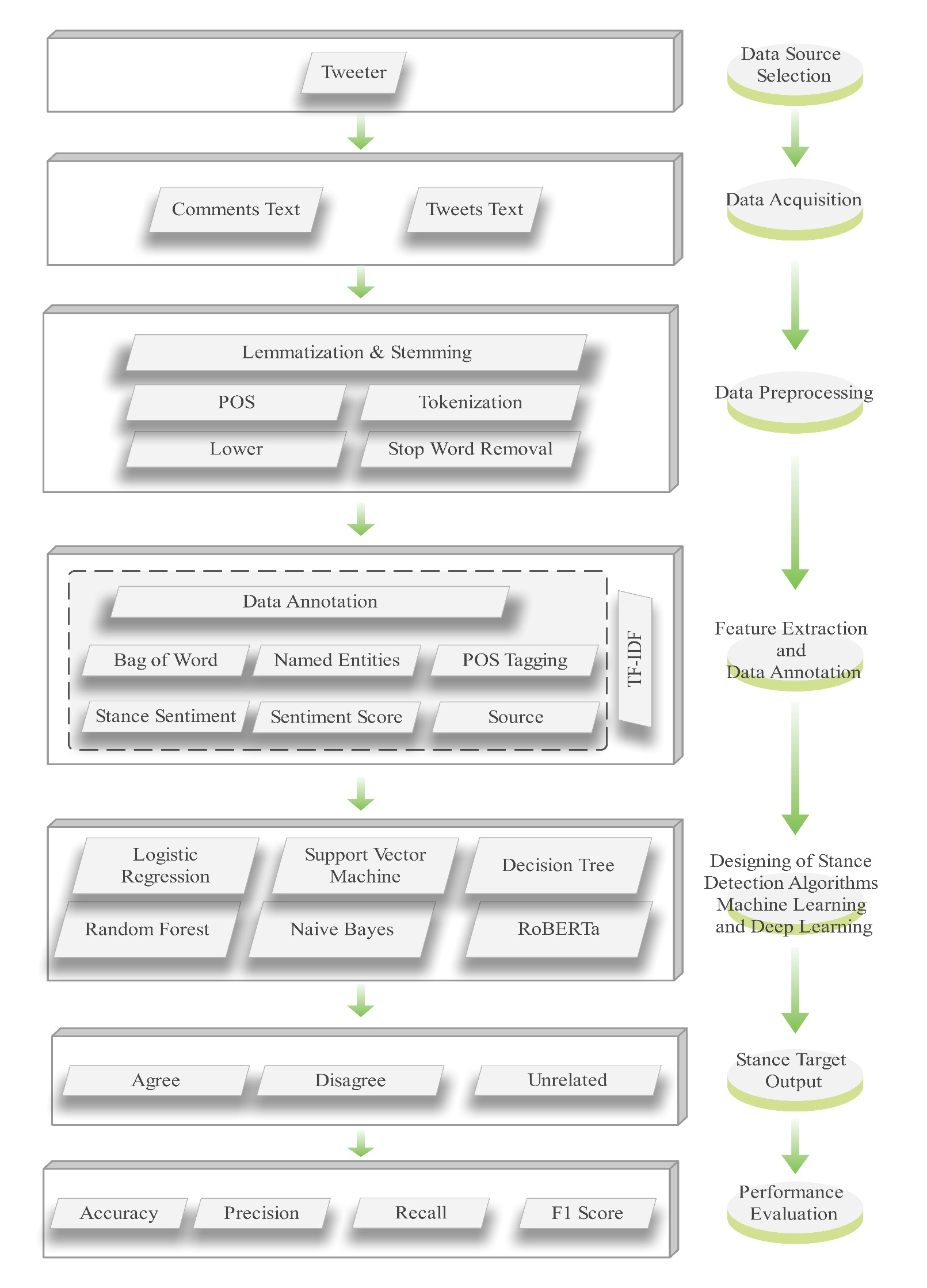
Comparing Fine-Tuned RoBERTa with Traditional Machine Learning Models for Stance Detection in Political Tweets
ICCK Transactions on Advanced Computing and Systems | Volume 1, Issue 2: 78-96, 2025 | DOI: 10.62762/TACS.2025.928069
Abstract
Stance detection identifies a text’s position or attitude toward a given subject. A major challenge in Roman Urdu is the lack of a publicly available dataset for political stance detection. To address this gap, we constructed a high-quality dataset of 8,374 political tweets and comments using the Twitter API, annotated with stance labels: agree, disagree, and unrelated. The dataset captures diverse political viewpoints and user interactions. For feature representation, we employed TF-IDF due to its effectiveness in handling high-dimensional, context-sensitive Roman Urdu text. Several machine learning classifiers were evaluated, with Random Forest achieving the highest accuracy of 95%. Addi... More >

Graphical Abstract
Comparing Fine-Tuned RoBERTa with Traditional Machine Learning Models for Stance Detection in Political Tweets
Open Access | Research Article | 15 May 2025 | Cited: Scopus 1
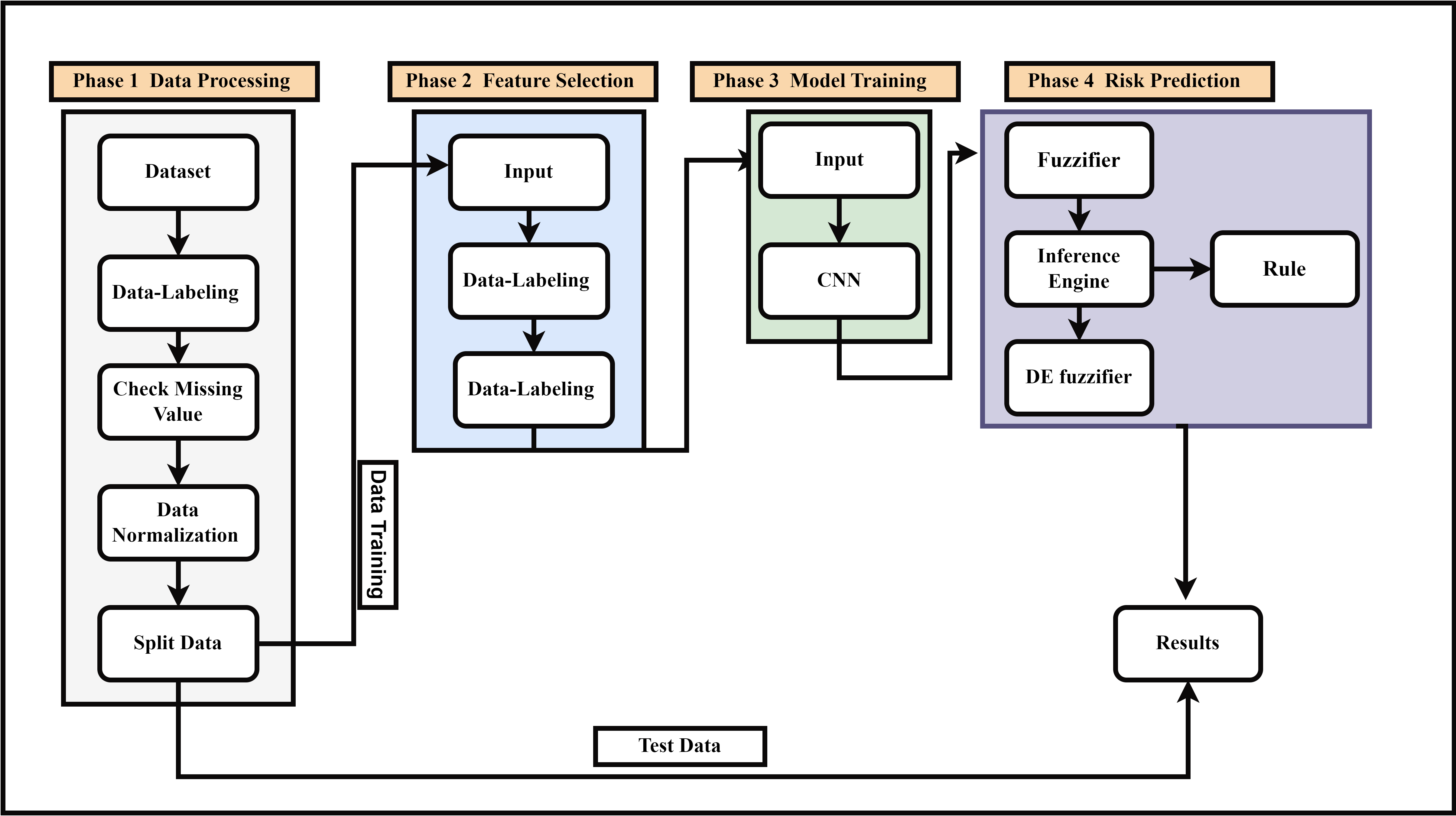
FuzzDL-HeartPredict: Heart Attack Risk Prediction using Fuzzy Logic and Deep Learning
ICCK Transactions on Advanced Computing and Systems | Volume 1, Issue 2: 63-77, 2025 | DOI: 10.62762/TACS.2025.794425
Abstract
Across the globe, heart diseases rank as the top cause of death, with their incidence steadily rising. However, early detection before a cardiac event (e.g., cardiac arrest) remains a significant challenge. Although the healthcare sector possesses extensive data on heart disease, the effective use of this data for timely detection is essential to protect from such events. This paper proposes an innovative approach using fuzzy logic (FL), convolutional neural network (CNN) models, and feature selection to more accurately assess the risk of heart attacks. Our study also emphasizes the importance of data preprocessing, including data transformation, cleaning, and normalization, to facilitate th... More >

Graphical Abstract
FuzzDL-HeartPredict: Heart Attack Risk Prediction using Fuzzy Logic and Deep Learning
Open Access | Research Article | 31 March 2025 | Cited: Crossref logo  4 , Scopus 9
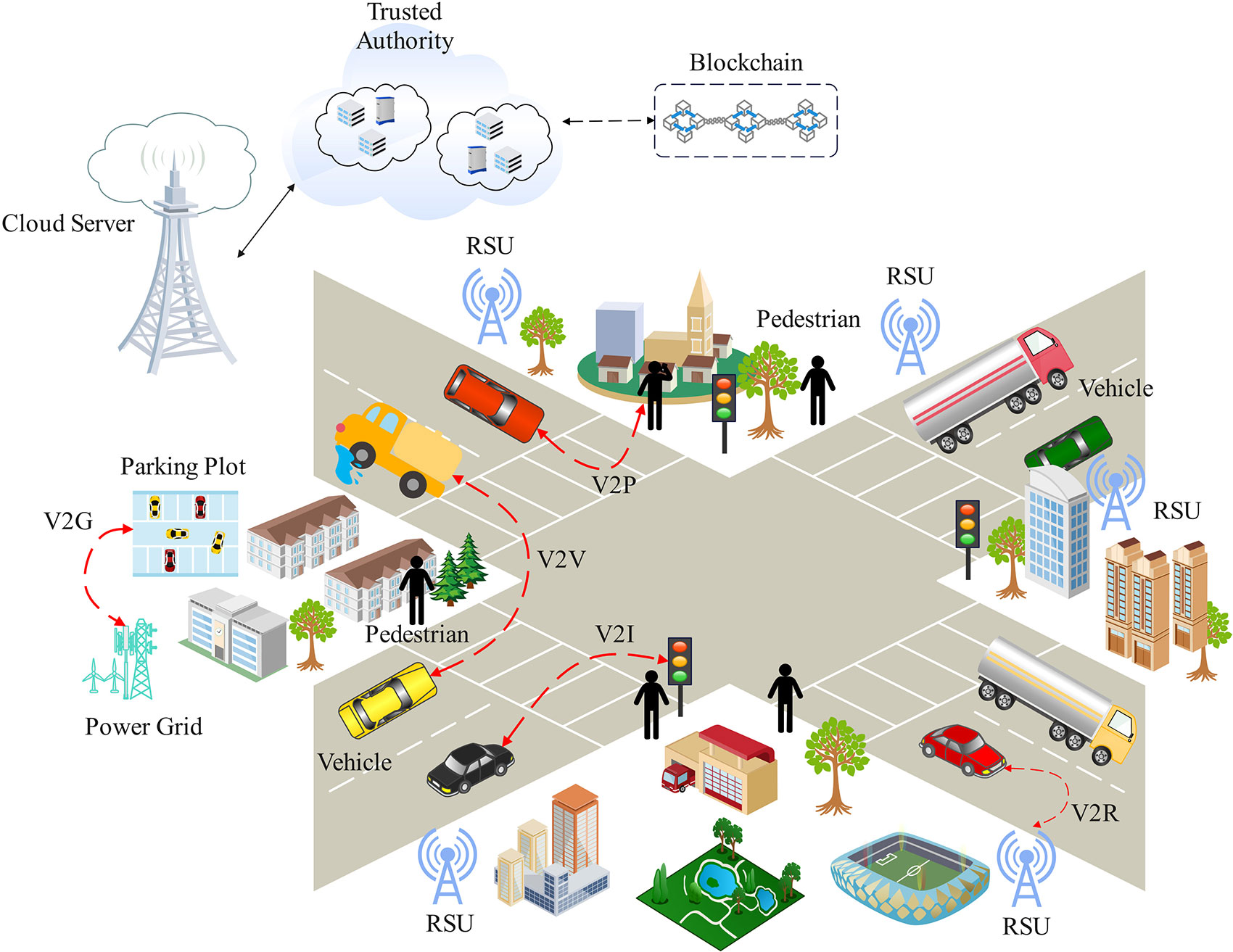
Enhancing Authentication Security in Internet of Vehicles: A Blockchain-Driven Approach for Trustworthy Communication
ICCK Transactions on Advanced Computing and Systems | Volume 1, Issue 1: 48-62, 2025 | DOI: 10.62762/TACS.2025.835144
Abstract
The Internet of Vehicles (IoVs) is an emerging technology that enhances transportation systems by enabling interactions between vehicles, infrastructure, and other entities. Securing IoV networks from cyber threats like eavesdropping, data tampering, and intrusions is a major challenge. This research presents a Blockchain-Enabled Secure Authentication Protocol for IoVs (BESA-IOV), which leverages blockchain’s decentralized and tamper-resistant nature for secure communication in vehicular networks. By utilizing ECC-based lightweight cryptography and blockchain-based public key management, it ensures strong authentication, confidentiality, and integrity. The results show that BESA-IOV signif... More >

Graphical Abstract
Enhancing Authentication Security in Internet of Vehicles: A Blockchain-Driven Approach for Trustworthy Communication
Open Access | Research Article | 31 March 2025 | Cited: Crossref logo  8 , Scopus 9
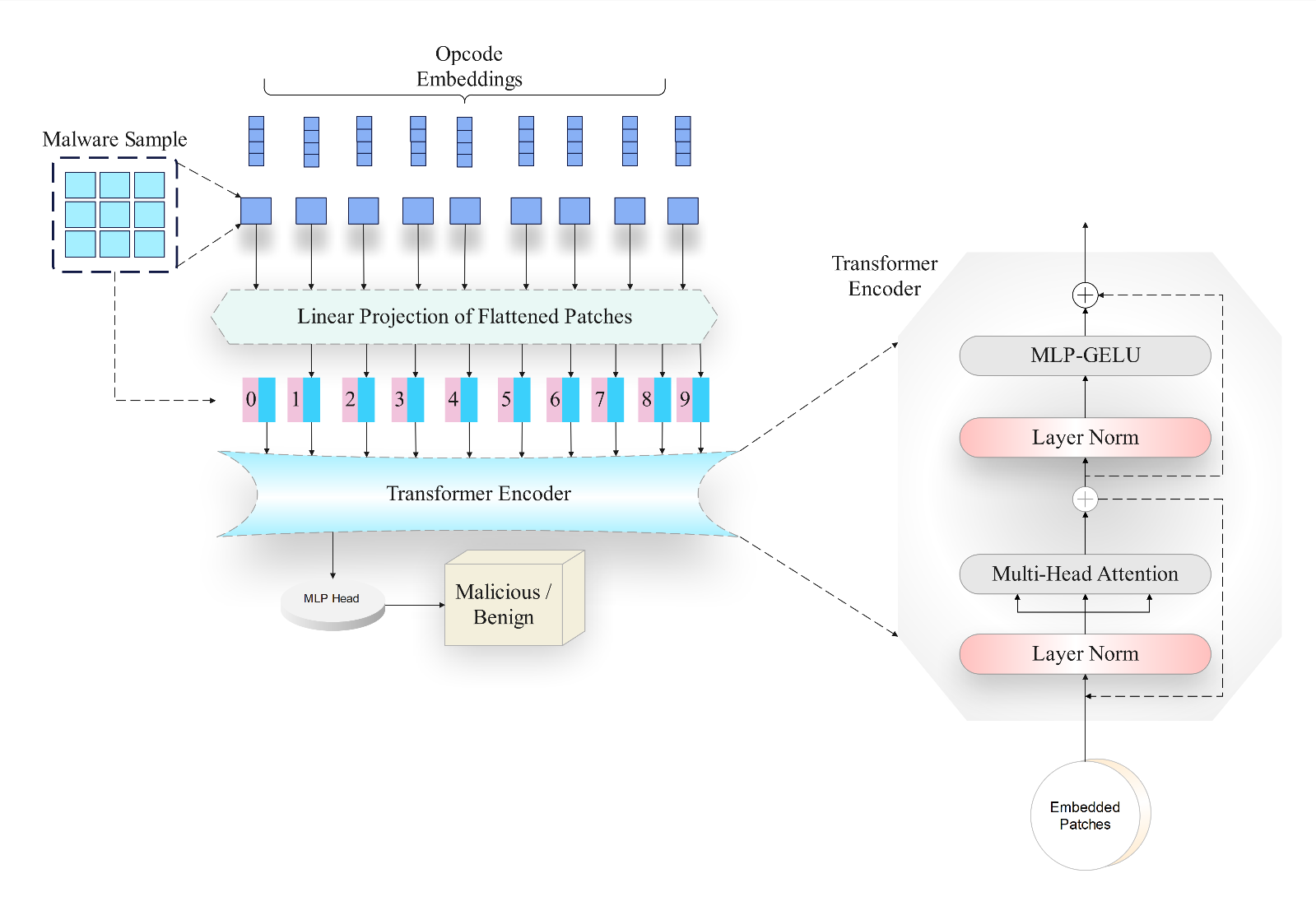
ViTDroid and Hybrid Models for Effective Android and IoT Malware Detection
ICCK Transactions on Advanced Computing and Systems | Volume 1, Issue 1: 32-47, 2025 | DOI: 10.62762/TACS.2024.521915
Abstract
This paper introduces ViTDroid, a novel hybrid model that combines Vision Transformers (ViTs) and recurrent neural networks (RNNs) to enhance Android and IoT malware detection. ViTDroid addresses critical challenges by leveraging ViTs to capture global spatial dependencies and RNNs (LSTM and GRU) to model temporal patterns, enabling comprehensive analysis of complex malware behaviors. Additionally, the model integrates explainability tools, such as LIME and SHAP, to enhance transparency and trustworthiness, essential for real-world cybersecurity applications. The study evaluates ViTDroid's performance against conventional models, including RNN, LSTM, and GRU, using accuracy, precision, recal... More >

Graphical Abstract
ViTDroid and Hybrid Models for Effective Android and IoT Malware Detection
Open Access | Research Article | 19 February 2025
Prediction of Coronavirus Inhibitors in Drug Discovery through Deep Learning
ICCK Transactions on Advanced Computing and Systems | Volume 1, Issue 1: 19-31, 2025 | DOI: 10.62762/TACS.2024.974479
Abstract
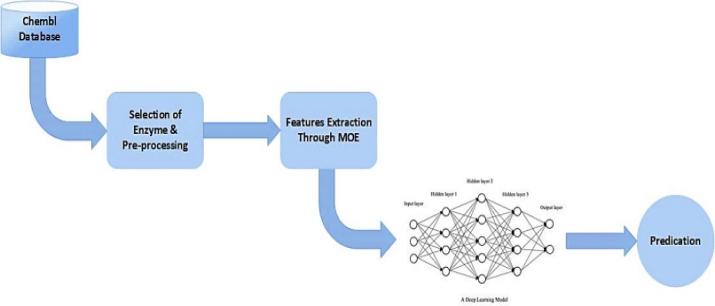
In the therapy of Coronavirus, the drug target is a demanding task to find novel medicine. A bunch of pharmaceutics procedures are employed to recognize these mutual actions. But they are exhausting and high-priced. Keeping this in view, computational procedures are widely approached to determine the mutual action of the medicine and their respective proteins. Many scientists have applied ML approaches to deduce attributes from simplified molecular-input line systems (for medicine) and protein sequences. Such approaches dropped the proteins' chemical, physical, and structural characteristics and the respective medicine. Our job is to undertake deep learning approaches to detect coronavirus e... More >

Graphical Abstract
Prediction of Coronavirus Inhibitors in Drug Discovery through Deep Learning
Open Access | Research Article | 26 December 2024 | Cited: Crossref logo  2 , Scopus 2
Adaptive Fuzzy Controller for Chaos Suppression in Nonlinear Fractional Order Systems
ICCK Transactions on Advanced Computing and Systems | Volume 1, Issue 1: 5-18, 2025 | DOI: 10.62762/TACS.2024.318686
Abstract
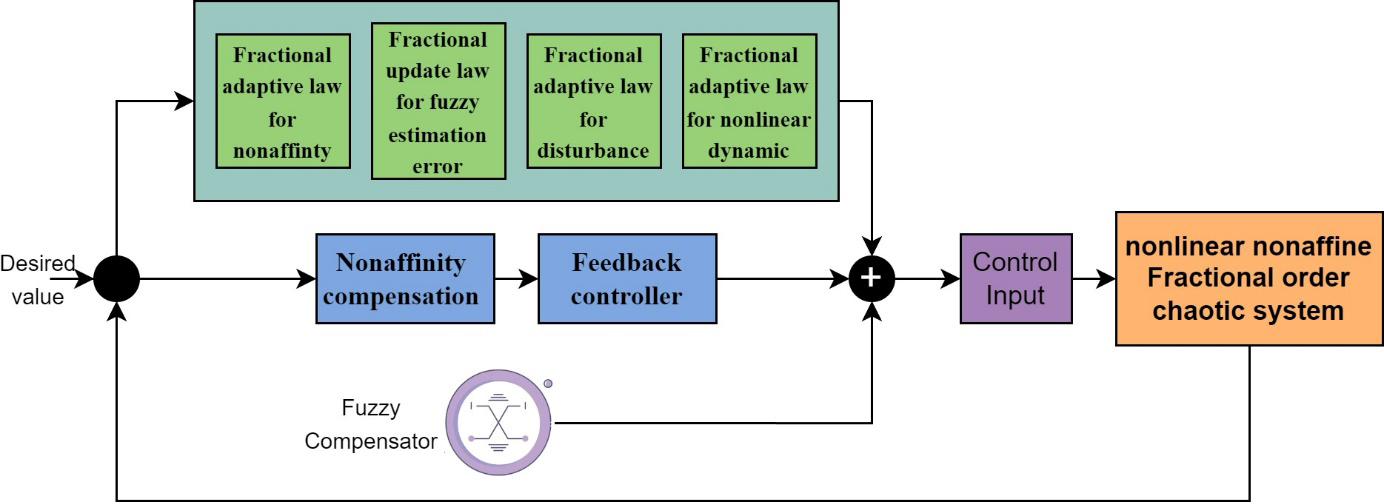
This paper introduces a novel method for controlling a class of nonlinear non-affine systems with fractional-order dynamics, using an adaptive fuzzy technique. By incorporating a novel fractional update law in the design procedure, the controller can effectively suppress chaotic behaviour and smoothly track desired trajectories. The proposed method offers key advantages such as robustness against uncertainties, fast error convergence to the neighbourhood of zero, and satisfactory disturbance rejection performance. To demonstrate the capabilities of the proposed fractional controller, simulation results were conducted using Python on a fractional order Arneodo chaotic system. The results high... More >

Graphical Abstract
Adaptive Fuzzy Controller for Chaos Suppression in Nonlinear Fractional Order Systems

Journal Statistics

118
Authors
15
Countries / Regions
33
Articles
Scopus: 56
Citations
2024
Published Since
65,385
Article Views
15,297
Article Downloads
ICCK Transactions on Advanced Computing and Systems
eISSN: 3068-7969
Crossref
Crossref
Member of Crossref
Visit Crossref →