

ISSN: 3068-6652
Indexing: Scopus Indexed
The ICCK Transactions on Emerging Topics in Artificial Intelligence (TETAI) is a peer-reviewed international journal publishing papers on emerging theories and methodologies of Artificial Intelligence.
DOI Prefix: 10.62762/TETAI

Journal Metrics

-
Impact Factor
Indexed in: Scopus

Recent Articles

Open Access | Research Article | 12 January 2026 | Cited: Crossref logo  2 , Scopus 1
Deep Learning for U.S. Bond Yield Forecasting: An Enhanced LSTM–LagLasso Framework
ICCK Transactions on Emerging Topics in Artificial Intelligence | Volume 3, Issue 2: 61-75, 2026 | DOI: 10.62762/TETAI.2025.197745
Abstract
This paper advances a decision-aligned post-processing layer for government bond yield forecasts, turning competent sequence predictions into curve-consistent and economically calibrated outputs with minimal engineering burden. Starting from capacity-fair baselines in the LSTM, GRU and compact transformer families, used only to generate initial point forecasts for five, ten and thirty year maturities at short horizons, we add two model-agnostic stages. A curve consistency projection enforces monotone ordering across maturities and, when warranted, mild convexity while preserving local signal. An asymmetric economic calibration then learns a monotone mapping that down-weights the costlier sid... More >

Graphical Abstract
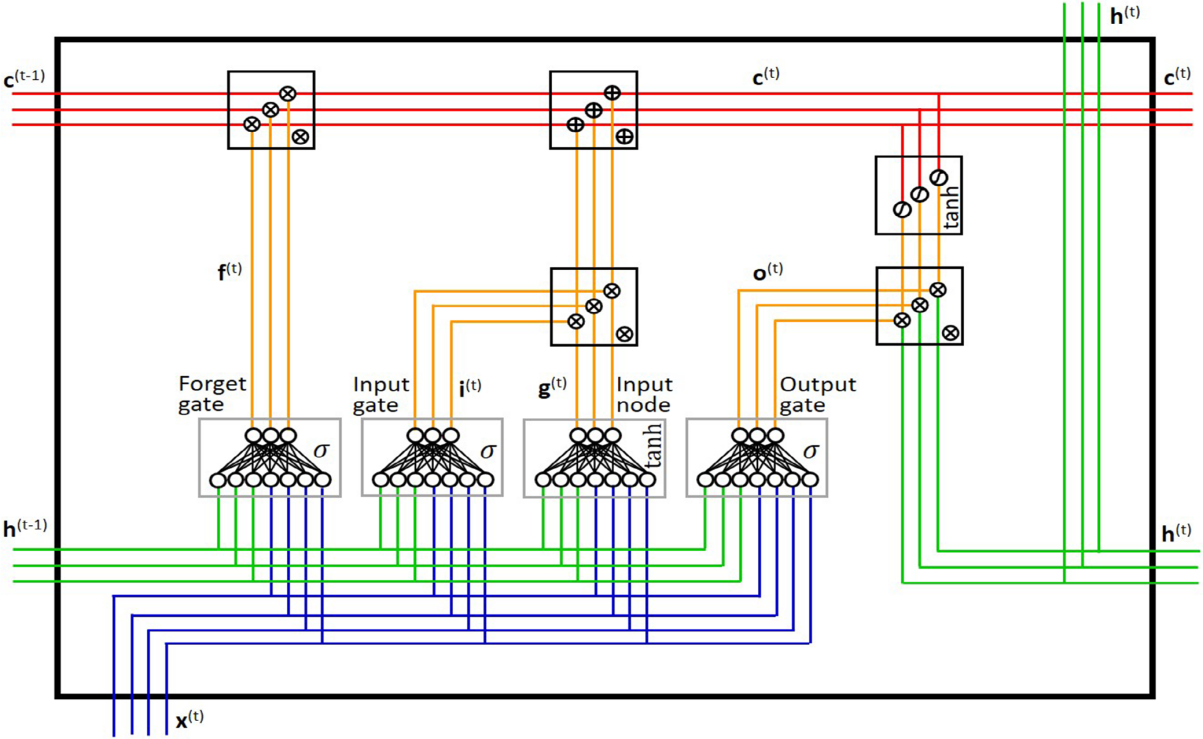
Deep Learning for U.S. Bond Yield Forecasting: An Enhanced LSTM–LagLasso Framework
Open Access | Research Article | 09 January 2026 | Cited: Crossref logo  4 , Scopus 4
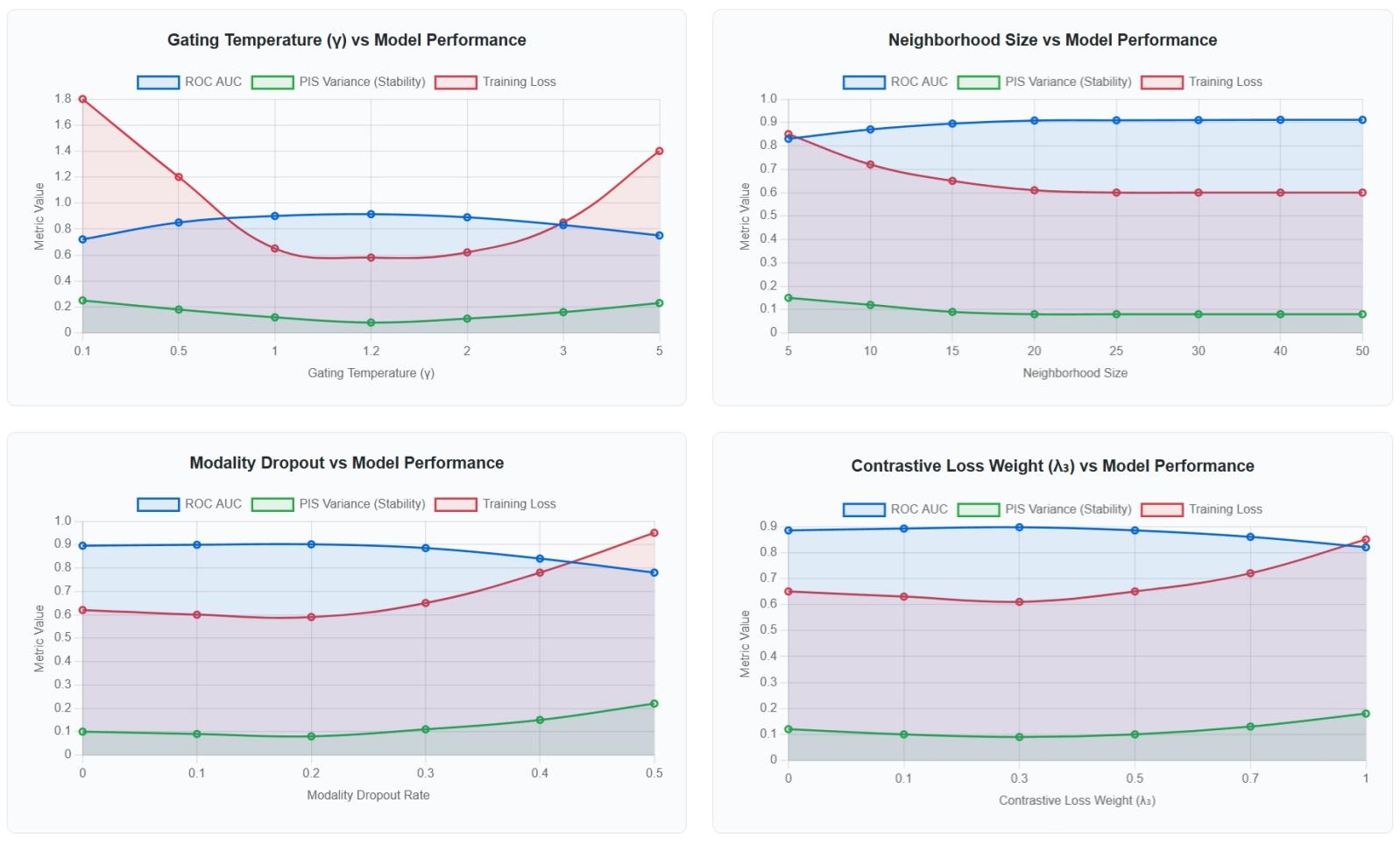
Multi-Modal Fusion for Yield Optimization: Integrating Wafer Maps, Metrology, and Process Logs with Graph Models
ICCK Transactions on Emerging Topics in Artificial Intelligence | Volume 3, Issue 1: 45-60, 2026 | DOI: 10.62762/TETAI.2025.259226
Abstract
Yield optimization in advanced manufacturing rarely proceeds as a tidy pipeline; it arises from the gradual convergence of evidence across spatial wafer patterns, multivariate metrology, and asynchronous process and equipment events that interact in ways that are only partially observable. Prior studies often separate these modalities, assigning convolutional encoders to wafer maps, sequence models to metrology, and template based encoders to logs, an arrangement that can perform well locally yet struggles to sustain cross-modal alignment or to reason over the hierarchy that links defects to steps and equipment. Building on these observations, we introduce a manufacturing semantics oriented... More >

Graphical Abstract
Multi-Modal Fusion for Yield Optimization: Integrating Wafer Maps, Metrology, and Process Logs with Graph Models
Open Access | Research Article | 07 January 2026 | Cited: Crossref logo  1 , Scopus 1
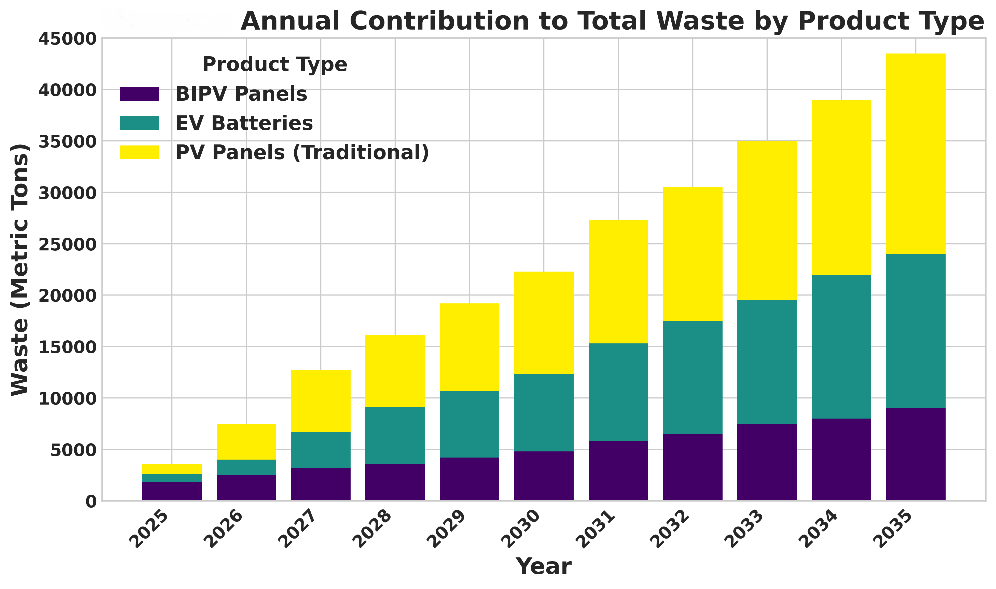
A Decision Support System for Reverse Logistics Network Design: Integrating Multi-Factorial Forecasting of Solar Panel End-of-Life Assets
ICCK Transactions on Emerging Topics in Artificial Intelligence | Volume 3, Issue 1: 33-44, 2026 | DOI: 10.62762/TETAI.2025.782328
Abstract
The rapid global deployment of solar photovoltaic (PV) technology presents a significant and often overlooked challenge: the effective management of end-of-life (EoL) solar panels. This issue is particularly acute in developing and emerging economies, where established reverse logistics infrastructure is often lacking. A critical limitation in current academic literature is the oversimplified forecasting of EoL waste streams, which fails to account for the dynamic interplay of socio-economic, policy, and environmental variables. To bridge this gap, we propose a novel decision support system (DSS) for the design of a sustainable reverse logistics network. Our system uniquely integrates a hybr... More >

Graphical Abstract

A Decision Support System for Reverse Logistics Network Design: Integrating Multi-Factorial Forecasting of Solar Panel End-of-Life Assets
Open Access | Research Article | 02 January 2026 | Cited: Crossref logo  1 , Scopus 1
Enhancing Social Media Bot Detection with Cross-Feature Gating and Residual Learning
ICCK Transactions on Emerging Topics in Artificial Intelligence | Volume 3, Issue 1: 20-32, 2026 | DOI: 10.62762/TETAI.2025.791029
Abstract
The growing presence of malicious bot accounts on social media poses a threat to the authenticity of online communities, as they amplify misinformation, spread spam, and manipulate engagement. Reliable detection of these accounts is therefore essential to protect the integrity of platforms such as Instagram. This study introduces a deep learning–based detection framework built on the CrossGatedTabular (CGT) architecture, designed to learn complex patterns in user activity. To strengthen evaluation, two publicly available datasets of Instagram accounts were merged into a comprehensive benchmark representing diverse user behaviors. Natural language processing (NLP) was applied to refine text... More >

Graphical Abstract
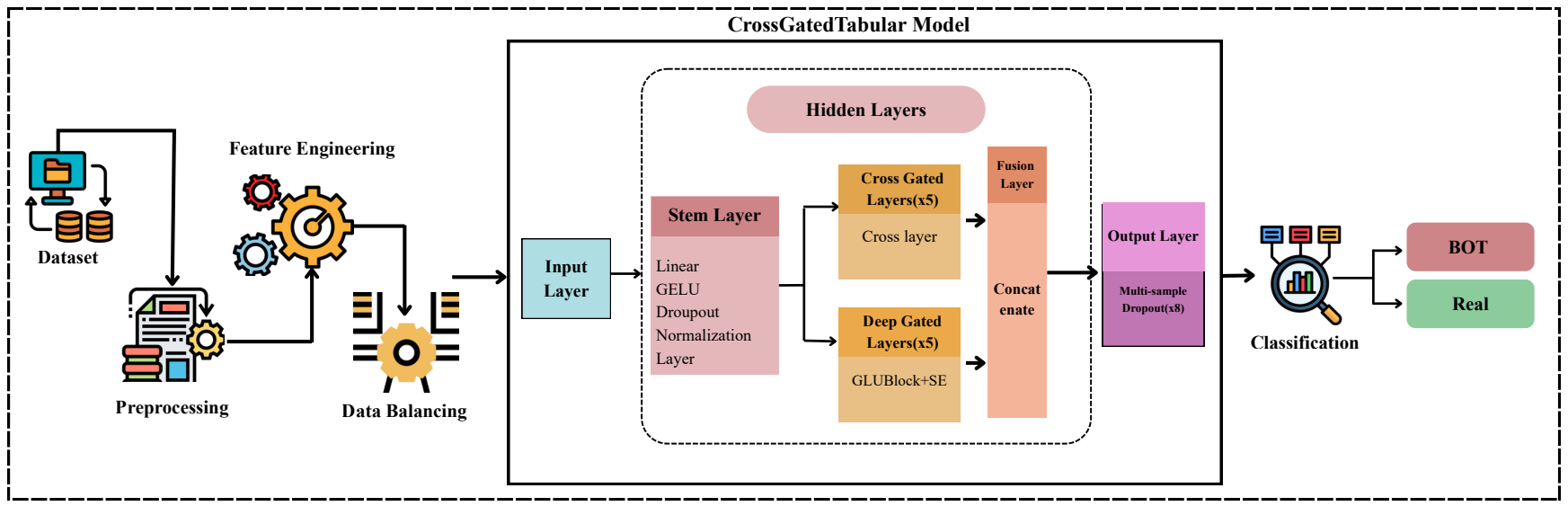
Enhancing Social Media Bot Detection with Cross-Feature Gating and Residual Learning
Open Access | Research Article | 25 November 2025 | Cited: Crossref logo  1 , Scopus 2
Fast and Robust Copy-Move Forgery Detection Using BRIEF, FAST, and SIFT Feature Matching
ICCK Transactions on Emerging Topics in Artificial Intelligence | Volume 3, Issue 1: 9-19, 2026 | DOI: 10.62762/TETAI.2025.152706
Abstract
This paper presents a novel hybrid copy–move forgery detection method that combines the efficiency of FAST-BRIEF (for rapid keypoint detection and binary descriptors) with the robustness of SIFT (for scale- and rotation-invariant feature matching). The proposed framework employs g2NN matching for accurate feature correspondence, followed by morphological processing and LSC-SSIM superpixel segmentation for precise localization of tampered regions. The method is evaluated on 30 diverse test images from benchmark datasets comprising over 700 images, achieving a 95% F-measure with an average CPU time of 6.02 seconds. It demonstrates strong resilience to geometric transformations (rotation, sca... More >

Graphical Abstract

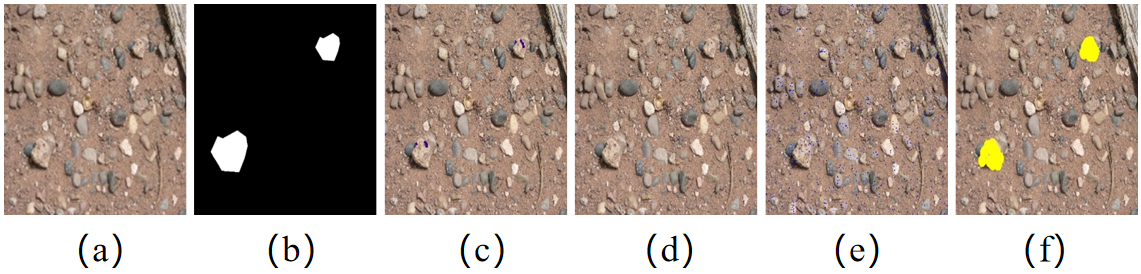
Fast and Robust Copy-Move Forgery Detection Using BRIEF, FAST, and SIFT Feature Matching
Open Access | Research Article | 12 November 2025 | Cited: Crossref logo  1 , Scopus
Hybrid Large Language Model and Rule-Based Framework for Automated PHI De-Identification in Clinical Notes
ICCK Transactions on Emerging Topics in Artificial Intelligence | Volume 3, Issue 1: 1-8, 2026 | DOI: 10.62762/TETAI.2025.518010
Abstract
The growing demand for secondary use of electronic health records (EHRs) in clinical research has amplified the importance of effective de-identification of protected health information (PHI) to comply with privacy regulations such as HIPAA. Manual annotation remains error-prone, time-consuming, and inconsistent across healthcare institutions, while existing automated systems often face trade-offs between accuracy, interpretability, and computational cost. This study proposes a novel hybrid de-identification framework that integrates neural, statistical, and rule-based approaches to achieve high recall, operational efficiency, and deployment feasibility in real-world healthcare settings. More >

Graphical Abstract
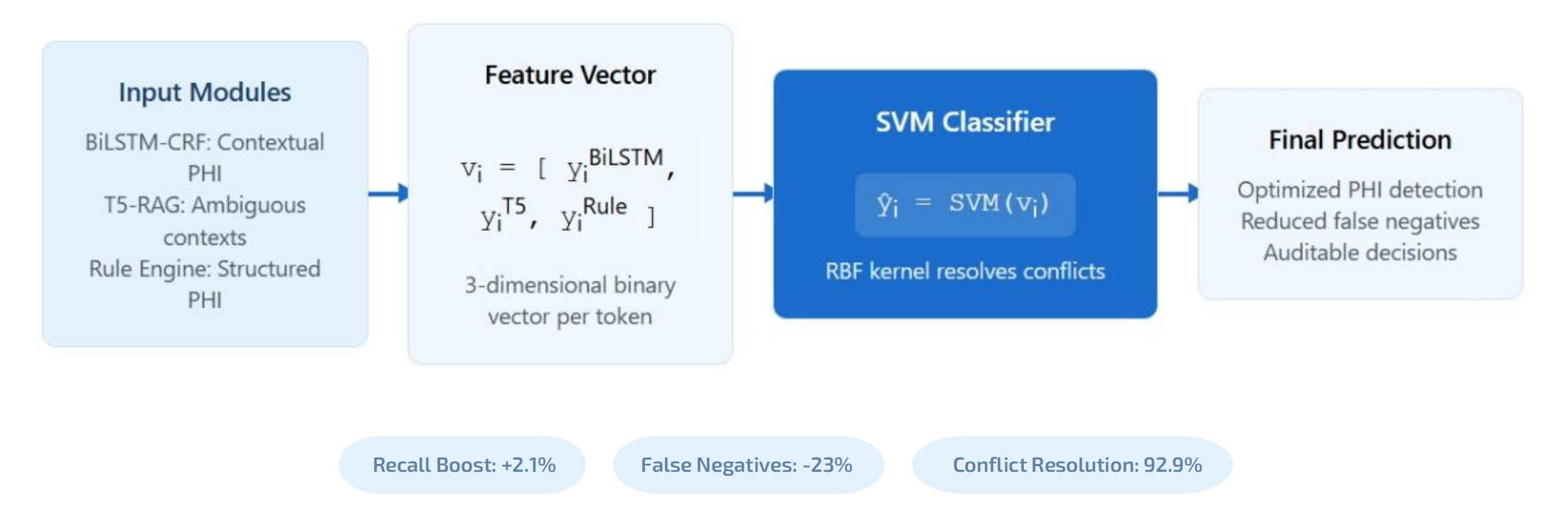
Hybrid Large Language Model and Rule-Based Framework for Automated PHI De-Identification in Clinical Notes
Open Access | Research Article | 02 November 2025 | Cited: Crossref logo  1 , Scopus
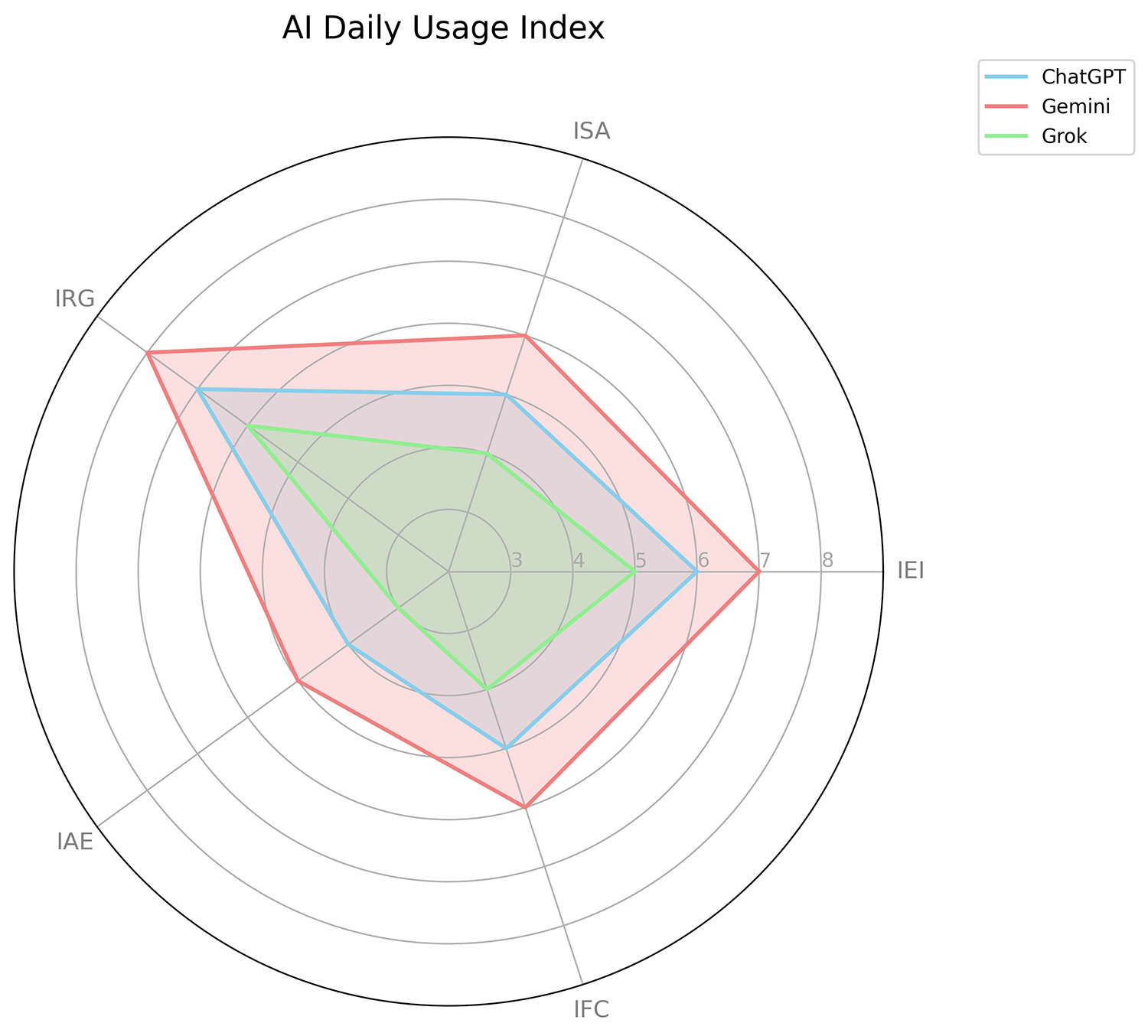
Artificial Flirtation and Synthetic Affection: What Does Generation X Feel When a Conversational AI Flirts with Them?
ICCK Transactions on Emerging Topics in Artificial Intelligence | Volume 2, Issue 4: 220-228, 2025 | DOI: 10.62762/TETAI.2025.851867
Abstract
This innovative study analyzes the emotional reaction of 27 individuals from Generation X to flirtatious behaviors exhibited by conversational artificial intelligence. Using a quantitative methodology based on Sentiment Analysis, testimonies and experiences with three models—ChatGPT, Grok, and Gemini—were collected, focusing on phrases or linguistic gestures that could be considered seductive, empathetic, or emotionally warm. The results show that, although there is a clear awareness that no person is behind the AI, several responses generated feelings of companionship, affective validation, and even mild attachment, especially in moments of emotional vulnerability—very difficult to ex... More >

Graphical Abstract

Artificial Flirtation and Synthetic Affection: What Does Generation X Feel When a Conversational AI Flirts with Them?
Open Access | Research Article | 26 October 2025 | Cited: Crossref logo  2 , Scopus 2
AST-GNNFormer: Adaptive Spatio-Temporal Graph Neural Network with Layer-Aware Preservation for Traffic Flow Prediction
ICCK Transactions on Emerging Topics in Artificial Intelligence | Volume 2, Issue 4: 203-219, 2025 | DOI: 10.62762/TETAI.2025.387543
Abstract
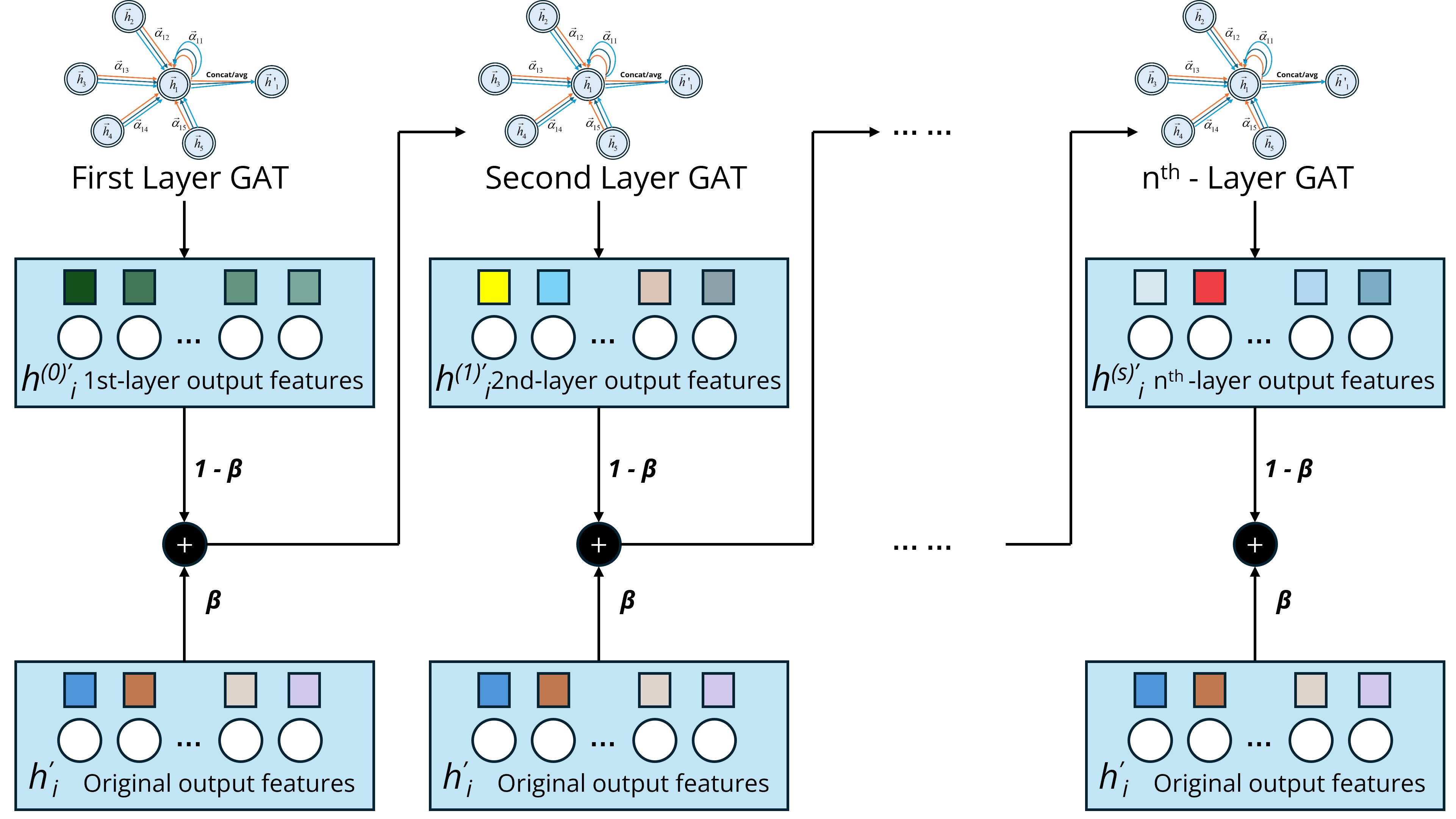
Accurate traffic flow prediction plays a critical role in intelligent transportation systems, providing essential support for urban planning, traffic control, and congestion mitigation. To address the challenges of spatial heterogeneity and temporal dynamics inherent in traffic data, this paper proposes AST-GNNFormer, an adaptive spatio-temporal graph neural network that integrates graph attention mechanisms with temporal convolution. The model introduces three key components to enhance predictive accuracy and generalization: (1) a Layer-aware Information Preservation mechanism that mitigates over-smoothing in deep GNNs by retaining original node features across layers; (2) an Inter-Layer At... More >

Graphical Abstract
AST-GNNFormer: Adaptive Spatio-Temporal Graph Neural Network with Layer-Aware Preservation for Traffic Flow Prediction

Journal Statistics

105
Authors
20
Countries / Regions
40
Articles
227
Scopus Citations
82.5% Cited
2024
Published Since
228,345
Article Views
43,479
Article Downloads
ICCK Transactions on Emerging Topics in Artificial Intelligence
eISSN: 3068-6652
Crossref
Crossref
Member of Crossref
Visit Crossref →