

ICCK Transactions on Sensing, Communication, and Control

Publishing Model:
ISSN:
Online ISSN: 3068-9287 | Print ISSN: 3068-9279
Indexing: Scopus Indexed
ICCK Transactions on Sensing, Communication, and Control is a peer-reviewed international academic journal dedicated to exploring the latest advancements in sensing technologies, communication systems, and control methodologies.
DOI Prefix: 10.62762/TSCC

Journal Metrics

-
Impact Factor
Indexed in: Scopus

Recent Articles

Free Access | Research Article | 28 November 2025 | Cited: Crossref logo  5 , Scopus 3
Federated Learning Privacy Protection via Training Randomness
ICCK Transactions on Sensing, Communication, and Control | Volume 2, Issue 4: 226-237, 2025 | DOI: 10.62762/TSCC.2025.779613
Abstract
Federated learning is a collaborative machine learning paradigm that trains models across multiple computing nodes while aiming to preserve the privacy of local data held by participants. However, because of the open network environment, federated learning faces severe privacy and security challenges. Studies have shown that attackers can reconstruct original training data by intercepting gradients transmitted across the network, thereby posing a serious threat to user privacy. One representative attack is the Deep Leakage from Gradients (DLG), which iteratively recovers training data by optimizing dummy inputs to match the observed gradients. To address this challenge, this paper proposes a... More >

Graphical Abstract
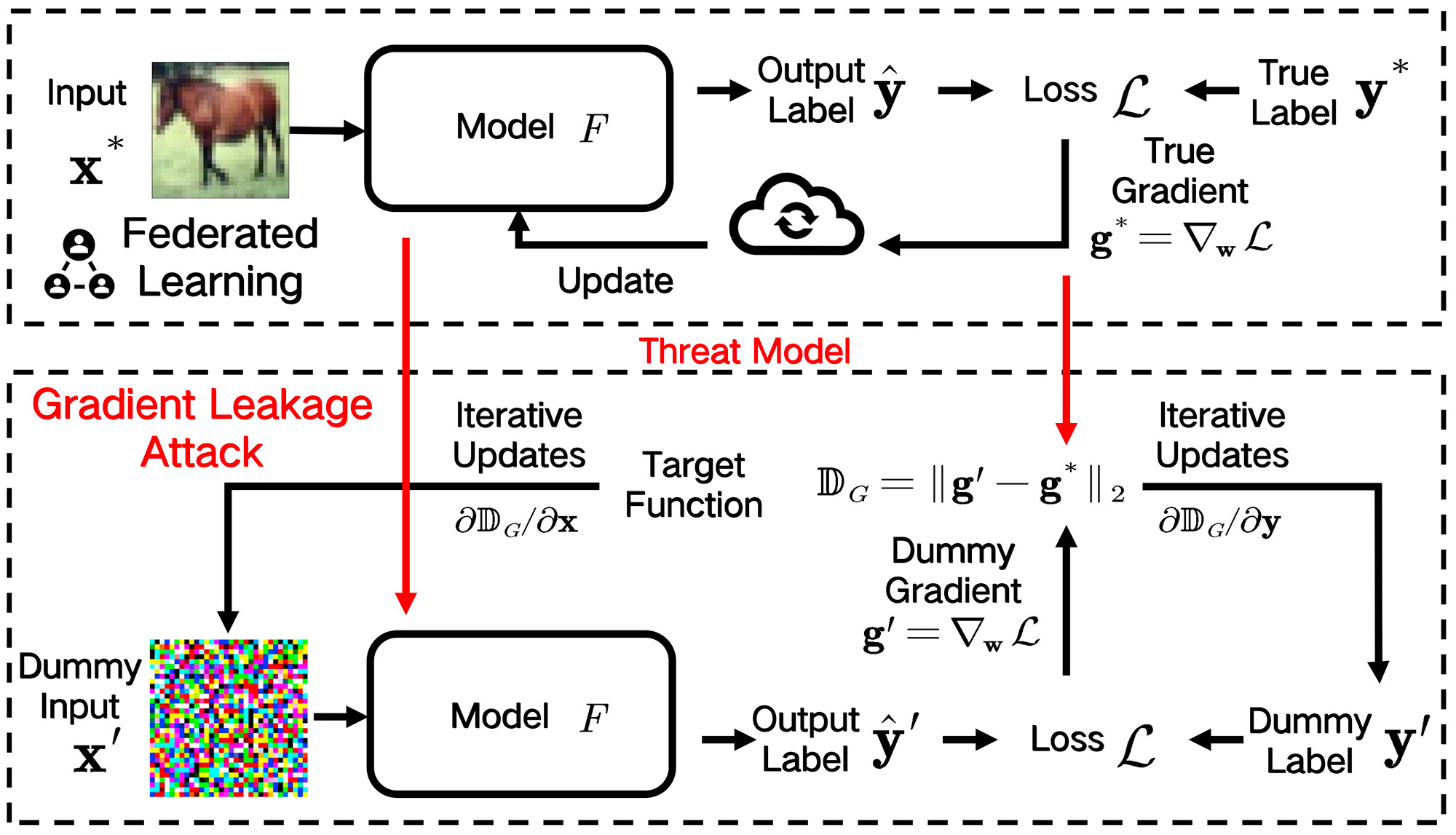
Federated Learning Privacy Protection via Training Randomness
Free Access | Perspective | 23 September 2025 | Cited: Crossref logo  3 , Scopus 1
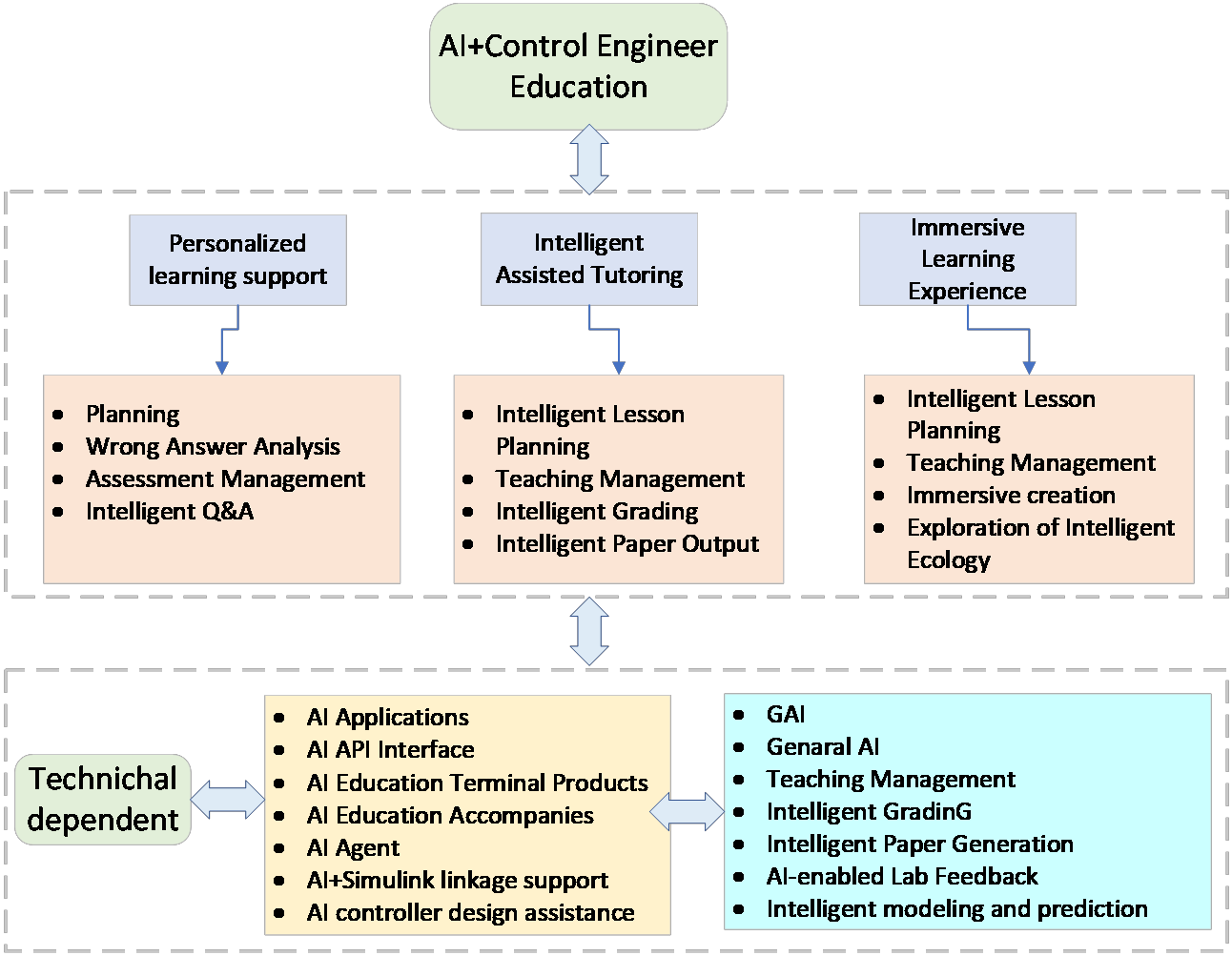
Primary Thought on Artificial Intelligence (AI) Enhanced Control Engineering Education
ICCK Transactions on Sensing, Communication, and Control | Volume 2, Issue 3: 215-225, 2025 | DOI: 10.62762/TSCC.2025.254228
Abstract
Artificial intelligence (AI) is reshaping engineering education by offering adaptive, interactive, and data-driven learning environments. This paper examines the primary roles of AI in enhancing control engineering education (CEE), with emphasis on sensing-oriented applications such as sensor-based system modelling, AI-assisted signal processing, and data-driven state estimation-domains that underpin modern sensing, communication, and control systems. The paper discusses how AI tools, particularly MATLAB and Simulink integrated with machine learning and reinforcement learning capabilities, can serve as effective pedagogical instruments for teaching complex topics including nonlinear contro... More >

Graphical Abstract
Primary Thought on Artificial Intelligence (AI) Enhanced Control Engineering Education
Free Access | Research Article | 28 August 2025 | Cited: Crossref logo  4 , Scopus 4
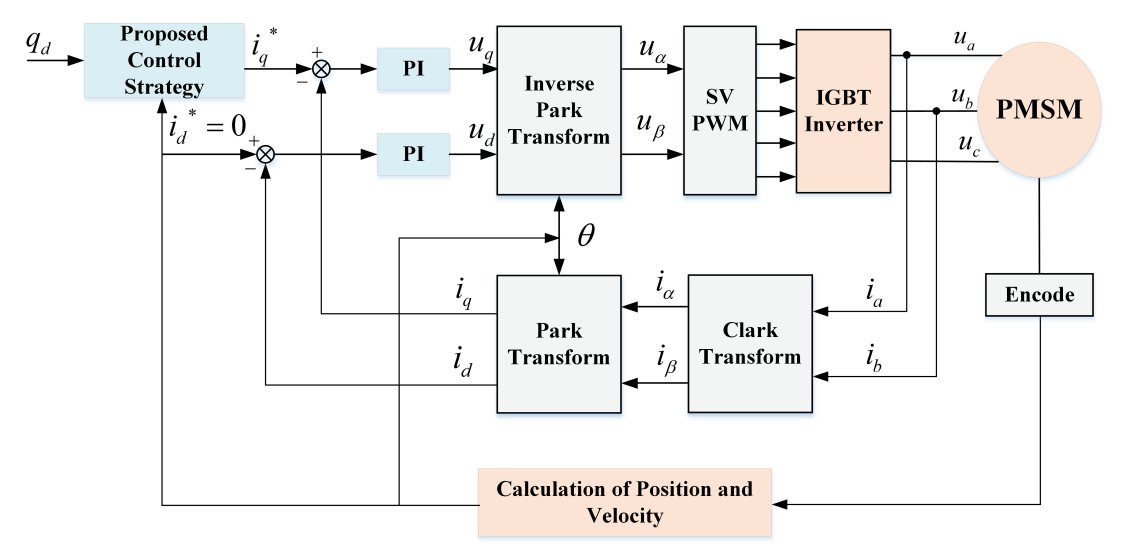
Fixed-Time Adaptive Optimal Parameter Estimation Subject to Dead-Zone and Control of Servo Systems
ICCK Transactions on Sensing, Communication, and Control | Volume 2, Issue 3: 200-214, 2025 | DOI: 10.62762/TSCC.2025.143677
Abstract
A fixed-time adaptive optimal parameter estimation (FxT-AOPE) scheme is proposed to address the difficulties in estimating dead zone parameters and slow convergence speed of tracking errors in permanent magnet synchronous motor systems. First, the continuous piecewise linear neural network is used to model the nonlinear dead zone dynamics. Second, an auxiliary filter is constructed to extract estimation errors, and this filter is used to drive an adaptive law with time-varying gain, minimizing the cost function of estimation errors and achieving adaptive optimal parameter estimation (AOPE). Then, the AOPE method is introduced into the fixed-time non-singular terminal sliding mode control (Fx... More >

Graphical Abstract

Fixed-Time Adaptive Optimal Parameter Estimation Subject to Dead-Zone and Control of Servo Systems
Free Access | Review Article | 28 July 2025 | Cited: Crossref logo  5 , Scopus 4
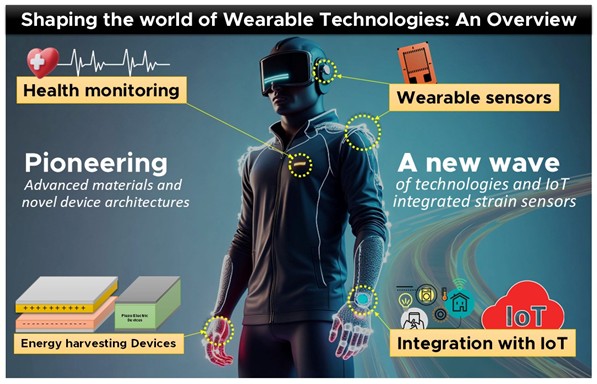
Strain Sensing Technologies: Recent Developments in Materials, Performance, and Applications
ICCK Transactions on Sensing, Communication, and Control | Volume 2, Issue 3: 168-199, 2025 | DOI: 10.62762/TSCC.2025.665257
Abstract
Strain sensors have become fundamental to contemporary sensing technology, driven by the growing demand for flexible, sensitive, and durable transducers across medical care, robotics, structural monitoring, and human-machine interfaces. Rapid advances in strain sensing performance---in terms of gauge factor, detection limit, working range, and operational stability---have enabled next-generation wearable and implantable sensing systems. This mini review examines sensing mechanism classifications, key performance parameters, sensor architectures, and application domains, with a unified focus on how sensing capability can be maximised for real-world deployment. Particular emphasis is placed on... More >

Graphical Abstract

Strain Sensing Technologies: Recent Developments in Materials, Performance, and Applications
Free Access | Research Article | 23 July 2025 | Cited: Crossref logo  7 , Scopus 8
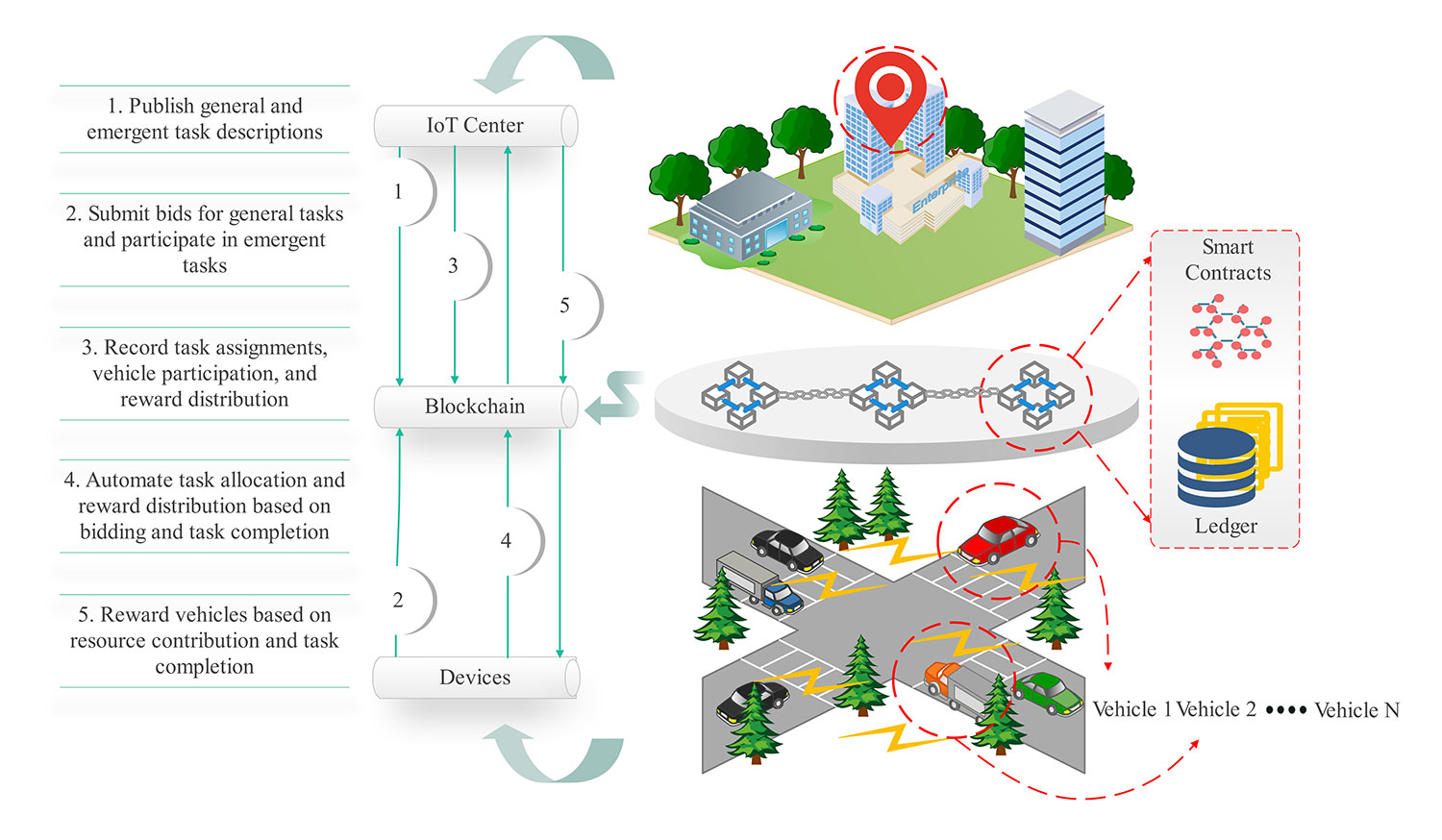
Optimizing Collaborative Task Allocation in Internet of Vehicles (IoV) through Blockchain-Enabled Incentive Mechanisms
ICCK Transactions on Sensing, Communication, and Control | Volume 2, Issue 3: 147-167, 2025 | DOI: 10.62762/TSCC.2025.962030
Abstract
The Internet of Vehicles (IoV) is a core component of smart transportation systems, making it feasible to exchange information among vehicles, infrastructure, and central systems in real time. However, the effective use of resources and the efficient distribution of tasks in these dynamic environments is a challenging task. This paper presents a blockchain-based collaborative task allocation framework method that can solve these problems by using a greedy algorithm for general task allocation and adopting a dynamic collaboration scheduling algorithm for emergent tasks. Employing the blockchain-based reward mechanism, the transparency, fairness, and security in dynamic mobile crowdsensing (MC... More >

Graphical Abstract

Optimizing Collaborative Task Allocation in Internet of Vehicles (IoV) through Blockchain-Enabled Incentive Mechanisms
Free Access | Research Article | 20 July 2025 | Cited: Crossref logo  4 , Scopus 4
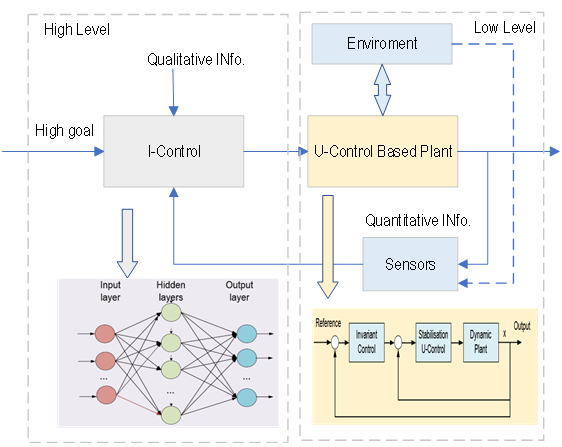
Primary Thought on the Incorporation of Intelligent Control and U-control (I-U-control)
ICCK Transactions on Sensing, Communication, and Control | Volume 2, Issue 3: 132-146, 2025 | DOI: 10.62762/TSCC.2025.880778
Abstract
This study explains the main idea and structure of an integrated What-How intelligent control and universal control (I-U-control) system. The proposed framework consists of two control layers. The bottom layer uses the U-control framework to manage 'How' to control within a universal framework. The top layer uses intelligent control (I-control) to coordinate and guide 'What' to achieve both global and local control goals. This study also reviews the configurations, functions, and integration of these two control layers in analysis, design, and applications. More >

Graphical Abstract
Primary Thought on the Incorporation of Intelligent Control and U-control (I-U-control)
Free Access | Research Article | 30 June 2025 | Cited: Crossref logo  9 , Scopus 10
IoT-Enabled Food Freshness Detection Using Multi-Sensor Data Fusion and Mobile Sensing Interface
ICCK Transactions on Sensing, Communication, and Control | Volume 2, Issue 2: 122-131, 2025 | DOI: 10.62762/TSCC.2025.401245
Abstract
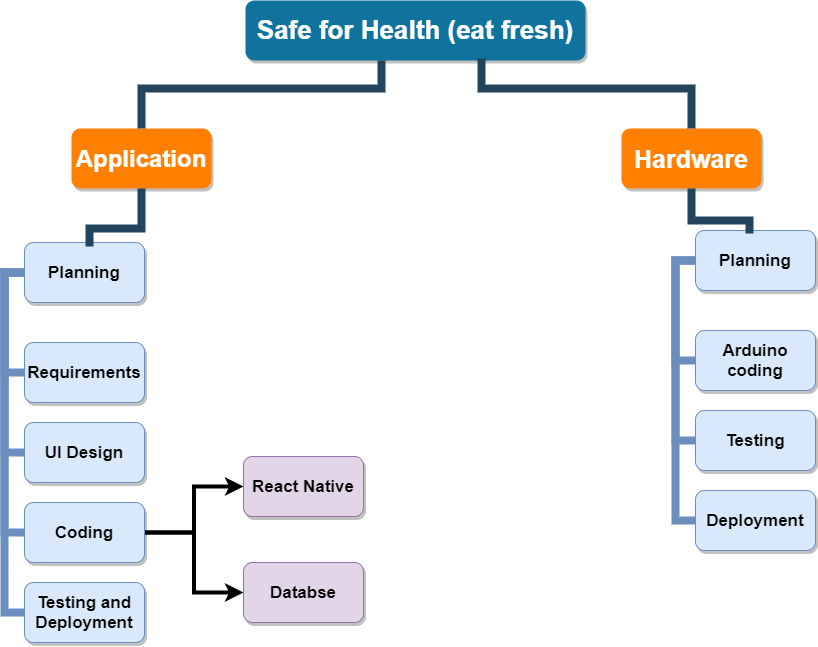
Ensuring the freshness of food products is essential for both acute and chronic health outcomes. However, significant health risks can be triggered by dietary resources subjected to improper storage protocols. Current methods are often unreliable and infeasible for detecting food freshness. This research proposes an IoT-based food freshness detection system that integrates a suite of electrochemical and gas sensors-including pH, moisture, and ethanol sensors-to assess food freshness and reduce health risks associated with spoilage in perishable items like meat, produce, and dairy. The system is integrated with a mobile application that allows users to analyze food quality in real-time, bas... More >

Graphical Abstract

IoT-Enabled Food Freshness Detection Using Multi-Sensor Data Fusion and Mobile Sensing Interface
Free Access | Research Article | 19 May 2025 | Cited: Crossref logo  15 , Scopus 14
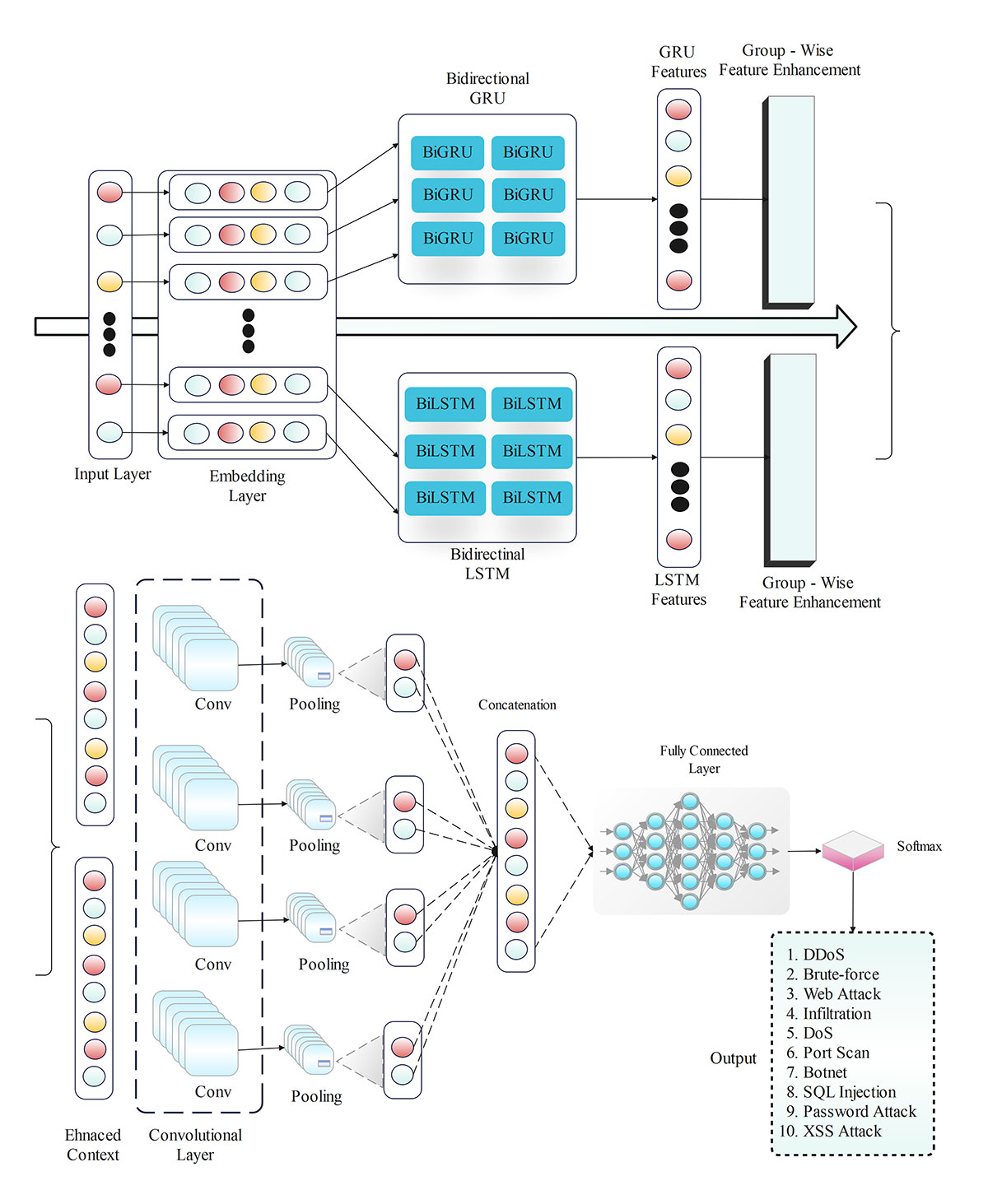
Optimizing Cloud Security with a Hybrid BiLSTM-BiGRU Model for Efficient Intrusion Detection
ICCK Transactions on Sensing, Communication, and Control | Volume 2, Issue 2: 106-121, 2025 | DOI: 10.62762/TSCC.2024.433246
Abstract
To address evolving security challenges in cloud computing, this study proposes a hybrid deep learning architecture integrating Bidirectional Long Short-Term Memory (BiLSTM) and Bidirectional Gated Recurrent Units (BiGRU) for cloud intrusion detection. The BiLSTM-BiGRU model synergizes BiLSTM's long-term dependency modeling with BiGRU's efficient gating mechanisms, achieving a detection accuracy of 96.7% on the CIC-IDS 2018 dataset. It outperforms CNN-LSTM baselines by 2.2% accuracy, 3.3% precision, 3.6% recall, and 3.6% F1-score, demonstrating consistently superior performance across all evaluation metrics. The architecture demonstrates operational efficiency through 20% reduced computation... More >

Graphical Abstract
Optimizing Cloud Security with a Hybrid BiLSTM-BiGRU Model for Efficient Intrusion Detection

Journal Statistics

138
Authors
17
Countries / Regions
43
Articles
270
Scopus Citations
88.4% Cited
2024
Published Since
171,687
Article Views
24,560
Article Downloads
ICCK Transactions on Sensing, Communication, and Control
eISSN: 3068-9287 | pISSN: 3068-9279
Crossref
Crossref
Member of Crossref
Visit Crossref →