





Reservoir Science

Publishing Model:
ISSN:
ISSN: 3070-2356
Indexing: Chemical Abstracts Service (CAS)
Reservoir Science aims to explore and present innovative interdisciplinary research, integrating geological engineering, petroleum engineering, environmental engineering, materials science, computer science, mathematics and other related disciplines.
DOI Prefix: 10.62762/RS

Journal Metrics

-
Impact Factor
-
CiteScore

Recent Articles

Open Access | Research Article | 06 January 2026 | Cited: Crossref logo  22 , Scopus 23
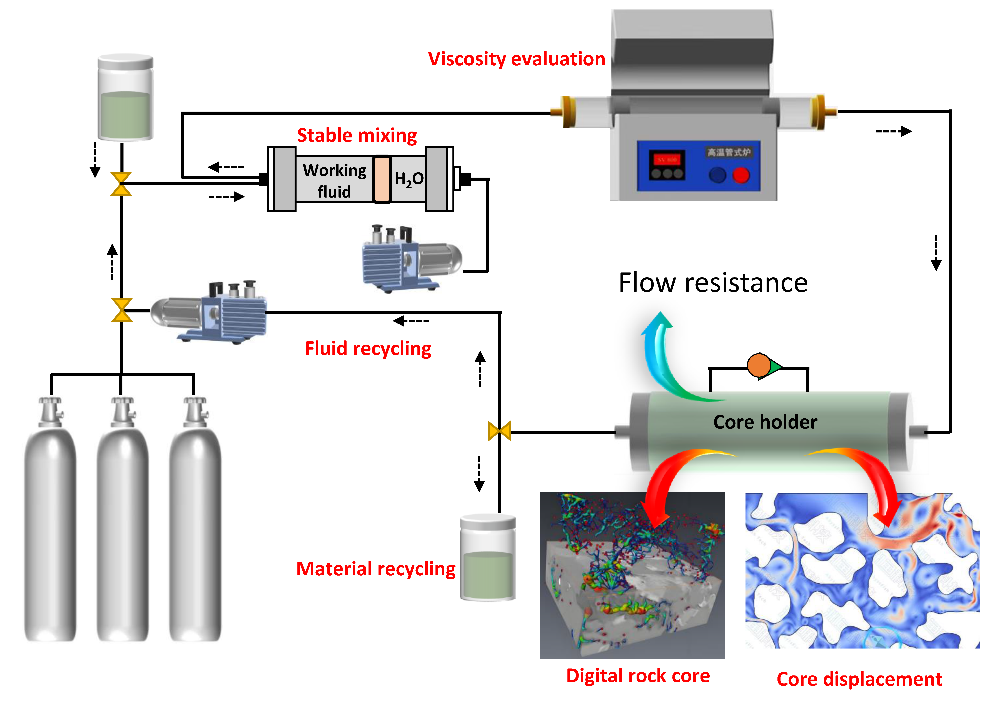
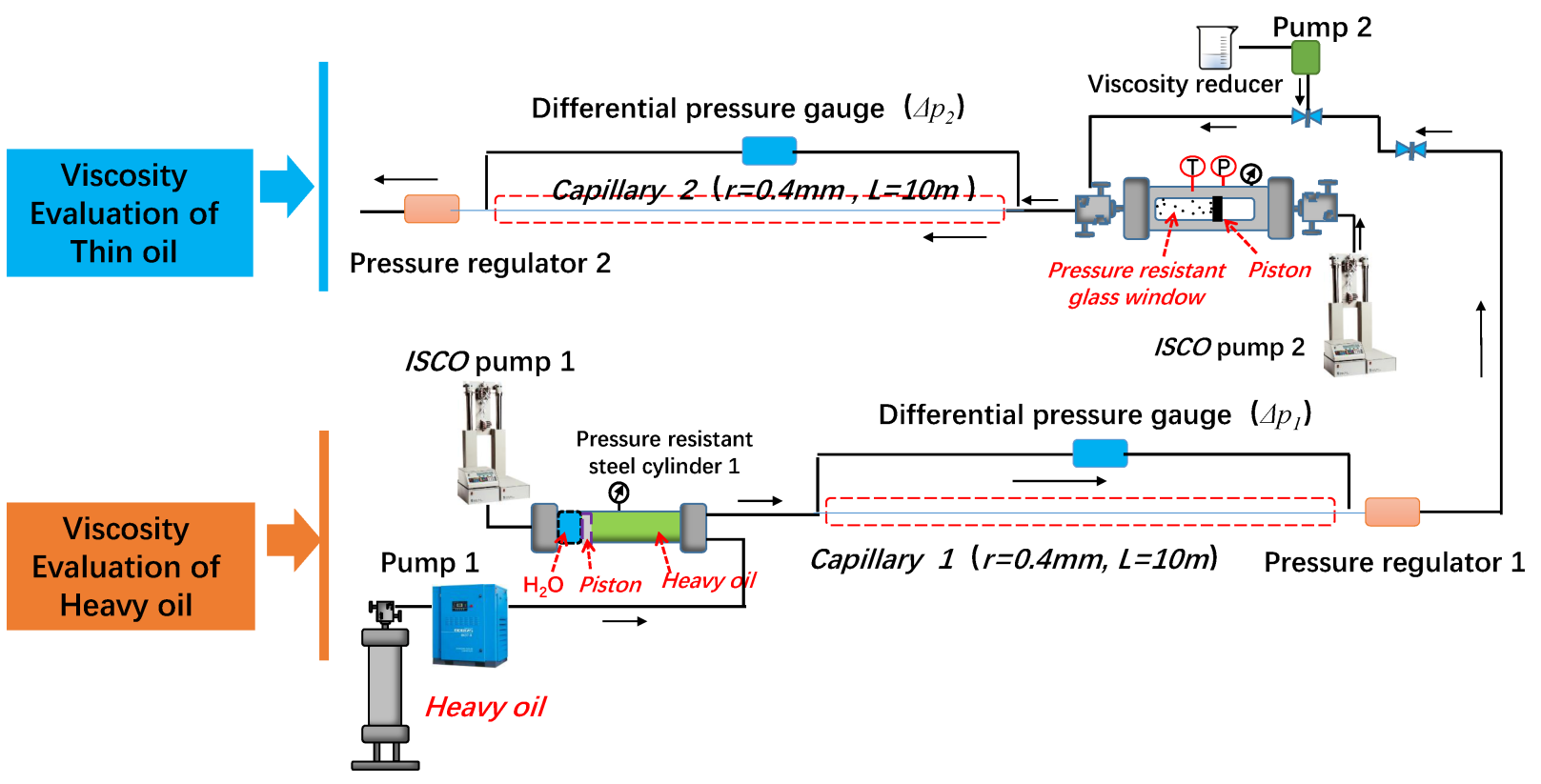
Effect of Nanomaterials on Improving the Apparent Viscosity of Heavy Oil and the Environmental Evaluation of Reservoir Environment
Reservoir Science | Volume 2, Issue 1: 1-15, 2026 | DOI: 10.62762/RS.2025.277961
Abstract
Heavy oil reservoirs have become an important potential for alleviating energy shortages and supporting economic development. This investigation aims to explore the influence of a nano heavy oil viscosity reducer and reservoir characteristics on crude oil viscosity and flow rate during the underground extraction process, and to reveal the viscosity reduction mechanism of reservoir crude oil. The results indicate that the prepared nano viscosity reducer can significantly weaken oil viscosity compared with the commercial viscosity reducer. Moreover, the nano viscosity reducer NVR (acting as a catalyst) achieves a much higher viscosity reduction performance than the commercial viscosity reducer... More >

Graphical Abstract
Effect of Nanomaterials on Improving the Apparent Viscosity of Heavy Oil and the Environmental Evaluation of Reservoir Environment
Open Access | Research Article | 29 October 2025 | Cited: Crossref logo  62 , Scopus 64
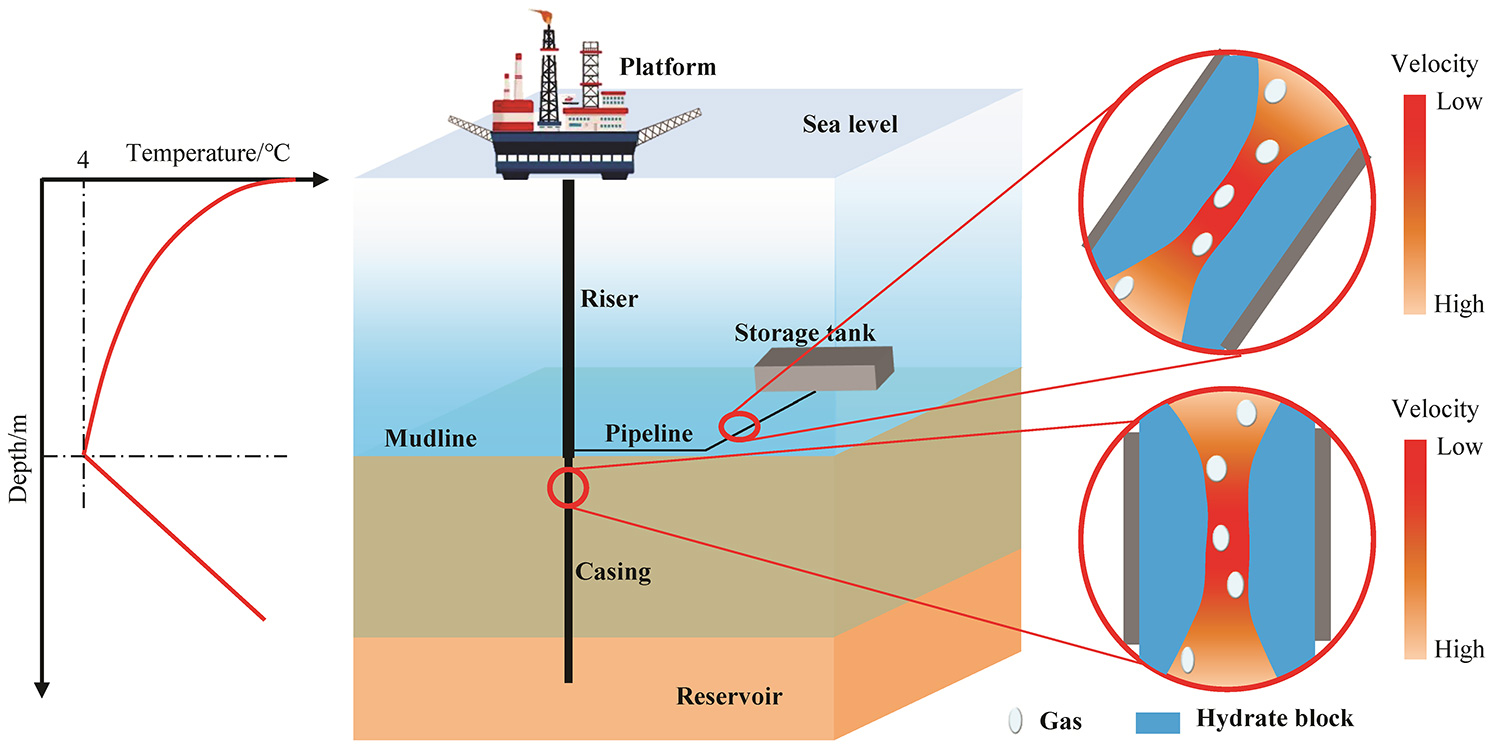
Risk Prediction of Gas Hydrate Formation in the Wellbore and Subsea Gathering System of Deep-Water Turbidite Reservoirs: Case Analysis from the South China Sea
Reservoir Science | Volume 1, Issue 1: 52-72, 2025 | DOI: 10.62762/RS.2025.567907
Abstract
The low temperatures in the deepwater area are associated with a high risk of hydrate formation and flowline blockages in the wellbore and pipelines during the long-term development of gas reservoirs. The occurrence of this risk is required to be prevented and controlled to facilitate the safe and efficient development of offshore gas reservoirs. In this study, a numerical model was developed and solved to calculate the temperature and pressure distributions within wellbore and gathering system, and its applicability was evaluated. The comparison with experimental results verifies that the model is appropriate for predicting temperature and pressure distributions in the wellbore and gatherin... More >

Graphical Abstract
Risk Prediction of Gas Hydrate Formation in the Wellbore and Subsea Gathering System of Deep-Water Turbidite Reservoirs: Case Analysis from the South China Sea
Open Access | Research Article | 28 October 2025 | Cited: Crossref logo  55 , Scopus 55
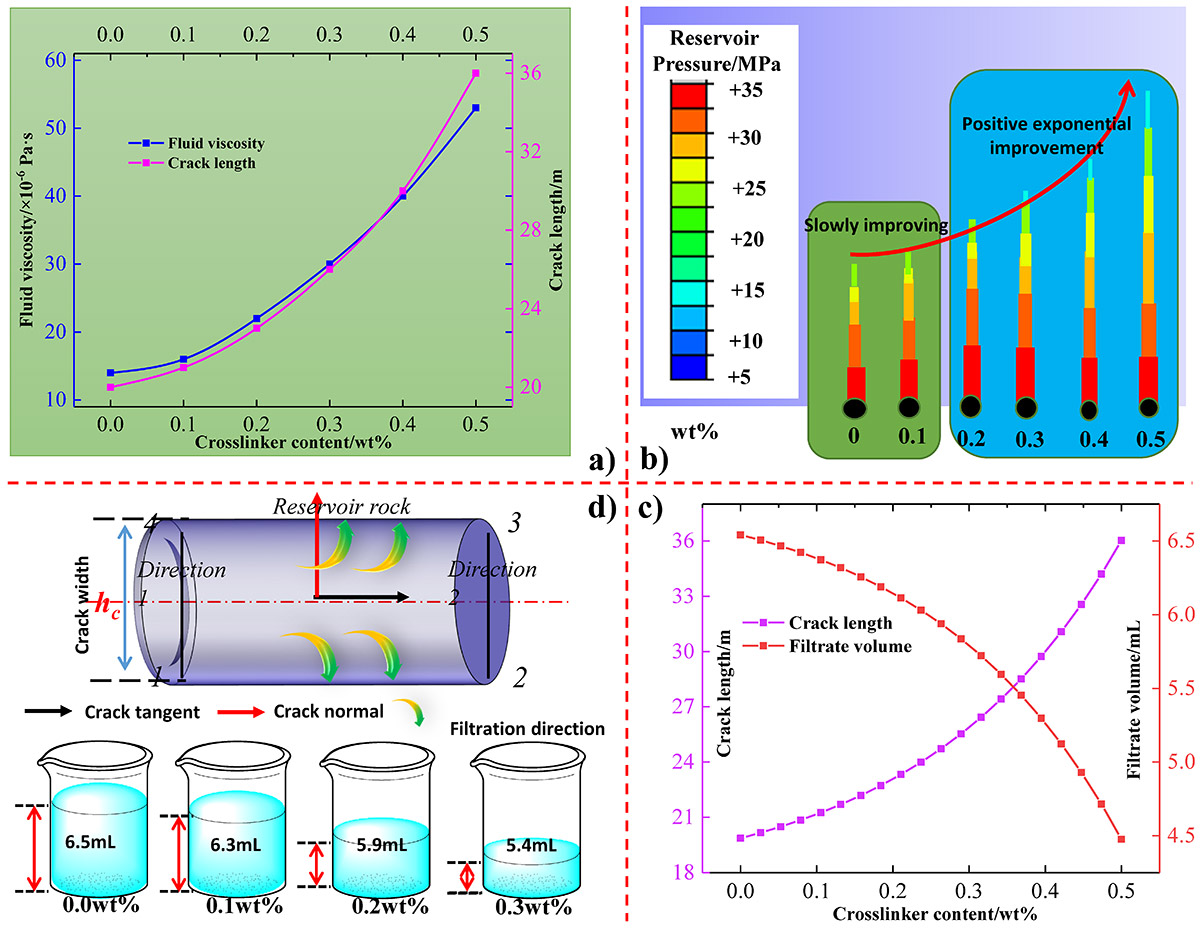
Effects of Crosslinking Agents and Reservoir Conditions on the Propagation of Fractures in Coal Reservoirs During Hydraulic Fracturing
Reservoir Science | Volume 1, Issue 1: 36-51, 2025 | DOI: 10.62762/RS.2025.494074
Abstract
Low fracturing efficiency and high permeability filtration present substantial challenges during the fracturing development of coalbed methane (CBM), significantly hindering its efficient exploitation. In this study, a cross-linker featuring specific polar functional groups on its side chains was synthesized, and a multi-functional coupling evaluation apparatus was developed to systematically investigate the performance characteristics of water-based fracturing fluids. Furthermore, molecular dynamics simulations were employed to elucidate the microscopic mechanisms by which the modified cross-linkers and various external factors influence CBM extraction efficiency. The results indicated that... More >

Graphical Abstract

Effects of Crosslinking Agents and Reservoir Conditions on the Propagation of Fractures in Coal Reservoirs During Hydraulic Fracturing
Open Access | Research Article | 30 September 2025 | Cited: Crossref logo  76 , Scopus 80
From CO$_2$ Sequestration to Hydrogen Storage: Further Utilization of Depleted Gas Reservoirs
Reservoir Science | Volume 1, Issue 1: 19-35, 2025 | DOI: 10.62762/RS.2025.860510
Abstract
The depleted gas reservoirs can serve not only as sites for CO$_2$ sequestration but also as potential spaces for hydrogen storage. However, this process remains insufficiently investigated and thus cannot offer reliable technical support for the injection operations. In this study, a mathematical model for simulating hydrogen storage in depleted gas reservoirs was developed and numerically solved. Meanwhile, the applicability was then verified through comparison with results from previous studies. Based on this model, a detailed analysis was performed to investigate the evolution of key parameters under specific injection conditions. Finally, the effects of various factors on parameters suc... More >

Graphical Abstract

From CO$_2$ Sequestration to Hydrogen Storage: Further Utilization of Depleted Gas Reservoirs
Open Access | Research Article | 29 September 2025 | Cited: Crossref logo  42 , Scopus 44
The Influence of Geological Factors and Transmission Fluids on the Exploitation of Reservoir Geothermal Resources: Factor Discussion and Mechanism Analysis
Reservoir Science | Volume 1, Issue 1: 3-18, 2025 | DOI: 10.62762/RS.2025.637298
Abstract
The geothermal resources present within the reservoir post-oil production in the oil field have hitherto been overlooked and underdeveloped, constituting a novel energy supplement for the maintenance of energy security. The present study constructed a geothermal transmission and exploitation model for oil reservoirs based on the geological environment and the characteristics of geothermal transmission media. This model can be used to analyse the impact of different factors on the efficiency of reservoir geothermal resources. Concurrently, a molecular dynamics model was constructed to reveal the geothermal transmission mechanism at a microscopic perspective, which will facilitate the optimisa... More >

Graphical Abstract

The Influence of Geological Factors and Transmission Fluids on the Exploitation of Reservoir Geothermal Resources: Factor Discussion and Mechanism Analysis
Open Access | Editorial | 14 July 2025 | Cited: Crossref logo  22 , Scopus 35
Reservoir Science: A Multi-Coupling Communication Platform to Promote Energy Transformation, Climate Change and Environmental Protection
Reservoir Science | Volume 1, Issue 1: 1-2, 2025 | DOI: 10.62762/RS.2025.352950
Abstract
Reservoir Science (RS) journal represents a significant milestone in the pursuit of energy extraction, energy storage, and the multifarious effects of climate change, which are influenced by the dual factors of global climate variability and energy scarcity. Concurrently, Reservoir Science is dedicated to the dissemination of innovative modules and research domains pertaining to energy extraction, energy storage, reservoir environment and greenhouse gas storage. Furthermore, the field of Reservoir Science encompasses the exploitation of geothermal energy, hydrocarbons (petroleum, hydrates) and hydrogen energy within reservoirs. The research scope of Reservoir Science encompasses not only the... More >

Journal Statistics

83
Authors
8
Countries / Regions
22
Articles
Scopus: 546
Citations
2025
Published Since
92,148
Article Views
18,031
Article Downloads
Reservoir Science
Reservoir Science
eISSN: 3070-2356
Crossref
Crossref
Member of Crossref
Visit Crossref →