

ICCK Transactions on Advanced Computing and Systems

Publishing Model:
ISSN:
ISSN: 3068-7969
Indexing: DOAJ Indexed
ICCK Transactions on Advanced Computing and Systems is a peer-reviewed journal dedicated to publishing innovative research in the field of advanced computing and systems.
DOI Prefix: 10.62762/TACS

Journal Metrics

-
Impact Factor
-
CiteScore

Recent Articles

Open Access | Research Article | 12 May 2026 | Cited: Crossref logo  1
Reliable Data Exchange in UAV Swarm Networks Using Advanced Networking Techniques
ICCK Transactions on Advanced Computing and Systems | Volume 2, Issue 3: 212-224, 2026 | DOI: 10.62762/TACS.2025.747408
Abstract
In recent decades, there has been a growing demand for eco-friendly unmanned aerial vehicles (UAVs) in both civilian and military domains. This has created interest among scholars and industry experts who envision Flying Ad-hoc Networks (FANETs) supplanting conventional networks in contexts such as surveillance, disaster management, precision agriculture, and logistics. Despite the constraints of UAV resources, it is crucial to optimize UAV resource utilization to extend network lifespan and uphold a satisfactory quality of experience (QoE). This study examines the application of the Fisheye State Routing (FSR) protocol to facilitate communication among multiple UAVs within a dynamic network... More >

Graphical Abstract
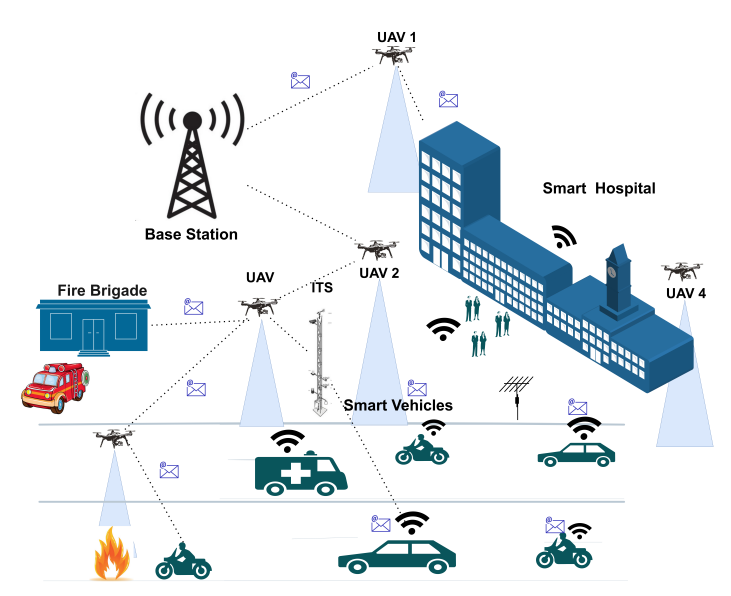
Reliable Data Exchange in UAV Swarm Networks Using Advanced Networking Techniques
Open Access | Research Article | 22 April 2026 | Cited: Crossref logo  1
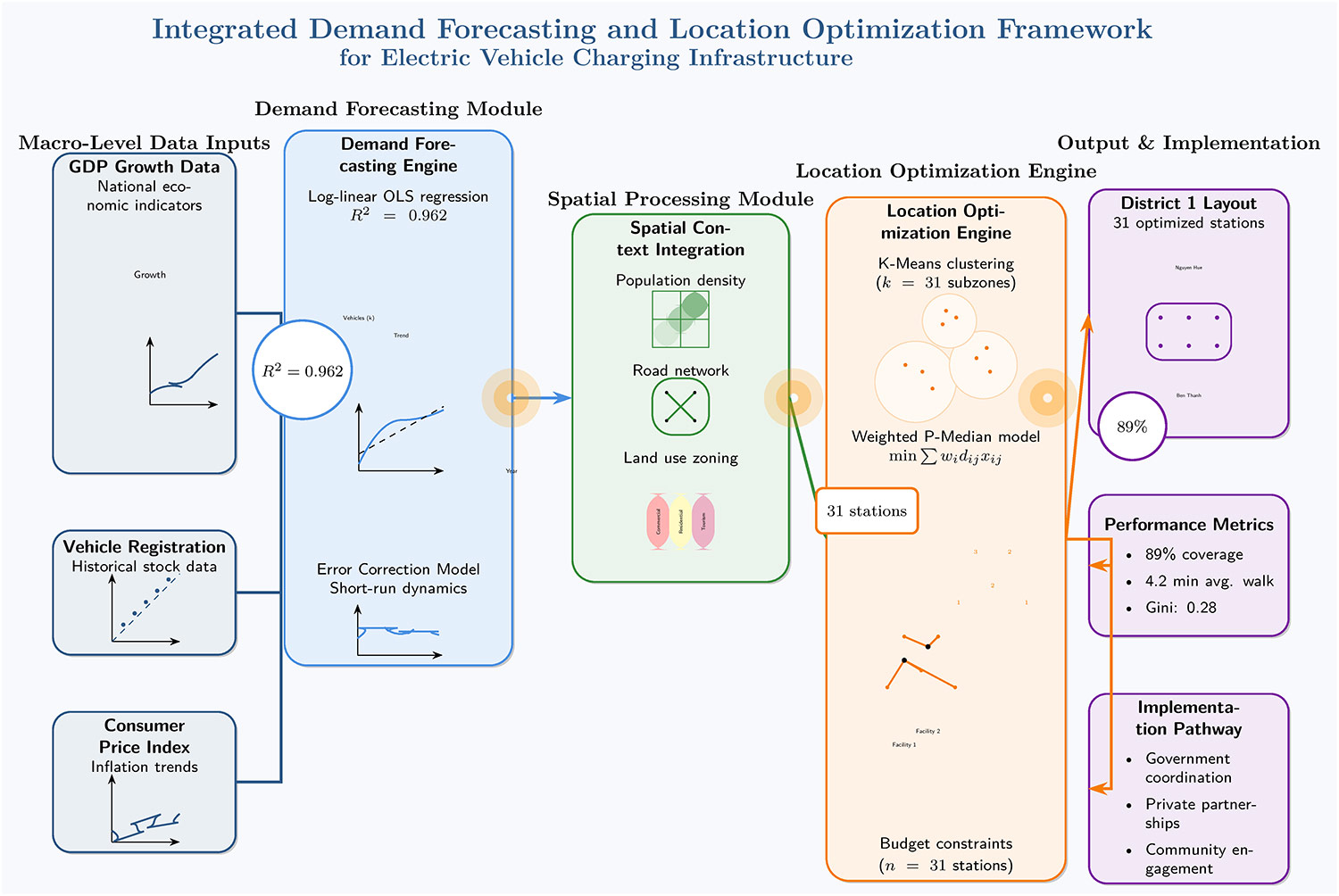
An Integrated Demand Forecasting and Location Optimization Framework for Electric Vehicle Charging Stations: A Case Study of District 1, Ho Chi Minh City
ICCK Transactions on Advanced Computing and Systems | Volume 2, Issue 3: 173-211, 2026 | DOI: 10.62762/TACS.2026.319834
Abstract
Vietnam's Electric Vehicle (EV) market is expanding rapidly, yet public charging infrastructure development lags significantly, exhibiting pronounced spatial imbalance in dense urban cores. This study addresses this gap through an integrated demand forecasting and location optimization framework for District 1, Ho Chi Minh City. We develop a log-linear regression model using Vietnam's macroeconomic data (2003–2023), identifying GDP and CPI as dominant determinants of vehicle ownership (R$^2$ = 0.962). Forecasted vehicle stocks for 2026–2030 are translated into public charging demand through vehicle-type disaggregation and service-capacity modeling. Spatially, we propose a four-stage opti... More >

Graphical Abstract
An Integrated Demand Forecasting and Location Optimization Framework for Electric Vehicle Charging Stations: A Case Study of District 1, Ho Chi Minh City
Open Access | Research Article | 05 April 2026 | Cited: Crossref logo  2 , Scopus 1
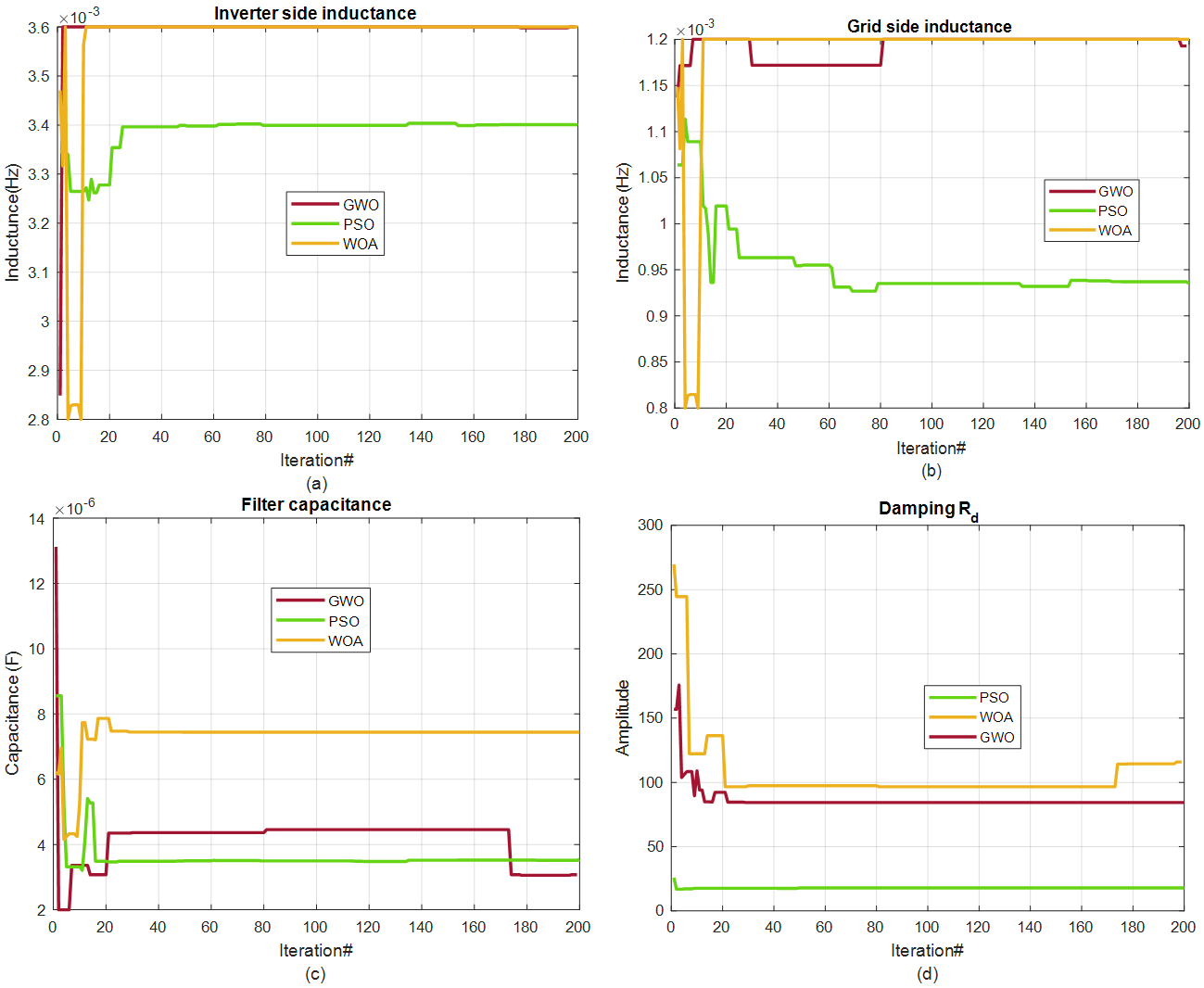
Optimized Design of LCL Filters for Single-Phase Grid-Connected Inverter Systems using Advanced Optimization Techniques
ICCK Transactions on Advanced Computing and Systems | Volume 2, Issue 3: 158-172, 2026 | DOI: 10.62762/TACS.2025.424683
Abstract
The traditional approach of manually selecting the parameters for LCL filters employed in single-phase grid-tied inverters is often ineffective and challenging to optimize. This can result in the LCL filter being unable to adequately attenuate high-frequency harmonics, causing the grid-injected current to not fully comply with IEEE 519 standards. Furthermore, the filtering performance can degrade when the system is coupled to a weak grid due to the inherent resonance issue of the LCL filter. To address these problems, this paper thoroughly examines the total harmonic distortion (THD) and resonance frequency of an LCL-filtered grid-tied inverter. An optimization function with three different... More >

Graphical Abstract

Optimized Design of LCL Filters for Single-Phase Grid-Connected Inverter Systems using Advanced Optimization Techniques
Open Access | Research Article | 14 February 2026
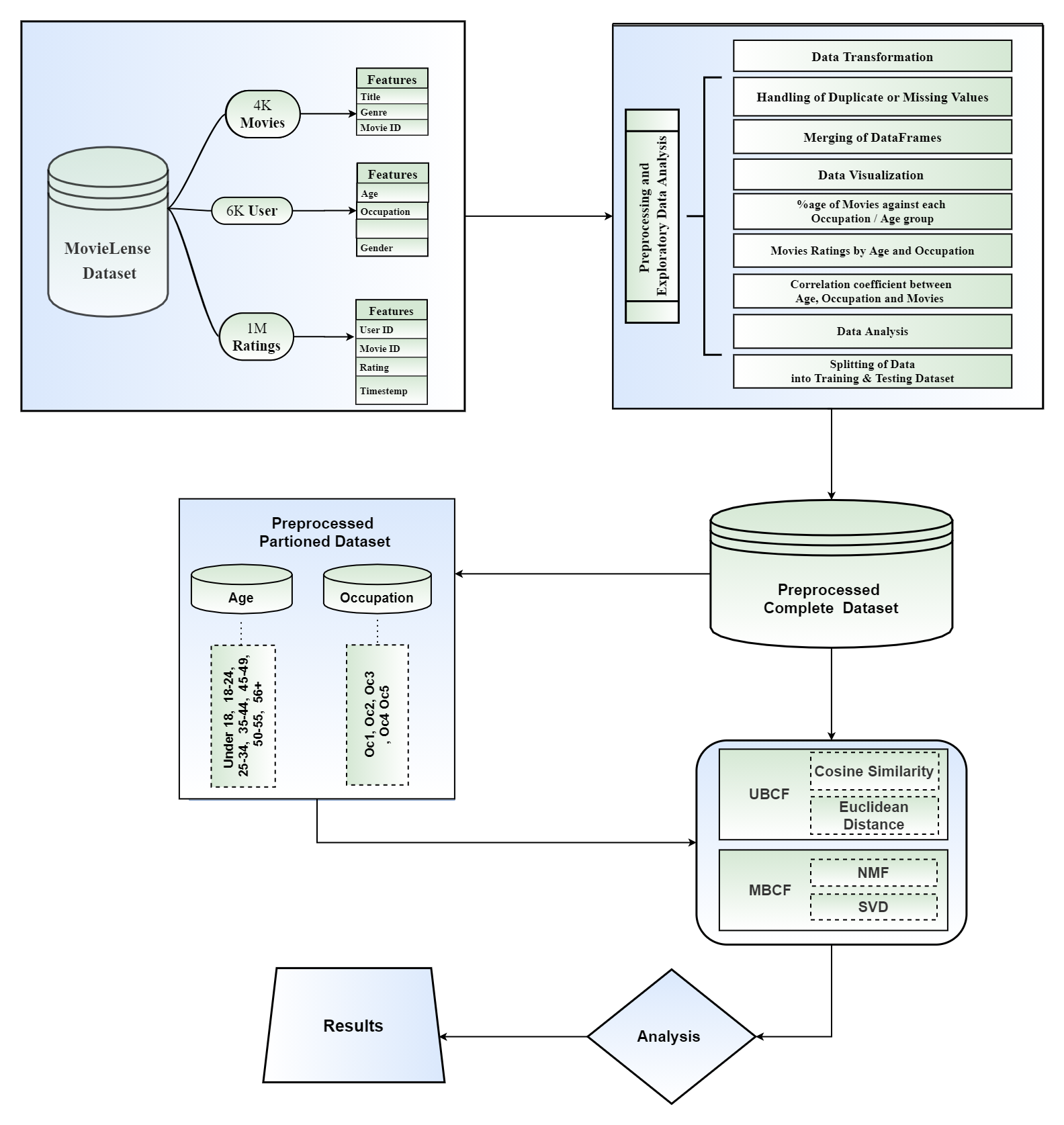
Performance Evaluation of Collaborative Filtering Recommender System on MovieLens Dataset
ICCK Transactions on Advanced Computing and Systems | Volume 2, Issue 2: 137-157, 2026 | DOI: 10.62762/TACS.2025.714333
Abstract
In today's technological landscape, recommender systems provide essential personalized suggestions by leveraging user preferences. This study evaluates User-Based (UBCF) and Model-Based Collaborative Filtering (MBCF) on the MovieLens 1M dataset, comparing performance on complete data versus partitions based on age and occupation. Using MAE and RMSE metrics, we assessed UBCF with Euclidean/Cosine similarity and MBCF with NMF/SVD. Results show MBCF with SVD achieved the best performance (MAE: 0.6909, RMSE: 0.8761), outperforming UBCF by approximately 5.2% in MAE and 5.4% in RMSE. This confirms model-based approaches, particularly SVD, excel with complete datasets, while demographic partitionin... More >

Graphical Abstract
Performance Evaluation of Collaborative Filtering Recommender System on MovieLens Dataset
Open Access | Review Article | 13 February 2026
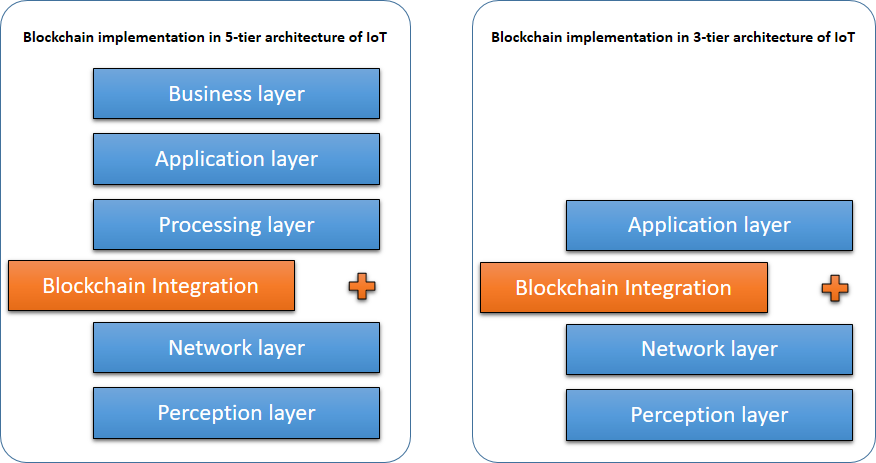
Systematic Literature Review on Blockchain Based IoT Solutions
ICCK Transactions on Advanced Computing and Systems | Volume 2, Issue 2: 116-136, 2026 | DOI: 10.62762/TACS.2025.327681
Abstract
The growth of the Internet of Things (IoT) has connected a massive number of devices, but its common centralized design creates major security, privacy, and scalability problems that old security methods cannot properly fix. This review explores how Blockchain Technology (BCT) offers a new approach to create trust and strong security for IoT systems without a central authority. Following the PRISMA guidelines, this study analyzes 68 research papers and uses a Chi-square test to statistically confirm the link between IoT problems and the use of blockchain solutions. The results show a strong, statistically proven connection, with a Chi-square value of 34.772 (p<0.05) and a Cramer's V of 0.63.... More >

Graphical Abstract

Systematic Literature Review on Blockchain Based IoT Solutions
Open Access | Research Article | 11 February 2026
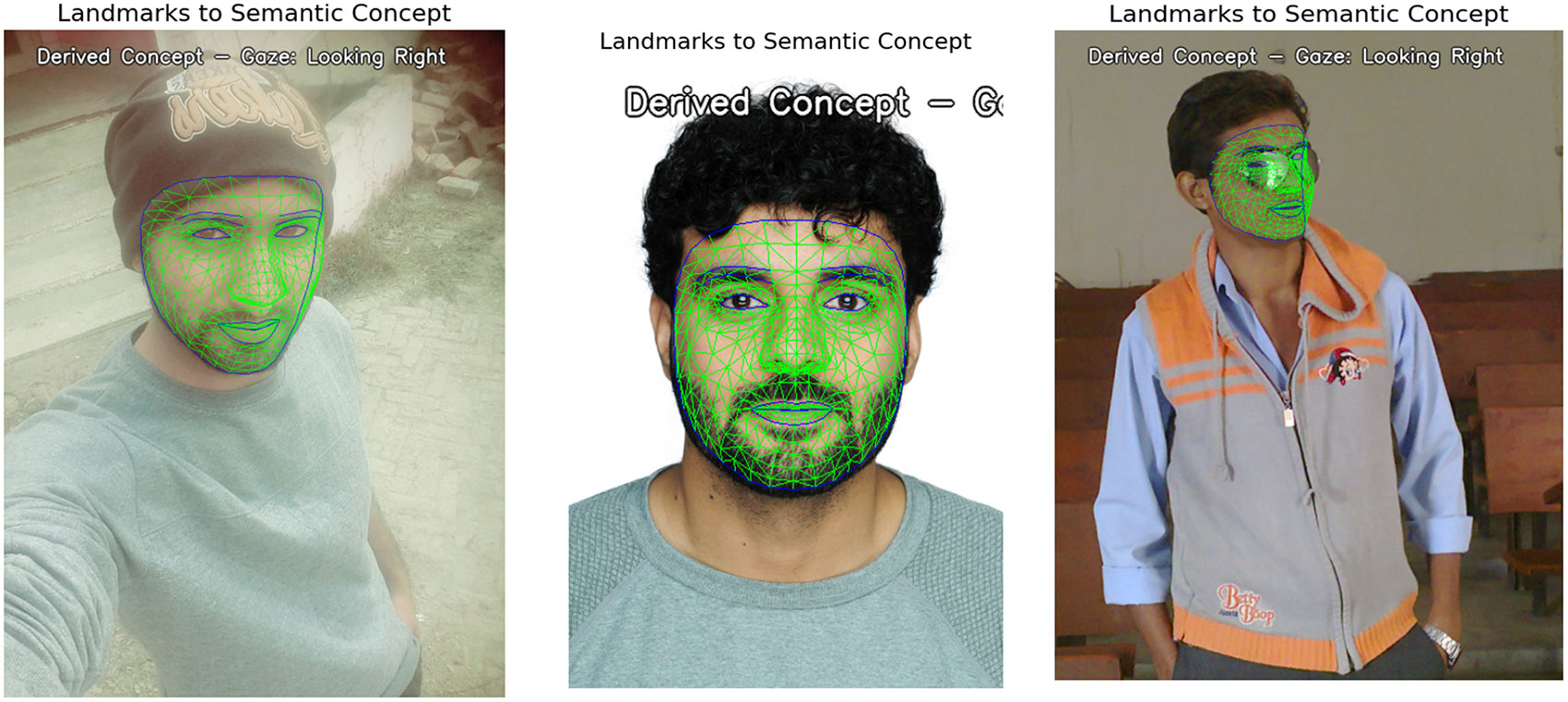
GeoGaze: A Real-time, Lightweight Gaze Estimation Framework via Geometric Landmark Analysis
ICCK Transactions on Advanced Computing and Systems | Volume 2, Issue 2: 107-115, 2026 | DOI: 10.62762/TACS.2025.798133
Abstract
Gaze estimation plays a vital role in human-computer interaction, driver monitoring, and psychological analysis. While state-of-the-art appearance-based methods achieve high accuracy using deep learning, they often demand substantial computational resources, including GPU acceleration and extensive training, limiting their use in resource-constrained or real-time scenarios. This paper introduces GeoGaze, a novel, lightweight, training-free framework that infers categorical gaze direction (“Left”, “Center”, “Right”) solely from geometric analysis of facial landmarks. Leveraging the high-precision 478-point face mesh and iris landmarks provided by MediaPipe, GeoGaze computes a simp... More >

Graphical Abstract
GeoGaze: A Real-time, Lightweight Gaze Estimation Framework via Geometric Landmark Analysis
Open Access | Research Article | 10 February 2026 | Cited: Crossref logo  1 , Scopus 1
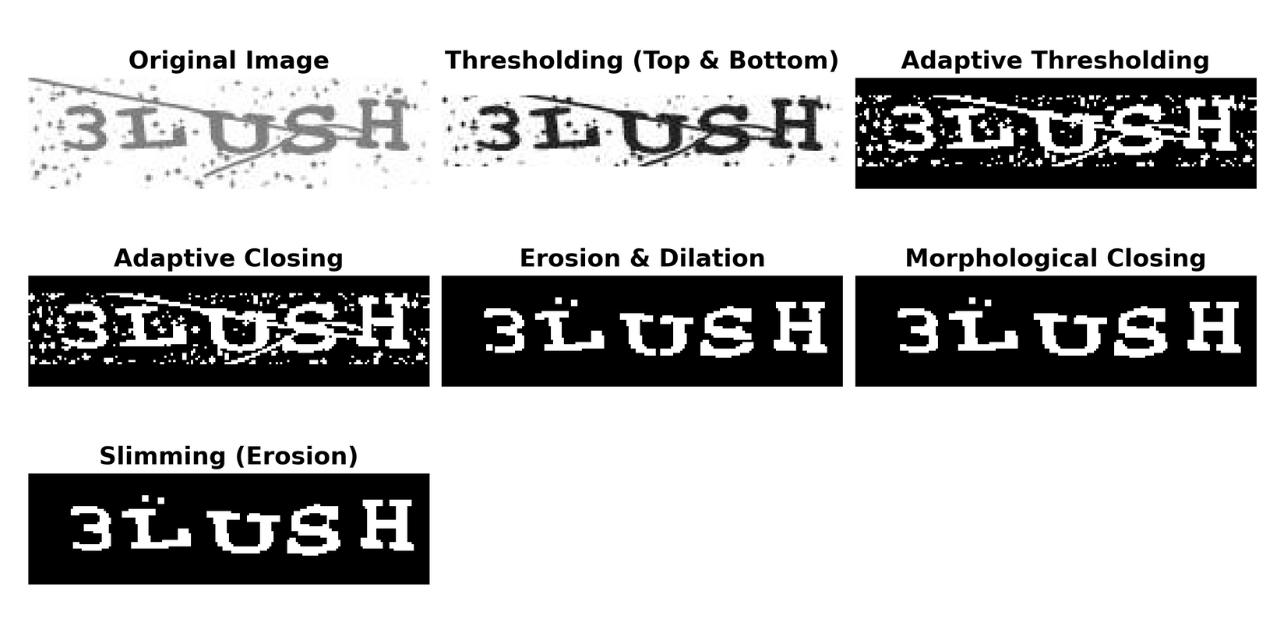
Denoising Telerik RadCaptcha: A Comparative Evaluation of the Effectiveness of Pre-Processing Techniques and Deep Learning Methods Using a Novel Dataset
ICCK Transactions on Advanced Computing and Systems | Volume 2, Issue 2: 85-106, 2026 | DOI: 10.62762/TACS.2025.469136
Abstract
Text-based CAPTCHAs remain a widely deployed mechanism to distinguish humans from automated bots. The Telerik RadCaptcha, a component of the ASP.NET AJAX suite, generates distorted alphanumeric images with character overlap, intersecting lines, and dynamic background noise. This study introduces a novel, real-world dataset of 3,000 labeled Telerik RadCaptcha images and proposes a specialized multi-stage preprocessing pipeline featuring adaptive binarization and contour-based segmentation to robustly isolate overlapping and noisy characters—challenges where conventional methods frequently fail. The segmented characters are then classified using a lightweight Convolutional Neural Network (CN... More >

Graphical Abstract

Denoising Telerik RadCaptcha: A Comparative Evaluation of the Effectiveness of Pre-Processing Techniques and Deep Learning Methods Using a Novel Dataset
Open Access | Research Article | 08 February 2026
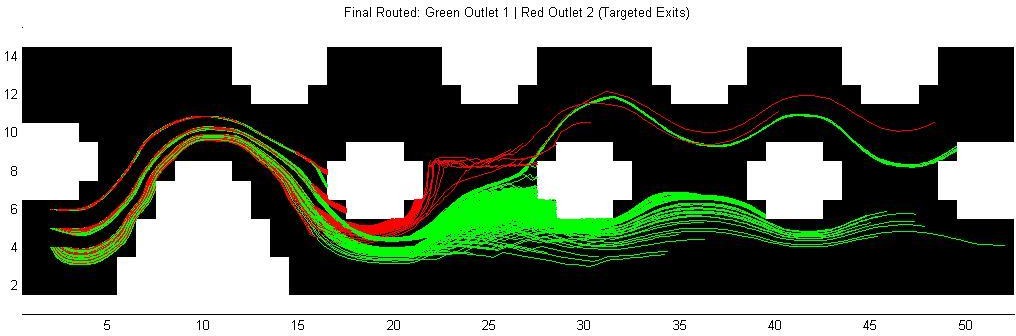
Topological Optimization of a 2D Microfluidic Channel for Particle Separation
ICCK Transactions on Advanced Computing and Systems | Volume 2, Issue 2: 74-84, 2026 | DOI: 10.62762/TACS.2025.192275
Abstract
The escalating demand for efficient particle separation in microfluidic systems necessitates innovative design solutions. This study presents a simulation-based topology optimization method to passively separate particles within a 2D microfluidic channel, eliminating the need for external forces. Leveraging a coupled Navier-Stokes solver and particle advection simulation, the framework iteratively refines the channel's geometry by minimizing an objective function quantifying particle mis-sorting. Our approach computationally generated optimal, manufacturable topologies, demonstrating a peak sorting efficiency of 0.6667 (66.67%) achieved by the second iteration, which then stabilized in subse... More >

Graphical Abstract

Topological Optimization of a 2D Microfluidic Channel for Particle Separation

Journal Statistics

118
Authors
15
Countries / Regions
33
Articles
Scopus: 56
Citations
2024
Published Since
65,385
Article Views
15,297
Article Downloads
ICCK Transactions on Advanced Computing and Systems
eISSN: 3068-7969
Crossref
Crossref
Member of Crossref
Visit Crossref →