Volume 1, Issue 2


Former Title: IECE Transactions on Intelligent Systematics

Volume 1, Issue 2 (September, 2024) – 6 articles
Citations: 39, 40,  48   |   Viewed: 22263, Download: 4224

Table of Contents

Free Access | Research Article | 29 September 2024 | Cited: 1 , Scopus 1
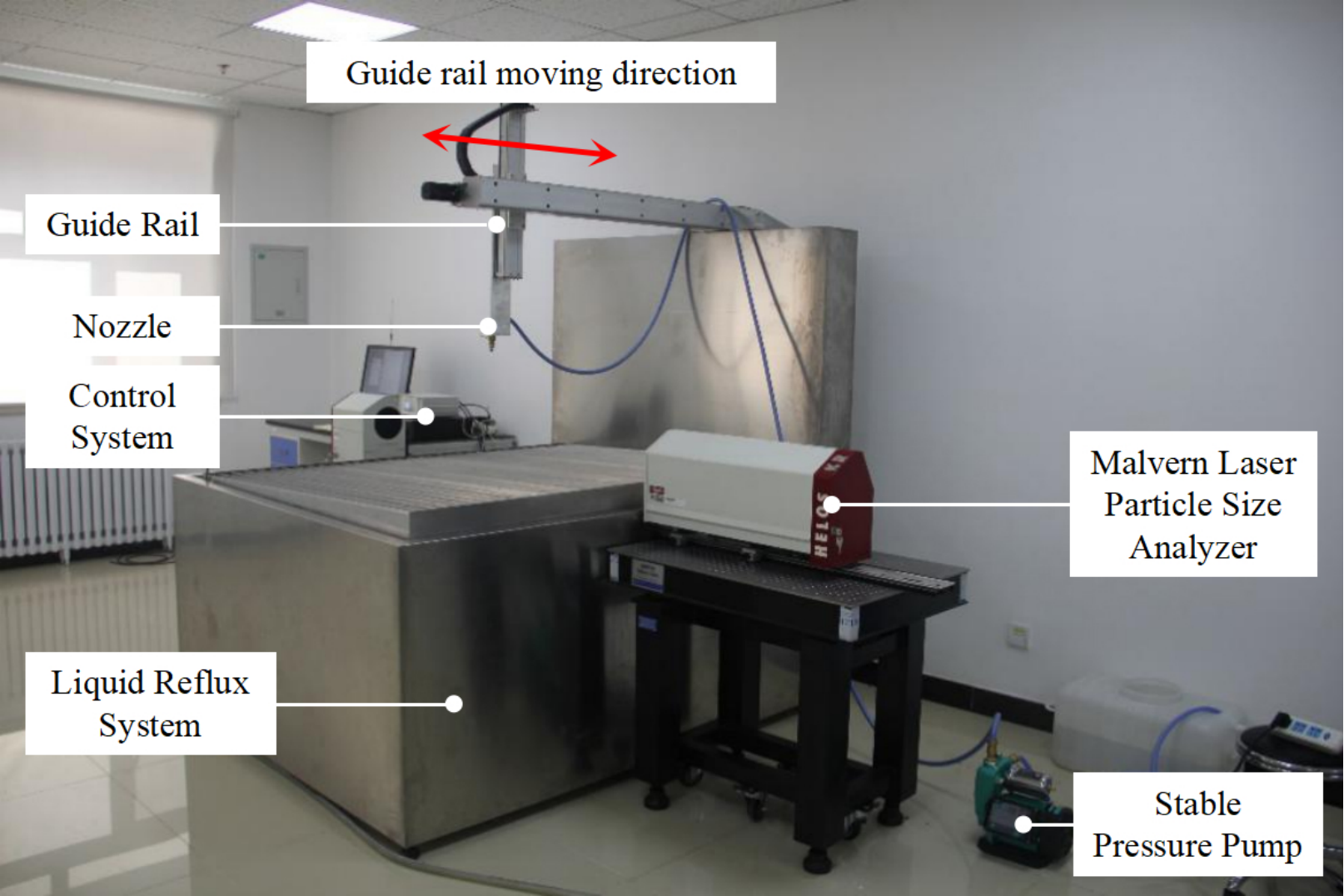
Investigation on the Mechanism of Nebulized Droplet Particle Size Impact in Precision Plant Protection
ICCK Transactions on Intelligent Systematics | Volume 1, Issue 2: 102-111, 2024 | DOI: 10.62762/TIS.2024.307219
Abstract
Precision plant protection involves a complex spray–droplet system in which atomization behavior is governed by the coupled effects of operating parameters and nozzle characteristics. However, a systematic understanding of how these parameters jointly influence droplet size and deposition performance remains limited in ground plant protection applications. In this study, a laser-based particle size measurement approach is employed to characterize the systematic dependence of atomized droplet size on spray pressure, nozzle flow rate (orifice), and spray angle under controlled conditions. The results reveal consistent parameter–response patterns: droplet size decreases with increasing spra... More >

Graphical Abstract

Investigation on the Mechanism of Nebulized Droplet Particle Size Impact in Precision Plant Protection
Free Access | Research Article | 29 September 2024 | Cited: 5 , Scopus 5
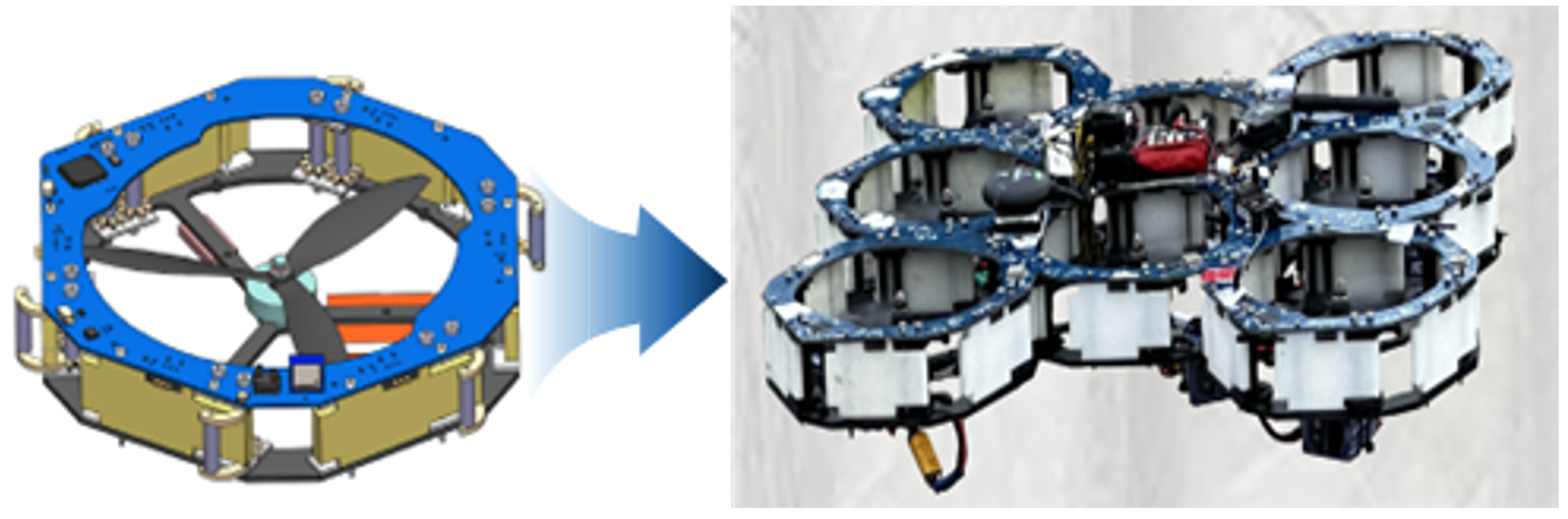
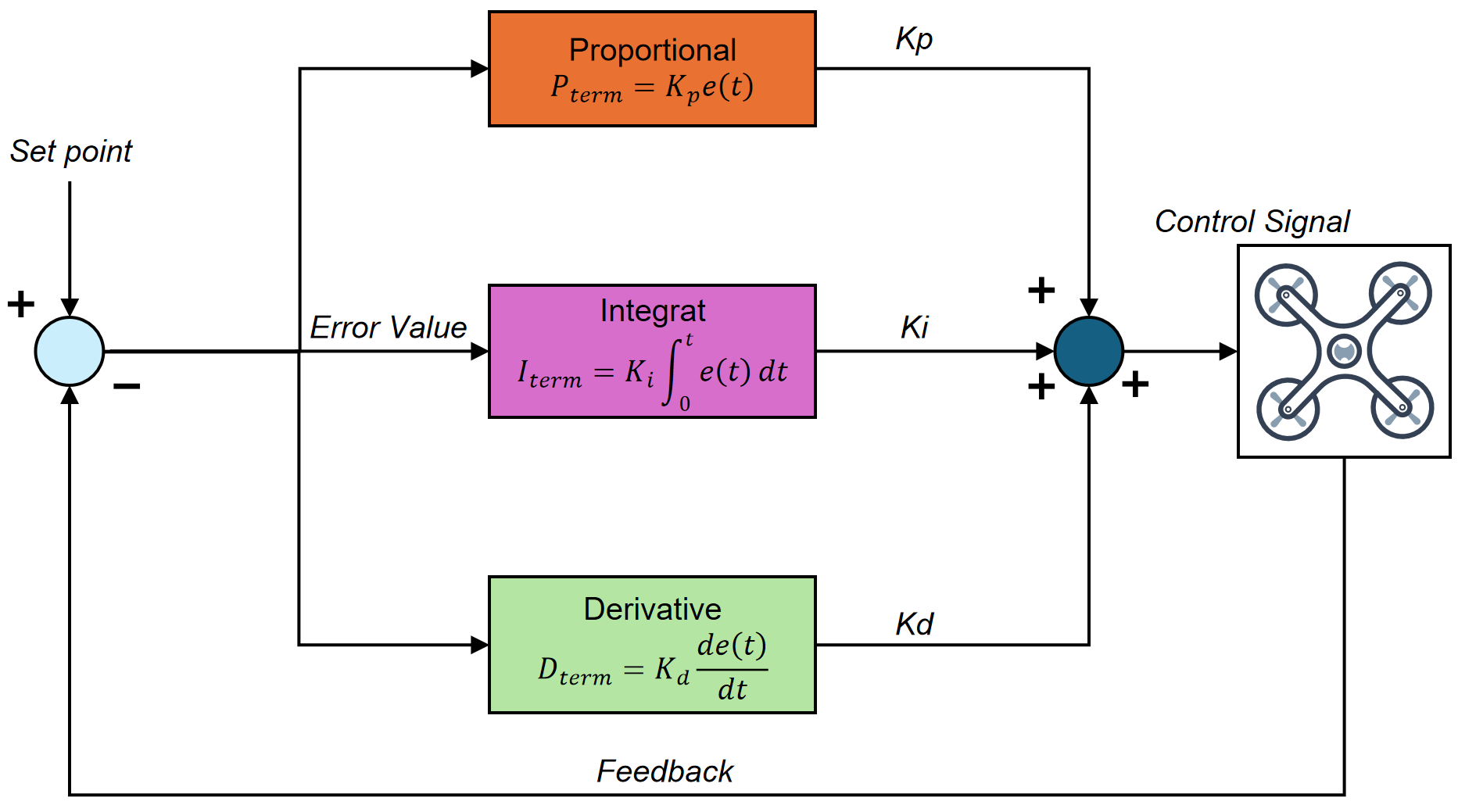
On-line Configuration Identification and Control of Modular Reconfigurable Flight Array
ICCK Transactions on Intelligent Systematics | Volume 1, Issue 2: 91-101, 2024 | DOI: 10.62762/TIS.2024.681878
Abstract
With the increasing complexity of the working environment and the diversification of mission requirements of UAVs, traditional UAVs have a fixed structure and single function. It is difficult to be applied in occasions with complex environments and changing load demands. The modular reconfigurable flight array (MRFA) is composed of no less than four isomorphic unit modules that are freely spliced together. By adding or removing flight unit modules and adjusting the arrangement of flight unit modules, the configuration of the MRFA can be changed, so that it can adapt to complex environments and then complete different flight missions. In the process of MRFA research and development, online co... More >

Graphical Abstract

On-line Configuration Identification and Control of Modular Reconfigurable Flight Array
Free Access | Research Article | 27 September 2024 | Cited: 19 , Scopus 19
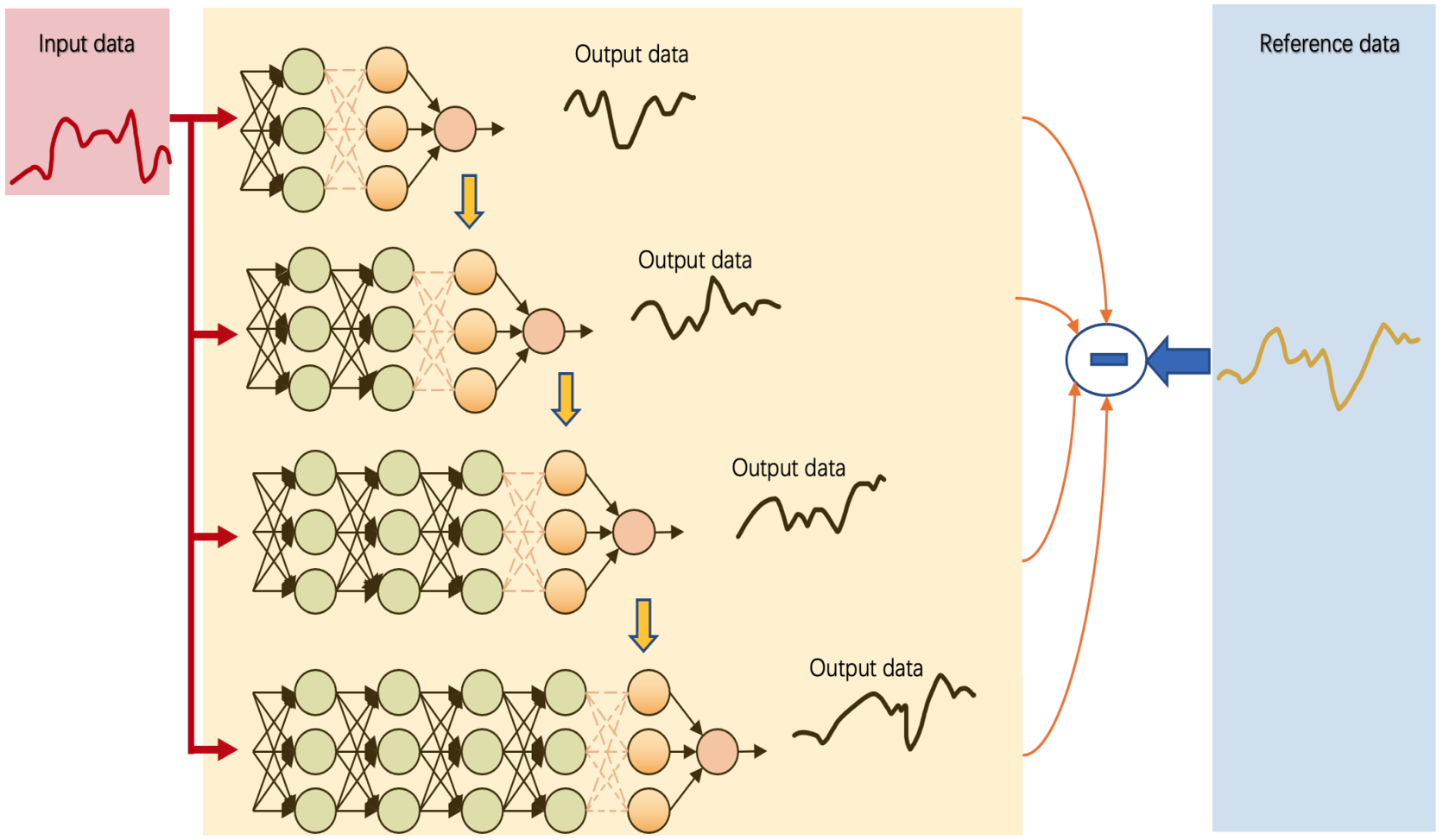
Long-term Traffic Flow Prediction using Stochastic Configuration Networks for Smart Cities
ICCK Transactions on Intelligent Systematics | Volume 1, Issue 2: 79-90, 2024 | DOI: 10.62762/TIS.2024.952592
Abstract
Accurate predictions of traffic flow are very meaningful to city managers. With such information, traffic systems can better coordinate traffic signals and reduce congestion. By understanding traffic patterns, navigation systems can provide real-time routing suggestions that avoid traffic jams, save time, and reduce fuel consumption. However, traffic flow will be interfered with by multiple factors such as collection time and place. In this paper, stochastic configuration networks (SCNs) are proposed to predict the traffic flow. The network is trained through stepwise construction, and the network parameters are effectively optimized based on the approximation theorem and convergence analysi... More >

Graphical Abstract
Long-term Traffic Flow Prediction using Stochastic Configuration Networks for Smart Cities
Free Access | Research Article | 23 September 2024 | Cited: 4 , Scopus 4
Signal Strength-Based Alien Drone Detection and Containment in Indoor UAV Swarm Simulations
ICCK Transactions on Intelligent Systematics | Volume 1, Issue 2: 69-78, 2024 | DOI: 10.62762/TIS.2024.807714
Abstract
A Novel simulation framework using self-governing drones is used to locate and reduce unauthorized drones in interior environments. The recommended method uses Received Signal Strength Indicator (RSSI) to identify an alien agent drone, which has different signal characteristics than the approved swarm of UAVs. Real-time threat detection is possible with this technology. After detecting the drone, the swarm organizes itself to encircle and besiege it for 10 seconds, making it inert, before the swarm returns to its original formation. This unique solution uses RSSI to quickly identify and mitigate enclosed area concerns. It provides a reliable and effective indoor drone security solution. The... More >

Graphical Abstract

Signal Strength-Based Alien Drone Detection and Containment in Indoor UAV Swarm Simulations
Free Access | Review Article | 23 September 2024 | Cited: 5 , Scopus 6
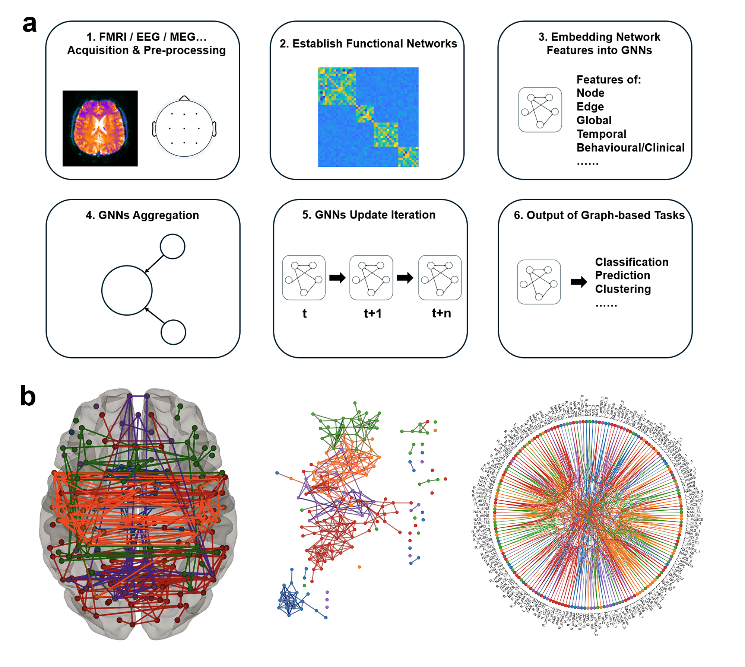
Modeling Brain Functional Networks Using Graph Neural Networks: A Review and Clinical Application
ICCK Transactions on Intelligent Systematics | Volume 1, Issue 2: 58-68, 2024 | DOI: 10.62762/TIS.2024.680959
Abstract
The integration of graph neural networks (GNNs) with brain functional network analysis is an emerging field that combines neuroscience and machine learning to enhance our understanding of complex brain dynamics. We first briefly introduce the fundamentals of brain functional networks, followed by an overview of Graph Neural Network principles and architectures. The review then focuses on the applications of these networks and address current challenges in the field, such as the need for interpretable models and effective integration of multi-modal neuroimaging data. We also highlight the potential of GNNs in clinical areas such as perimenopausal depression research, demonstrating the broad a... More >

Graphical Abstract

Modeling Brain Functional Networks Using Graph Neural Networks: A Review and Clinical Application
Free Access | Research Article | 20 September 2024 | Cited: 5 , Scopus 5
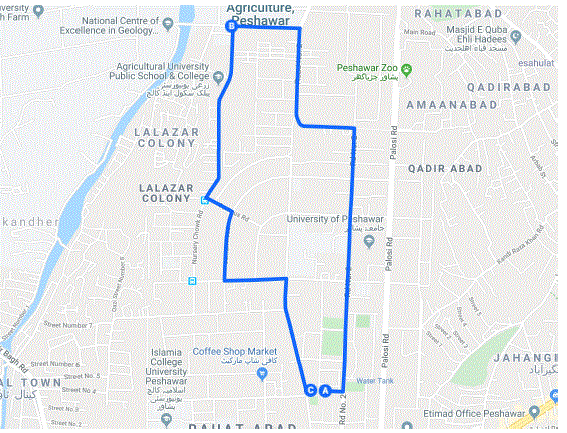
A Cyber-Physical System Based on On-Board Diagnosis (OBD-II) for Smart City
ICCK Transactions on Intelligent Systematics | Volume 1, Issue 2: 49-57, 2024 | DOI: 10.62762/TIS.2024.329126
Abstract
This paper proposes designing and structuring a Cyber-Physical System (CPS) with a specific focus on vehicles equipped with on-board diagnosis (OBD-II). The purpose of the CPS is to collect and assess data pertaining to the vehicle's Electronic Control Unit (ECU), such as engine RPM, speed, and other relevant parameters. The OBD-II scanner utilizes the obtained data on mass airflow (MAF) and vehicle speed to compute CO2 gas emissions and fuel consumption. The data is wirelessly communicated using a GSM module to a Semantic Web. The CPS also uses GPS tracking to ascertain the vehicle's whereabouts. A Semantic Web is utilized to construct a database management system that stores and manages se... More >

Graphical Abstract
A Cyber-Physical System Based on On-Board Diagnosis (OBD-II) for Smart City