

Plant Innovation Journal

Publishing Model:
ISSN:
ISSN: pending
Plant Innovation Journal aims to publish high-quality, peer-reviewed research that advances understanding of innovative concepts, technologies, and applications in plant science.
DOI Prefix: 10.62762/PIJ

Journal Metrics

-
Impact Factor
-
CiteScore

Recent Articles

Open Access | Research Article | 17 March 2026
Characterization, Evolutionary Insights, and Stress-Responsive Expression of the Phosphoenolpyruvate Carboxylase (PEPC) Gene Family in Salix Matsudana
Plant Innovation Journal | Volume 1, Issue 1: 27-49, 2025 | DOI: 10.62762/PIJ.2025.111778
Abstract
Phosphoenolpyruvate carboxylase (PEPC) is a vital enzyme in plant carbon metabolism, catalyzing the conversion of phosphoenolpyruvate (PEP) to oxaloacetate (OAA), a key intermediate in numerous biosynthetic pathways. PEPC family members are usually classified into PTPC and BTPC subfamilies, and PTPC subfamily is characterized by a conserved N-terminal serine phosphorylation site, while BTPC lacks this site. In this study, we identified 10 Salix matsudana PEPC genes (SmPEPCs), which were classified into two subfamilies, PTPC and BTPC, based on phylogenetic tree. Our findings highlighted significant gene duplication events that contributed to the expansion of the SmPEPC gene family, shedding l... More >

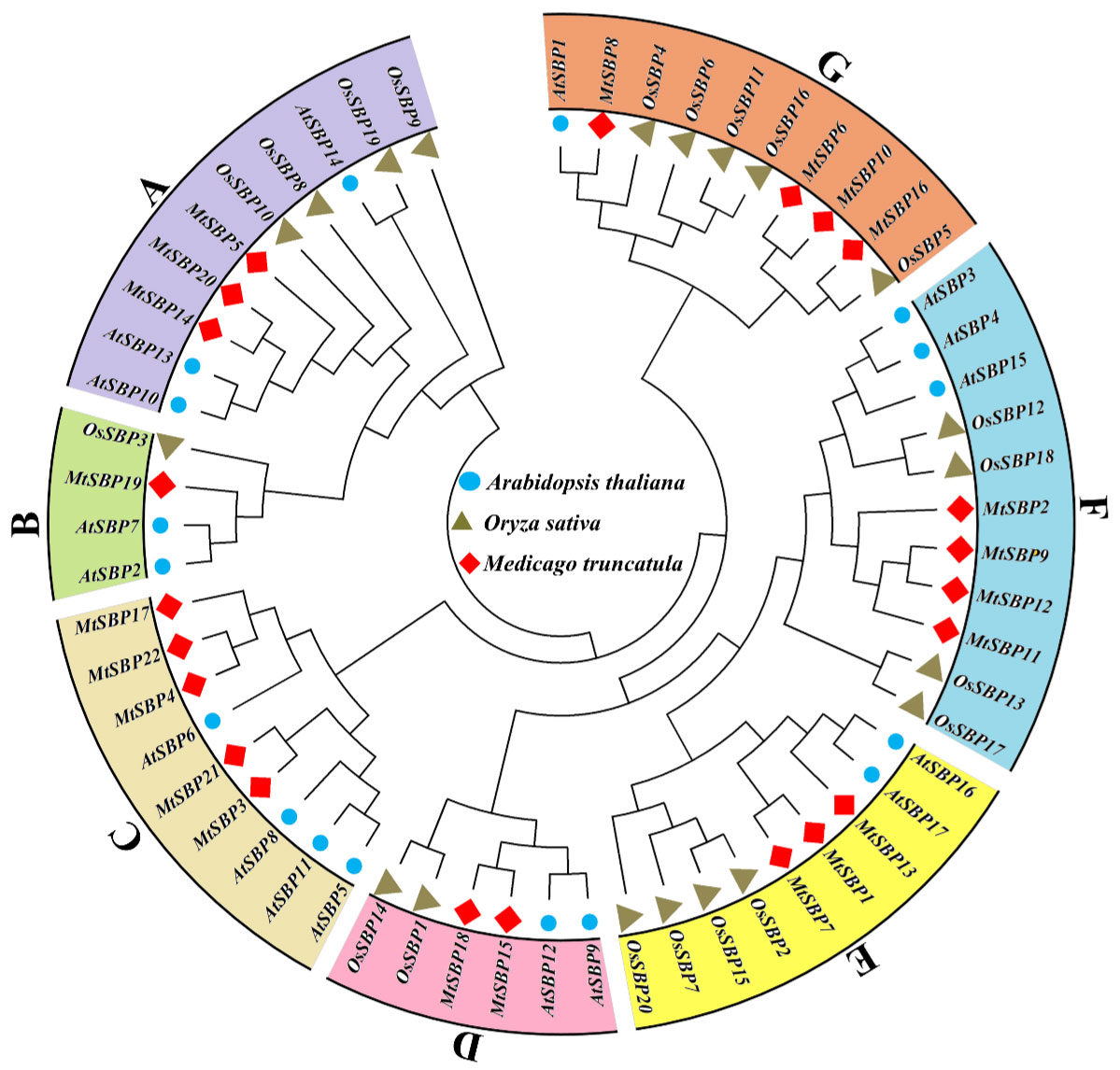
Graphical Abstract
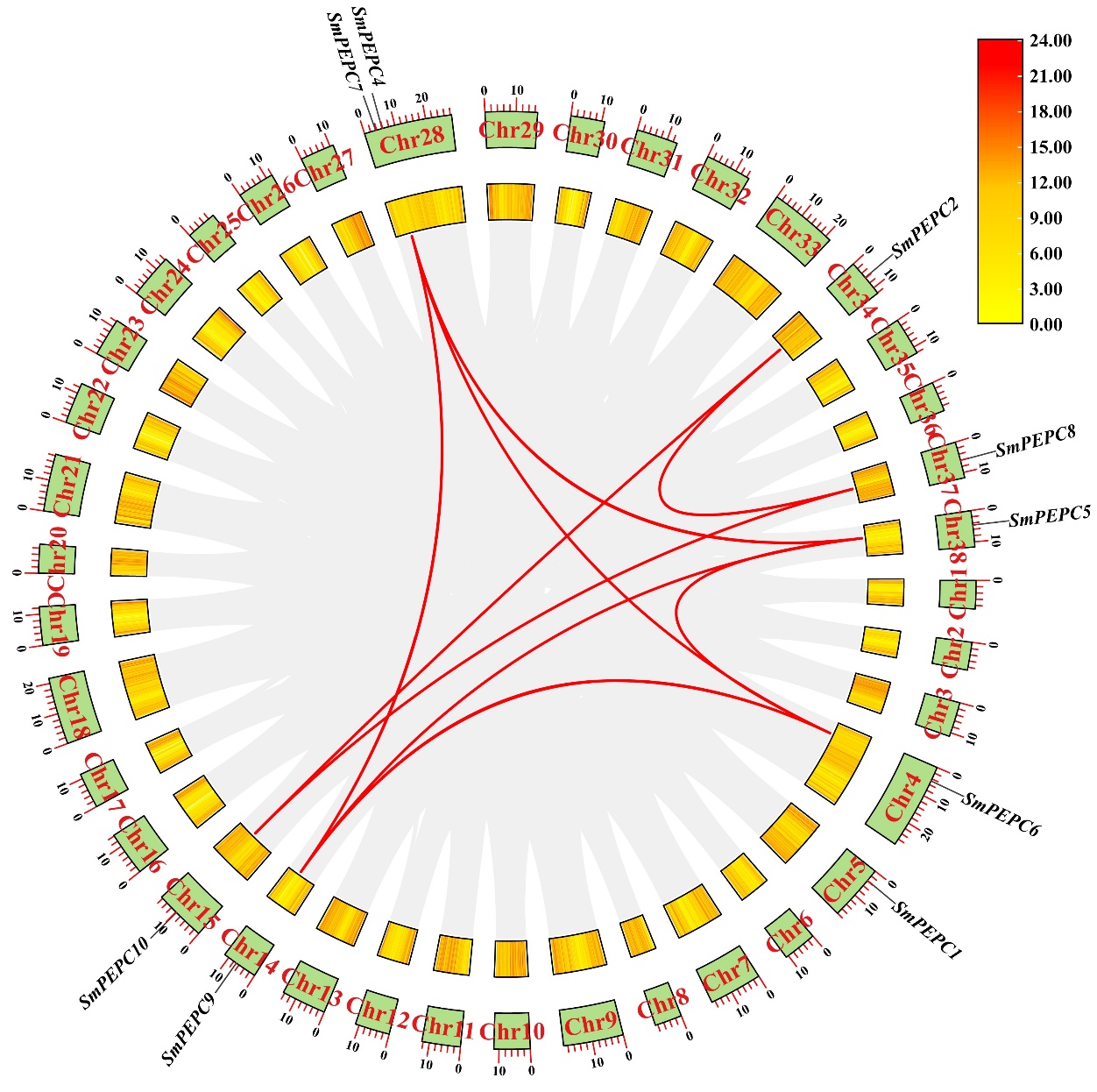
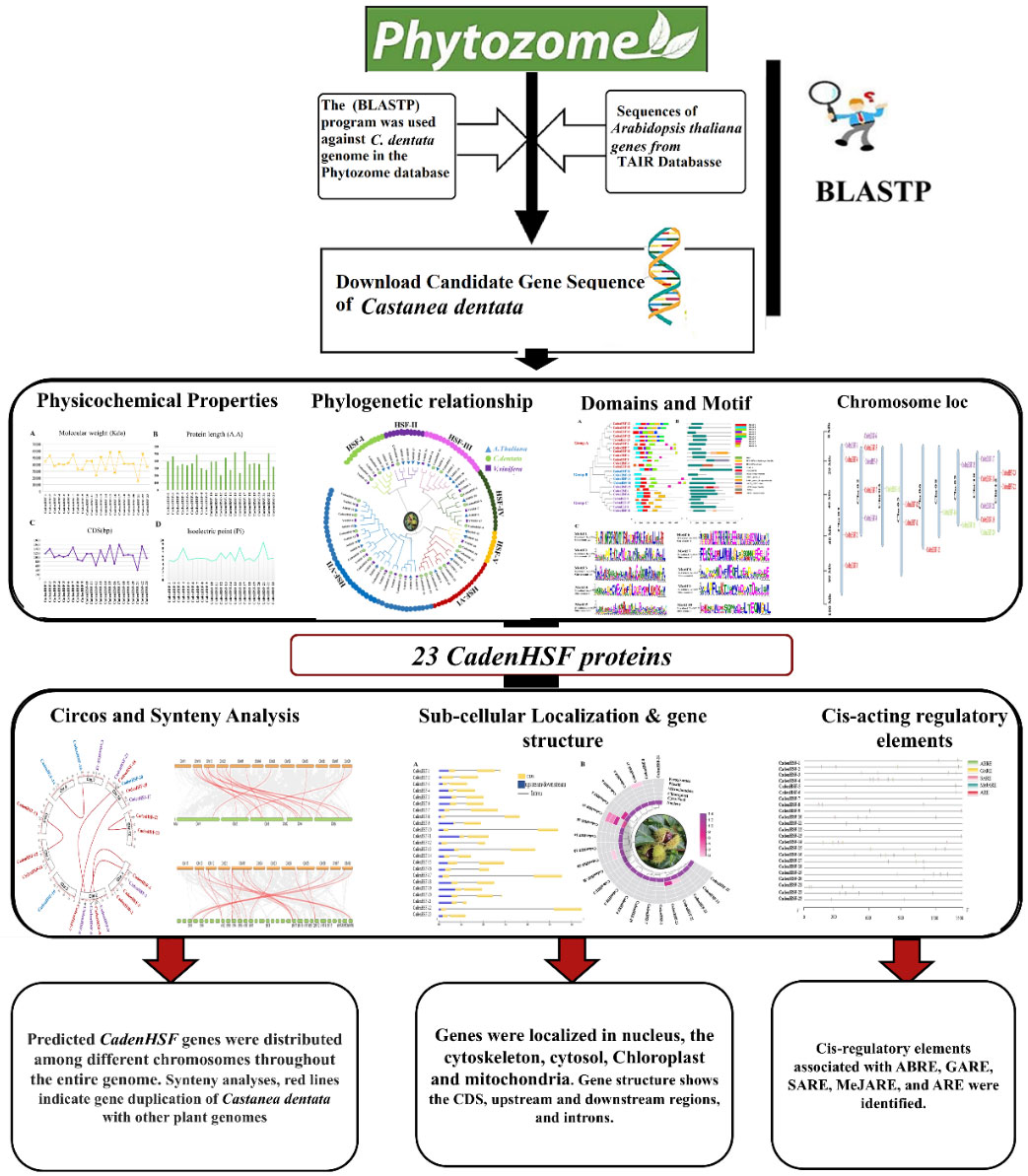
Characterization, Evolutionary Insights, and Stress-Responsive Expression of the Phosphoenolpyruvate Carboxylase (PEPC) Gene Family in Salix Matsudana
Open Access | Review Article | 12 March 2026
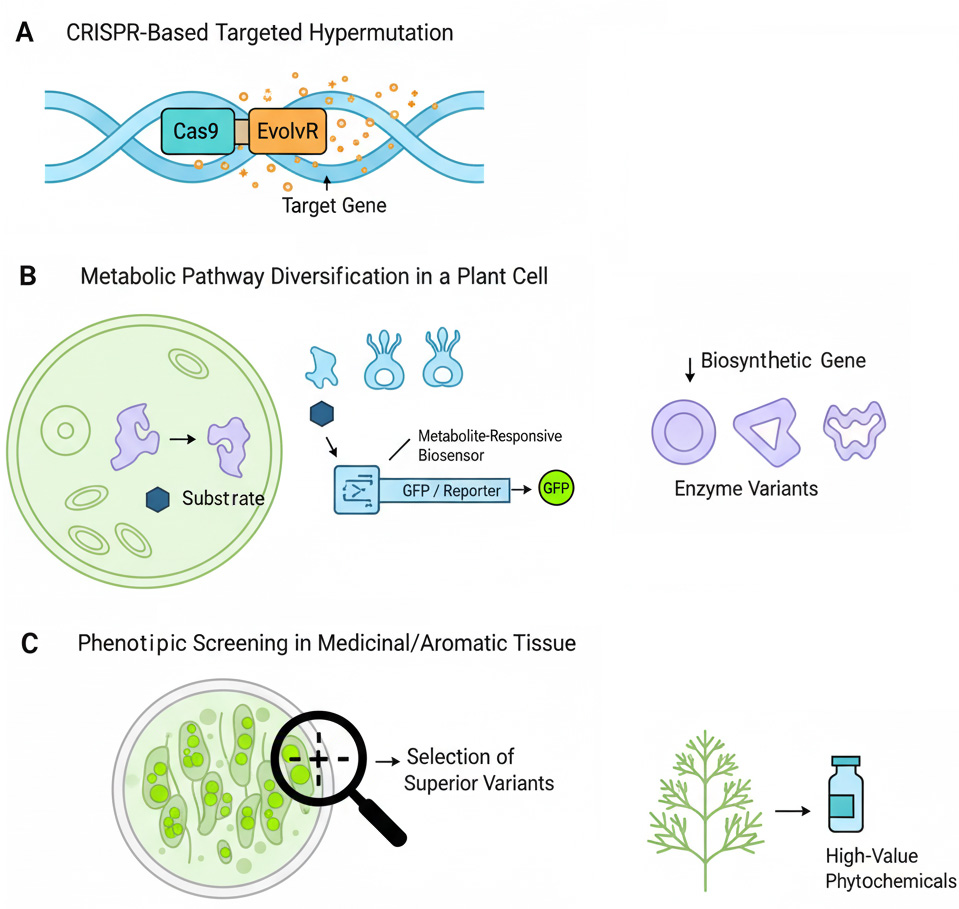
Rational Design of Plant Chemical Factories: CRISPR-Based Metabolic Engineering in Medicinal and Aromatic Plants
Plant Innovation Journal | Volume 1, Issue 1: 18-26, 2025 | DOI: 10.62762/PIJ.2025.283212
Abstract
Medicinal and aromatic plants (MAPs) serve as biochemical factories producing valuable secondary metabolites, yet their potential is limited by low yields, tissue-specific accumulation, and co-production of toxic compounds. Traditional improvement methods have achieved only incremental gains, highlighting the need for precision metabolic engineering. CRISPR/Cas genome editing has revolutionized this field by enabling targeted modifications from gene knockouts to single-nucleotide changes. This review examines core strategies in applying genome editing to engineer MAP metabolic pathways, including gene disruption, transcriptional modulation, and multiplex editing to redirect flux, eliminate c... More >

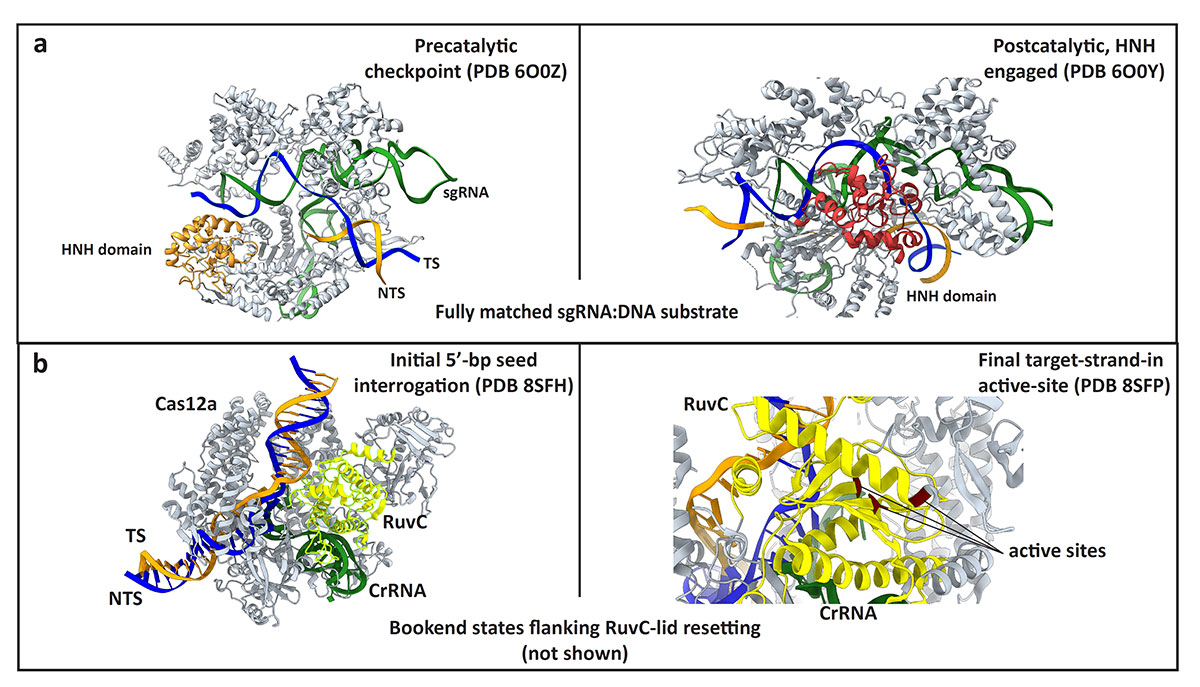
Graphical Abstract

Rational Design of Plant Chemical Factories: CRISPR-Based Metabolic Engineering in Medicinal and Aromatic Plants
Open Access | Perspective | 04 January 2026
Bridging the Translational Divide: A Vision for AI-Guided Genome Editing from Bench to Field in Cereal Crops
Plant Innovation Journal | Volume 1, Issue 1: 8-17, 2025 | DOI: 10.62762/PIJ.2025.121730
Abstract
The mix of AI and CRISPR gene editing is changing how we upgrade grain crops, which feed much of the world. In this inaugural perspective, we propose a transformative framework to close the gap between computational prediction and field performance. Rather than presenting new data, we call for a paradigm shift toward explainable AI, digital twins, federated learning, and breeder-centric platforms. We argue that only through integrated, transparent, and collaborative systems can we realize the full promise of precision breeding for global food security. Still, translating computational predictions into successful crop performance in the field often fails or exhibits rapid performance decline.... More >

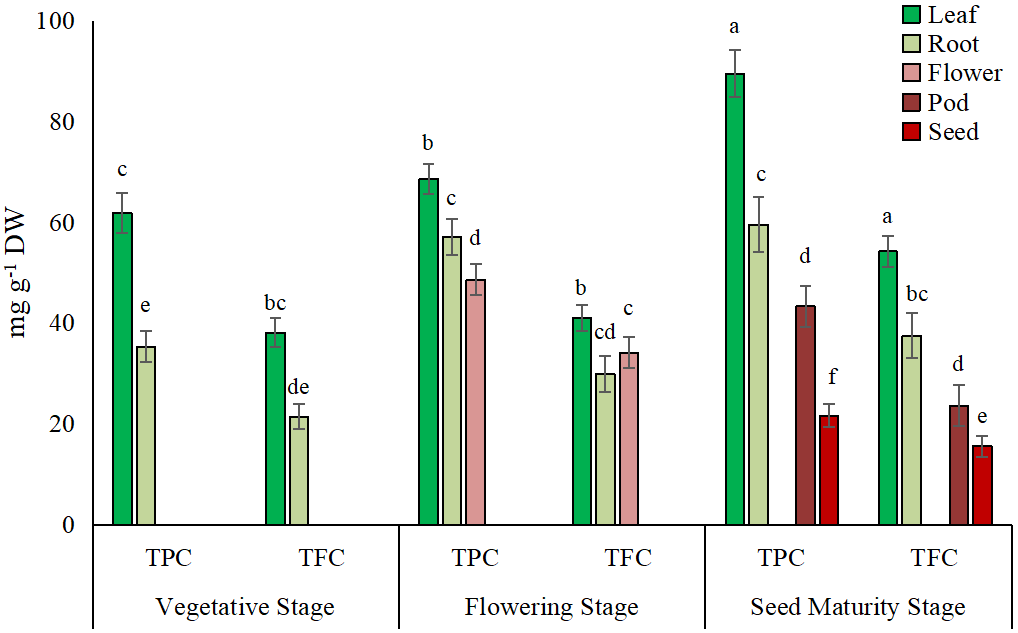
Graphical Abstract
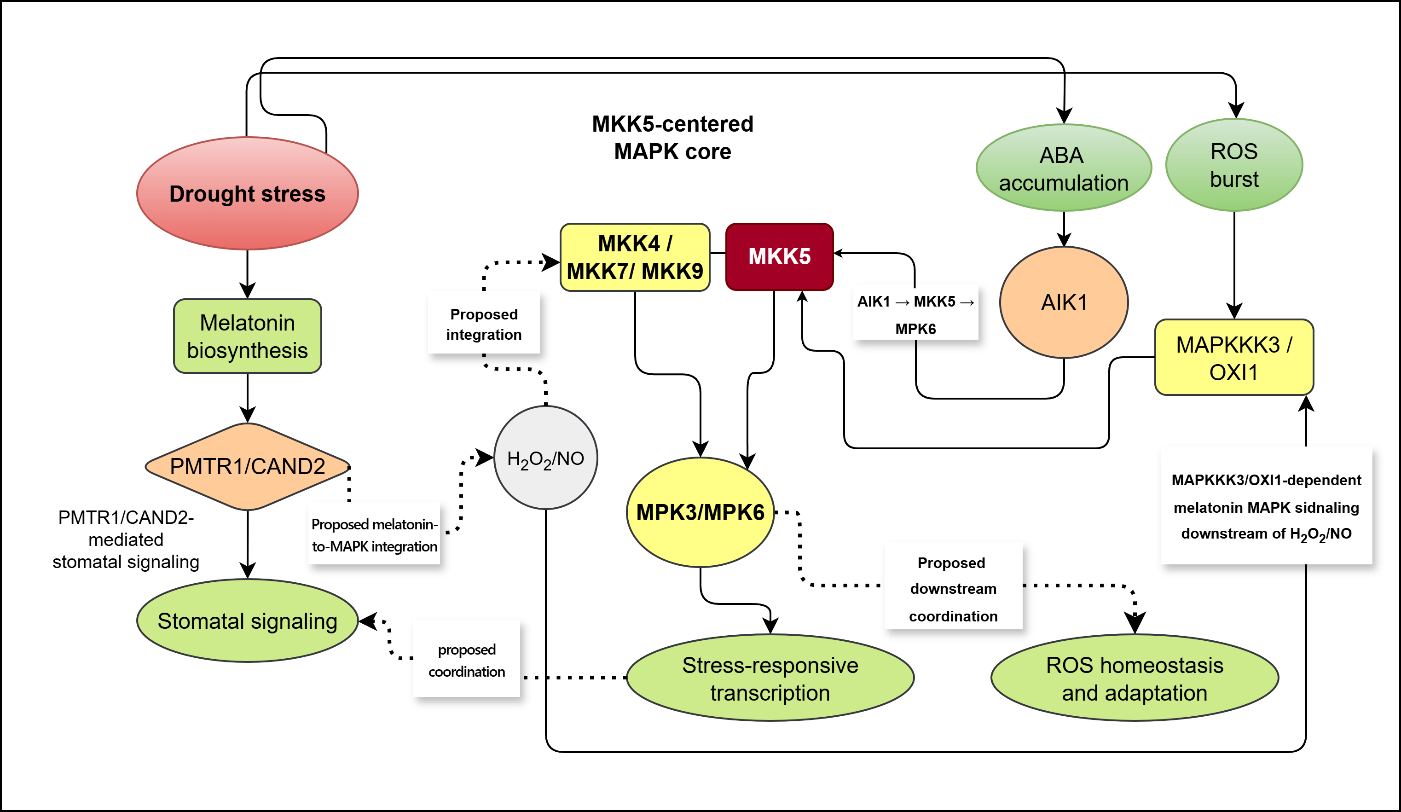
Bridging the Translational Divide: A Vision for AI-Guided Genome Editing from Bench to Field in Cereal Crops
Open Access | Review Article | 28 October 2025
CRISPR-Cas Genome Editing in Plants: Revolutionizing Precision Agriculture and Plant Biotechnology
Plant Innovation Journal | Volume 1, Issue 1: 1-7, 2025 | DOI: 10.62762/PIJ.2025.263896
Abstract
Plant biotechnology has been transformed by CRISPR-Cas genome editing, which has improved crops with previously unheard-of accuracy and efficiency. Base editing, prime editing, and enhanced delivery systems are the most recent CRISPR applications for plant genome editing. Advances like CRISPR-Act3.0 and HDR-mediated precise insertions have expanded plant genetic engineering tools. We discuss successful applications in rice, wheat, maize, and woody species that have resulted in improvements in disease resistance, stress tolerance, and yield. Despite delivery efficiency and off-target effects, CRISPR technology suggests sustainable global agriculture and climate adaptation. More >

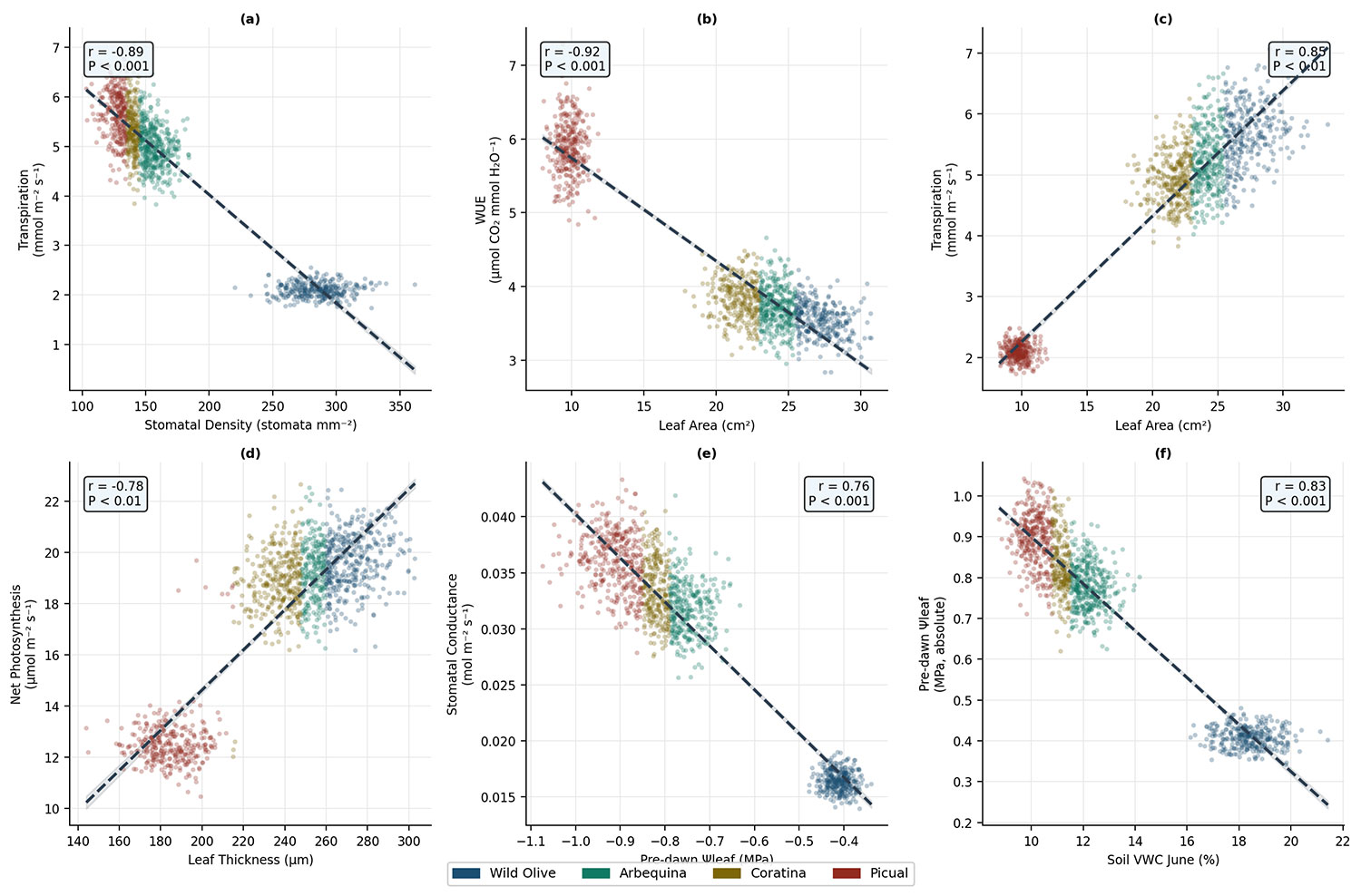
Graphical Abstract

CRISPR-Cas Genome Editing in Plants: Revolutionizing Precision Agriculture and Plant Biotechnology

Journal Statistics

17
Authors
2
Countries / Regions
4
Articles
0
(Scopus: 0)
Citations
2025
Published Since
0
Special Issues
3,374
Article Views
1,261
Article Downloads
Plant Innovation Journal
eISSN: pending
Crossref
Crossref
Member of Crossref
Visit Crossref →